While spending all your time worrying about bad things that could happen in the future is not helpful or healthy, being prepared for bad weather will be time well spent.
Research by the Pew Research Center revealed extreme weather events are increasingly common across the US, including flooding, snow storms and power outages. That's why protecting your most important investment with useful home upgrades will be time and money spent.
Our professional building contractors recommend investing in these 10 projects and upgrades to prepare your home for emergencies and extreme weather.
Home upgrades to prepare a house for extreme weather
The following expert suggestions are not going to prove cheap upfront. However, when preparing for a water supply outage or preparing for a power cut, they are invaluable, helping to keep you and your family safe in dire times.
1. Portable generators
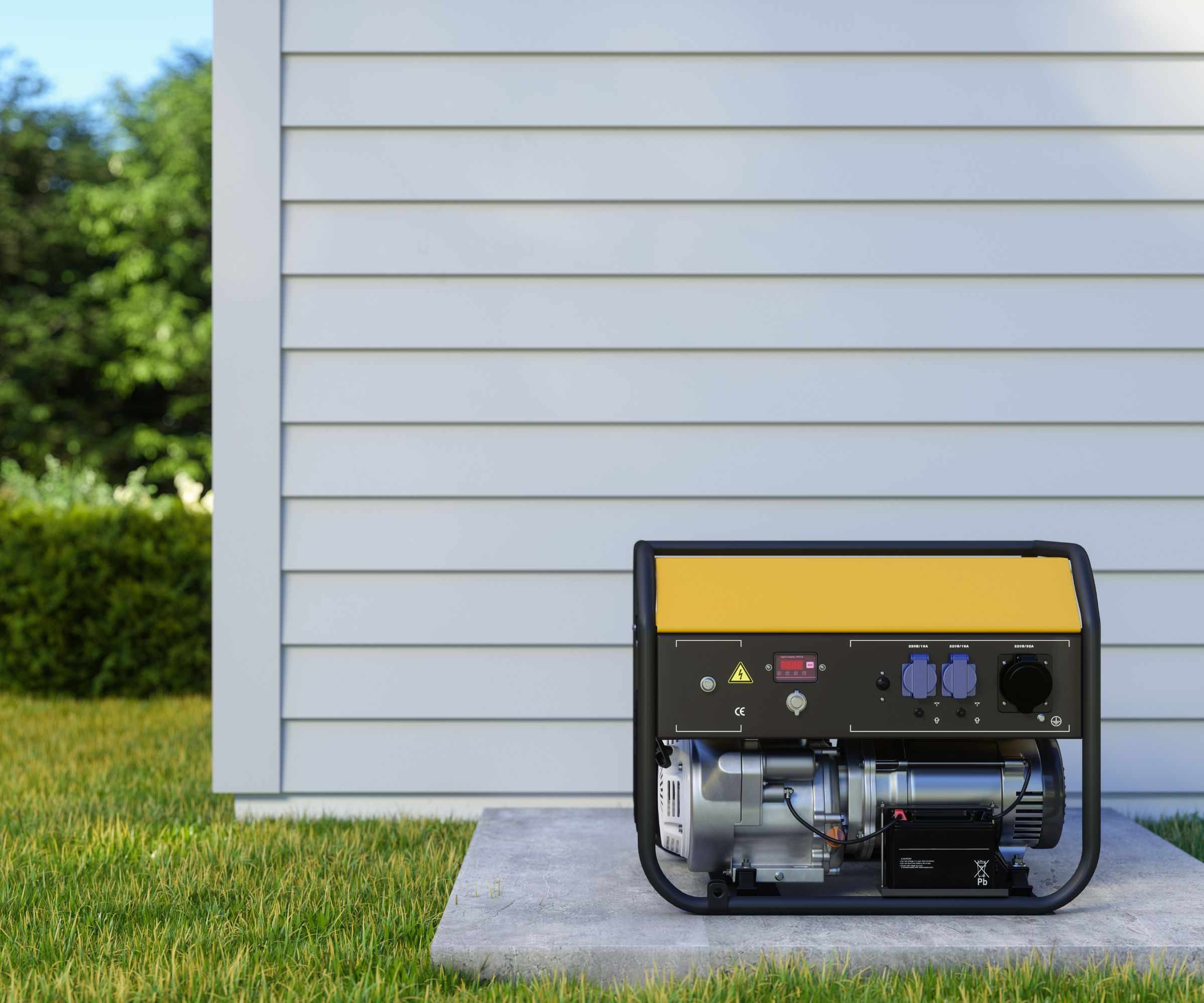
Daniel Vasilevski, owner and director of Bright Force Electrical begins, ‘Power outages in severe weather can range anywhere between a few hours and several days. Without power, refrigerators will stop working, security systems will shut down, and homes with medical equipment are at risk. This is why you should have a backup power solution, such as hooking up a generator or home battery backup system.
‘For homes without solar, a standby generator is a reliable alternative. These generators connect directly to the home’s electrical system and switch on the moment an outage is detected. They can power critical appliances like refrigerators, cool and heat a home when the power is out, and secure medical devices, ensuring safety during prolonged blackouts.’

The WGen11500TFc is a tri-fuel generator that operates on gasoline, propane (LPG), or natural gas to keep your home powered for up to 19 hours on a 9.5 gallon gas tank.
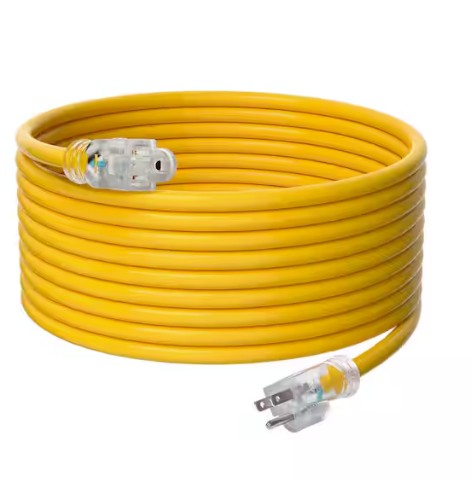
This generator power cord comes with twist lock connectors, meaning the plugs will lock into place for a more secure power supply in adverse weather.

From emergency home backup to DIY projects to the jobsite, the Generac GP18000EFI portable generator provides high-wattage, dependable portable power.
2. Solar panels

Generators are not your only option for alternative power sources, especially if you are looking to be more sustainable at home.
Aiden Charron, associate director of Global Earth Day, says, ‘One of the number one things you can do to prepare is to have an energy source that doesn't rely on the grid – which means investing in solar panels is a smart move. But to make this a reality you need to back your grid-tied solar system up with battery storage so that your battery can store excess electricity that your solar panels generate for when the main grid goes off. Your solar panel company can do that for you! This way you can have the energy to run fridges and vital equipment.’
Aiden adds, ‘Keep several battery storage chargers in the home, charged up, if the power does go off you need a phone so make sure you have a way to charge your cell phone, to contact family or get help.’

This hand crank radio is also fitted with a phone charger, torch, and light box to help keep you in contact in emergency power outages.
3. Whole home surge protectors

Surge protection is especially important when preparing your home for thunderstorms.
Joel Worthington, president, Mr. Electric, a Neighborly company says, ‘Homeowners can consider having whole-home surge protection installed to avoid damaging vital systems. Home lighting and equipment like HVAC units can then continue to operate during outages with the use of standby generators.’

While a whole home surge protector is best, a single surge protector outlet extension will certainly help to keep essential household items powered in a storm.
4. Xeriscaping to protect from fires

David Gilliland, founder of climate resilient construction experts The Paulele Hale Association recommends creating defensible landscaping, also known as xeriscaping, to help slow the spread of fires and protect your home.
He explains, ‘This essentially clears an area around your house of plants, leaves, shrubs, appliances, fences that will otherwise catch in a fire and lead the fire up to your door. For example, if your lawn is made of colorful pebbles, colored glass, granite, gravel, and succulents, it massively improves the odds a fire won't reach your door.’
Just be sure to avoid some common xeriscaping mistakes that could hinder this fire protection.
5. Water butts

There are several advantages to rainwater harvesting, but Aiden Charron, of Earth Day, recommends it when preparing for dangerous weather. He says, ‘Always use water butts around the exterior of your home to collect water, you would need to boil it to drink it but its primary value is for flushing toilets and washing clothes and yourself, if the water supply goes off or is disrupted. These things could not be easier, you just buy a water butt barrel and put it at the bottom of your gutter to collect run-off water. Plus, always having a lot of water handy, for free, helps to water any dry vegetation and lawns without using the mains water supply. Good for your garden and might help protect your home from fires too.’
You can even make a rain barrel yourself if you fancy a DIY project, and use rain chains to direct water from collection points such as roofing for improved supplies.
If boiling all the water you need sounds like a hassle, Michael Peck, VP of installation at Leaf Home adds, ‘Extreme weather can contaminate the water supply due to flooding, broken water lines, and more. A filtration system will remove harmful contaminants that may creep into the water during major weather events.’
You can use a Jetboil Camping Stove available on Amazon, recommended by our survival experts for making sure water is safe to drink and useful for cooking during a power outage.

With a flat back design, this rain barrel sits flush against any external wall, making it easy to situate a downspout for easy water collection.

Rain chains are a great was to direct water form roofs into water collection barrels. This one can be eaisly adjust by removing links.

Designed for survival camping, this gravity filtration bag effectively removes harmful substances to ensure water safety.
6. A sump pump with a backup battery

Matt Kunz, president of Mr. Rooter, a Neighborly company, suggests, ‘Homeowners can invest in a sump pump with battery backup as a basement drainage solution to protect from flooding during heavy rains. The battery backup will help ensure the system will run even if the power goes out.’
7. Storm shutters

If you need to prepare a house for hurricane seasons, Sam Tamlyn, window and ventilation expert at The Shutter Store recommends storm shutters, ‘These provide critical protection for windows during hurricanes or severe storms. They help to prevent any breakage from flying debris, reducing the risk of injury and interior damage. Furthermore, they also help maintain the structural integrity of the home by preventing pressure imbalances caused by broken windows.’
Top-rated polycarbonate hurricane shutters are available in packs from The Home Depot if you want to bolster windows quickly yourself.
8. Insulation systems

From attic insulation to basement insulation, protecting your home from severe temperatures is a must when preparing ahead for extreme weather.
Paigh Bumgarner, general manager for the Ply Gem Portfolio of Vinyl Siding at Cornerstone Building Brands says, ‘Minimizing heat or cooling loss through the building envelope is crucial for both home comfort and financial savings. Proper weatherization is essential for homeowners to ensure their properties can endure below-freezing temperatures in the winter and heat waves in the summer.
‘Advanced home insulation systems, which integrate cutting-edge vinyl siding technologies with breathable foam, add a layer of continuous insulation around the building that significantly reduces thermal bridging – or energy loss. These systems not only enhance energy efficiency but also offer robust protection against dents caused by hail and ice during severe storms.’
Matt Kunz adds, ‘Another thing homeowners can do is insulate pipes to prevent freezing and bursting pipes during extremely cold temperatures.’

Heat tape runs along your water pipes and gently warms them up to keep them free from ice through winter. It'll need a safe outlet for electricity.

Foam insulation is the most affordable way to insulate pipes. This pack of six, six-foot covers is ideal for quickly concealing exposed pipes around your home.

Insulating foam expands on application to fill gaps up to one inch in size, helping to stop up small gaps and bolster existing insulation to avoid cold spots.
9. Sturdy vinyl siding

Paigh Bumgarner continues, ‘High-velocity winds can threaten homes in virtually any part of the country. Therefore, it’s important for homeowners, builders and contractors to know that siding is among the first lines of defense for a home, and it needs to be durable enough to fight back against nature’s worst.
‘Today's vinyl siding features innovations in technology, manufacturing, engineering, and chemistry that have led to the development of extremely resilient, extra-thick panels designed to withstand impact from wind-blown debris and strong winds. These panels are equipped with interlocking hems, double-rolled nail hems, and reinforced end butts for added security when winterizing a home.
‘This type of siding isn’t just suitable for hurricane-prone regions, but also for any environment that may frequently experience high winds from any storms.’
10. Metal roofing and hurricane windows

When future-proofing your home against extreme weather, one of the best investments you can make is your roof.
David Gilliland says, ‘Redo your roof with metal roofing. Traditional asphalt shingles are often torn off by high winds, but metal roofs are designed to interlock so it’s a lot harder for tornadoes to lift them off. Install hurricane straps [available at The Home Depot], and metal connectors that tie the roof to the walls, for more stability.’
He also suggests upgrading your windows, suggesting that homeowners ‘Install multi-pane glass windows with impact-resistant film, often referred to as “hurricane windows.” They’re constructed with layers of glass and synthetic materials like polyvinyl butyral or ethylene-vinyl acetate to absorb the shock of flying objects and prevent shattering. This is super helpful in wildfires as well.’
Preparing your yard for a storm is just as important as prepping your property for extreme weather, helping to protect plants from a storm while negating some of the damaging effects of bad weather on the structural integrity of your home and land.