Moss can be a troublesome sight for lawn enthusiasts who strive for a flawless yard. Spotting the green invader can feel like a setback after all your hard work on lawn care.
This plant often indicates unfavorable conditions for grass, leading to an unsightly view. Thankfully, there are several strategies to address the issue.
Using a commercial moss killer is a common approach, but if you prefer a greener alternative, there are other effective methods to remove moss and revitalize your lawn.
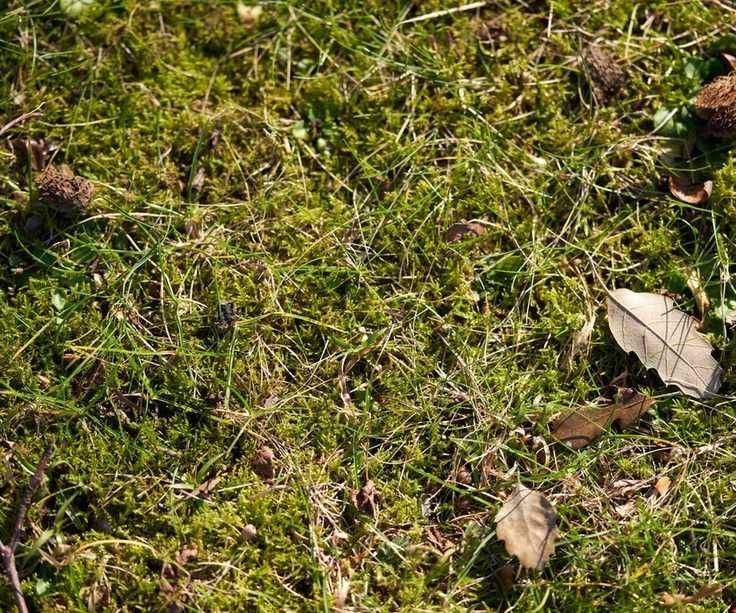
Moss can proliferate quickly in lawns
6 strategies for eliminating moss in your lawn
Here are some expert-backed techniques to ensure your lawn stays moss-free.
1. Address the shade issue

Some grass types thrive better in shady spots
Moss frequently flourishes in lawns that receive limited sunlight or have poor drainage due to soil compaction. The first step is to assess why moss is developing and make necessary adjustments.
If shade is the culprit, improving light penetration can make a significant difference. This could involve trimming back surrounding trees or hedges.
Alternatively, consider re-seeding shaded areas with grasses designed for low-light conditions. Varieties such as perennial ryegrass and red fescue can outcompete moss more effectively.
Dense Shade Grass Seed Mix
A combination of Tall Fescue and Fine Fescue, suited for shaded areas needing only two to six hours of sunlight.
2. Aerate and scarify
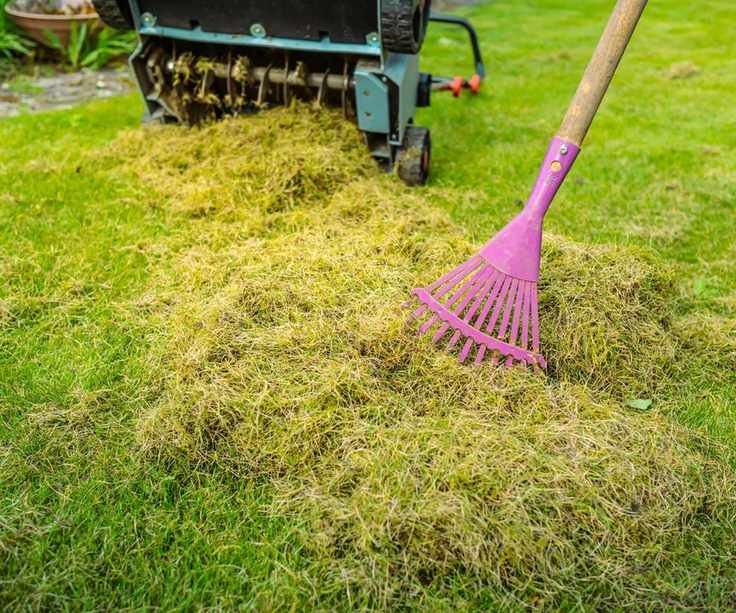
Scarifying is vital for maintaining a healthy lawn
If excessive moisture or insufficient aeration are problematic, consider aerating and scarifying your lawn, particularly in late winter. Scarifying removes dead material, promoting better airflow to roots. Aeration alleviates compaction, allowing grass to flourish while discouraging moss growth.
Utilizing a Gardzen aerator from Amazon works well for smaller lawns, while larger areas may benefit from renting a mechanical aerator.
Top dressing with quality lawn soil post-aeration can further improve conditions and may reduce the need for additional measures. Annual aeration is recommended.
Applying fertilizer in late winter also promotes vigorous grass growth, enhancing competition against moss.
3. Utilize a moss killer

Moss killer can target stubborn patches
While a chemical moss killer offers a quick fix, it may leave your lawn looking unkempt temporarily. Always adhere to package instructions to protect your grass. Some products may require watering after application.
Once the moss has died, rake it out and compost it. Mixing it with other materials can expedite decomposition.
After clearing moss and weeds, overseeding any bare spots is advisable. Spring is a favorable time for this, provided you monitor for weeds and water the area if rainfall is insufficient. Early fall is also suitable for overseeding, especially in shaded regions, where shade-tolerant grass mixtures are beneficial.
Liquid Lawn Moss Killer
This fast-acting herbicide eliminates moss within hours and can be applied using a sprayer or watering can.
Granular Lawn Moss Killer
Granular formulation to be applied with a spreader during active moss growth in winter or spring.
Push Spreader
Holds up to 15,000 square feet of product, ideal for spreading seed, fertilizer, or granular moss killer.
4. Create a DIY moss killer with soap

Dish soap can be an effective and affordable solution
For a cost-effective alternative, some specialists recommend dish soap as a moss killer.
Mix dish soap with water and apply it to the affected areas with a spray bottle. Within a couple of days, the moss will turn brown and become easy to rake out.
This simple solution uses a common kitchen ingredient and can take care of the issue within a day.
Baking soda is another DIY option; simply mix two gallons of water with a small box of the powder.
5. Assess and enhance drainage
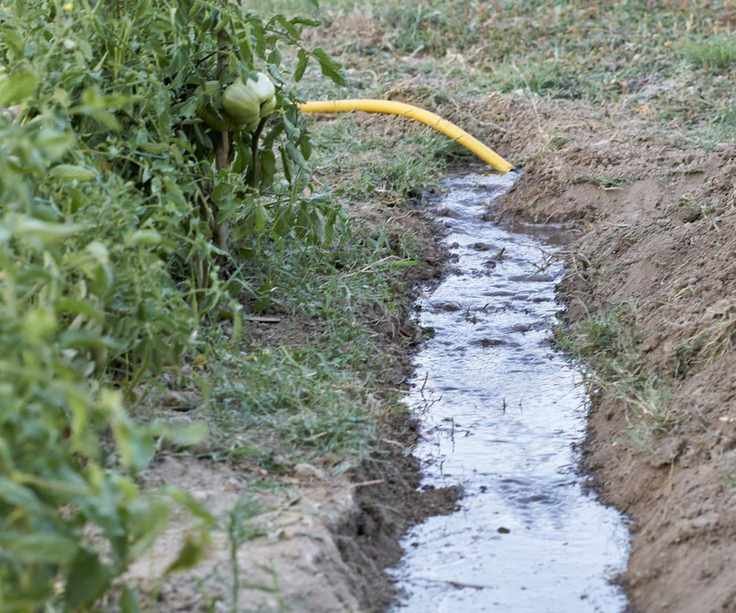
A French drain can improve drainage in clay soil
Moss thrives in damp, poorly drained lawns. Improving drainage through aeration, adding organic matter like compost, or resolving grading issues can help mitigate moss growth.
For heavy clay soils, installing a French drain can redirect excess water from saturated areas to drier parts of your yard.
6. Evaluate soil quality

Feeding your lawn promotes grass growth
Adequate soil health is crucial for thriving plants, including grass. If your lawn has nutrient-poor soil, it may lead to increased moss growth.
Acidic soil often leads to poor grass performance. Testing your soil's pH with a soil test kit can provide insights. Applying lime can raise pH when necessary. Regular testing helps ensure optimal nutrient levels and indicates when to enhance soil nutrients with suitable fertilizers.
Essential tools for moss removal
Fly Hawn garden rake
This durable aluminum rake is adjustable, making it versatile for various gardening tasks.
Plastic spray bottle
A 24-ounce spray bottle ideal for various liquids, featuring an adjustable nozzle for different spray patterns.
Scotts Turf Builder grass seed
This shade-tolerant seed mix can grow with a minimum of three hours of sunlight.
Addressing common questions
Is it necessary to remove moss from lawns?
A pristine lawn is a goal for many, yet moss can offer benefits that are often overlooked.
In areas where grass struggles to grow, moss provides a soft, lush alternative that looks appealing year-round. It can serve as a landscaping option, particularly in Japanese gardens.
Moss doesn't require mowing and is less thirsty, which significantly reduces maintenance efforts. It's also beneficial for wildlife gardens.
How to manage moss in winter?
Winter can be harsh on lawns, allowing moss to spread in compacted areas where grass growth has stalled. It's often best to leave it untreated until spring to avoid further damage from foot traffic, especially in wet or frozen conditions.
Implementing effective spring lawn care practices, such as regular mowing, proper watering, fertilizing, and overseeding as needed, can help prevent moss from becoming an issue and maintain a vibrant lawn throughout the summer.