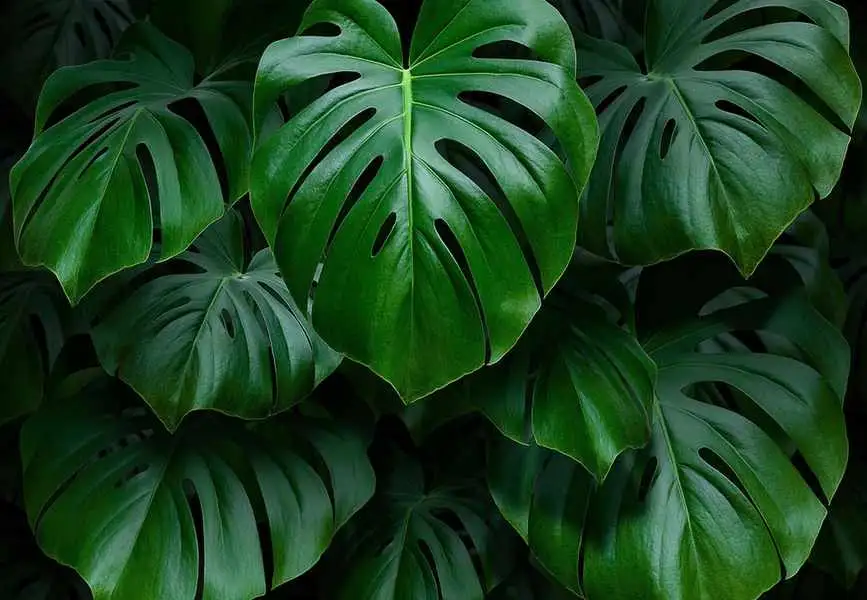
Notice your monstera looking a little sad and droopy? This beloved houseplant, famous for its Swiss cheese-like leaves, can run into a few common issues — but drooping is usually fixable. Here are the top five causes, according to plant pros, and exactly what to do about each one.
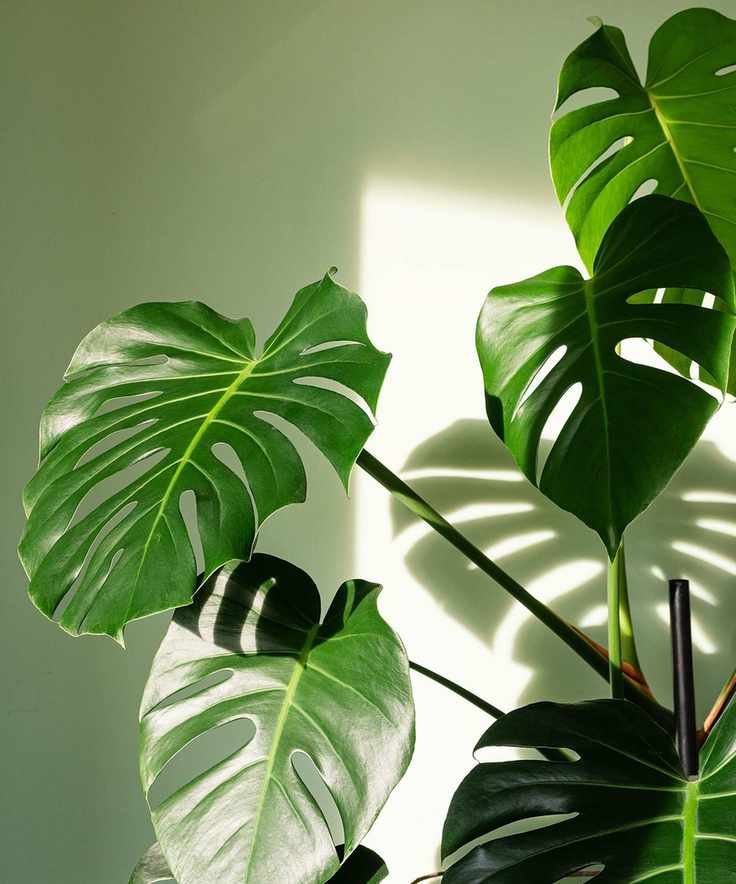
5 Reasons Your Monstera Might Be Drooping
Keep an eye out for these key problems.

1. Underwatering
This is the most frequent culprit.
Camille Cimino, owner of the landscape design firm Nature Of Things, reminds us that monsteras are tropical plants at heart. 'Picture a jungle: there's sun, but not bright direct light like a desert. It never gets really cold. And it's a moist, humid environment. That's what a monstera wants. Drooping leaves are most likely a sign that there's not enough water.'
Diagnosis is simple: 'If the soil feels dry, that's a sure sign. Brown, brittle leaf tips are another clue.' A houseplant moisture meter can help you know when it's time to water.
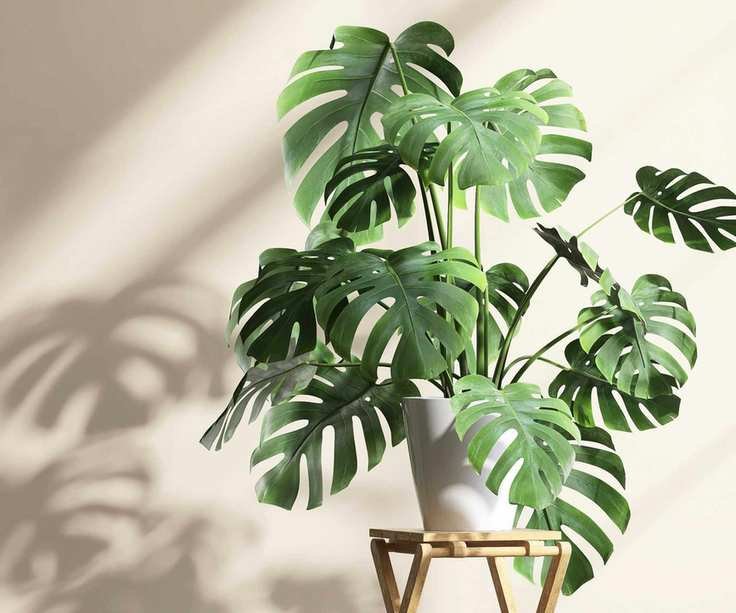

Camille Cimino is the owner of Los Angeles-based landscape design company Nature Of Things.
2. Not Enough Light
Low light is another common reason for drooping, but the symptoms differ from underwatering. Cimino notes that leaves may turn yellow, and the plant often fails to develop its signature split leaves. If the foliage is both solid and yellowing, insufficient daylight is likely the issue.

3. Overwatering
Too much water is just as bad as too little. If your monstera's leaves are yellow but still have the characteristic holes, overwatering is probably the cause. Cimino says, 'Check the bottom of the pot. If the drip tray is full of standing water, you've got too much.' The fix: stop watering for at least two weeks. Jen Stearns, founder of Urban Sprouts, adds that monsteras like to dry out between waterings, so don't give in to the urge to water too often.
4. Rootbound
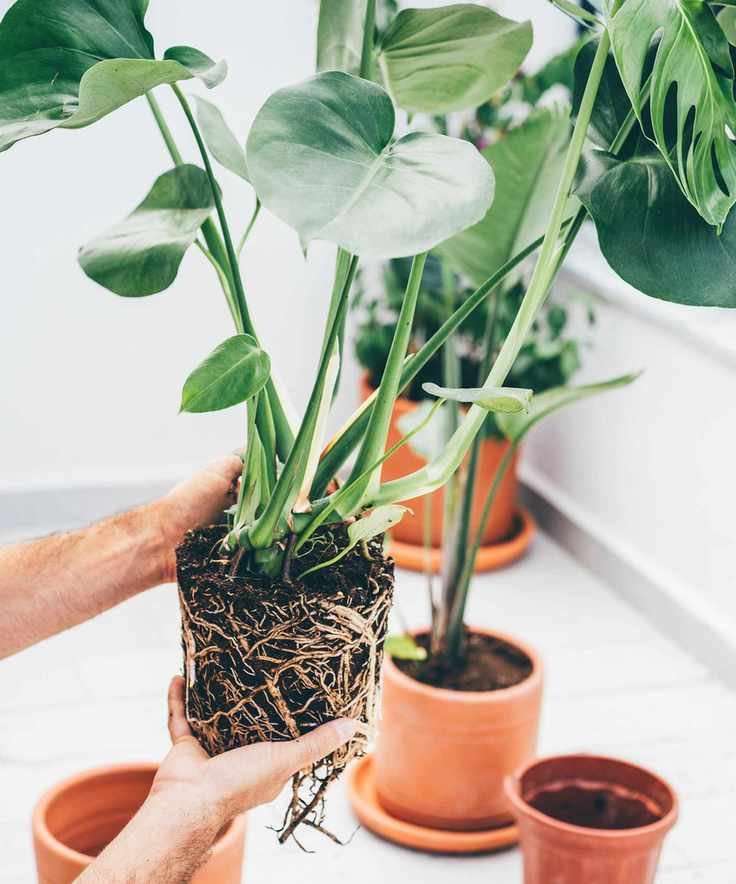
This often-overlooked issue happens when the plant outgrows its pot. Monsteras are tree climbers in the wild, says Stearns, so they develop aggressive root systems. In a pot, those roots can become bound, struggling to get oxygen, nutrients, and moisture. If your monstera looks healthy but roots are poking out the bottom of the pot, it's time to repot or give it a moss pole. Stearns explains that mounting it on a pole redirects energy from soil roots to aerial roots that climb.

Jen Stearns is the founder of plant shop and clinic Urban Sprouts in Renton, Seattle.
5. Root Rot
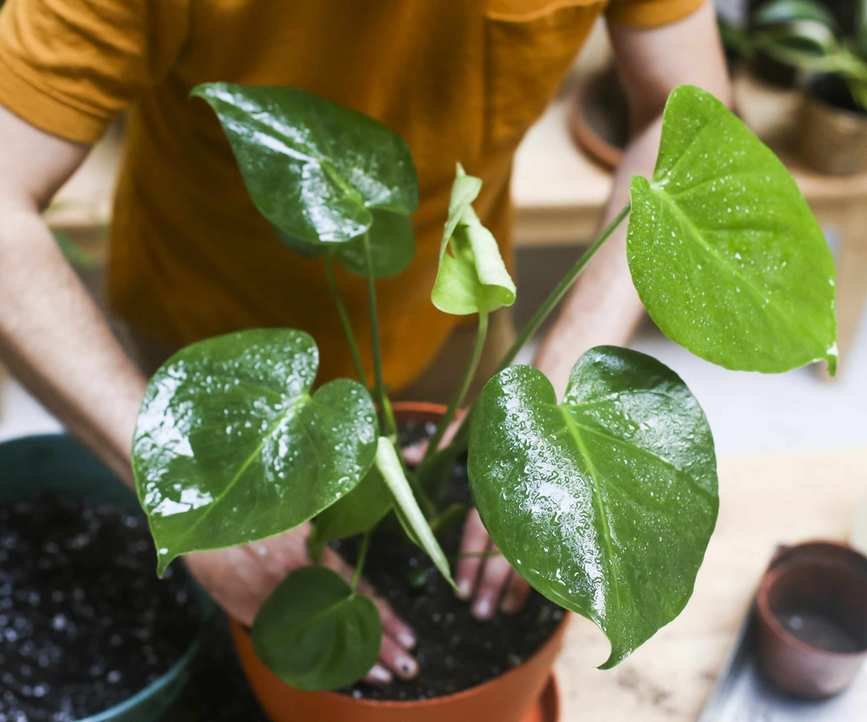
Less common but serious, root rot results from consistent overwatering over weeks or months. Signs include soggy soil, fungus gnats, and drooping leaves. To save your plant, remove the decayed roots and repot into a container one to two inches larger than the root ball.
FAQs
How to Clean Monstera Leaves
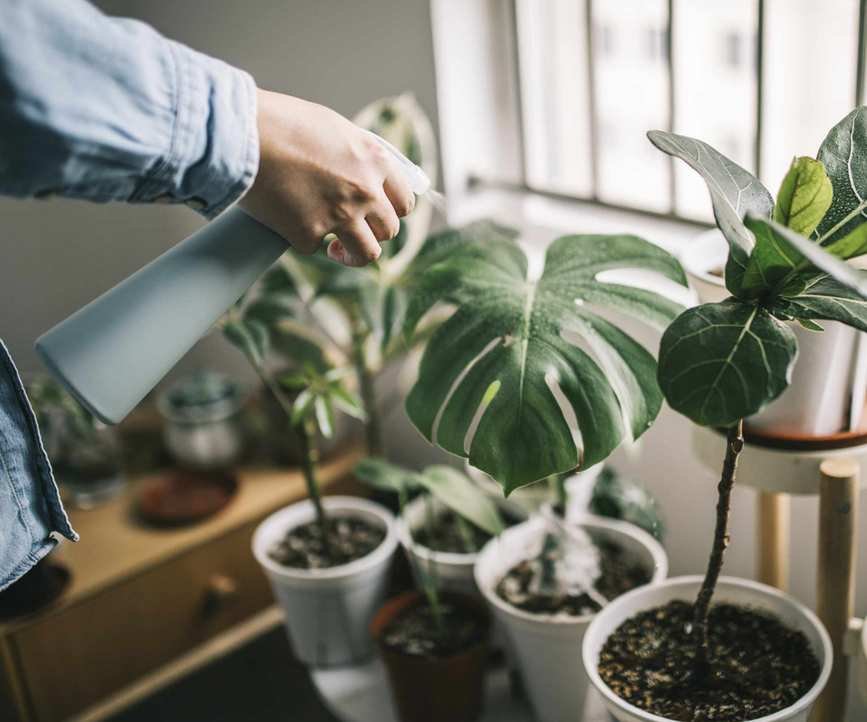
For smooth, shiny leaves like monstera's, simply wipe them with a damp microfiber cloth or non-scratchy sponge. Support the leaf underneath to avoid snapping it off.
Monsteras are a stunning addition to any indoor garden — their dramatic, split leaves are hard to beat. With this guide, you can keep yours perky and healthy.