Planning a trip to Thailand can be daunting, especially for first-time visitors to Southeast Asia. Fortunately, having spent winters here, I can help make the logistics easier. Below, I’ve compiled answers to common questions about travel insurance, eSIM cards, transportation, and more, so you can focus on enjoying your adventure.
For additional insights, explore my Thailand travel guide as well as detailed posts on must-see activities in
This post contains affiliate links. If you make a purchase, I earn a small commission at no cost to you, which supports this blog.
When's the Ideal Time to Visit Thailand?
Thailand remains hot throughout the year, even during the “cool” season. The rainy season spans May to October, typically bringing only light daily rain. However, occasional heavy showers can happen, so carry an umbrella. Personally, I favor the rainy season for its rich greenery, though recent climate changes have led to heavier rainfall.
Avoid the burning season near Chiang Mai starting in February/March, when air quality can be extremely poor. This condition persists through April and sometimes into May.
The months of March to May are scorching across the nation, so steer clear of traveling then if you can. The peak tourist season runs from November to February when temperatures are milder (low 80s Fahrenheit in the north) and prices rise significantly. Mid-April's water festival (Songkran) also draws large crowds, so book accommodations early. I particularly enjoy visiting in October and early November when the landscape is still vibrant from the rains. By January, temperatures are cooler, but many trees have shed their leaves.
What’s the Top eSIM Card for Thailand?
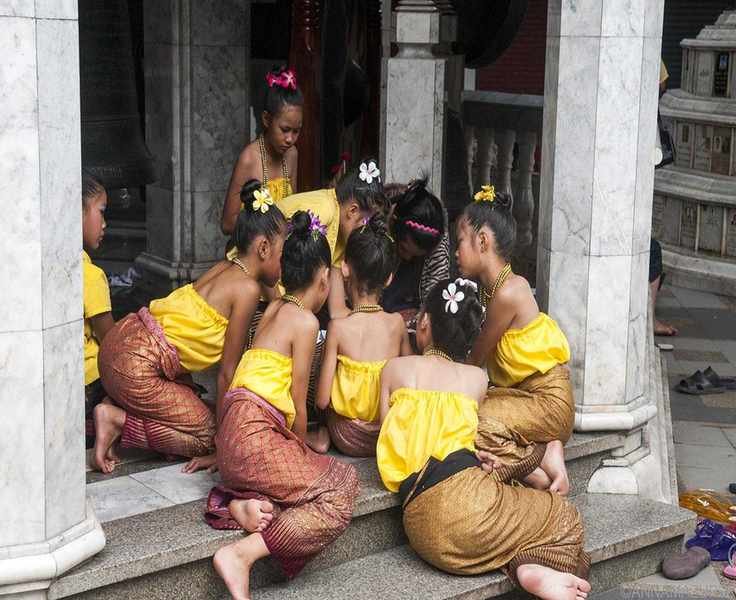 Wat Phra That Doi Suthep, Chiang Mai
The simplest option is to purchase a Thailand-specific eSIM card from Airalo that activates as soon as you arrive. If you plan to visit several Southeast Asian countries briefly, consider one of the Asia Regional eSIMs, though
country-specific eSIMs are often more affordable.
Both options have worked well for me and include mobile hotspot support, which is essential for remote work.
For more details on my experience, read my Southeast Asia Airalo review. You can save 10% using code
If you’re staying for a month or longer in Thailand, visit an AIS store to buy a local SIM or eSIM card for the best deal. (AIS is Thailand’s largest mobile network provider.)
Is Travel Medical Insurance Necessary for Thailand?
Absolutely, travel medical insurance is crucial for any international trip, including Thailand, to cover medical emergencies and travel disruptions like lost luggage or delays.
I rely on SafetyWing’s Nomad Insurance, which offers
$0 deductible travel medical insurance for over 180 countries for travelers aged 69 and under outside their home country. The cost is just a few dollars daily, allowing you to visit any hospital or doctor.
Additional benefits of Nomad Insurance include coverage for
lost checked luggage, travel delays exceeding 12 hours, motor accidents (with the proper license, safety gear, and sobriety) and injuries sustained during sports or leisure activities. You can also add coverage for adventure sports, electronics theft, and U.S. coverage (for non-residents).
If you're abroad for 90 days, the policy covers 30 days of home-country coverage (15 days for U.S. residents). For more details on my experience in Southeast Asia, check out my SafetyWing Review.
Transportation Tips & Logistics in Thailand
What’s the Best Way to Travel Around Thailand?
Long-Distance Trains
Long-distance trains in Thailand are decent but often delayed by at least 30 minutes to a couple of hours. Sleeper trains are older but quite comfortable and among my favorite travel methods. Always opt for the bottom bunk for more space—top bunks can be quite chilly due to air conditioning. Book tickets directly at the train station or through 12go.asia. Bottom bunks can sell out, so aim to book a day or two in advance.
Buses
Buses tend to be more reliable than trains. Always choose second-class buses over VIP tourist buses, as they cost half as much and are generally more pleasant. (VIP buses often play loud music throughout the night and can be targets for theft since they attract tourists. I've heard stories of bus staff rummaging through bags on routes from the beaches.) Second-class buses primarily serve locals and feel safer. They also have air conditioning and restrooms.
Budget Airlines
While buses are the most economical choice, budget airlines like AirAsia and VietJet offer fantastic deals for domestic and international flights, especially if you travel light. Most budget carriers operate from Bangkok’s Don Mueang International Airport (DMK).
I flew VietJet recently and had a pleasant experience. With just a carry-on, I found it convenient. When I have more luggage, I prefer Thai Airways, which operates from Suvarnabhumi Airport (BKK), where most long-haul flights depart.
Tuk Tuks
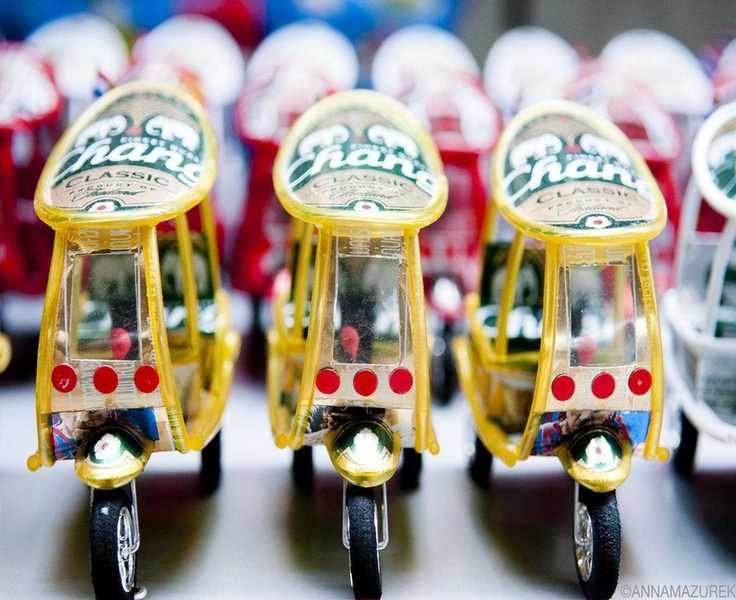
Tuk tuks (auto rickshaws) can be overpriced in Bangkok and Chiang Mai. Always use a taxi in Bangkok—it's significantly cheaper when paying by meter than the inflated flat rates of tuk tuks. In other regions of the country, tuk tuks may be more reasonably priced. Always negotiate fares beforehand. You can use rideshare app rates as a reference during negotiations.
Rideshares
Grab is the Southeast Asian equivalent of Uber and
is the most dependable rideshare app. You can even schedule pickups in advance, which is handy for airport transfers. Other apps like Maxim are slightly cheaper but can be glitchy, while Bolt is available but less reliable.
Can You Use Credit Cards in Thailand?
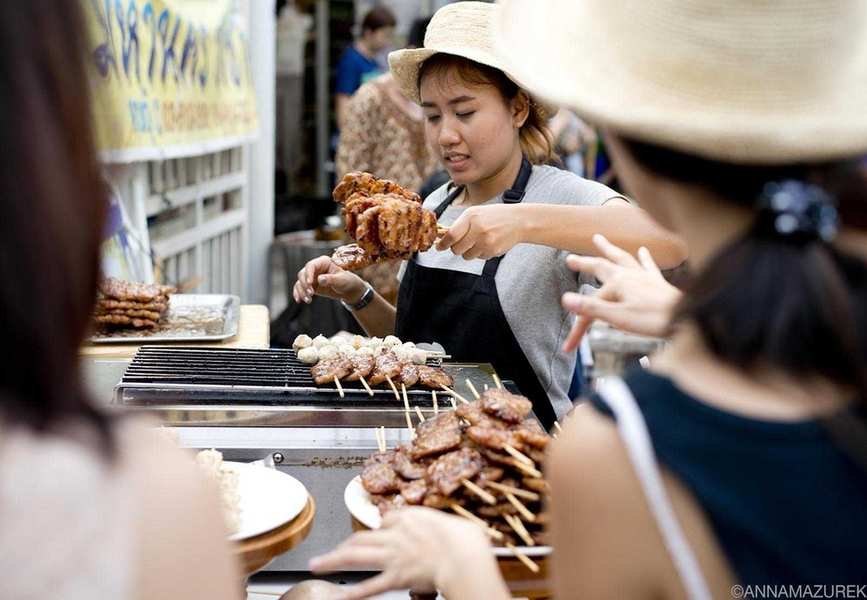 Be sure to carry cash for street vendors and markets in Thailand.
While credit cards are accepted in many urban areas, it remains a cash-driven society. Always keep some cash available. Some establishments may impose a 3% fee for credit card transactions or require a minimum purchase amount (300 THB/$9 USD), which is often higher than the average meal cost. Most places offer QR code payments, but you’ll need a local bank account for that.
If you're bringing cash for exchange, you’ll find better rates in towns than at the airport. All ATMs in Thailand now charge fees for withdrawals. To avoid these charges, open a fee-free travel bank account before your trip, which can save you a lot of money. For more details, check out my post on Travel Banking 101.
What Should You Wear in Thailand?
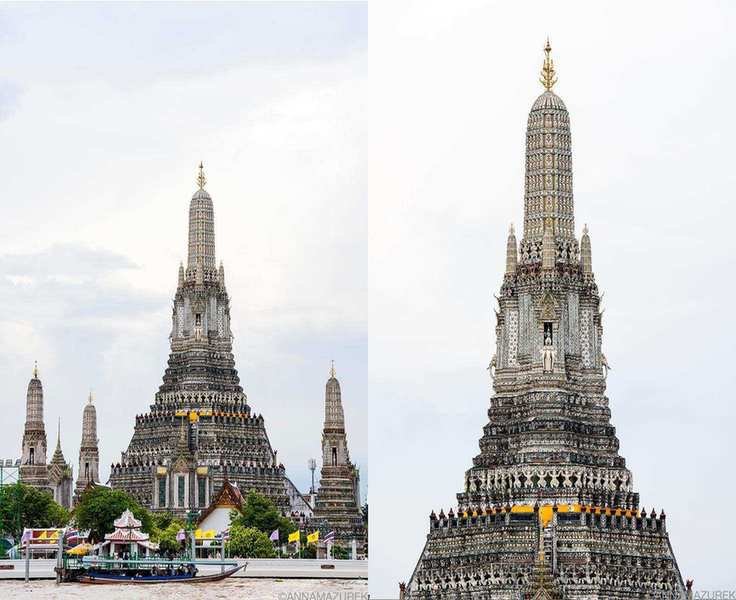
Thailand has a conservative culture, so ensure you cover your knees and shoulders in temples! Many temples in Bangkok require long pants and long sleeves, and they may provide rental clothing for those not dressed suitably. Always show respect. Normal shorts are acceptable in Bangkok and Chiang Mai, while beach attire is fine in southern Thailand.