
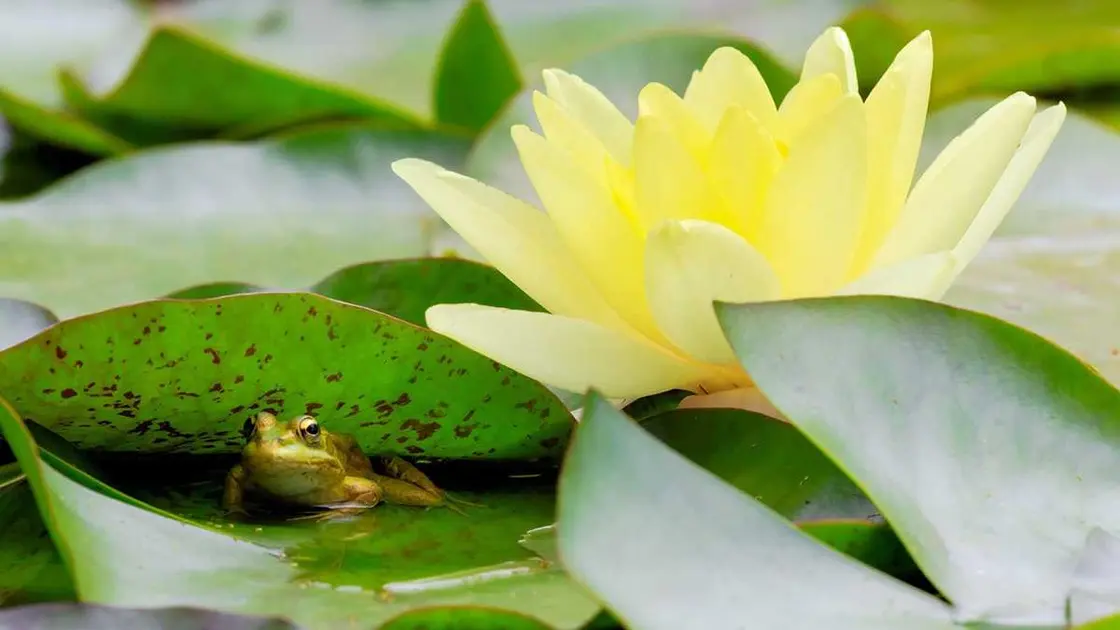
A wildlife pond offers an essential habitat for various creatures, making your outdoor area vibrant and eco-friendly. If you're interested in enhancing your garden with life, this project is worth your time.
Adding a pond to your wildlife garden can draw in frogs, newts, and other amphibians, while also welcoming butterflies, hummingbirds, and dragonflies. Wildlife expert Ben Team notes, 'These ponds significantly support biodiversity and help maintain healthy wildlife populations.' They are easier to create than you might think.
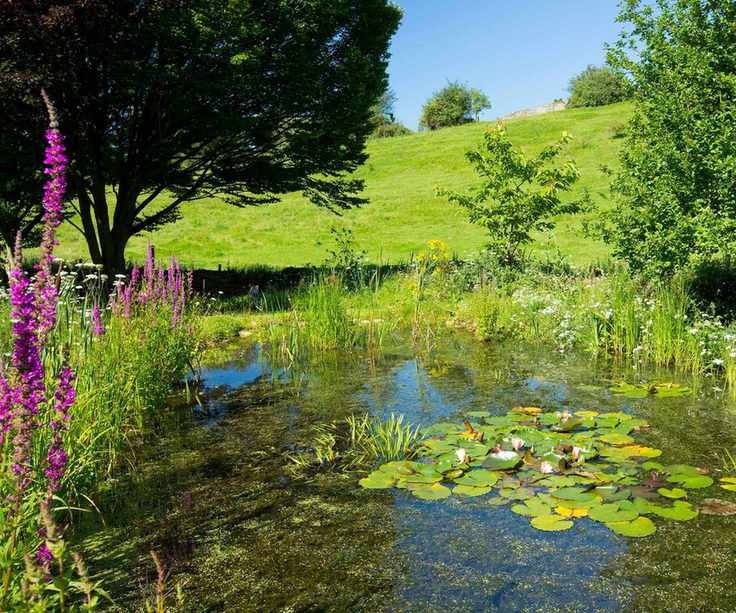
Wildlife ponds greatly benefit small animals
Steps to Build a Wildlife Pond
Wildlife specialists share their best insights on constructing these backyard water features.
Selecting the Right Location
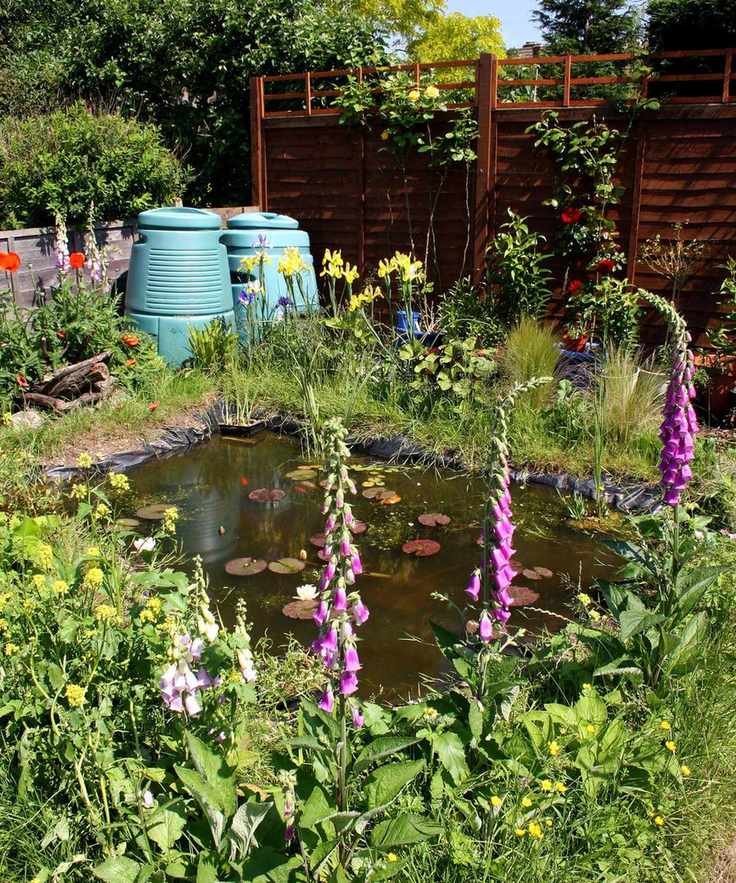
Assess the sunlight exposure your pond will receive
Choosing the right spot for your wildlife pond is crucial. Many wonder whether a sunny or shaded area is better.
Wildlife expert and co-host of Mutual of Omaha's Wild Kingdom, Peter Gros, suggests finding a location that offers both sun and shade, allowing wildlife to soak up warmth and seek refuge from heat.
Tommy Wylde, another wildlife expert, concurs, noting that too much sunlight can cause algae growth, whereas excessive shade can hinder plant development. Placing your pond away from large trees is wise to minimize leaf litter and root interference.
If you have children, ensure your pond is safely surrounded by a backyard fence to prevent accidents.
Determining the Size
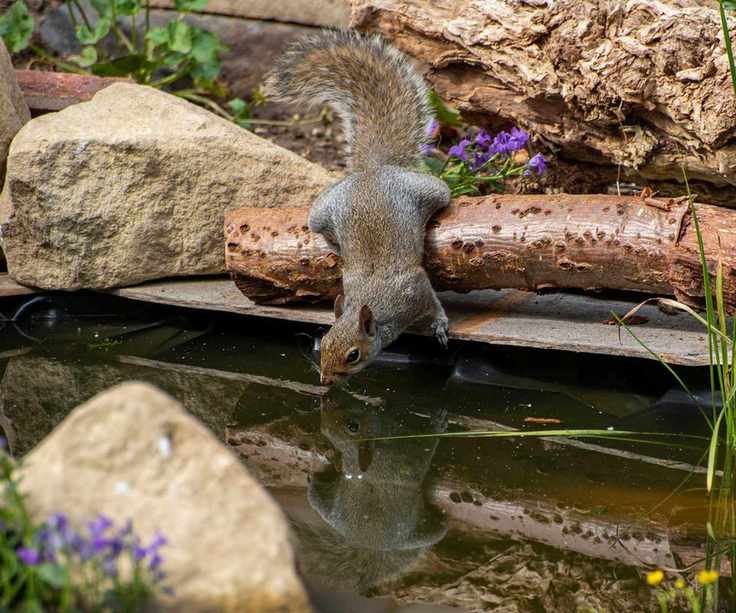
Even small ponds can attract wildlife
According to Ben, pond size significantly influences the types of species that visit. 'Larger ponds can draw various turtles and aquatic snakes, while smaller ones tend to attract frogs and small birds,' he explains.
Regardless of the dimensions, varied depths are beneficial. A shallow area allows birds and insects easy access to water, while a deeper section (at least two feet) is vital for aquatic life during winter. Gradually sloping edges are preferable, as Peter suggests.
Pro tip: If space is limited in your small garden, consider constructing a mini pond. A simple frost-proof basin or bucket with aquatic plants and stones can still attract local wildlife.
Constructing Your Pond
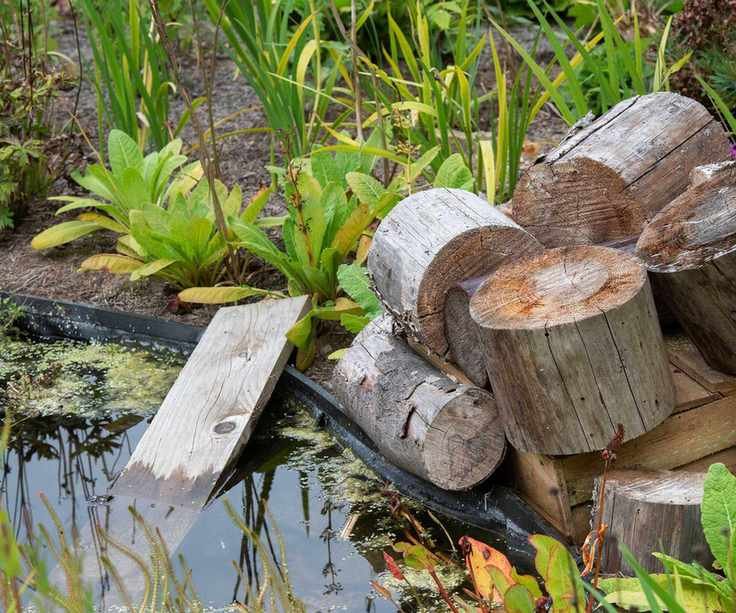
Allow safe entry and exit points for animals
Once you've settled on a location and size, it's time to construct your pond.
Tommy recommends using a flexible rubber liner for long-lasting results. 'Make sure it's sufficiently large to cover the pond area plus some extra for securing the edges,' he adds. Alternatively, natural clay can sometimes be used, although it's not always available.
Consider using this Firestone pond liner from Amazon, which boasts over 600 five-star reviews. Pre-molded pond liners are also available at garden centers and can be sunk into the ground.
To enhance your pond for visiting wildlife, add small-to-medium rocks or logs to create a realistic underwater environment and provide shelter, suggests Peter.
Also consider the surrounding area. Tommy advises incorporating elements like log piles or a rockery for coverage and aesthetics, while improving small animals' access to water.
Watering Your Pond

Dragonflies are one of many insects attracted to your pond
Water is essential for a pond, but avoid using tap water, as it may introduce chemicals or unwanted nutrients, warns Tommy. Instead, he suggests using collected rainwater.
Consider installing a rain barrel if you haven't already; it's a sustainable addition to your garden, and you can use its contents to replenish your pond as needed.
Selecting Aquatic Plants
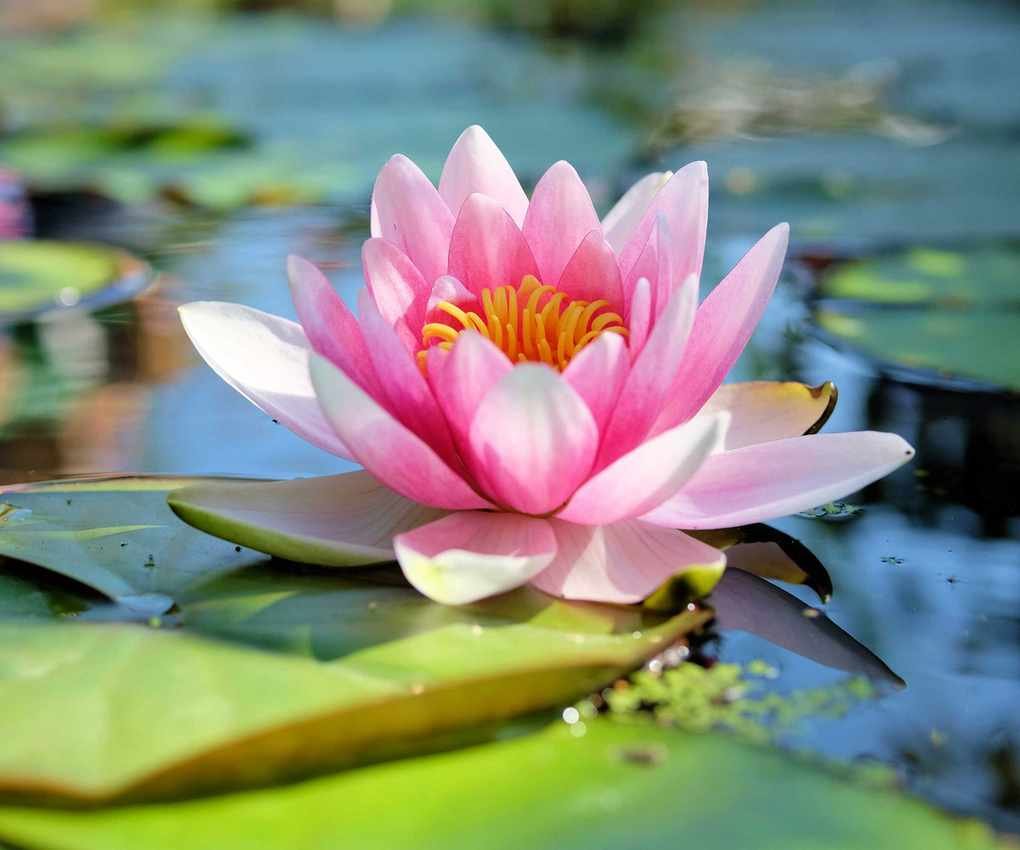
Waterlilies are a favored choice
Choosing the right pond plants is vital for a successful wildlife pond, as they help control algae and provide shelter for various creatures, while also enhancing the visual appeal of your space.
Tommy suggests a combination of submerged (oxygenators), floating, and marginal plants. 'Native species are ideal for drawing in local wildlife,' he adds. 'Select plants that bloom at different times to ensure year-round resources.'
Consider popular options like water lilies for their stunning flowers—opt for hardier varieties if you're in a cooler region. For attracting hummingbirds, consider planting cardinal flowers from Nature Hills around the pond. Blue flag irises, also from Nature Hills, and variegated cattails are other attractive choices.
As with any garden plants, check that the US hardiness zone matches your selections before purchasing. Be mindful of invasive species in your area, such as Brazilian waterweed (Egeria densa) and hydrilla (Hydrilla verticillate) in southern regions. Always verify before adding anything to your pond or garden.
Common Questions
How Many Plants Should Your Wildlife Pond Contain?
While it may be tempting to fill your pond, moderation is essential. Tommy notes that overplanting can lead to oxygen depletion and decrease your pond's aesthetic appeal.
It's generally recommended to cover about half of your pond's surface with plants. Regular maintenance, such as thinning out fast-growing plants, might be necessary. Floating baskets and pond plant potting media from Aquascape can assist in managing some species.
To control excessive algae, scoop it out with a net and leave it nearby so small creatures can safely return to the water.
Should You Introduce Fish?
While fish can be appealing, they may attract herons and other birds, warns Ben.
Fish also feed on many insects and amphibians, including tadpoles, potentially reducing your pond's diversity. Additionally, they can contribute to algae growth.
When Is the Best Time to Create a Wildlife Pond?
Spring is an ideal season for starting this landscaping project, as the ground is easily workable and can naturally fill with rain. Once the water warms, introduce your pond plants.
Don't forget to place seating near your pond to relax and enjoy the wildlife activity. If you're seeking ideas for creating a stylish outdoor seating area, we have plenty of options available.
If you want to further enhance your backyard's appeal, check out our guides on building a bug hotel and creating natural bird feeders for more inspiration.



