
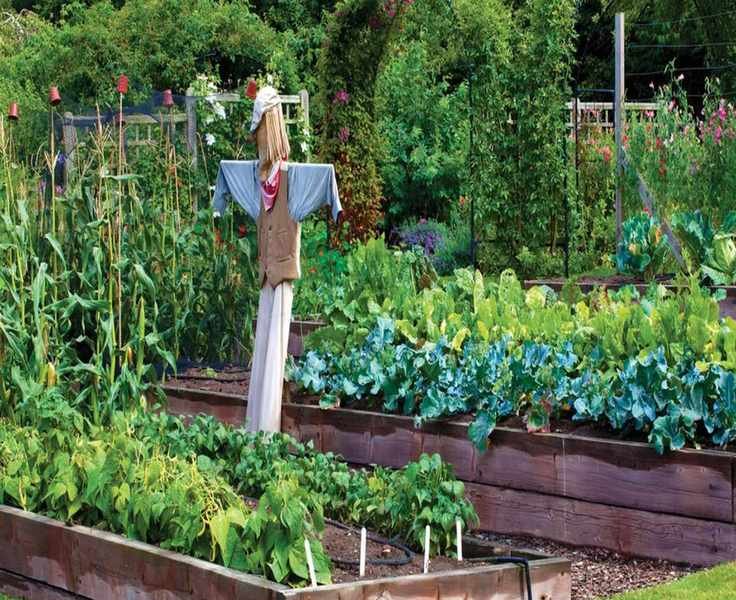
Crop rotation is a powerful method for enhancing soil vitality and managing pests naturally.
The primary goal of crop rotation is to maximize vegetable yields in your garden. This technique involves alternating crops in various beds each year.
While this practice is beneficial, it may not be necessary for every gardening situation.
Getting Started with Crop Rotation
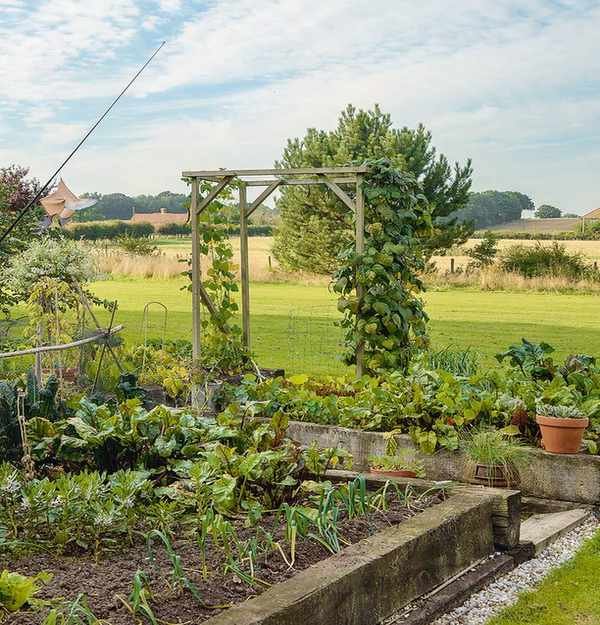
Crop rotation plays a crucial role in pest management and soil upkeep. It's particularly advantageous when growing annual vegetables, suitable for gardens of all sizes.
“Many gardeners feel overwhelmed by crop rotation,” explains an expert. “With numerous diagrams in books, it’s hard to know which one to follow or why it matters.” He emphasizes that there’s no single correct rotation method.
A popular option is a four-year crop rotation system, utilizing green manures like rye, vetch, and clover during winter months when the soil is bare.
Choosing Crops for Rotation
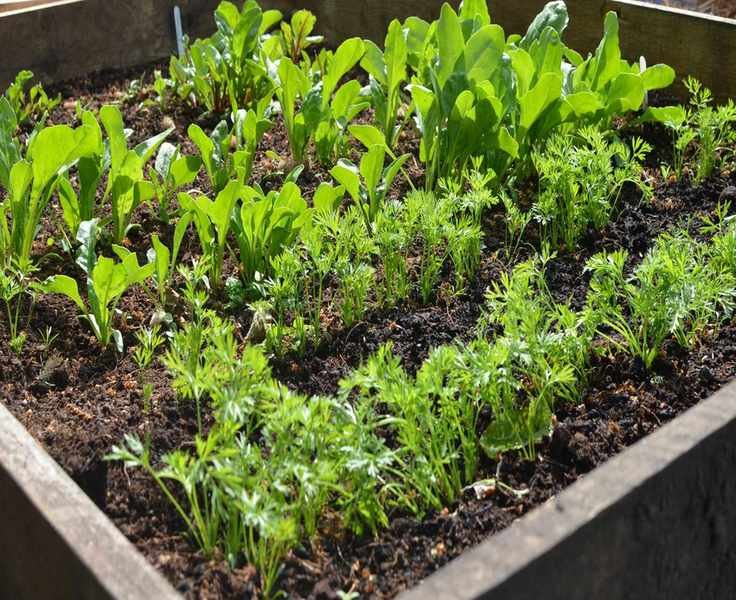
Not every crop needs to be included in rotations. Here are the five primary categories:
- Alliums: onions, shallots, garlic, leeks, spring onions
- Legumes: includes peas, beans, clover, and vetch
- Brassicas: such as cabbage, kale, radish, rutabaga, brussels sprouts
- Umbellifers: including carrots, parsnips, celery, celeriac
- Nightshades: such as potatoes, tomatoes, eggplants
Understanding which category your vegetables fall into can guide your rotation planning effectively.
Legumes, or the fabaceae family, are remarkable nitrogen-fixers. They host bacteria that convert atmospheric nitrogen into a usable form for plants, supporting soil health.
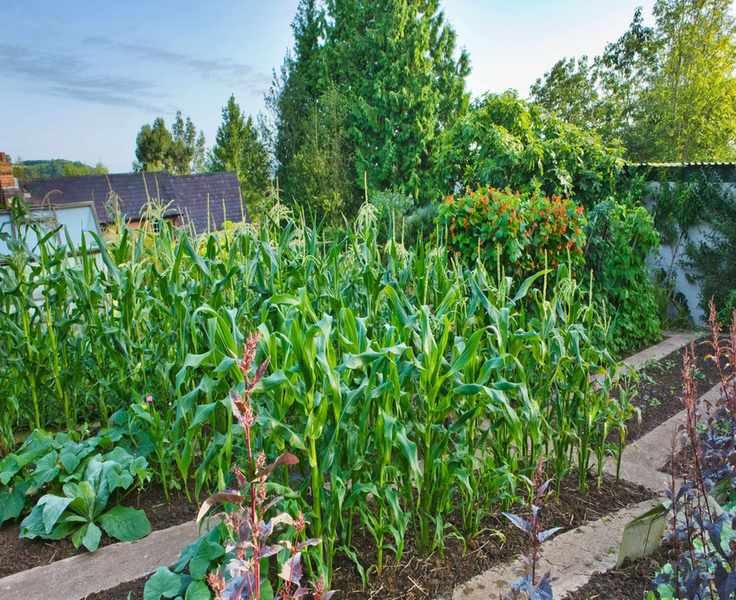
Some crops, like zucchini and sweet corn, don’t require rotational strategies. They can be planted wherever it suits you, as long as they're not overused in the same spot.
Utilizing crop rotation can greatly reduce pests and diseases while enriching soil nutrients, making it a fantastic sustainable gardening strategy.
Managing Pests and Diseases through Rotation

Pests and diseases often survive in the soil. Insects like flea beetles and slugs can overwinter, so planting favored crops in the same area can lead to infestations.
By rotating crops, you can disrupt this cycle and minimize pest recurrence, making it a natural pest control method for a wildlife-friendly garden.
Soil-borne diseases, such as white rot affecting alliums, can be starved out by ensuring their host plants aren't grown consecutively.
In addition to crop rotation, companion planting can deter pests and attract beneficial insects.
Enhancing Soil Nutrients with Rotation
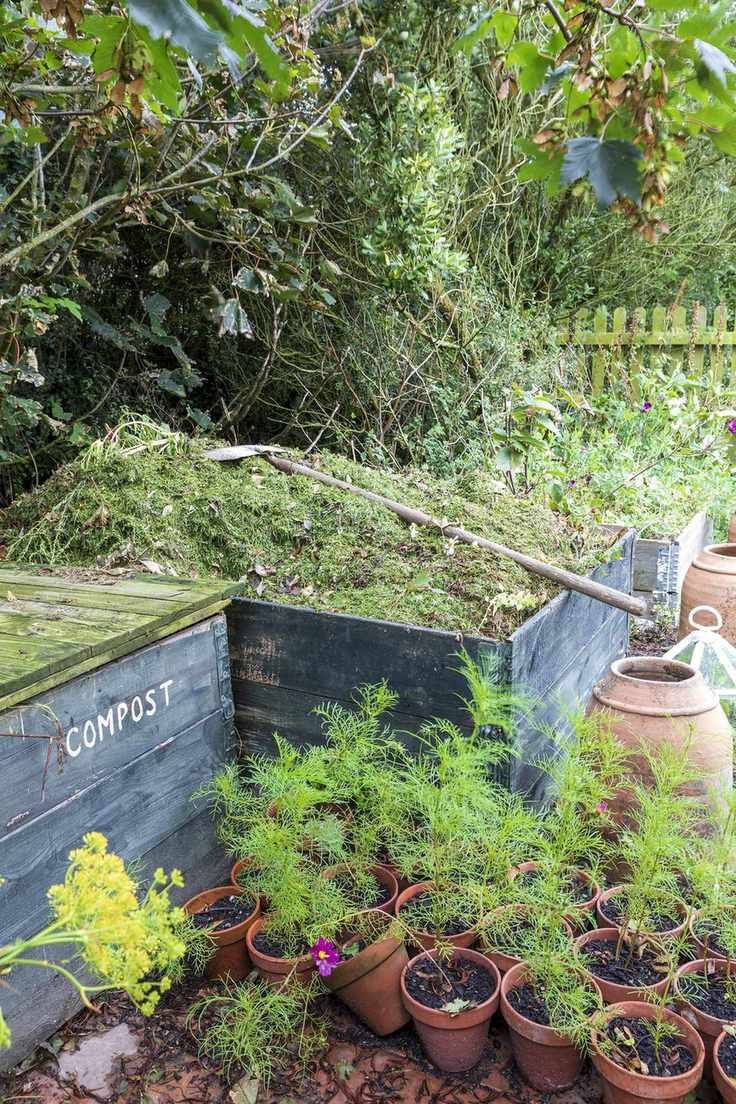
Legumes are crucial for fixing nitrogen in the soil. Vegetables require substantial nitrogen for healthy growth, and relying on chemical fertilizers can lead to soil degradation over time.
Maintaining healthy soil goes beyond crop rotation. It's essential to minimize soil disturbance, adopt no-dig practices, and enrich the soil with organic matter like homemade compost.
Is Crop Rotation Mandatory?
“I avoid rigid rotation plans in my polyculture beds, regularly mulching around crops,” shares a gardening enthusiast. “I tend to mix crops, which helps prevent nutrient depletion and over-concentration.”
How Frequently Should I Rotate Crops?
Deciding how often to rotate crops is a personal choice. The typical pattern is a four-year rotation, which allows ample time to combat pests and enrich the soil.
Alternatively, a three-year rotation is suitable for smaller plots, providing a simpler approach.
A four-year rotation pattern is generally preferred as it optimizes pest management and nitrogen replenishment.

Understanding the Four-Year Rotation
The four-year rotation system addresses common crop issues while ensuring nitrogen-fixing crops are included to restore soil nutrients.
This rotation spans four years, utilizing different sections for planting. Alliums and umbellifers can be planted together, while the rotation cycles through legumes, brassicas, and nightshades.
Here’s a simplified overview of a four-year rotation:
Year 1
Bed 1: Legumes
Bed 2: Brassicas
Bed 3: Nightshades
Bed 4: Alliums and Umbellifers
Year 2
Bed 1: Brassicas
Bed 2: Nightshades
Bed 3: Alliums and Umbellifers
Bed 4: Legumes
Year 3
Bed 1: Nightshades
Bed 2: Alliums and Umbellifers
Bed 3: Legumes
Bed 4: Brassicas
Year 4
Bed 1: Alliums and Umbellifers
Bed 2: Legumes
Bed 3: Brassicas
Bed 4: Nightshades
In essence, brassicas follow legumes, nightshades follow brassicas, while alliums and umbellifers follow nightshades, continuing the cycle across your beds.
Exploring the Three-Year Rotation
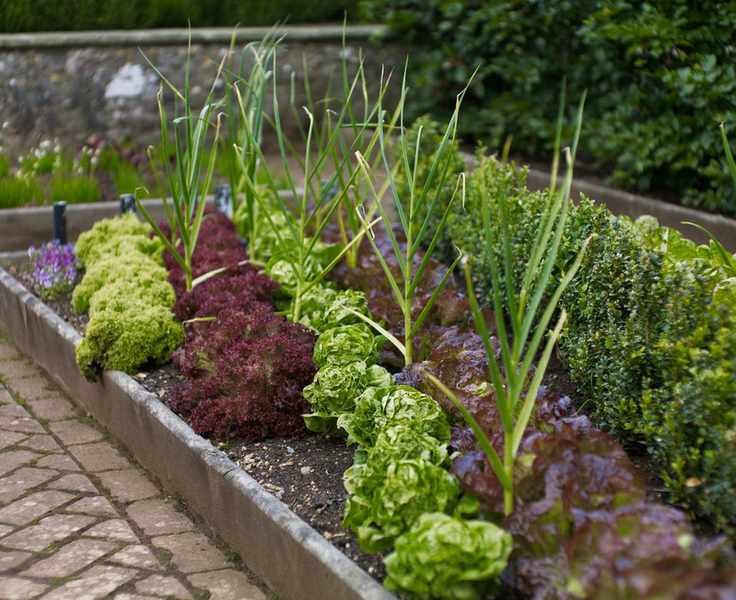
The three-year crop rotation method pairs legumes with alliums and umbellifers. This simpler approach is ideal for smaller gardens and those new to the practice.
A sample three-year rotation might look like this:
Year 1
Bed 1: Legumes, Alliums, and Umbellifers
Bed 2: Brassicas
Bed 3: Nightshades
Year 2
Bed 1: Brassicas
Bed 2: Nightshades
Bed 3: Legumes, Alliums, and Umbellifers
Year 3
Bed 1: Nightshades
Bed 2: Legumes, Alliums, and Umbellifers
Bed 3: Brassicas
Implementing crop rotation not only supports bigger and healthier vegetable yields but also contributes positively to the environment by maintaining soil health and controlling pests naturally.
Many of the easiest vegetables to grow can be integrated into crop rotation, making it a win-win for your garden.



