
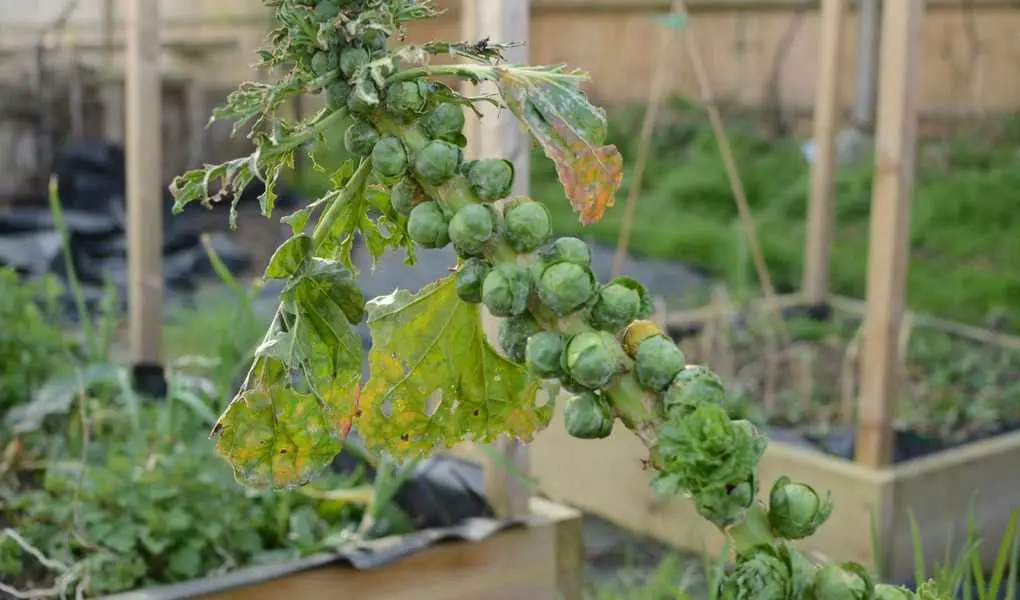
Once you learn to cultivate Brussels sprouts, they can provide a delightful harvest for many months.
Whether you love them or not, homegrown Brussels sprouts offer impressive health benefits. Packed with fiber, vitamin K, and vitamin C, these green gems can be roasted, steamed, or enjoyed raw in salads.
Brussels sprouts thrive throughout winter, making them an excellent choice for your vegetable garden plans.
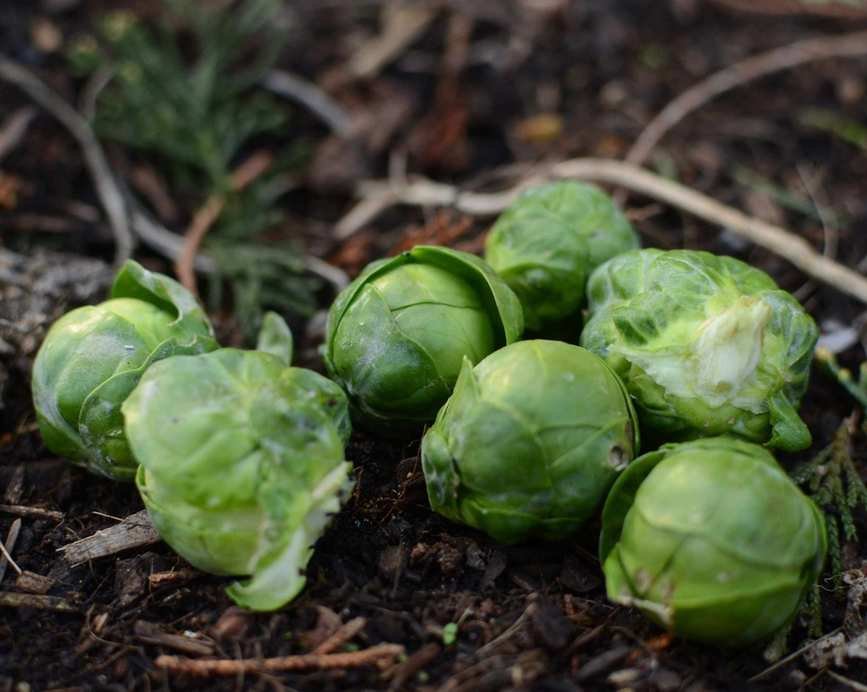
Growing Brussels Sprouts from Seed
One appealing aspect of growing Brussels sprouts is their ability to extend your vegetable garden's yield well into the cooler months. Proper planning ensures a steady supply of crops throughout the year.
It's best to start your Brussels sprout seeds in early spring or mid to late summer for a late fall harvest.
While the Pacific Northwest offers an ideal climate, Brussels sprouts can flourish in various conditions with the right care. Avoid letting the plants mature in hot weather, as this can lead to bitterness. Timing your planting so that they mature in cooler temperatures enhances their flavor.
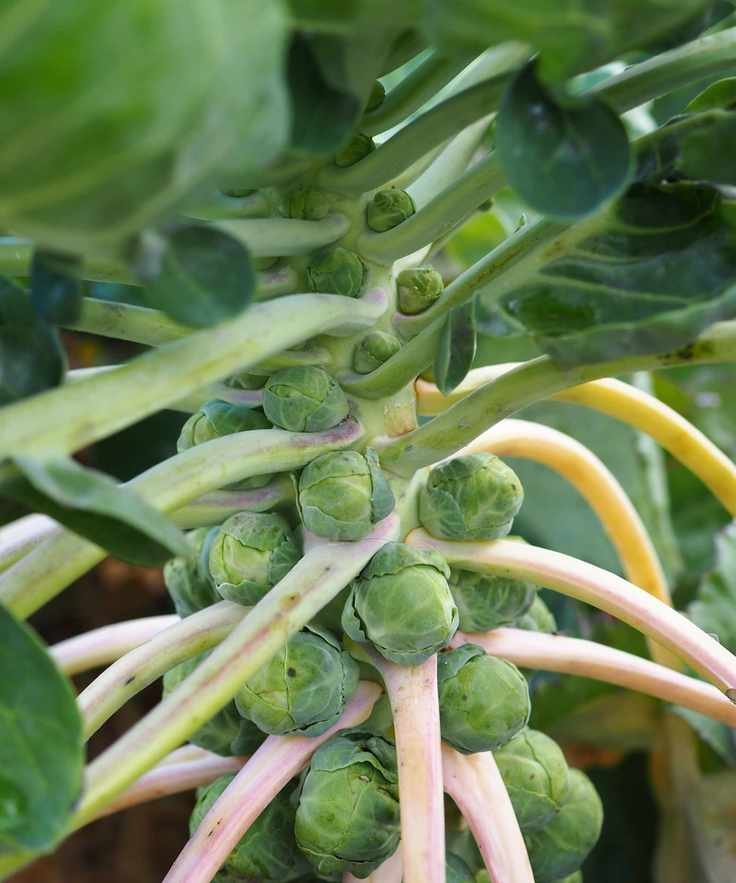
Optimal Growing Conditions
Brussels sprouts require well-draining soil and are relatively low-maintenance, making them perfect for novice gardeners.
These winter crops need at least 6 hours of sunlight daily, so select a sunny location. Excess nitrogen promotes leaf growth at the expense of sprouts, so skip adding extra soil improvers to your compost.
Keep in mind that Brussels sprouts plants can grow quite large, making them less suitable for limited spaces; consider alternative crops if you're working with a small garden.

Planting Brussels Sprouts
For optimal results, sow seeds early to enjoy a long harvest season. Start them in a greenhouse, cold frame, or under cloches.
Sow seeds thinly in pots or trays about ½ inch deep. If planting directly in the ground, space rows 6 inches apart.
Once the plants are established, space them 18-24 inches apart to allow for growth. Regular watering and staking are essential to prevent them from toppling over, and remove any yellowing leaves promptly.

Growth Timeline for Brussels Sprouts
Brussels sprouts take approximately 85 to 100 days from seed to harvest. They tolerate cooler weather well, allowing for overwintering in your garden. Mulch around the base as temperatures drop to protect them from frost, ensuring fresh sprouts throughout winter into early spring.
Are Brussels Sprouts Easy to Grow?
Brussels sprouts are generally easy to cultivate and belong on the list of beginner-friendly vegetables. They thrive in cooler temperatures, so timing your sowing to expose them to frost will make growing them even simpler.
Should any lower leaves yellow, remove them immediately. While some gardeners advocate for pruning lower leaves for better yield, it's not essential in home gardens. If you do prune, ensure several large, healthy leaves remain to nourish the plant.
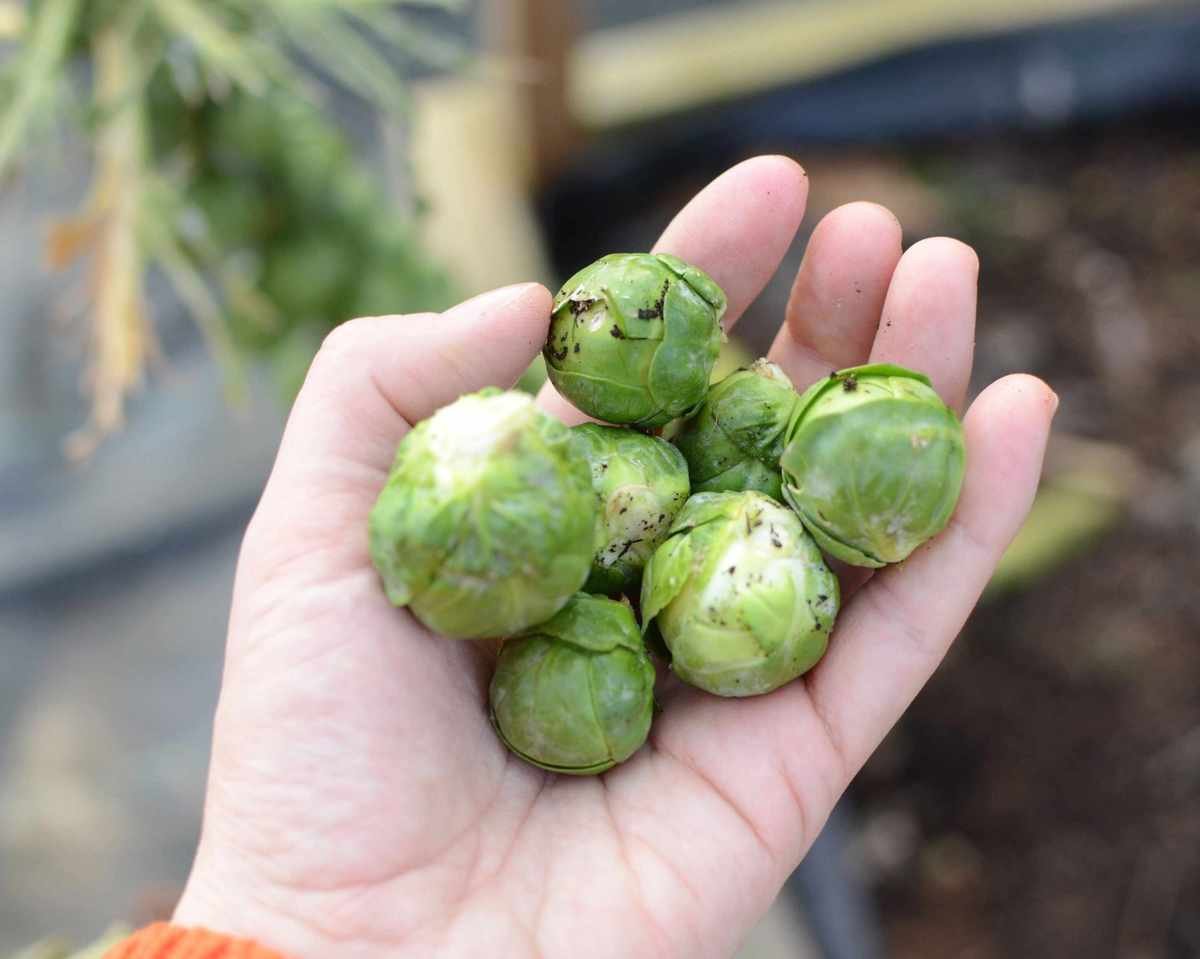
Do Brussels Sprouts Return Annually?
Brussels sprouts are biennial, meaning they complete their lifecycle over two years. In regions where temperatures don't drop below 15°F (-10°C), it's possible to harvest from the same plant for two years.
Yield from One Brussels Sprout Plant
When grown in well-draining soil, watered consistently, and provided with adequate sunlight, a single Brussels sprout plant can yield over 50 tasty sprouts.

Companion Plants for Brussels Sprouts
Once you master growing Brussels sprouts, you'll find many plants can thrive alongside them. Excellent companion plants include:
- Beets
- Onions
- Peas
- Celery
- Lettuce
- Potatoes
- Carrots



