
The kitchen may be the heart of the home, but it's also a top spot for energy loss through drafts. Cold air slipping in around gaps, cracks, and vents doesn't just make cooking uncomfortable — it can drive up your heating bill fast.
We talked to HVAC pros about the easiest ways to seal up a drafty kitchen, which products actually work, and what pitfalls to dodge. Follow these steps and you'll be cooking (and dining) in cozy warmth all winter.
1. Start with windows and doors

Windows and doors are draft central. Inspect the frames for gaps — especially in older homes — and check door thresholds for wear that lets cold air slip under. A simple test: hold a lit candle near the area; if the flame dances, you've got a draft.
Josh Mitchell, HVAC tech and founder of Air Conditioner Lab, says, 'Windows and doors are the usual suspects. Grab weatherstripping for doors and caulk for window frames. Seal them tight so outside air stays outside.'
Mitchell recommends this Frost King M13WH V-Shape Weatherstrip from Walmart, and this multi-purpose GE Silicone All Purpose Caulk from Lowe's.
Adding window insulation film gives an extra layer of protection. Check our full guide on how to weatherproof your windows for more details.
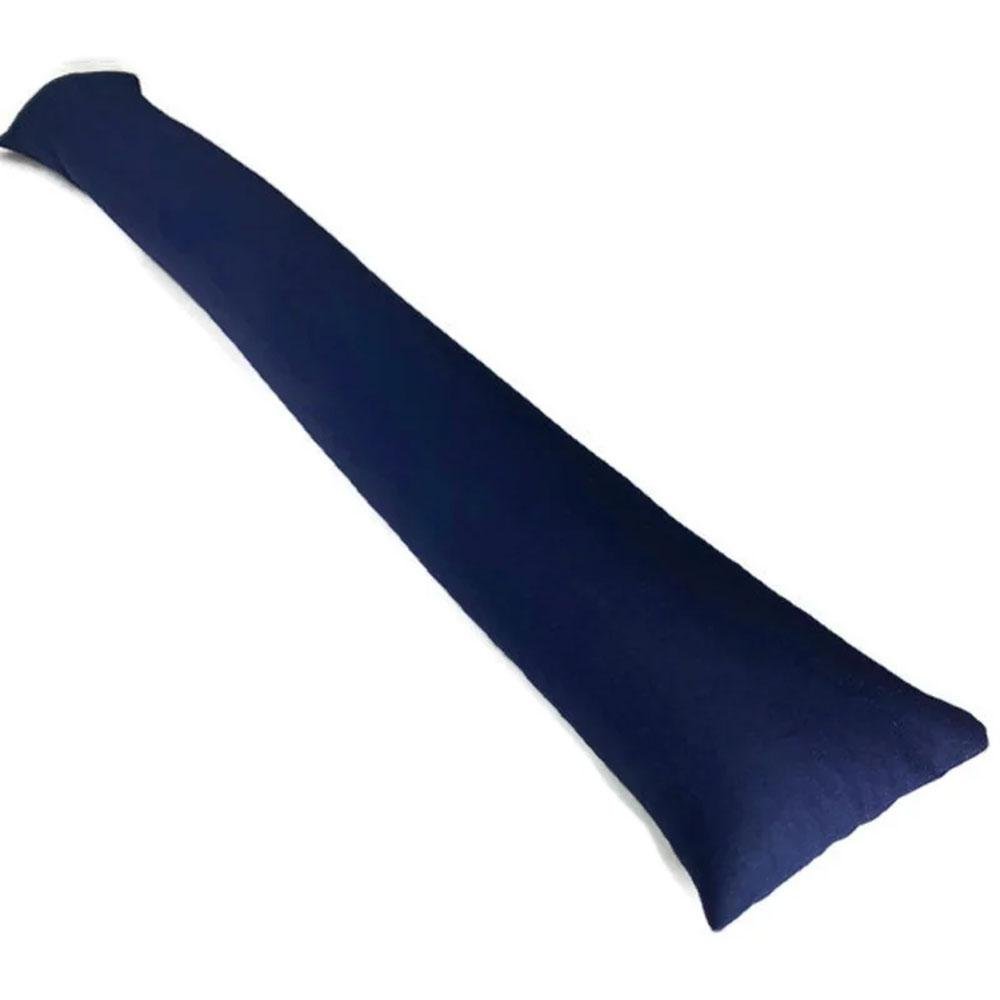 Buckwheat hull filling
This stylish navy fabric draft snake keeps wind from whistling under kitchen doors. No tools needed — just place it and remove anytime. The filling is chemical-free, too.
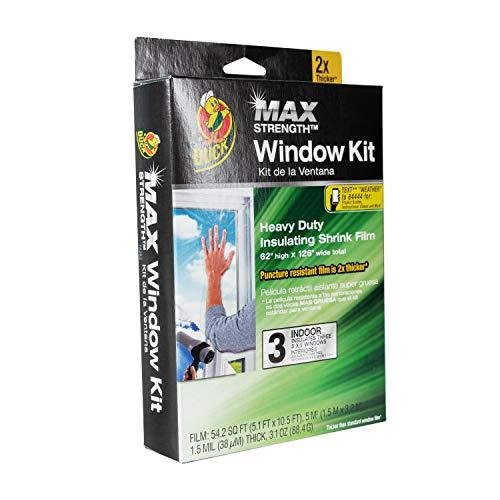 Easy to install
This heavy-duty insulating film is thick and puncture-resistant, blocking kitchen drafts and heat loss to lower your energy bills. It installs easily and won't damage windows when removed.
 Adjustable
This machine-washable draft stopper seals gaps under kitchen doors neatly. Mitchell says, 'It's filled with polyester wadding for excellent insulation. Adjustable, functional, and convenient.'
2. Seal small cracks

Tiny cracks between cabinets, walls, and baseboards may look harmless, but they're sneaky draft hideouts. These gaps often get missed during regular home maintenance.
Steve Pacholski, brand president at HVAC firm Varsity Zone, says, 'You might not think of kitchens as drafty, but they can be sneaky. Cabinets can act like little tunnels for cold air, especially if there are gaps underneath or around the edges. The plinth — that decorative strip at the bottom of cabinets — often hides cracks that let chill creep in. And baseboards where tile or wood floors meet the wall are another common spot.'
'To fix it, a little caulk or foam tape does the job. Self-adhesive foam tape, like Frost King's Rubber Foam Tape from Amazon, works great for sealing gaps around cabinets.'
Don't overlook electrical outlets — small gaps there let in cold air too. This pack of New Resources Group Electrical Outlet Gasket Covers from Walmart solves that fast.

This 100% waterproof caulk is great for sealing cracks around the home. It's mold and mildew resistant, has thousands of positive reviews, and won't yellow over time.
3. Check pipes

Pipes entering and exiting the kitchen — for the sink or dishwasher — can leave gaps in walls or flooring. Those openings let in both drafts and pests.
Pacholski says, 'Pipes are another sneaky source of kitchen drafts. Whether it's water or gas lines coming from outside, if those openings aren't sealed properly, cold air gets in.'
Mitchell adds, 'Use spray foam around pipes under the sink and foam gaskets behind outlets to stop drafts from these often overlooked spots.'
For more, see our piece on heating mistakes that drive up energy bills.
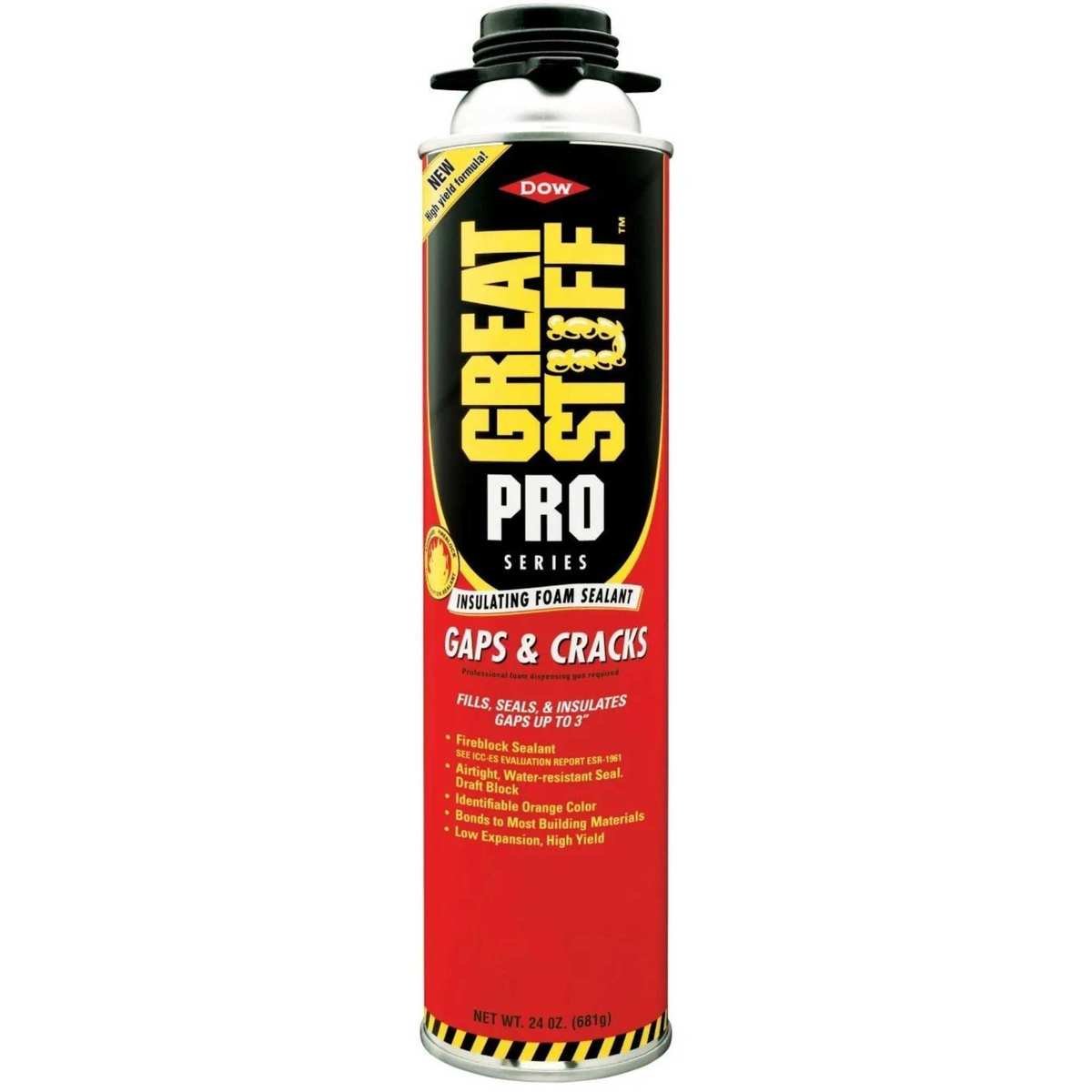
Our experts highly recommend this high-quality sealant that stops drafts and water infiltration, keeping your kitchen cozy year-round. Mitchell says, 'It's user-friendly, cost-effective, and great for DIY projects.'
4. Inspect vents

Kitchen vents and ductwork can also let in drafts if they're not properly sealed or insulated. Regular maintenance is key for both energy efficiency and air quality.
Pacholski says, 'Don't forget vents and exhaust fans. If they're not sealed properly, they're like open windows for cold air. Add a back-draft damper to your exhaust fan — it seals the vent when the fan's off. For unused vents, vent covers work well.'
Pacholski recommends the AC Infinity Store Backdraft Damper from Amazon, adding, 'This is a must-have to keep cold air from sneaking in when the fan isn't running.'
Mitchell adds, 'Appliances that vent outside, like your stove hood or dryer, can have leaks around the ducting. Seal those with duct sealant or metal-backed tape to prevent air from sneaking in or out.'
This Duck Brand HVAC Metal Repair Aluminum Foil Tape from Walmart is waterproof and easy to tear.
Common draft-proofing mistakes to avoid

Our experts warn against a few common missteps involving ventilation, humidity, and materials.
Mitchell says, 'In the kitchen, which is typically humid, avoid weak or flimsy materials. Choose durable ones to avoid frequent replacements. Keep an eye on humidity — if the kitchen starts feeling like a sauna, you might need a dehumidifier.'
A hygrometer from Amazon helps track humidity levels. If they're above 50-60%, use a dehumidifier to reduce moisture.
Pacholski also warns against sealing vents too tightly. 'Exhaust fans and vents are there for a reason — they handle cooking fumes and moisture. Seal them too tight and you could end up with lingering odors or moisture problems like mold.'
Our guide on whether to close vents in unused rooms can help you decide based on your heating system's age and type.
 For small spaces
For a small kitchen, this compact 30-oz CLEVAST dehumidifier saves money and space. It's quiet, energy-efficient, and auto-shuts off when the tank is full to prevent overflow.
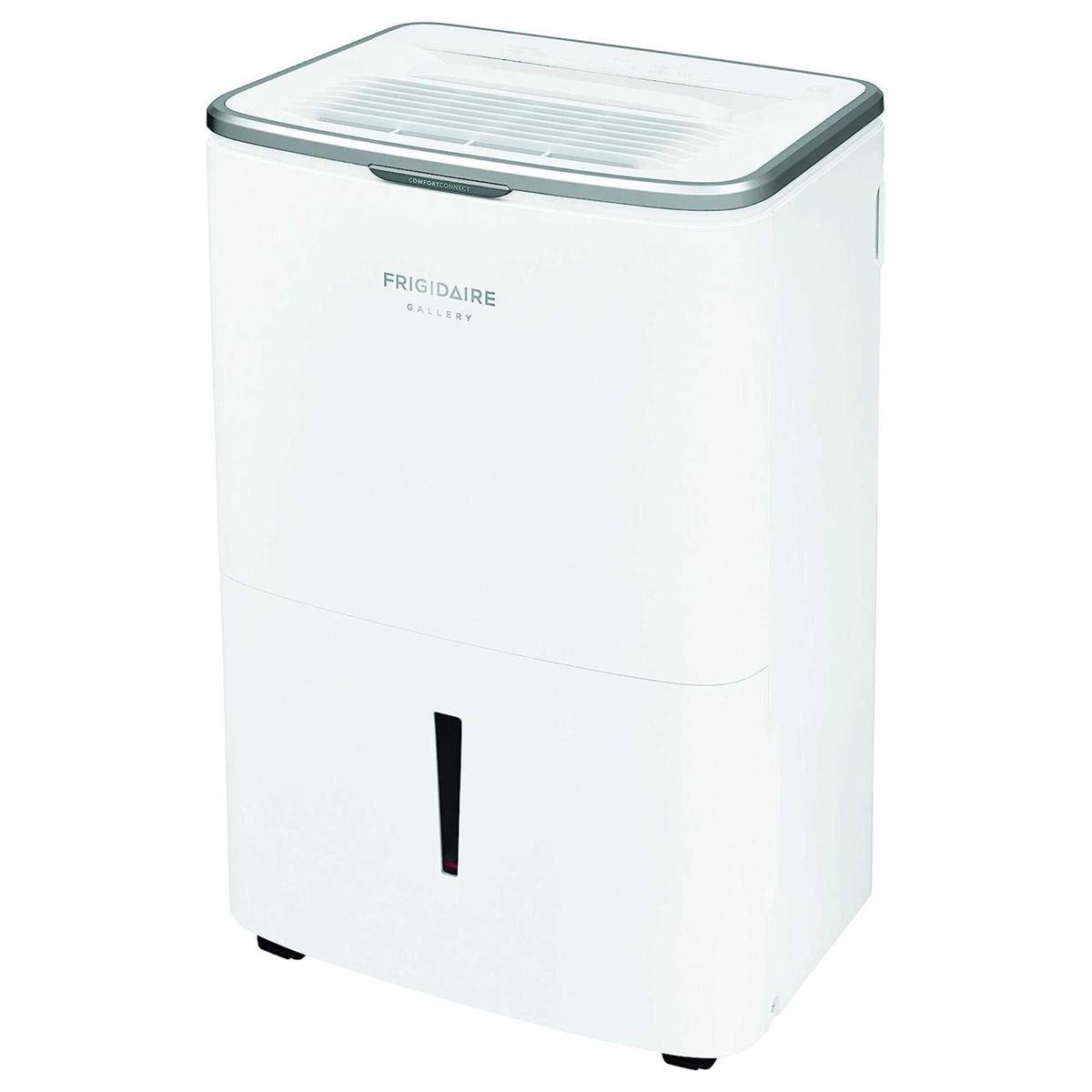 For medium spaces
This full-featured dehumidifier removes moisture effectively. It has a washable dust filter with a cleaning alert, a 50-pint capacity, continuous drain option, and WiFi control.
 For large spaces
For a large kitchen, this Poyank dehumidifier covers up to 4,500 square feet with a 70-pint tank. It's simple to use with smart screen and touch controls, and can be set for automatic drainage (hoses included).
FAQs
Can draft-proofing my kitchen lower my energy bills?
Absolutely. Sealing drafts in the kitchen reduces heat loss, so your heating system works less. Kitchens have many gaps and vents, so fixing them stops warm air from escaping and cold air from entering. The savings on heating add up quickly.
What tools do I need for kitchen draft-proofing?
Common tools include weatherstripping, caulk, and foam sealants for gaps. You may also need a screwdriver for loose thresholds or vent covers. A thermal leak detector (available on Amazon) helps find drafty spots you might miss.
How often should I check my kitchen for drafts?
Inspect at least once a year, ideally before cold weather sets in and when winterizing your home. Regular checks keep seals, caulking, and weatherstripping intact, and prevent small gaps from becoming bigger problems.
Draft-proofing your kitchen is a simple way to boost comfort, cut energy costs, and improve your home's efficiency. Tackle these key areas and you'll enjoy a warmer kitchen all winter long.
Next, check out how to draft-proof your bedroom for a cozy, comfortable sleep.