

Wildlife garden ideas enrich our lives, gardens, and the environment by inviting diverse species into our outdoor spaces.
As we spend more time outdoors, watching bees, butterflies, and birds thrive in our gardens adds to our enjoyment.
Every gardener can contribute to wildlife by providing shelter, habitats, food, and water, regardless of garden size. Explore the ideas below to create a welcoming space for local wildlife.

Wildlife Garden Ideas
From creating small ponds to providing hedgehog homes and planting for pollinators, there are numerous ways to enhance your garden for wildlife. Simple adjustments in garden management can encourage a rich diversity of species.
No matter how compact your space is, incorporating these tips alongside other small garden ideas will yield great results. Your garden will thrive, fostering a food chain that supports its ecosystem.
These strategies suit any garden style, whether modern or traditional. 'Many assume wildlife gardens are messy, but that's not true – you can achieve a beautiful, functional space full of life,' says garden designer Jo Thompson.
1. Plant for Pollinators

Plants are crucial for wildlife gardens. Naturalistic designs incorporate a variety of flowers that require minimal upkeep, benefiting wildlife.
'Pollinators like bees and butterflies depend on nectar-rich flowers,' shares Simon Toomer, National Trust's Plant Specialist. 'They help pollinate your plants, so protecting them is key, even in small gardens.'
Opt for single-flowering varieties over hybrid types for the best results,' advises Mick Lavelle, garden writer and author of The Illustrated Practical Guide to Wildlife Gardening.
To best support pollinators, select various plants that bloom year-round.
'More flowering diversity attracts more insects, leading to increased bird activity,' explains garden designer Cheryl Cummings. Tube-shaped flowers like foxgloves attract butterflies and long-tongued bees. Scented blooms also draw bats to your garden.
2. Create a Bee House

Wildlife needs shelter, so consider providing safe spaces for them to nest and overwinter. This could be as simple as leaving a log pile or building a bee house.
'A bee house can serve as a beautiful focal point while sheltering pollinators,' suggests Mandy Buckland from Greencube Design.
While many bees live in hives, about 90% are solitary and don't produce honey yet are vital pollinators.
Help solitary bees by installing a bee hotel where females can lay eggs, sealing the tubes with mud or plant materials.
3. Incorporate a Wildlife Pond

Ponds are essential for life, attracting many insects and animals while serving as habitats for aquatic species. They are excellent wildlife garden ideas.
'Birds will visit ponds and other water features to drink and bathe year-round; frogs lay eggs in spring, and in summer, you might spot newts or dragonflies,' notes Cheryl Cummings.
Your pond doesn't need to be large, but position it in a sunny spot, away from trees, and plant at least two-thirds of its perimeter for optimal wildlife value.
If space is limited, a birdbath is a good alternative, just keep it clean and full,' suggests Jo Thompson. Regularly refreshing a shallow tray of water helps wildlife, too.
4. Skip Chemical Pesticides

Insects are vital to garden ecosystems, making it essential to avoid pesticides that can harm beneficial species.
'Eliminating chemicals allows the ecosystem to find its natural balance,' adds Jo Thompson.
Striking a balance between pests and their predators enhances garden health.
Neonicotinoids, a particularly harmful pesticide, endanger bees and other beneficial insects. These chemicals can linger in plants, including their pollen and nectar.
5. Embrace Natural Pest Control

Instead of pesticides, consider organic gardening methods that naturally control pests, supporting a sustainable garden.
Here are some effective natural pest control ideas:
Hand Picking
While tedious, manually removing pests works well for larger insects, slugs, and snails.
Companion Planting
Companion planting fosters beneficial relationships between plants. For instance, French marigolds deter certain pests, while garlic and chives can protect roses.
Natural Predation
Encouraging wildlife creates natural pest control; birds and amphibians will help manage pest populations.
6. Build a Hedgehog House

Hedgehogs are beneficial, consuming many pests. To attract them, construct a hedgehog house in a quiet spot.
Stack logs with a gap in the center, cover with leaves. You might find a hedgehog family next spring.
7. Provide Bird Feeders

Bird feeders are fantastic wildlife garden ideas, offering essential winter support when food is scarce.
Consider crafting a bird feeder from recycled materials you have at home. In early fall, high-energy foods like fat balls help birds prepare for winter.
Don't forget fresh water is crucial, especially in winter. Regularly refill birdbaths to ensure a steady supply.
8. Choose the Right Flowers

Attractive wildlife flowers not only benefit pollinators but also beautify your garden.
Sunflowers
Learn to grow sunflowers for vibrant blooms. Look for branching varieties for added interest.
Viper's Bugloss
This native plant features tall spikes of bright blue flowers, perfect for attracting butterflies.
Pyracantha
This shrub offers shelter and food with its thorny branches and colorful fall berries.
9. Enhance with Lavender
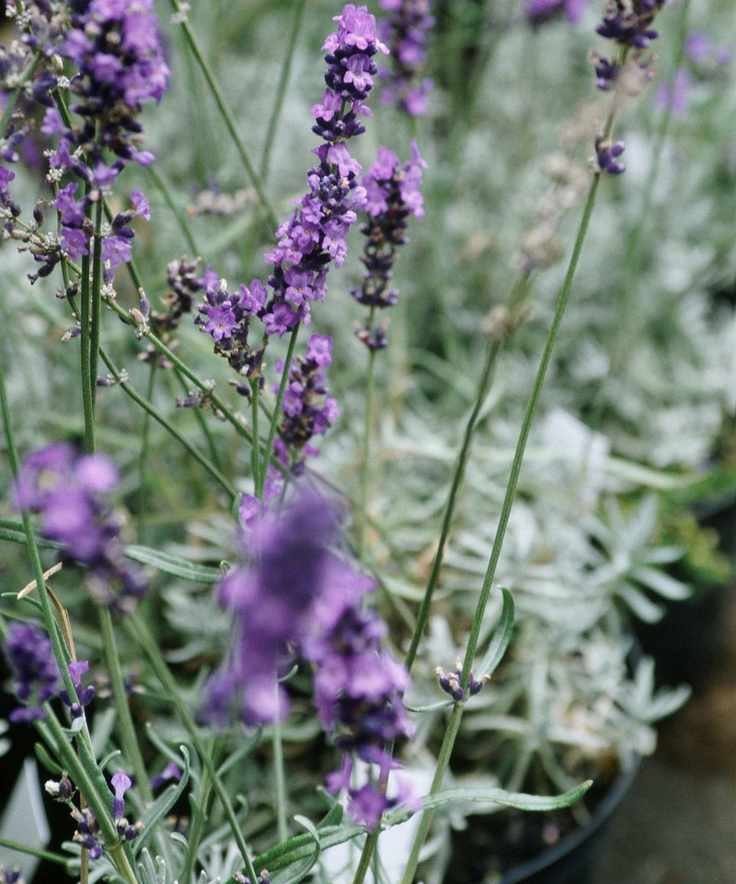
This beloved cottage garden favorite features fragrant blooms that attract a variety of bees.
Once you learn how to cultivate lavender, you'll want to include it throughout your garden. Plant in sunny spots and prune after blooming to maintain its shape.
10. Install a Balcony Bird Feeder
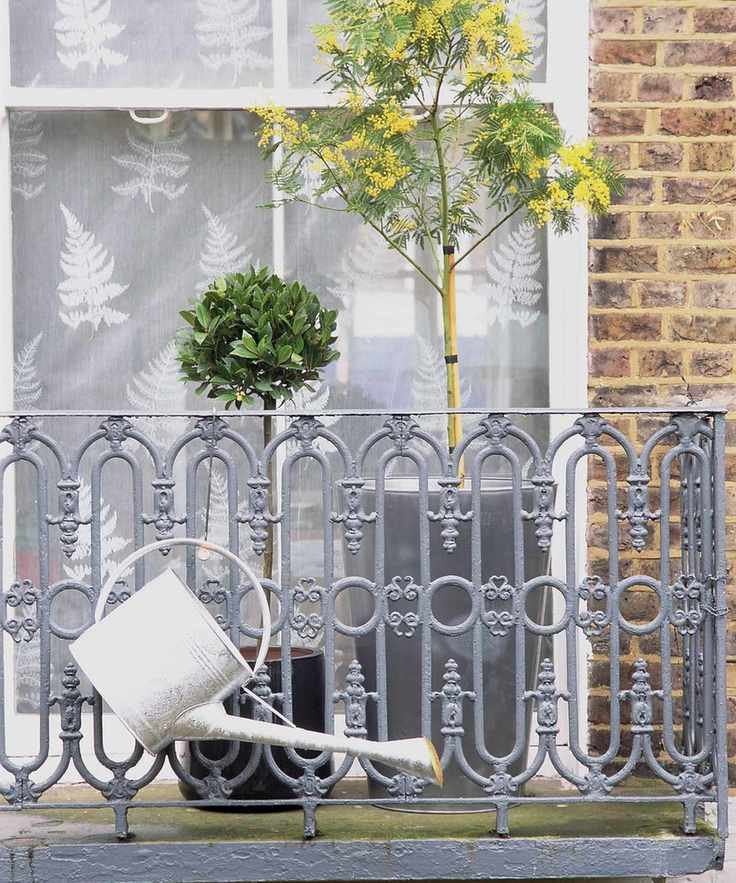
If you have a balcony, you can still enjoy birdwatching by adding a feeder.
Fill it with peanuts or hulled sunflower seeds to attract various bird species. Clean feeders regularly to keep them safe and appealing.
11. Postpone Maintenance

Adjusting your garden maintenance can foster habitats for diverse species.
'Avoid overly frequent deadheading or cutting back plants in fall; wait until spring instead,' recommends Mick Lavelle.
Leaving seed heads in place feeds birds during winter, while allowing nettles to thrive supports caterpillars.
Let the lawn grow longer, allowing weeds to flower and become a food source for bees and butterflies.
12. Opt for Purple Flowers

Bees are particularly attracted to purple blooms, making them ideal for wildlife gardens.
Incorporate nectar-rich purple flowers like lilac, lavender, and salvias to support pollinators.
13. Set Up Bird Boxes

Birds help manage pests like slugs and snails. Install bird boxes to provide nesting opportunities.
Bird boxes are best set up in late February before nesting season, but it's never too early to prepare for next year.
14. Create a Bug Hotel

Beneficial bugs like ladybirds and centipedes help control pests. The rewilding trend encourages natural pest management.
Explore creative ways to build a bug hotel using materials like pallets, cardboard tubes, and twigs for shelter.
15. Incorporate Native Trees and Shrubs
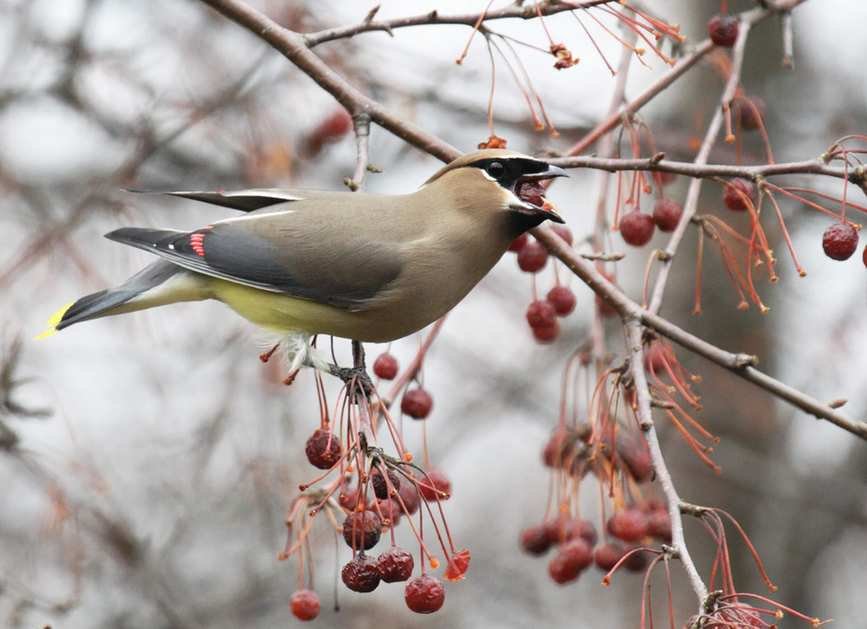
'Native hedges provide vital habitats,' explains John Wyer, CEO of Bowles & Wyer.
If there's space, plant large trees and shrubs for bird perches and nesting sites, particularly those that yield seeds or fruit in fall and winter.
16. Cultivate a Wildflower Meadow

Wildflower meadows are an excellent wildlife garden idea.
Rob Jones from The Garden Design Company emphasizes the importance of preparation, considering whether to use annual or perennial mixes based on soil conditions.
Wildflower seeds or plug plants can be used; sowing is best done in fall or early spring.
How to Plan a Wildlife Garden
Diversity is crucial for a thriving wildlife garden. Incorporate various flowers, trees, and shrubs that bloom at different times and include evergreen plants for year-round cover.
Plant a mix of shrubs along your boundaries for added benefits, providing food and shelter for birds and small mammals.
Refrain from using pesticides to protect beneficial insects, and embrace permaculture practices that promote natural gardening.
Finally, utilize kitchen and garden waste to create compost, which also serves as habitat for various creatures.
What Flowers Attract Wildlife?
Countless flowers support wildlife in your garden. Include the following for pollinators and beneficial insects:
- Foxgloves attract many bees.
- Salvia is another excellent choice.
- Echinacea is highly beneficial.
- Leucanthemum provides food for insects.
- Cephalaria gigantea is a self-seeding favorite for bees, according to Mandy Buckland.
- Nepeta can flourish multiple times in summer with care.
- Alliums extend the flowering season when selected wisely.
- Perovskia also supports pollinators.
This list is just a glimpse of the many plants ideal for wildlife gardens. The more diverse your garden, the healthier it will be for both you and the wildlife.



