
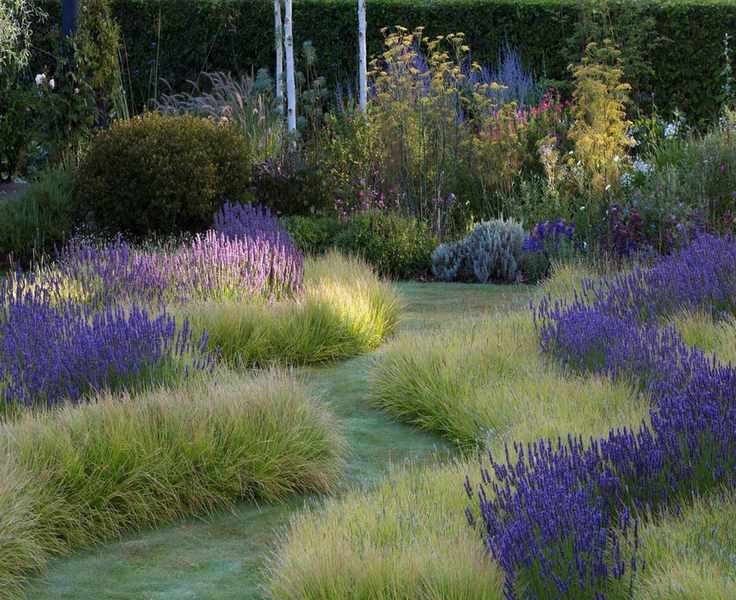
Lavender is one of the most iconic plants, adding joy to your outdoor space.
Valued for its lovely scent and vibrant blooms, lavender infuses garden borders with soft colors and attractive gray-green leaves. It also attracts essential pollinators like bees.
A top choice for flower bed ideas and potted displays on patios, lavender is easy to cultivate and fits seamlessly into any garden style, from classic to modern.
Growing Lavender: Types of Varieties
Understanding when to plant lavender is essential, but knowing how to grow it properly is equally important.
A hardy, evergreen shrub, lavender – Lavandula – is frequently featured in cottage gardens.
You can choose from hardy, half-hardy, or tender varieties to suit various settings, from low hedges to formal parterre gardens, or as part of relaxed cottage garden designs and dry Mediterranean landscapes.
While the lavender family includes many species, the three main types grown are: Lavandula angustifolia – English lavender; Lavandula stoechas – French or Spanish lavender; and Lavandula x intermedia – lavandin.
English lavender is the most recognized, celebrated for its hardy, long-lived nature and abundant blooms in June or July, with popular varieties like 'Hidcote' and 'Munstead'.
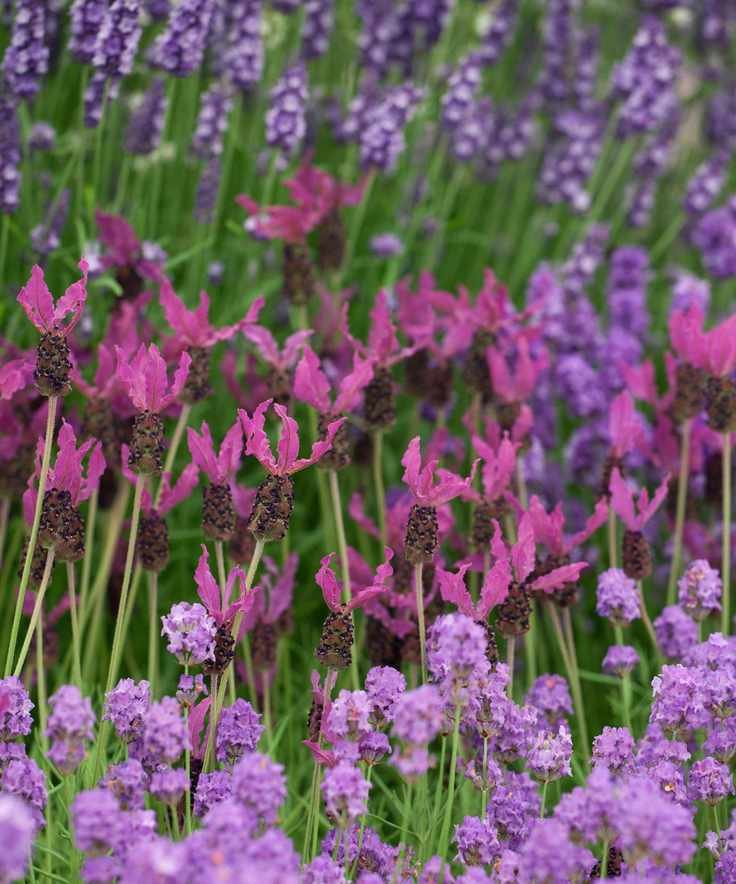
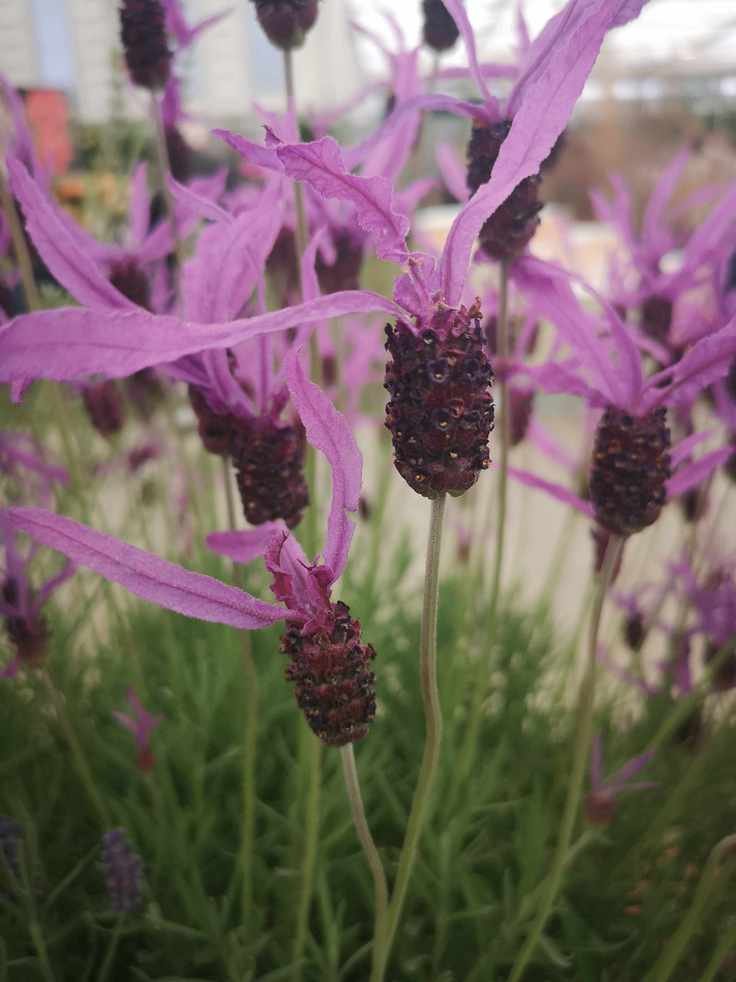
Stoechas lavender varieties are less hardy and shorter-lived, known for their unique sterile bracts that resemble ears. They often bloom as early as May and can have multiple flowering phases throughout the season.
Lavandin, a robust hybrid of angustifolia and latifolia, features tall grey foliage and long loose flower spikes that bloom in July or August.
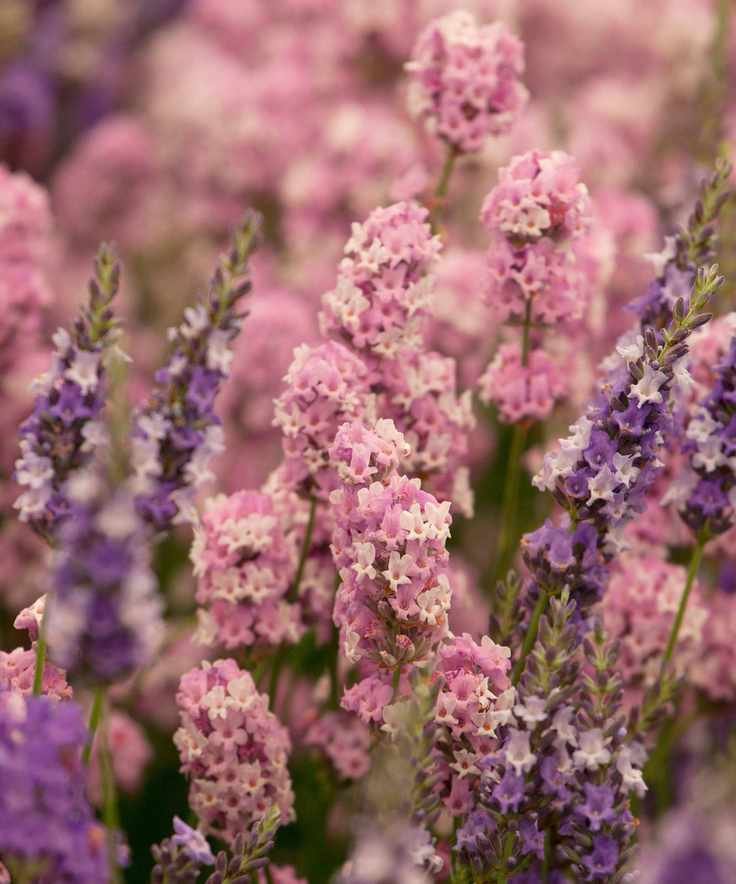
Although blue is the most common hue, lavender varieties also come in pink and white.
Ideal Locations for Lavender
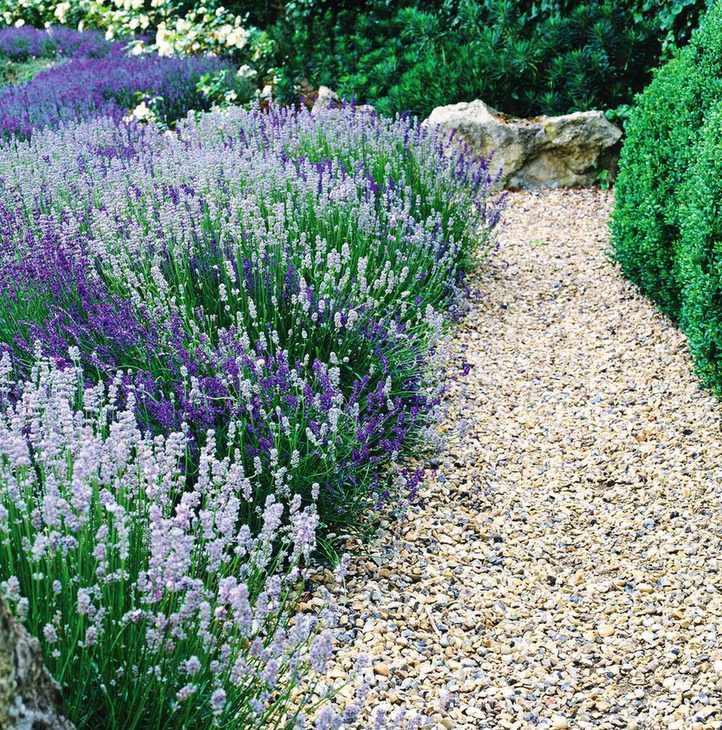
A blend of lavender types in a formal garden
Originating from the Mediterranean, lavender flourishes in sunny areas with well-drained, alkaline soil; it struggles in cold, waterlogged conditions. To enhance drainage in heavy soil, incorporate grit or plant on a mound. Lavender is drought-resistant and works well in drought-tolerant gardens. Excess moisture during winter can be detrimental to half-hardy and frost-hardy types.
'Lavenders can tolerate a few hours of shade daily, but they need excellent drainage; sandy loam or lighter soil is preferred. Their natural habitat resembles the scrubland of Southern France, thriving in poor soil with a pH of 7-9,' notes a gardening expert.
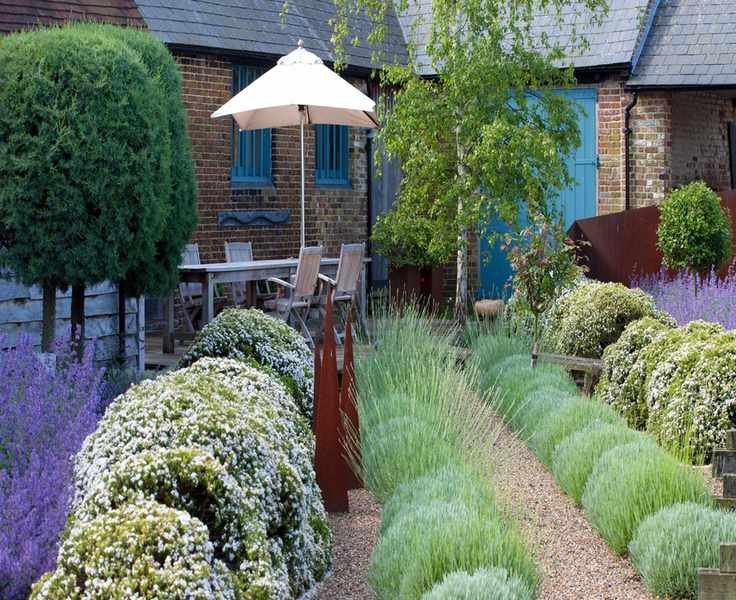
Lavender is perfect for informal hedges, edging flower beds, and lining pathways, but it can also enhance borders or container gardening designs. Its ability to withstand drought and poor soil makes it ideal for hot gravel gardens and coastal landscapes, especially when paired with rose garden ideas.
Before purchasing, research different cultivars to find the best fit for your environment, as their hardiness varies.
Planting Lavender
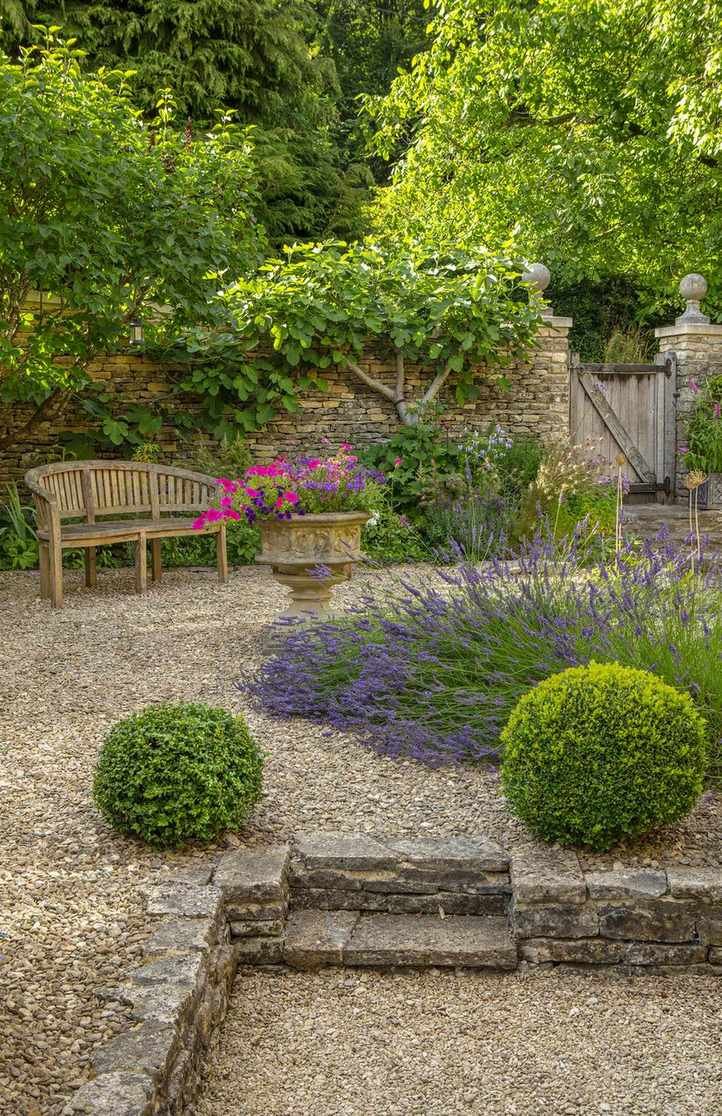
Proper planting is a crucial aspect of growing lavender.
Lavender is easy to cultivate, provided the soil and location are suitable.
Plants are typically sold in containers, or as plug plants needing care for several months before transplanting. Plant container-grown lavender immediately and at the same depth. Incorporate bonemeal in the hole for quicker rooting, firm down, and water in without over-saturating.
'Space plants 17-35in (45-90cm) apart for informal displays in groups of three,' recommends an expert. For hedging, keep plants about 11in (30cm) apart. Monitor moisture levels during the initial weeks after planting, especially in dry weather.
Know how to prune lavender to maintain their appearance and prevent them from becoming leggy. Incorrect pruning can lead to reduced flowering and an unkempt look.
Growing Lavender from Seed
While many buy lavender plants, propagating from cuttings is also effective. Use semi-ripe side shoot cuttings from new summer growth, stripping lower leaves to create bare stems for planting in gritted compost pots.
Alternatively, sow seeds in trays from February to July over moist compost, leaving them uncovered as they need light to germinate. Lavender seeds germinate at about 65 to 70ºF (18 to 21ºC), so consider using a propagator.
Germination can take two weeks to three months; if slow, try cold stratification by refrigerating the tray for four weeks, then returning it to warmth. Transplant seedlings to individual 3in (8cm) pots, harden them off, and plant out when frost danger has passed, spacing them 18in (45cm) apart.
Alternatively, sow 0.2in (5mm) deep in a prepared seedbed.
Growing Lavender in Containers
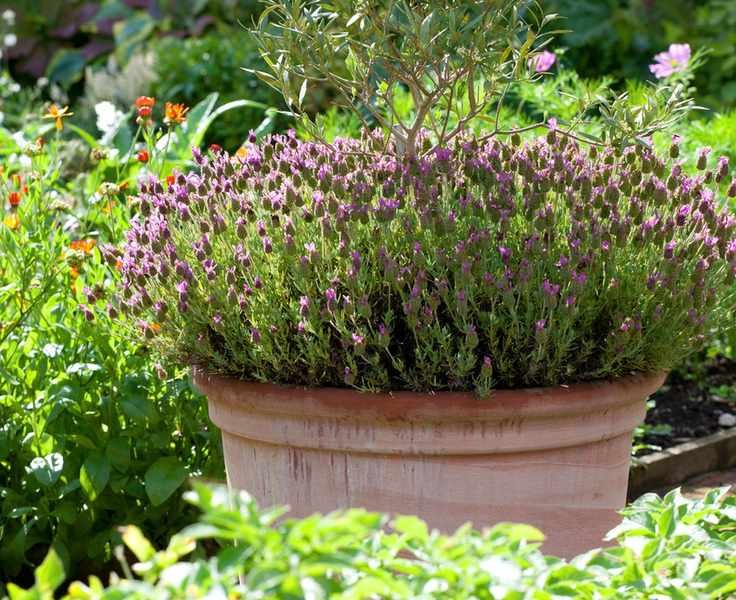
Lavender is perfect for container gardening, making it an excellent patio option or for courtyard spaces, but requires watering in hot weather to prevent wilting.
Select tender, half-hardy, or dwarf varieties for pots, ensuring a vibrant summer display on terraces. Place containers in sunny areas, away from overhanging greenery. Choose pots that are 11 to 15in (30 to 40 cm) in diameter.
'Mix one third soilless compost, multi-purpose compost, and coarse grit for potting. Add slow-release fertilizer plugs for all-season feeding. Be cautious with the fibrous roots of stoechas varieties,' advises an expert.
Water lavender regularly as the compost dries out to promote a strong root system, and repot as needed. Consider moving containers of tender varieties to a sheltered area during winter.
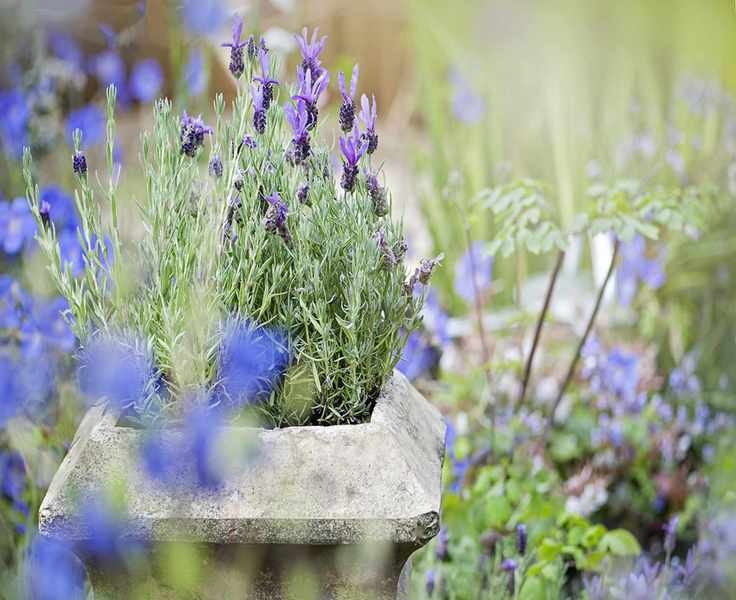
Terracotta pots are ideal since they are porous, allowing plants to breathe. Growing lavender in pots offers flexibility to move them around, enhancing seating areas with their delightful fragrance.
Container-grown lavender may be more vulnerable to cold; based on the variety's hardiness, relocating pots to a protected area during winter is advised.
Caring for Lavender Plants
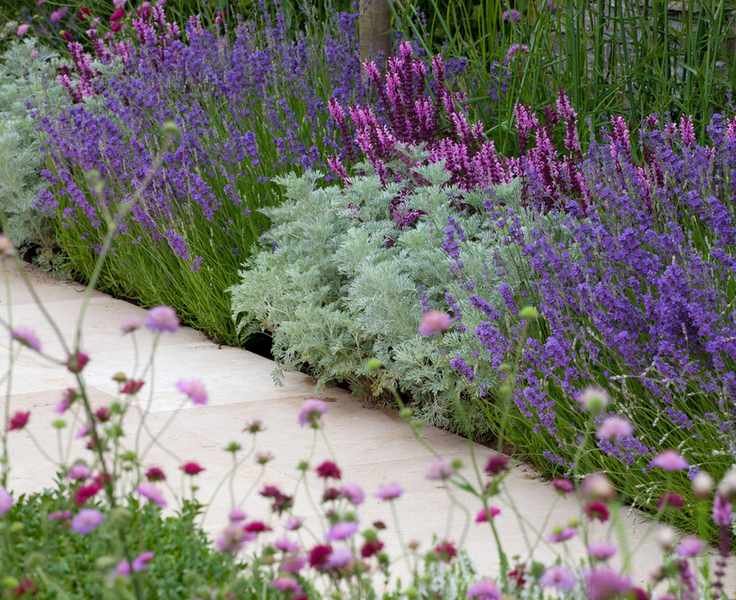
Lavender requires minimal care once established, aside from the essential annual pruning.
Established lavender plants tolerate drought and can survive with little water; however, newly planted ones need regular watering in their first summer.
'Water at the soil level to encourage root development, avoiding overhead watering to protect the foliage,' an expert suggests.
Fertilizing lavender is often unnecessary and can lead to weak growth. Knowing when to harvest lavender is crucial; cut flowers before they set seed for the best results. 'Cut them back as soon as they fade for a second bloom,' shares a gardening show host.
Recommended Lavender Varieties
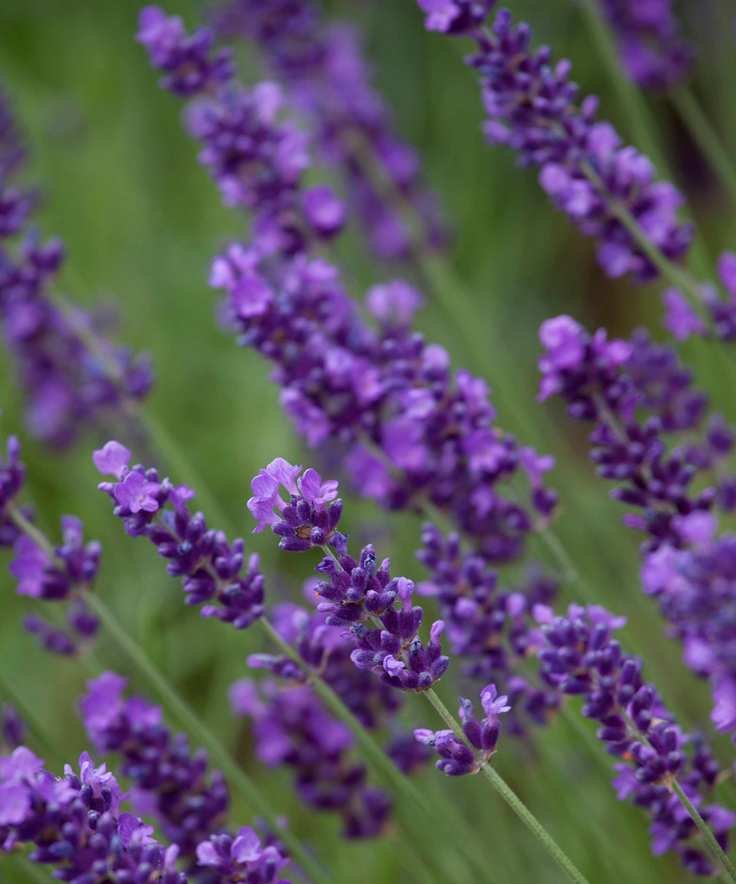
Some excellent lavender varieties to consider include:
- L. angustifolia 'Hidcote' – compact with fragrant deep violet blooms
- L. angustifolia 'Purple Treasure' – features grey-green foliage and ultraviolet flowers
- L. angustifolia 'Imperial Gem' – boasts silvery leaves and deep purple blossoms
- L. x intermedia 'Grosso' – vigorous with a strong fragrance
- L. stoechas 'Pink Panache' – vibrant with striking magenta blooms
- L. angustifolia 'Miss Katherine' – one of the best pink varieties, highly aromatic
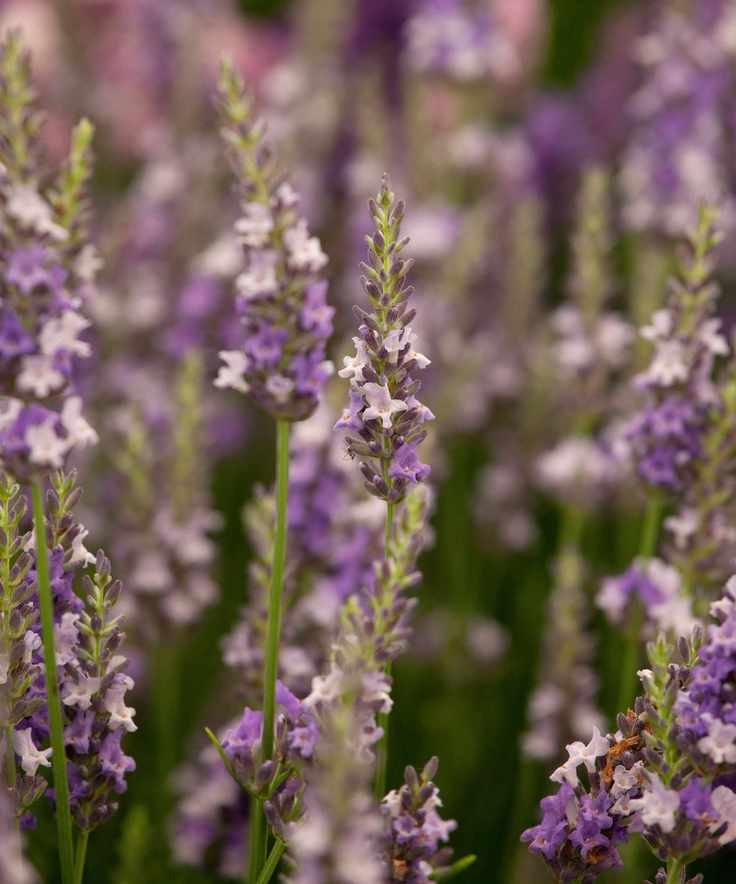
- L. x intermedia 'Heavenly Angel' – robust with aromatic foliage and pure white flowers
- L. x intermedia 'Sussex' – longest-blooming hardy lavender
- L. stoechas 'Regal Splendour' – fragrant with captivating color
Is Drying Lavender Simple?
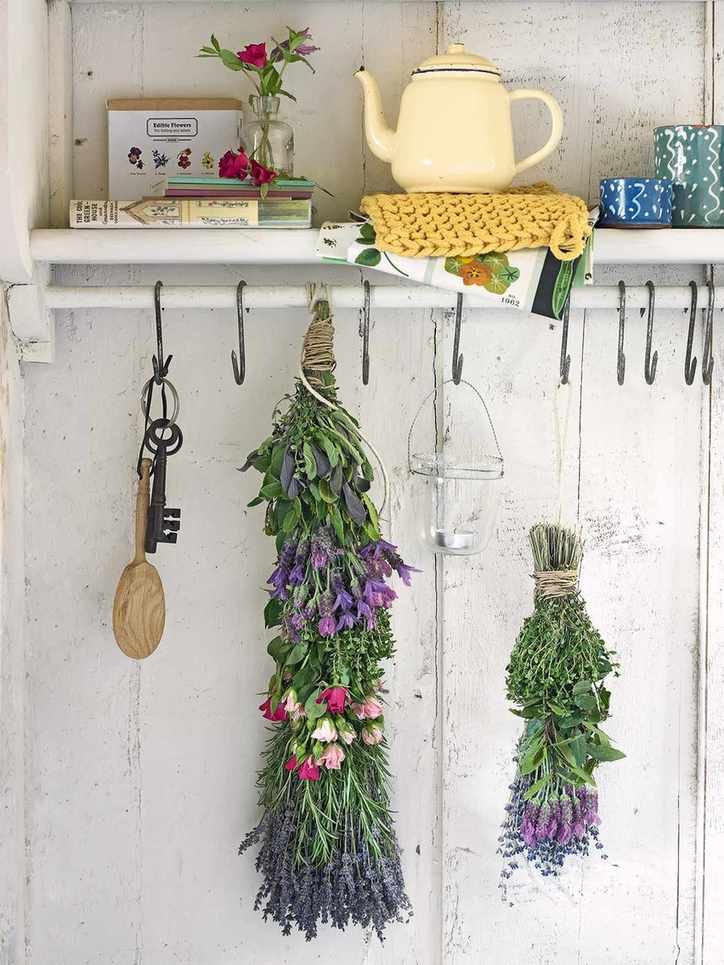
Drying lavender is straightforward. Cut stems when they begin to fade, tie them in bunches, and hang them upside down in a dry area.
Is Lavender Easy to Cultivate?
Learning to grow lavender is quite simple. Once established, it needs little maintenance besides annual pruning.
Without regular trimming, plants may become woody. Even with consistent care, older plants can become leggy, so replacing them may be necessary. Newer varieties often offer better growth and pest resistance.
Root rot can occur in wet soils; if this is an issue, consider growing lavender in containers or raised beds. Always check plant labels for hardiness, as only hardy types will survive winter outdoors.
Where Does Lavender Thrive Best?
Where lavender grows best depends on the selected variety. All need well-draining soil and sunny locations.
For border plantings, larger varieties like 'Hidcote Giant' and 'Intermedia Grosso' are excellent. 'Hidcote Giant' indeed lives up to its name, reaching impressive heights and spreads,' notes a gardening professional.
For hedging, opt for smaller varieties like 'Hidcote' or 'Munstead'.
Compact lavender types are ideal for pots, allowing for the cultivation of less hardy varieties that can be sheltered during winter.



