
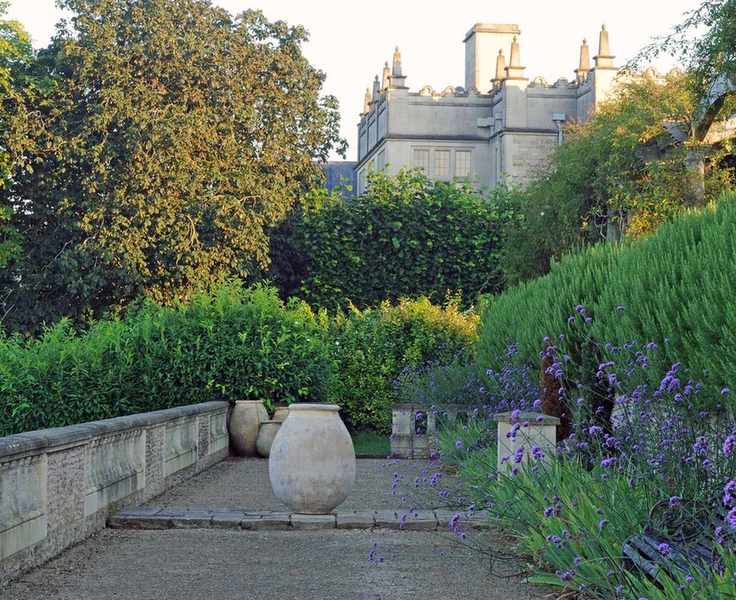
Choosing drought-tolerant plants is crucial for regions with limited rainfall. With climate shifts leading to prolonged dry spells, opting for resilient flora makes perfect sense.
These plants are naturally equipped to thrive under dry soil conditions. Once established, they need minimal watering, even in direct sunlight.
For a flourishing garden when rain is scarce, consider our selection of drought-tolerant options – ideal for a dry garden.
Top 10 drought-tolerant plants
Take inspiration from gardeners in arid regions by selecting plants that withstand extreme weather.
While we can seek refuge indoors, our plants remain exposed. It's essential to choose flowers and shrubs wisely to maintain a vibrant garden throughout summer. Incorporating the best drought-tolerant plants will ensure your garden stays colorful all season long.
What types of plants should you consider? Those that manage well in high heat and aridity often come from dry, rocky landscapes, like those found in Florida, Texas, and California. These plants have evolved to flourish in such climates. For instance, plants featuring silver leaves usually hail from warm, dry regions, reflecting the sun's harsh rays.
No matter your preferences, there's a plant that fits your aesthetic, whether you're aiming for a gravel garden or more exotic varieties. Drought-resistant plants often display certain traits: spiky leaves, silver hues, small leaves, or waxy textures, all designed to endure heat.
1. Verbena
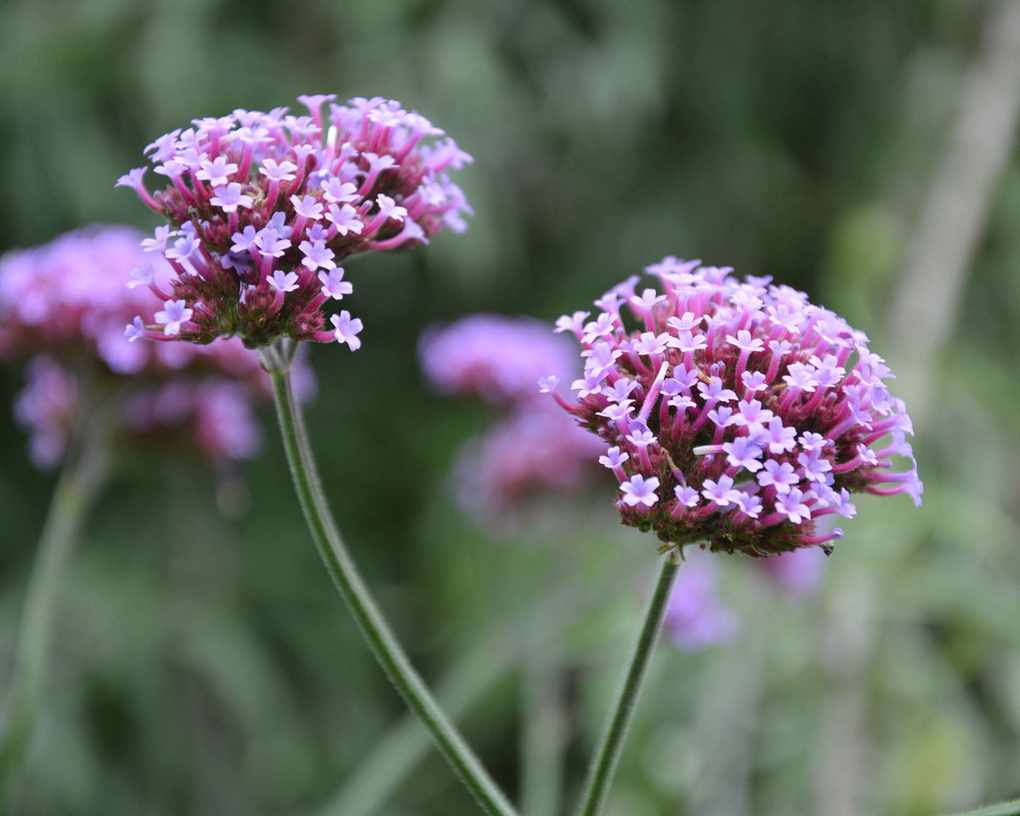
Verbena showcases tiny clusters of vibrant purple flowers that bloom all summer and into fall, making it an excellent choice for drought-tolerant planting. Perfect for wildlife gardens, it attracts butterflies and bees with its abundant nectar, reaching heights of up to 24in (60cm).
2. Dierama
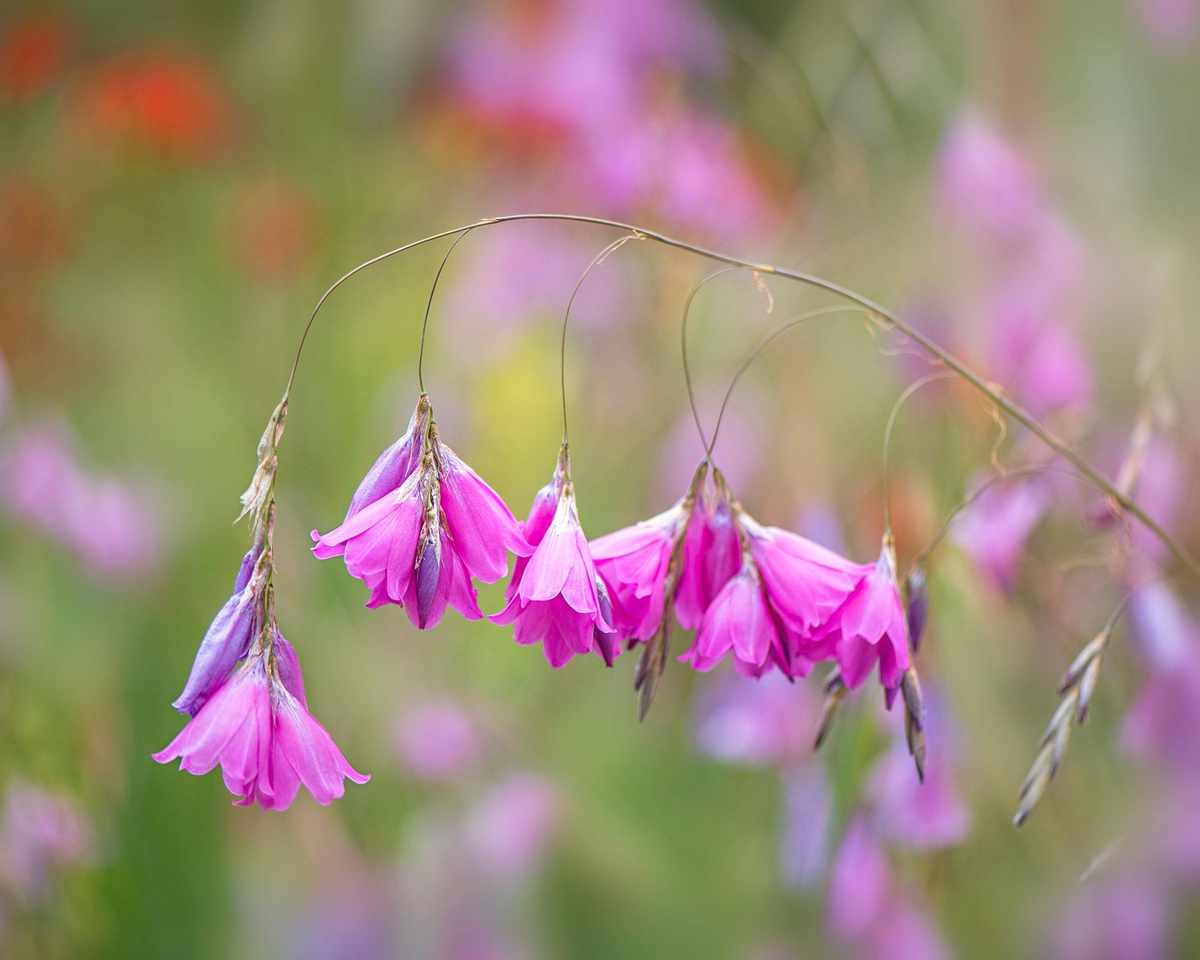
Dierama, often called 'Angel's fishing rod', features elegant, bowing flower stems and bell-shaped blooms, best planted in spring. Avoid planting them in hot or dry conditions, as well as during cold spells.
Give them ample space in borders; a clump can grow to 5ft (150cm) tall and 20in (50cm) wide.
3. Iris
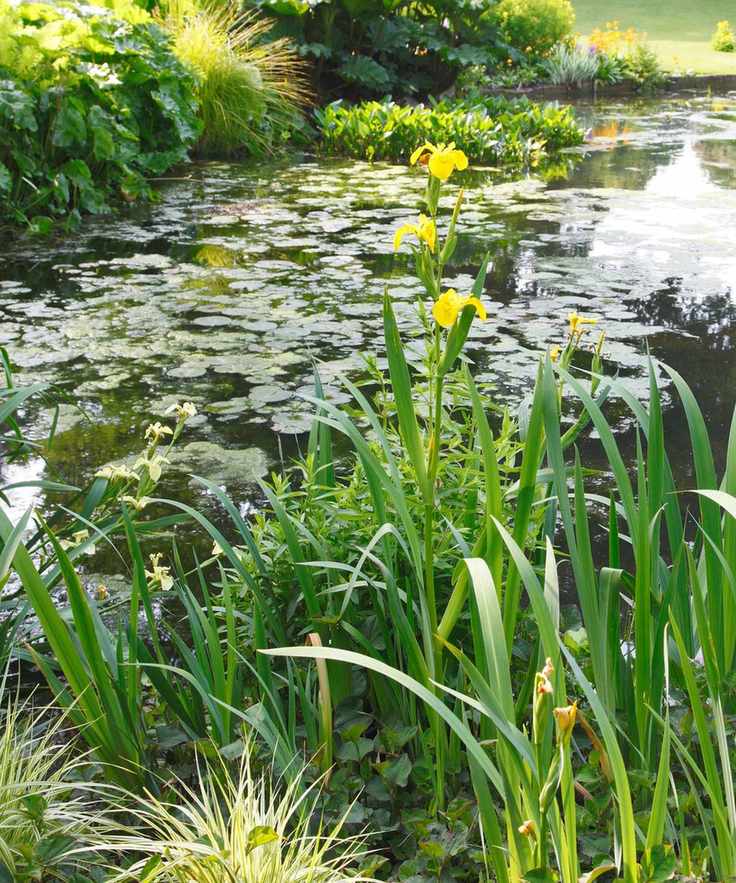
Once established, iris plants are highly drought-resistant; however, newly planted bulbs require regular watering to develop strong roots.
For optimal growth, plant irises in fall. Rhizomes should also be planted in fall, but if acquired at other times, go ahead and plant them immediately.
Irises are perennials that can bloom for many years, making them a valuable addition to any garden.
4. Cape daisy
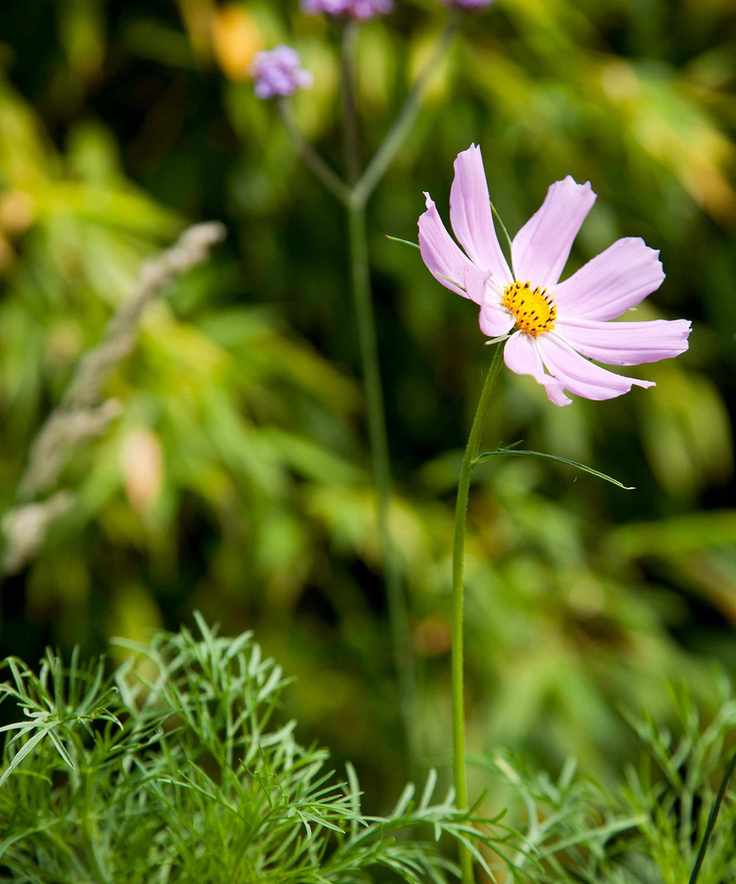
South African Cape daisies (Osteospermum spp), also known as African daisies, thrive on just half an inch of water weekly. They're perfect for gardeners seeking abundant blooms throughout summer and into fall.
They also rank among the best plants for hanging baskets, creating striking displays.
5. Russian sage
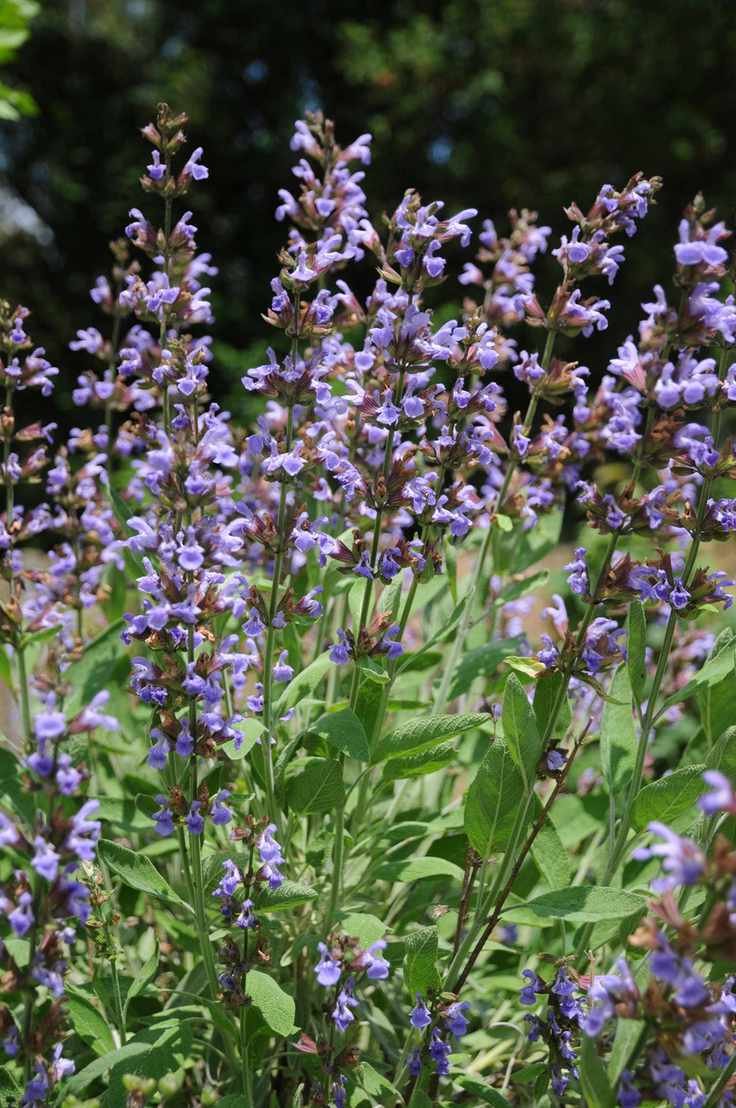
Russian sage (Perovskia atriplicifolia) thrives in sunny spots, featuring tiny violet flowers atop silvery spikes, making it an eye-catching addition to any garden. They can grow to about 4ft (1.2m) tall and spread 3ft (1m).
This plant looks particularly stunning at summer's end and into fall, attracting pollinators. Remember to trim Russian sage in mid to late spring for optimal growth.
6. Sea holly
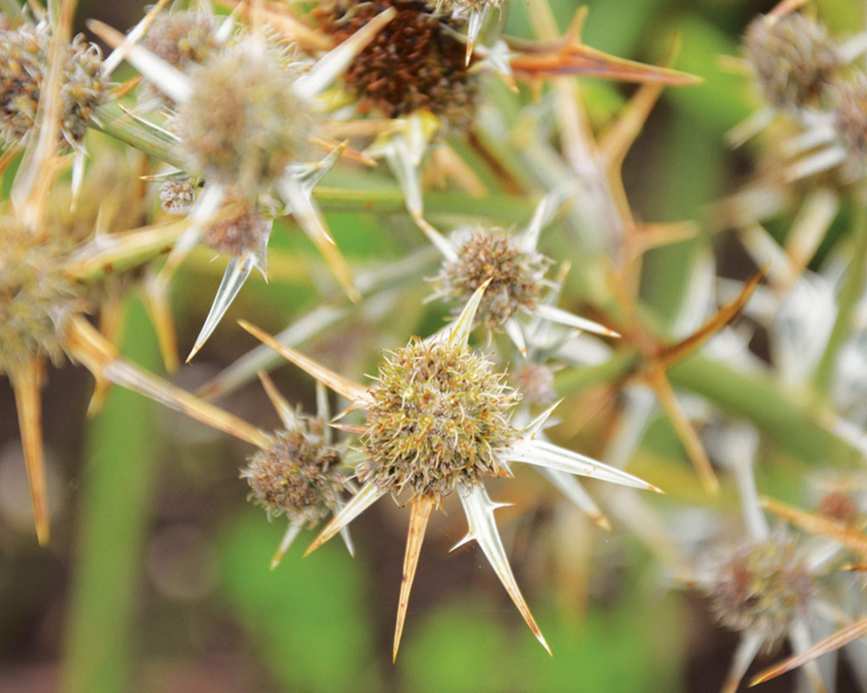
Sea holly (Eryngium) is favored in Mediterranean gardens, boasting large, vivid blue flowers and deep green foliage. It's often paired with Russian sage for a striking drought-tolerant landscape.
Blooming in summer and fall, sea holly also thrives in containers with good drainage, but it dislikes cold, wet conditions.
These flowers can be dried for indoor arrangements.
7. Jerusalem sage
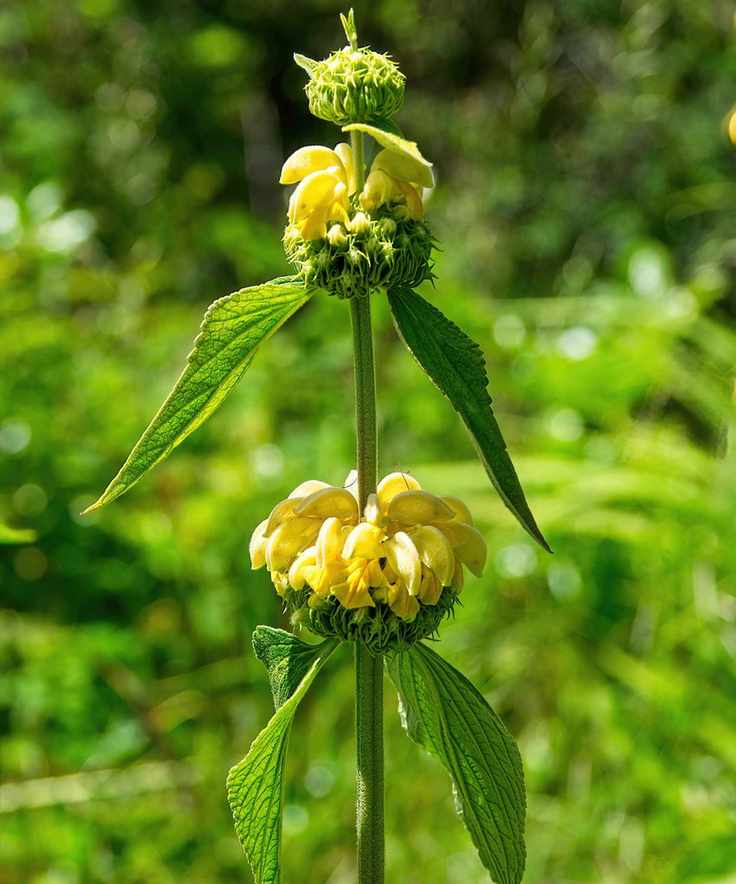
Jerusalem sage (phlomis) is a compact evergreen shrub that can bloom from late spring into late fall. It's fast-growing, reaching heights of up to 4ft (1.2m) with a similar spread.
This drought-resistant variety prefers well-drained soil, so mix grit into the planting area for optimal drainage.
8. Sedum
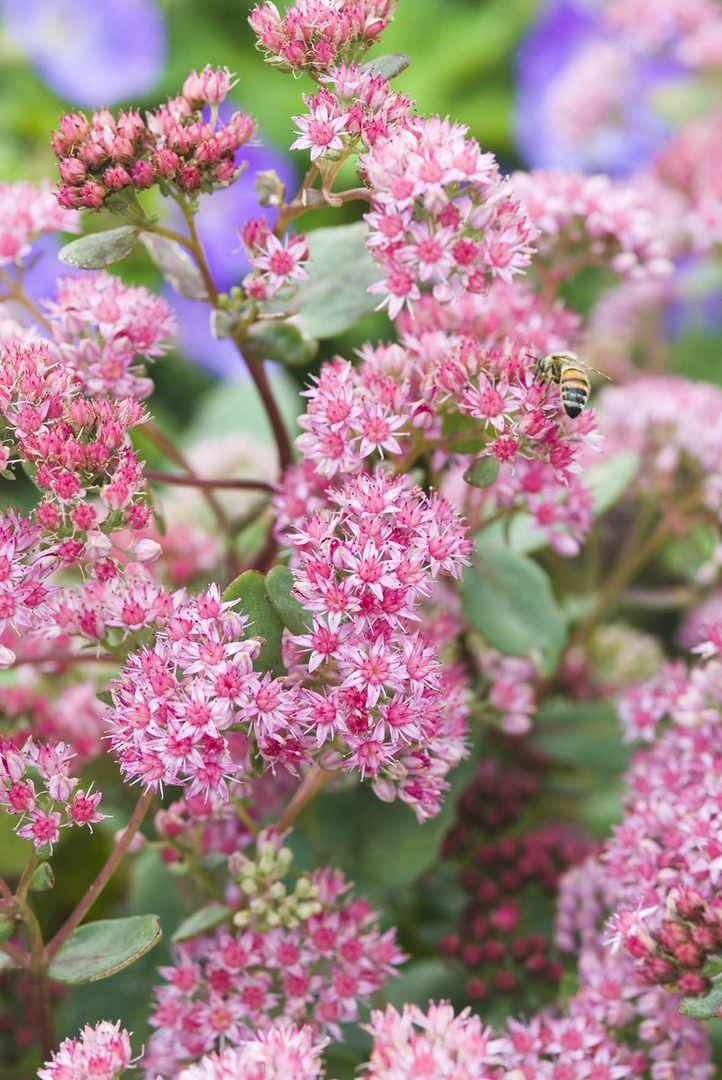
One of the easiest plants to cultivate, sedum thrives in poor soil and intense sun, making it ideal for beginner gardeners.
9. Lavender
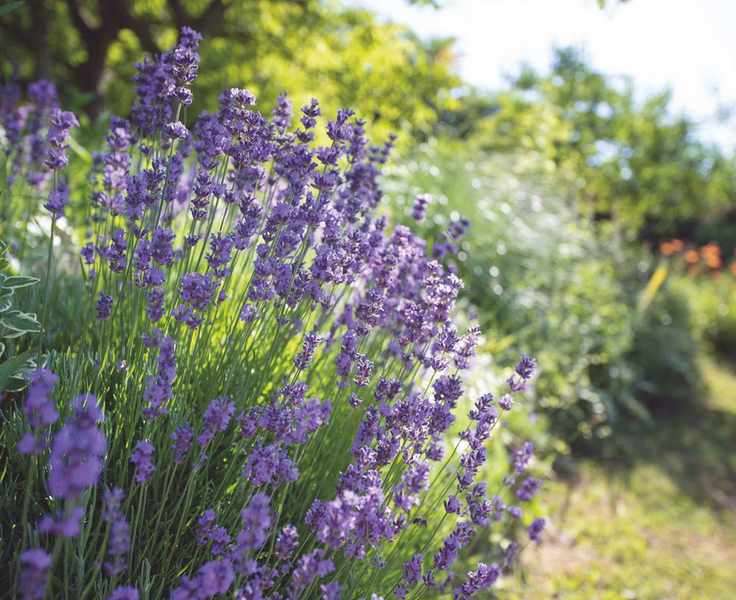
A classic from the Mediterranean region, lavender thrives in sunny environments. Growing lavender is straightforward, and its fragrant blooms add beauty to any drought-tolerant garden.
10. Ornamental grasses
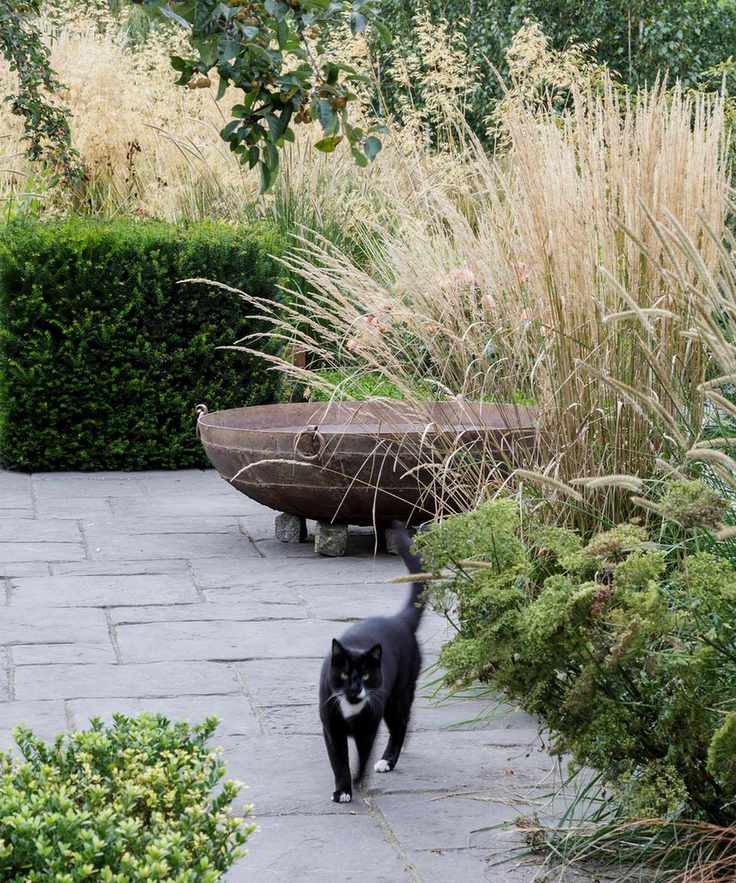
Ornamental grasses (stipa tenuissima) require minimal care, making them an excellent choice for dry gardens. Their compact form and lovely flowerheads create movement in the landscape.
These grasses also provide privacy for those in densely populated areas. Consider using tall, wavy grasses in containers to create a more secluded atmosphere.
Understanding drought tolerance in plants
Drought-tolerant plants can survive dry conditions. This category includes a wide variety of options, from container favorites and border plants to trees and shrubs.
'Many plants can withstand drought once established,' says a gardening expert. 'You might want to select them for containers as they will minimize your watering time.'
Identifying the best drought-tolerant plants
Plants with silver leaves reflect sunlight, while those with fine hairs trap moisture and those with small or needle-like leaves reduce water loss.
Improving soil conditions can greatly benefit plant health. Many Mediterranean plants prefer free-draining soil and struggle in waterlogged areas during winter, so enhancing soil structure is key.
Once established, these hardy plants need little maintenance. Drought-tolerant planting is an exciting way to transform challenging garden spots into beautiful displays, allowing you to relax during vacations without the worry of watering.



