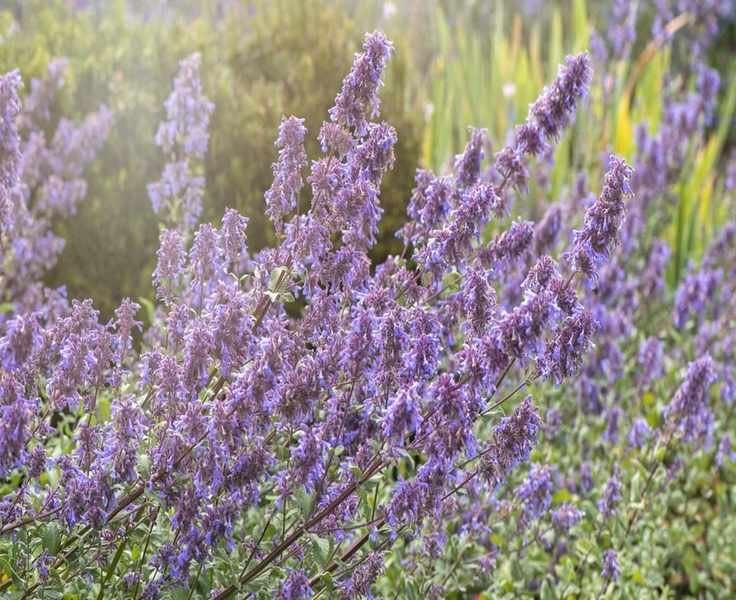
For those who appreciate the allure of English cottage gardens, few plants rival the beauty and fragrance of catmint. With its silver-green leaves and enchanting lilac flowers, catmint adds charm to any garden path or wall.
This aromatic perennial is a favorite among gardeners. Catmint, or Nepeta, blooms throughout spring and summer, offering a burst of color and appeal. With proper care, it will delight both you and any curious cats that wander by.
Regarded as one of the top perennials, catmint is relatively easy to cultivate. However, understanding its soil, sunlight, and pruning needs is crucial for success. Here, gardening enthusiasts share their best advice.
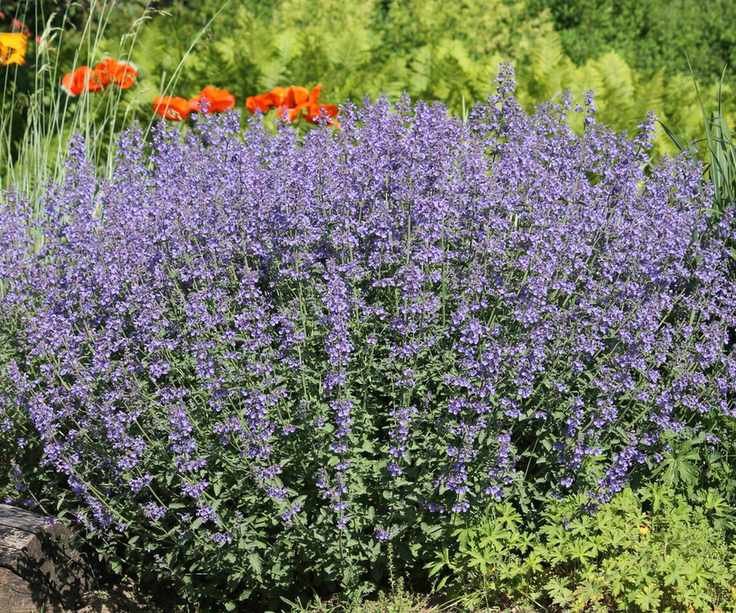
Growing Catmint
With its fragrant foliage and flowers, catmint is a dependable addition to your garden. This low-growing perennial forms vibrant clumps that return annually. Its name comes from its appeal to cats, so be prepared for some furry visitors!
Key Facts About Catmint

Catmint is a resilient and adaptable plant. Thriving in US hardiness zones 3 to 8, it prefers sunny locations, according to Gail Pabst, a gardening expert.
Originating from Europe, Africa, and Asia, Nepeta is cherished worldwide, with various types used in gardens and containers. One highly recommended variety is Nepeta racemosa 'Walker's Low', available as starter plants. I've had great success growing this variety, which continues to bloom into fall with proper care.
According to Gail, 'Proper care will yield abundant summer blooms.' The key is knowing when to prune catmint for optimal growth. Late winter or spring is ideal for pruning, but deadheading during the growing season can also promote further blooms.

Tips for Growing Catmint

- Soil: Catmint thrives in well-drained soil. Having grown these Mediterranean plants in Italy, I found they flourish in loose, rocky soils. Avoid dense, clay soils or areas prone to waterlogging.
- Light: 'Catmint loves sunlight,' says Mike Murphy, garden expert. While it tolerates partial shade, full sun ensures the best growth.
- Watering: Catmint is drought-resistant, making it suitable for water-conscious gardeners. Initially, during the first year, ensure weekly watering to establish roots, but afterward, it can manage with minimal water.
- Fertilizing: This plant does well with little to no fertilizer, thriving in nutrient-poor soil. A common mistake is over-fertilizing, which is unnecessary for catmint. A seasonal mulch in fall or winter can enhance soil quality and support growth. Mulch can be conveniently purchased online.
- Pruning: 'March is ideal for pruning,' Mike recommends. Trim as new growth appears in spring. Regular trimming during the growing season, around May or June, promotes vigorous growth and a second bloom.

Can You Grow Catmint in Containers?
Definitely! Catmint adapts well to pots, perfect for smaller gardens. However, potted plants need more water than those in the ground, so keep an eye on their moisture levels throughout the summer.
Catmint is a low-maintenance perennial that brings both color and fragrance to your outdoor space. Explore additional tips on fragrant perennials to create a delightful garden filled with enticing scents.