
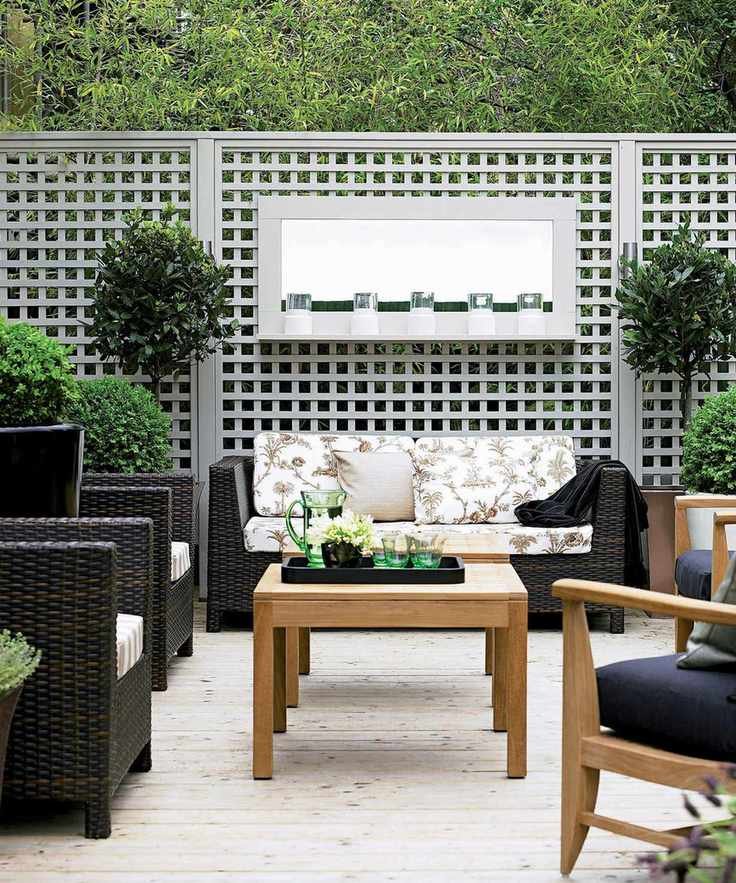
Compact garden ideas offer many benefits, primarily their low-maintenance nature. Small gardens, balconies, terraces, and neglected corners can be transformed into inviting outdoor spaces with thoughtful design.
Utilizing visual tricks, effective lighting, creative planting, and comfortable seating can enhance even the most limited spaces. Whether you want to establish a stunning balcony garden or add furniture to your patio, there's plenty of inspiration below.
Compact Garden Ideas – 30 Stylish Solutions for Small Spaces
Even the tiniest outdoor area can be stylishly designed. The secret lies in simplicity and elegance.
Limit the materials used for landscaping like paving or decking to just a few styles, and choose a cohesive color scheme. Employ the 'slow reveal' technique; not seeing the entire garden at once creates an illusion of space. A secluded seating area behind a large plant, for instance, can add a sense of adventure.
Select plants suited to your garden's sun or shade levels, and consider vertical gardening to maximize plant space. A mix of evergreens and seasonal blooms often yields pleasing results.
Here are our top small garden ideas, curated by experts.
1. Perfect Your Layout
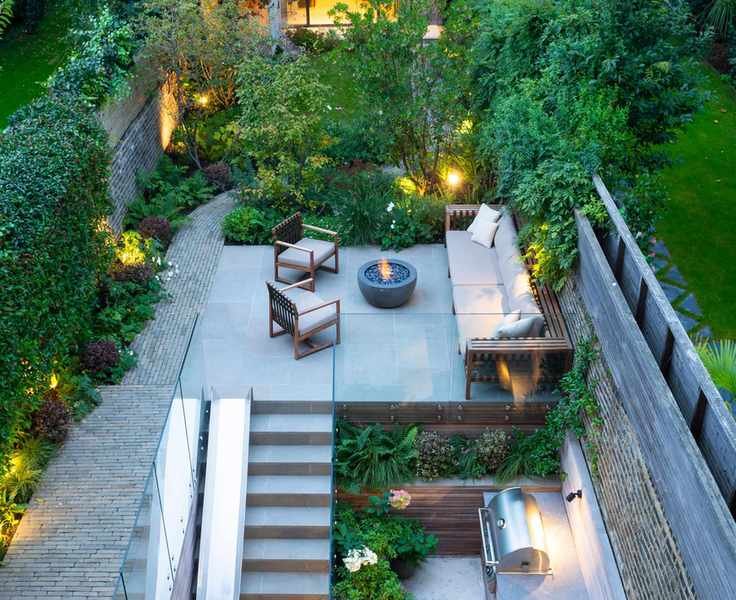
"Plan your seating and lounging areas before landscaping," suggests an expert. "Position them back to avoid blocking pathways. Also, understand sun and shade patterns to place seating wisely."
2. Opt for a Monochrome Palette
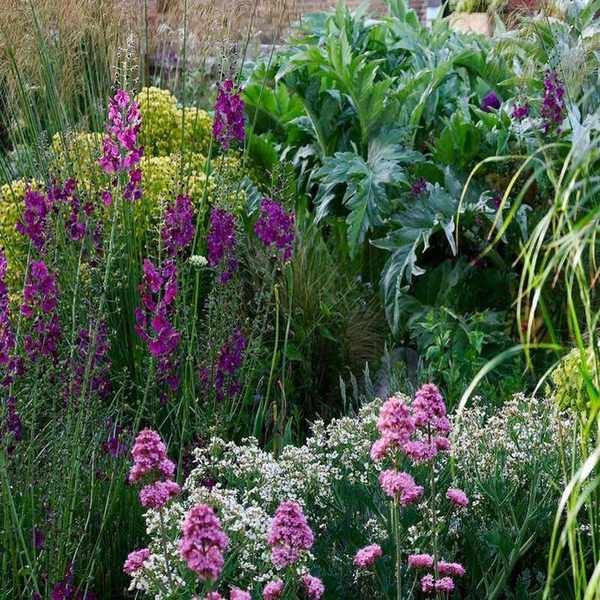
A monochromatic planting scheme can create a cohesive, serene feel in a small garden. Just as minimalist decor makes small rooms feel larger, using a limited color palette in your garden can enhance its appearance.
3. Leverage Repetition
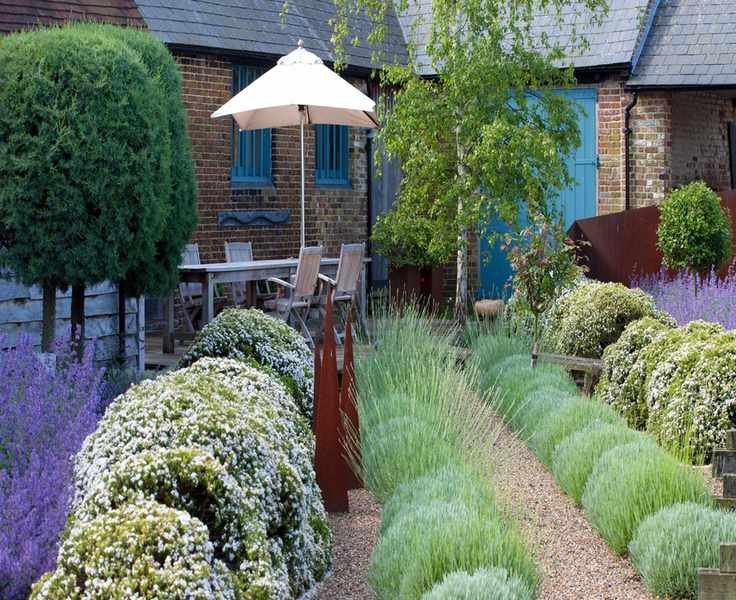
Repetition makes spaces look well-designed and harmonious. It can be achieved by repeating colors, plant types, or furniture styles.
4. Focus on Outdoor Living Areas

In smaller gardens, creating a functional outdoor living area is crucial. You may have limited room for both planting and seating, so design a seating area surrounded by strategically placed container plants.
5. Incorporate Cottage Garden Elements
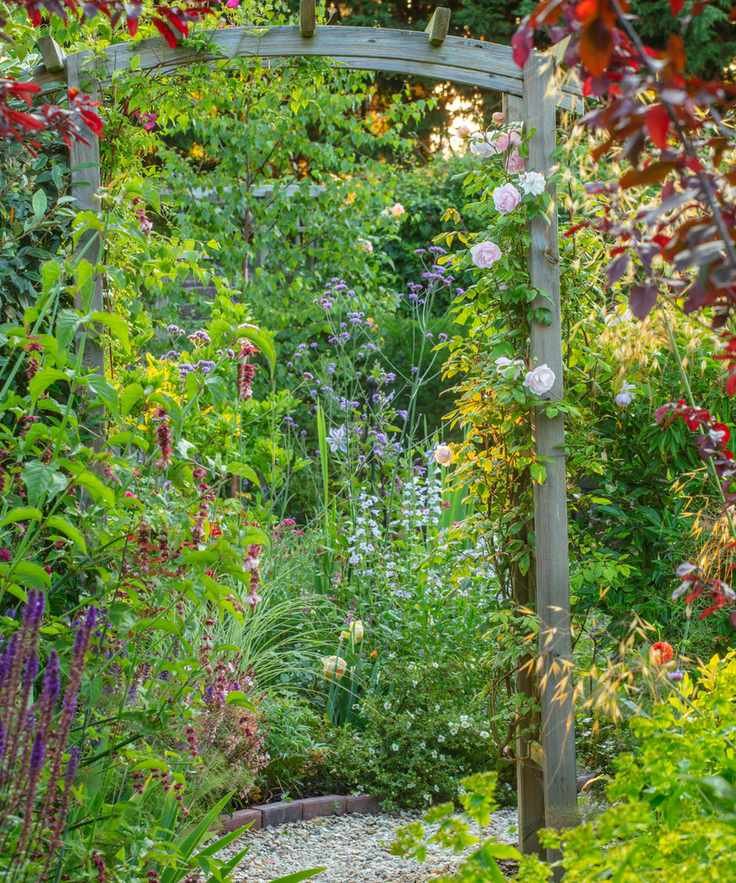
Cottage gardens are perfect for small spaces, featuring vibrant plants and a mix of flowers, fruits, and vegetables. Consider adding structures like arbors to enhance vertical interest.
6. Create a Relaxation Zone

Determine the primary function of your garden, be it lounging, dining, or a combination. Use privacy hedges and container plants to maintain greenery while establishing your desired area.
7. Use Trellises to Enhance Views
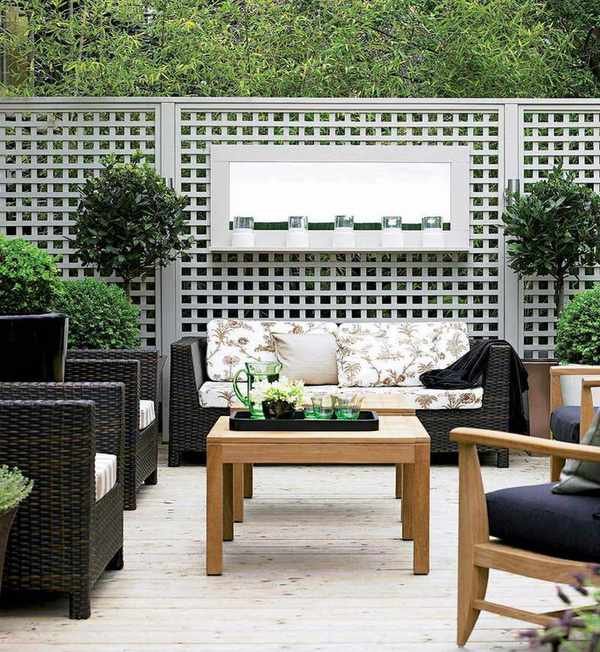
Trellises provide a light barrier, enabling you to enjoy views beyond your garden while disguising unattractive elements like compost heaps.
8. Create Garden Rooms
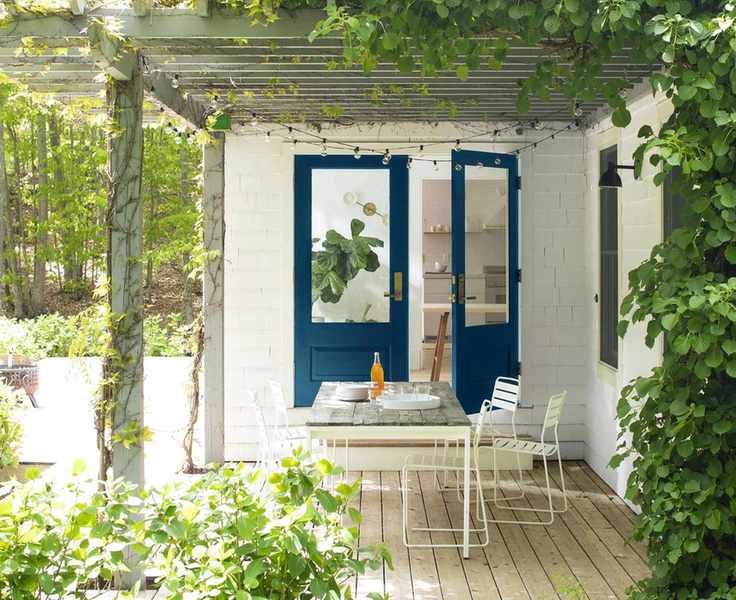
Defining sections within your garden can create the illusion of size. Use varied flooring or overhead structures to differentiate areas without visible barriers.
9. Zone with Decking

Decking can divide a small garden into functional areas, making it feel curated and spacious. It can weave through planting beds to enhance the layout.
10. Brighten with Paint

A fresh coat of outdoor paint can significantly enhance the aesthetic of your space. Consider painting fences or sheds to create a vibrant backdrop.
11. Install a Rock Garden
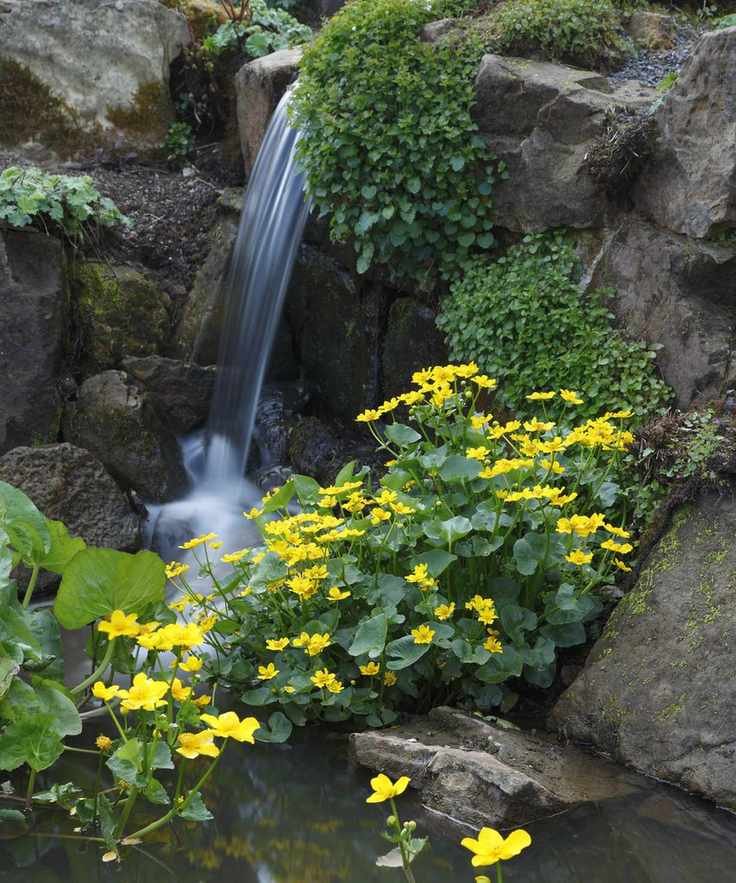
Rock gardens can be scaled to fit smaller areas and create a whimsical effect when combined with interesting plantings.
12. Dedicate Space to Edibles
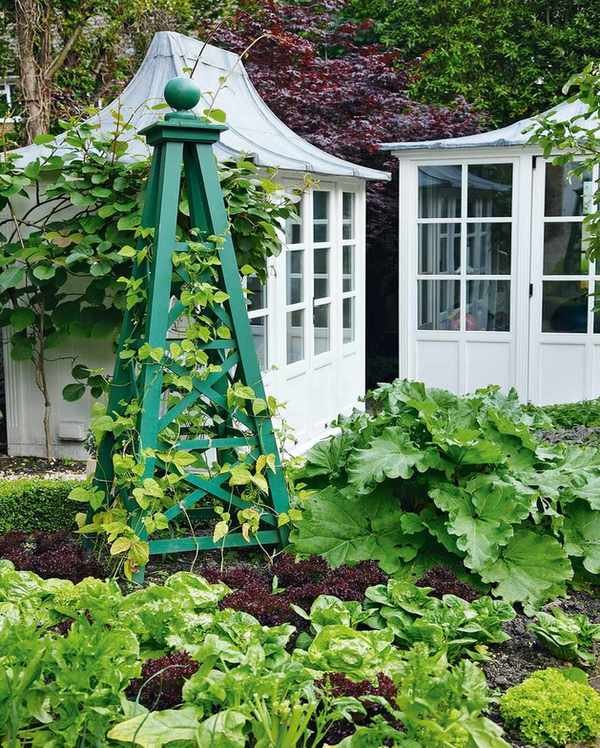
Create a small vegetable patch focusing on high-yield crops like tomatoes or herbs in pots. This allows for gardening even in tight spaces.
13. Ditch the Grass

Replacing grass with a patio can simplify maintenance. Combine paved areas with raised beds and climbing plants for a lush effect.
14. Keep It Simple

When designing your garden, a limited selection of materials and plants can achieve the best results. Avoid overcrowding to maintain usability.
15. Choose Smart Plants
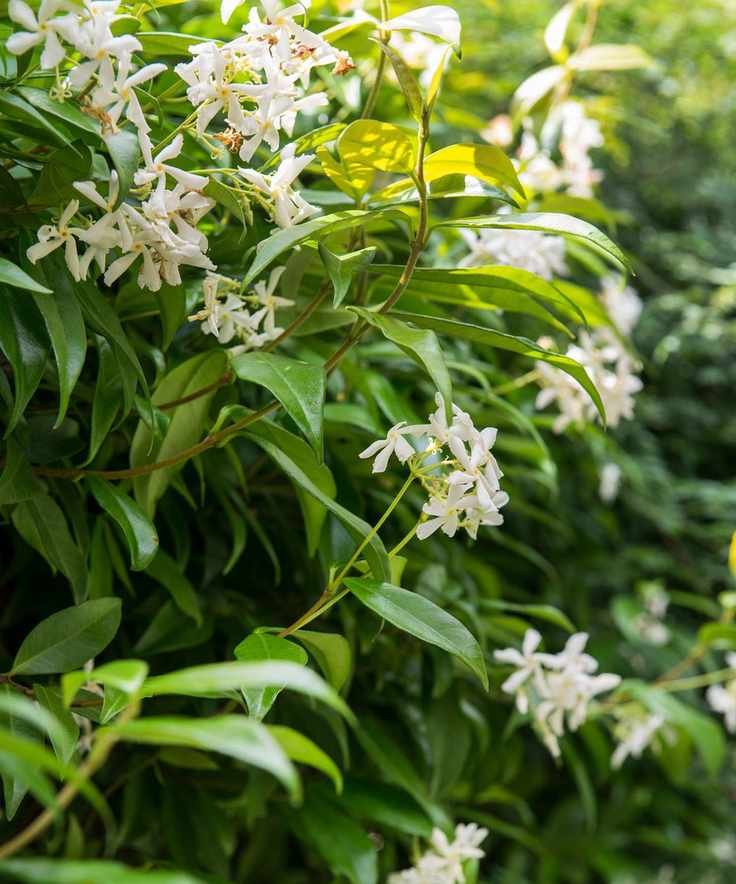
Select plants that won't overcrowd your space. Evergreen climbers like star jasmine can add beauty and interest year-round.
16. Use Large Pots

In small gardens, larger pots can create a strong visual impact. They make plants easier to care for and can serve as focal points.
17. Maintain Consistency

Ensure that your garden complements your home's interior design. Matching materials, colors, and plants can create a seamless transition.
18. Add a Water Feature
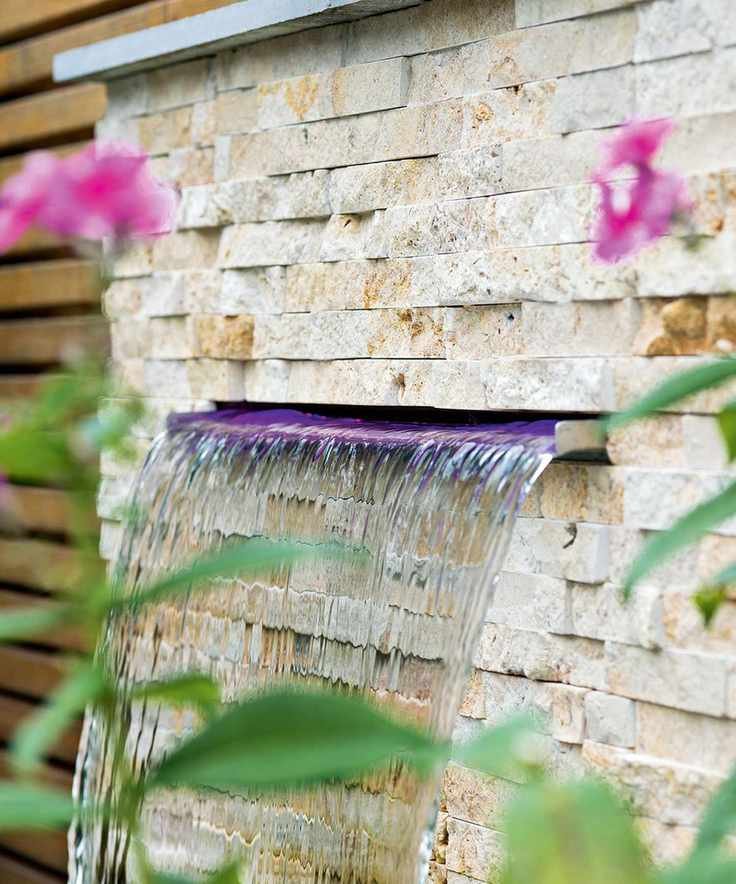
Water features can serve as focal points, enhancing your garden's ambiance. Placement is key; some features are best as central points, while others can be tucked among plants.
19. Illuminate Thoughtfully

Strategically placed lighting can enhance your garden's atmosphere. Highlighting specific areas creates interest while preserving areas of darkness for balance.
20. Create a Shady Retreat

Design a shaded corner that engages the senses. Trees can provide coverage while allowing light to filter through.
21. Consider a Sunken Garden
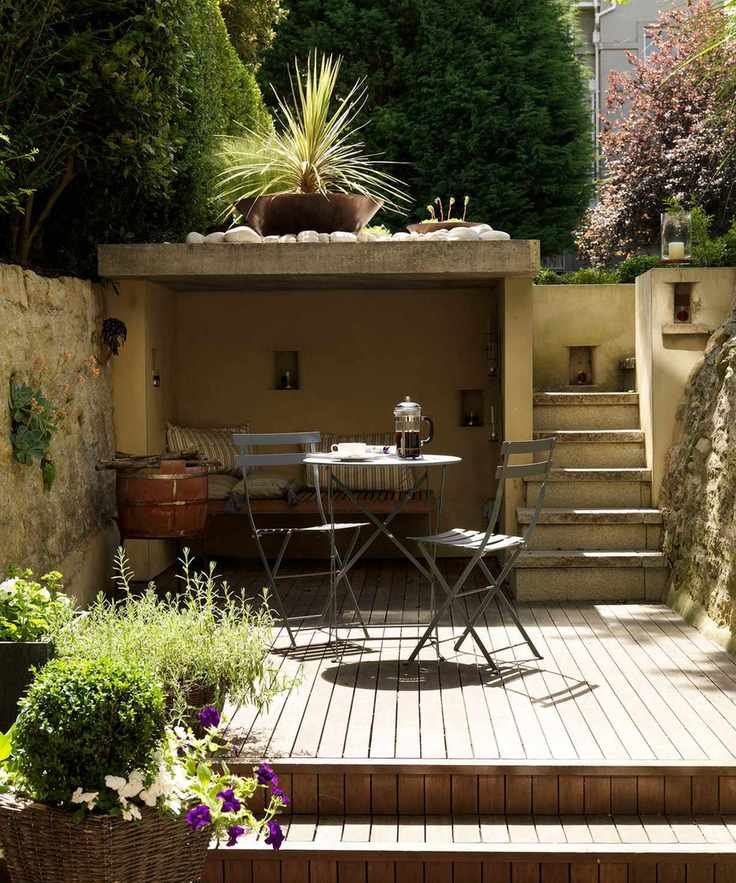
Sunken gardens can maximize privacy and create a unique retreat, especially in areas where fences cast unwanted shade.
22. Prioritize Maintenance
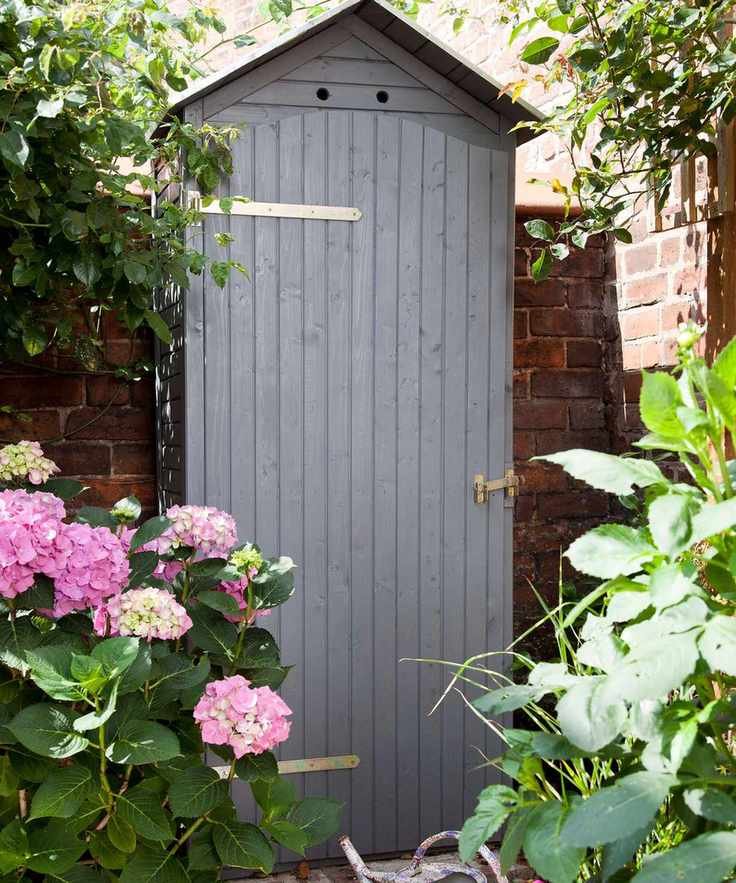
Regular cleaning and organizing can enhance your garden's appeal. A tidy space ensures you make the most of even the smallest areas.
23. Utilize Vertical Space
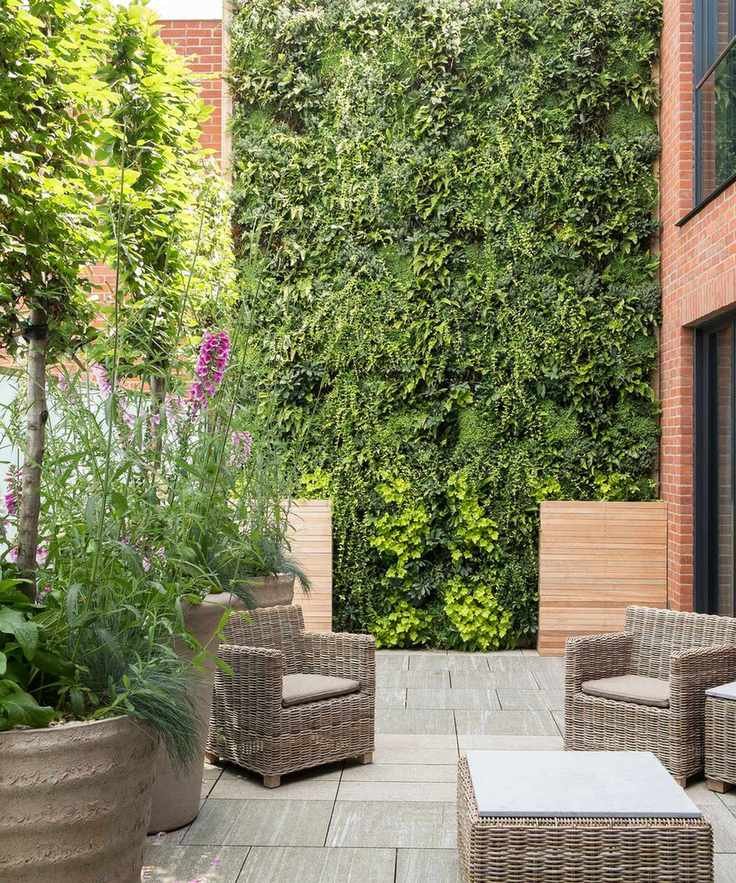
Vertical gardens offer a stylish solution when floor space is limited. Use structures to grow plants upward, maximizing your garden's potential.
24. Choose Low-Level Furniture

In a compact area, select furniture that complements the space's scale. Low-profile seating can enhance comfort without overwhelming the design.
25. Create a Garden Office

A garden office can be a wonderful addition, allowing for a peaceful workspace away from home. You don't need a large garden to create one.
26. Embrace Small-Scale Topiary

Topiary can add a dramatic touch to compact spaces. Use small, sculpted plants to create visual interest and structure.
27. Play with Scale
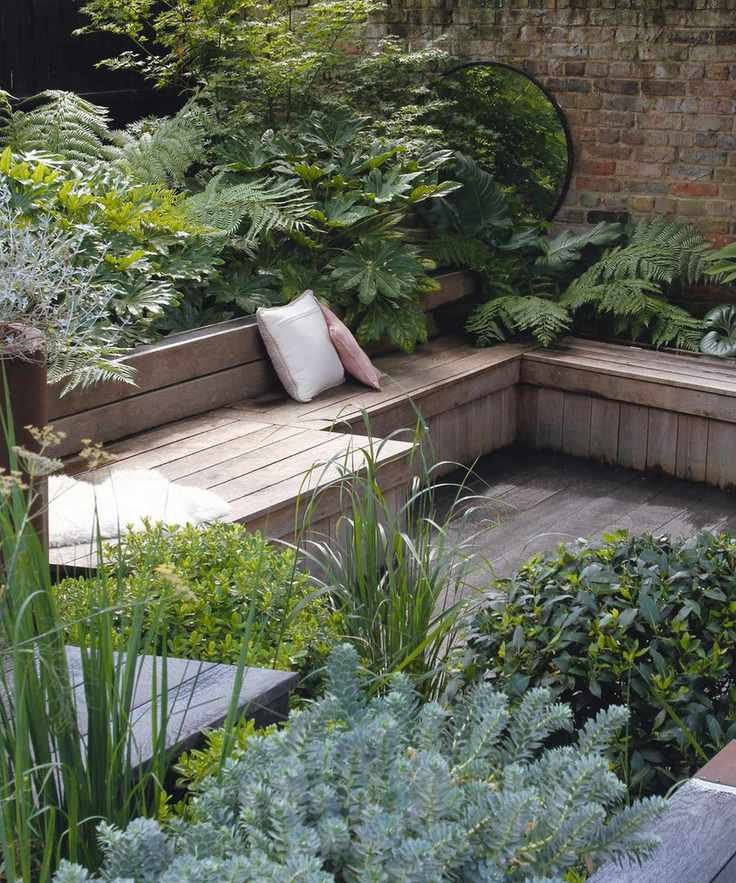
In a petite garden, large plants can create harmony and texture. Consider incorporating a variety of plants that complement each other.
28. Plant Around Pavers
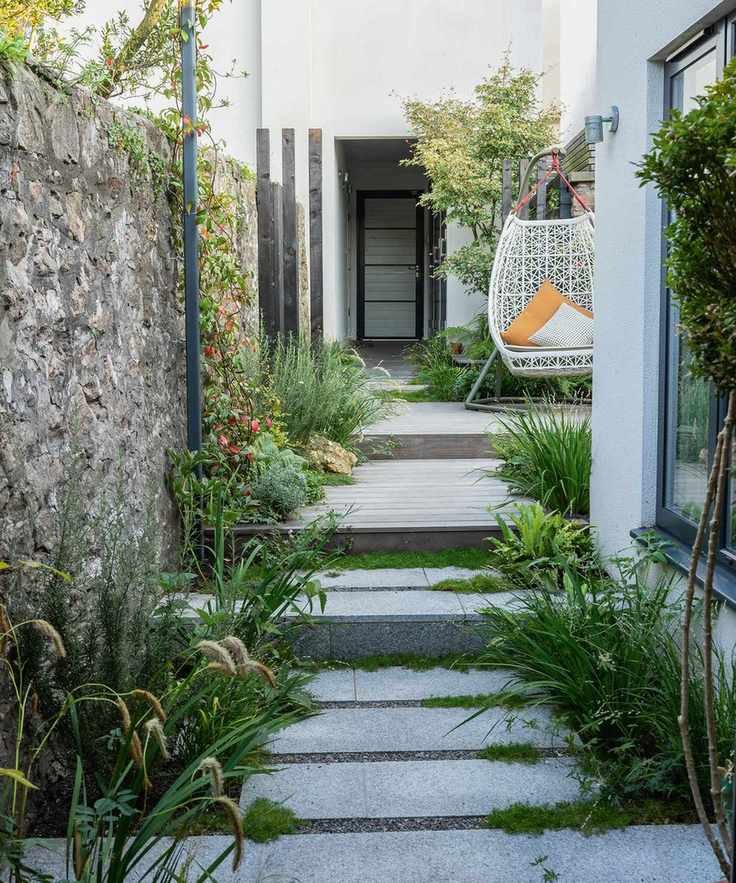
Integrating planting around hard surfaces can soften the overall aesthetic. Incorporating climbers can draw the eye upwards and enhance visual appeal.
29. Let Your Plants Shine

Every small garden can be an asset if designed thoughtfully. Prioritize practicality while ensuring it looks great from inside and outside.
30. Enhance Your Views

Create inviting vistas that draw the eye, whether through layering plants or capturing views beyond your garden. This approach can make even the smallest spaces feel expansive.



