
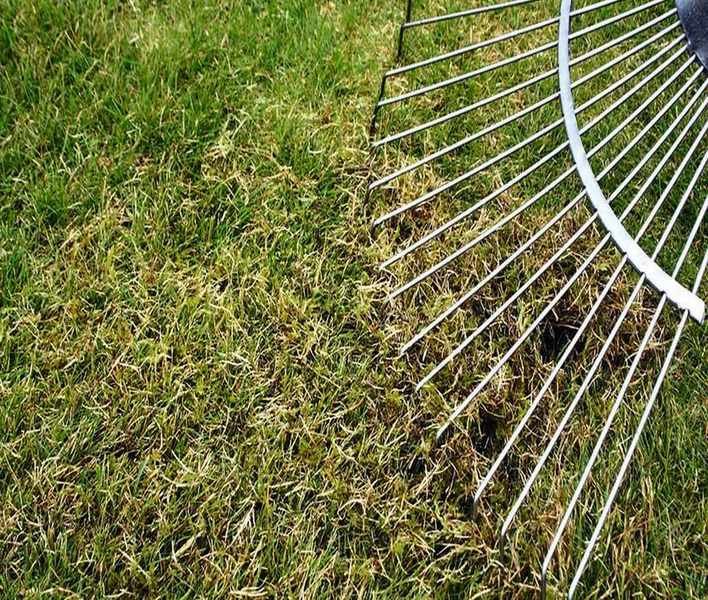
Transforming your lawn doesn't require fancy gadgets. A lawn rake is a versatile, budget-friendly tool that is key to effective lawn maintenance.
This tool shines in spring, especially for dethatching, which allows more air and water to nourish the grass, resulting in a vibrant summer lawn.
Experts recommend having a lawn rake in your shed. If you haven't yet started your spring lawn care, it's not too late to grab one and enhance your lawn's appearance.
You can find a durable 24-tine steel lawn rake with a fiberglass handle at Lowe's.
Uses of a Lawn Rake
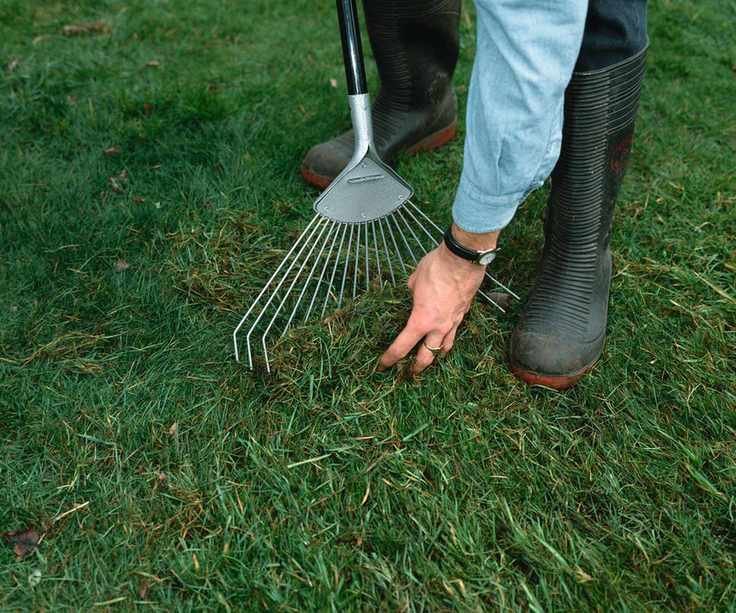
While it may not look fancy, a lawn rake is essential for maintaining a thick, green lawn. Every homeowner should consider adding one to their tool collection.
According to a lawn care expert, Todd Huffine, a lawn rake is one of the best investments for homeowners seeking a beautiful lawn. It's inexpensive, durable, and versatile.
(Todd also recommends a soil meter for monitoring pH and moisture, as many lawn problems stem from these factors. Check out a 4-in-1 soil meter at Amazon that tests pH, moisture, light, and temperature.)
So, what can you do with a lawn rake? Let's explore.
Primarily, a lawn rake excels at raking. It effectively removes leaves in fall and dethatches in spring, eliminating moss and debris to promote healthy grass growth. These tasks are vital for lawn health throughout the year.
A spring-tine rake can also help lift and loosen matted grass caused by winter snow or foot traffic, which can impact overall lawn health.
Matted grass traps moisture underneath, hindering air circulation and making the lawn prone to diseases like snow mold in winter and blight during humid summers.
Spending a few minutes raking can significantly improve an affected area.
When overseeding, it's advisable to rake the area first to clear thatch and moss. This also prepares the soil, ensuring good contact with the grass seed for better germination.
Additionally, a lawn rake can help spread compost or topsoil, flatten molehills, and distribute soil plugs after core aeration.
It's impressive how much one tool can accomplish in lawn care throughout the year.
Springtime Lawn Rake Duties
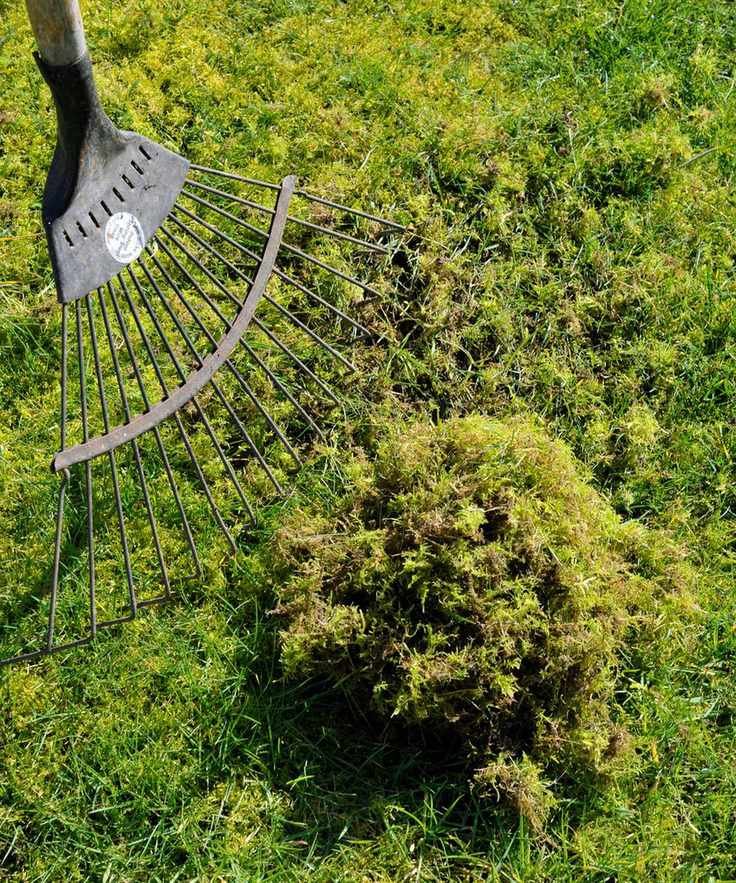
Spring is the prime time for using a lawn rake, crucial for any gardening checklist. The best time for lawn care is from mid-March to early May, depending on your region and grass type.
However, lawn expert Chris McIlroy reminds us not to worry if you haven't started by late May; there's still time to use a rake and prepare your lawn for summer.
Don't delay until next year; it's still possible to enhance your lawn's condition now.
To begin, clear the lawn of debris like stones, twigs, and leaves before starting any care.
Dethatching is the main job for the lawn rake, as excessive thatch leads to unhealthy lawns with shallow roots, making them vulnerable to pests and diseases.
Todd suggests that even a simple once-a-year dethatching can vastly improve lawn health. For under $20 and just 20 minutes of effort, you can significantly enhance the air and moisture flow to the soil.
While the task might take longer depending on your lawn size, it's worth the effort.
Choose between plastic or metal spring-tine rakes; metal ones are more versatile. They are sturdy and great for debris collection, while plastic rakes are gentler on matted grass and leaves.
Recommended Lawn Rakes
Adjustable Lawn Rake
This heavy-duty metal rake features an expandable head from 8 to 17 inches wide and an adjustable handle that extends from 30 to 58 inches.
Polysteel Lawn Rake
With a 48-inch wooden handle, poly frame, and steel head with 22 tines, this rake is durable and built to last.
Metal Tine Rake
This lightweight Fiskars rake weighs just 2.3 pounds due to its fiberglass handle and steel head, which stays attached securely and resists rust.
If you prefer a more specialized tool, consider a thatching rake at Lowe's with sharp blades tailored to remove dead grass and moss. Whether you need this tool depends on how often you dethatch and if you want a multi-use tool.



