

Rewilding emphasizes the balance between managing your garden and letting nature flourish. This year, as we focus more on environmental sustainability, rewilding—restoring land to natural habitats that support various wildlife—has become increasingly crucial.
Discover everything about reviving your garden through rewilding.
- See more: Wildlife-friendly garden ideas – cultivate a haven for wildlife in your garden
Understanding Rewilding

Isabella Tree has notably advanced the concept through her book Wilding (£9.99, Picador), detailing the transformation of the Knepp estate in West Sussex, which became a Sunday Times best-seller last year.
For over twenty years, Isabella and her conservationist partner Charlie Burrell converted their 3,500-acre agricultural land into a wildlife sanctuary, home to species like turtle doves, nightingales, and various bats, along with free-roaming longhorn cattle, Tamworth pigs, Exmoor ponies, and deer that help maintain the ecosystem through grazing and foraging. Allowing the wild flora to flourish resulted in a rich and diverse landscape.
Isabella asserts we must reconsider our expectations of landscapes. 'Let nature take the lead. Relax, and relinquish control.'
The remarkable success at Knepp, alongside other rewilding initiatives, is motivating both professional and amateur landowners to adopt similar practices. At Hawthbush Farm in Kent, Lisa O'Connor and her husband Toby have spent ten years transforming arable land into organic pastures, creating wildflower meadows and traditional hedgerows.
'The increase in bird and insect populations has been astonishing,' shares Lisa. Yet, she emphasizes that these principles can be adapted to home gardens. 'Small wildflower patches are lovely and can be created with some planning. They just need one annual cut. If you have a large garden or an overgrown area, give it a break! Stop mowing and watch nature reclaim it.'
Even in smaller spaces, wild areas can be intentionally designed. Gardener and author Arthur Parkinson has turned a dull verge near his home in Nottinghamshire into a vibrant meadow filled with crab apple trees and spindle bushes, providing fruit for birds.
His garden features pollinator-friendly roses, buddleia, and cardoons, underplanted with a variety of bulbs—narcissi, tulips, alliums, and gladioli. While aesthetically pleasing, the priority is wildlife; he cultivates annual red millet and teasels for finches, allowing nettles as crucial butterfly habitats.
Arthur advises gardeners to be cautious with mass-produced plants. 'Those inexpensive perennials from nurseries may contain harmful chemicals or be grown in peat. The ivy we often want to remove can be a valuable habitat. We need to be more thoughtful and inquisitive. It's encouraging to see many bulb and plant growers moving away from peat and banning harmful neonicotinoids in nurseries. Opt for organic plants and bulbs.'

The rising enthusiasm for a more natural gardening approach is reflected in recent publications. Frances Tophill's Rewild Your Garden (£15, Quercus, releasing in August) offers sustainable gardening techniques for various settings, from small balconies to expansive gardens.
In Wild Your Garden (£14.99, Dorling Kindersley), garden designers Jim and Joel Ashton outline essential steps to welcome nature back into your garden. Similar to Arthur, they emphasize the importance of plant layering—a mix of trees, shrubs, and climbers that over time will create habitats for wildlife. Simple changes, like opting for a native hedge over a fence, planting clusters of nectar-rich flowers, or adding a small pond, can radically transform a garden. 'A successful wild garden mimics natural habitats, providing a welcoming space for wildlife.'
By incorporating these elements, wildlife will start to frequent your garden, creating a serene and uplifting environment for us as well. Who wouldn't want to awaken to the sound of birds, observe busy bumblebees, or follow butterflies through a lush, wild garden on a summer day?
10 Creative Ways to Rewild Your Backyard

1. Replace Chemicals with Organic Solutions
When rewilding, opt for nematodes for slug issues or introduce ladybirds for aphid control. Choose organic seaweed fertilizer instead of chemical options.
2. Embrace Natural Disorder

Rewilding allows your grass to grow long, appreciate a few weeds, and recognize that a messy bramble patch provides essential food and shelter for birds.
3. Shop Responsibly
Inquire about your nursery's practices. Look for plants cultivated in peat-free compost and free of chemicals.
4. Provide Water Sources

A fresh water source benefits wildlife—an upturned dustbin lid regularly refilled can do the trick.
5. Attract Pollinators
Select flowering plants that appeal to pollinators; opt for open-shaped single or semi-double roses rather than densely petalled varieties.
6. Plant Wildflowers
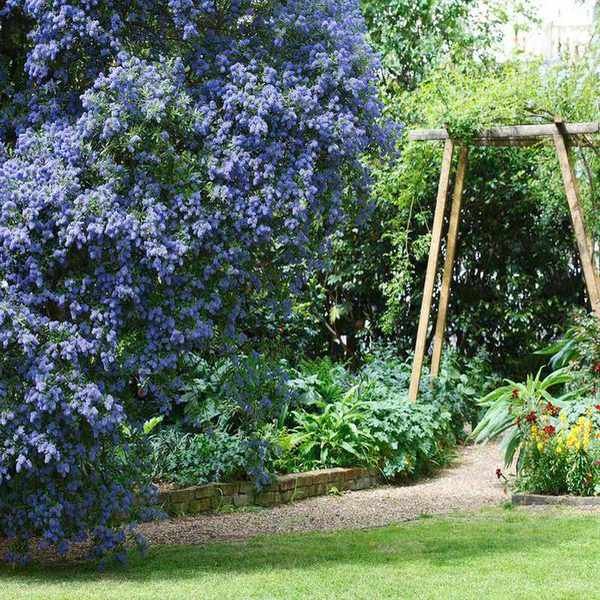
If you're letting grassy areas go wild, choose resilient plants like meadow geraniums, wild roses, and poppies.
7. Recycle Waste

Compost your garden waste to enrich your soil.
8. Ditch Traditional Fences

Use native hedges instead of fences, providing shelter for birds, especially if they bear flowers and berries like hawthorn and holly.
9. Create Animal Corridors
Make openings in fences to allow hedgehogs to roam freely.
10. Nourish Your Soil
Healthy soil supports a biodiverse garden. Cover bare earth and borders with a thick layer of organic mulch in spring or autumn to improve soil quality.
Is Rewilding Beneficial?
Absolutely. Rewilding significantly enhances your garden's soil and ecosystem, benefiting the insects, birds, and animals that rely on it.



