Succession planting is an effective method that allows you to optimize the yields from your vegetable garden. With a little foresight and strategic planning, you can achieve impressive harvests even in compact spaces.
This technique involves growing different crops in the same area over a season or replanting the same crop at intervals to prolong its harvest. It's a highly efficient way to cultivate a variety of crops.
To excel at succession planting, incorporate it into your yearly sowing schedule. By planning your sowing correctly, you can maximize your garden's potential and ensure optimal yields. Here, we'll explore the advantages of this method and provide expert tips for effective planting combinations.
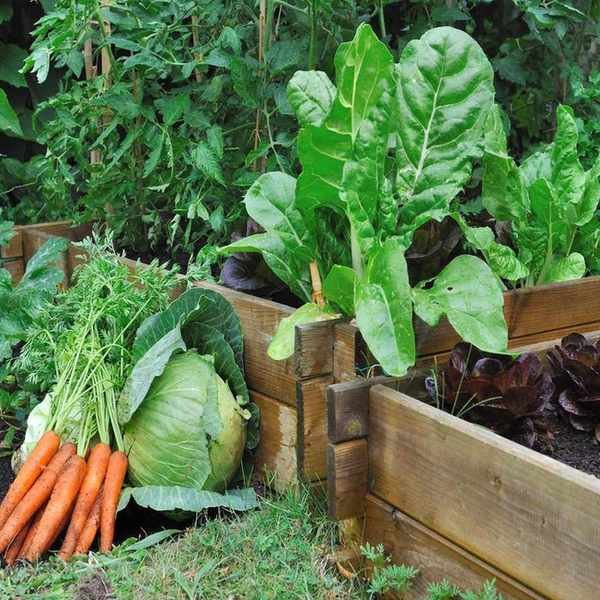
Succession planting works well in both raised beds and traditional gardens
Successional Sowing vs. Planting
Successional sowing is a common practice in vegetable gardening aimed at extending harvests. It's particularly beneficial for rapidly maturing vegetables, such as radishes, peas, beets, and lettuce.
By staggering smaller sowings every few weeks, you can ensure a steady supply of crops throughout the season instead of overwhelming yourself with all of them at once. Successional sowing is essentially a key aspect of succession planting.
Defining Succession Planting
Time your plantings to make the most of any space
There are numerous benefits to succession planting. It helps maintain healthy soil, reduces weeds, and minimizes erosion. This method also maximizes your harvests throughout the gardening season.
By planting one crop right after another is harvested, you can potentially grow two or three crops in a single spot each season. Typically, this involves starting with a cool-season crop, followed by a warm-season crop, and possibly another cool-season crop in the fall.
With the potential for three harvests from a single bed, this technique can significantly boost your produce. Expert gardener Ren Elizabeth emphasizes, 'Maximizing your garden's potential, regardless of size, is achievable through this approach.
'More fresh produce from your garden means less spent at the grocery store, which is a significant advantage given rising food costs.'
Effective succession planting requires careful planning. When you plan and order seeds for the season, think about when to sow, how to grow, and the anticipated harvest times for each crop.

Advice for Successful Succession Planting
Here are some practical tips to help you master succession planting in your kitchen garden, regardless of its size.
Advance Planning

Advance planning is crucial for effective succession planting
Identifying the crops you want to grow in succession can lead to more informed decisions. The duration of your growing season varies by location, influencing how many harvests you can achieve from a single bed. Understanding the maturation timeline for each crop is vital.
Sonya Query, a master gardener, states that planning succession crops is 'essential' for ensuring consistent harvests and keeping your garden productive. She advises considering your climate, temperature variations, and the maturation period of plants to align harvest times accordingly.

Conduct Your Research
While it may seem overwhelming, much of the necessary information is available on seed packets or through a quick online search. Key data like planting dates and maturation periods are essential for effective succession planning.
Sonya Query suggests, 'Begin with a calendar, noting the maturity dates of your seeds, and stagger your plantings so that something new ripens every 2-3 weeks. While it requires some upfront effort, your future self will appreciate it.'
Utilize Transplants

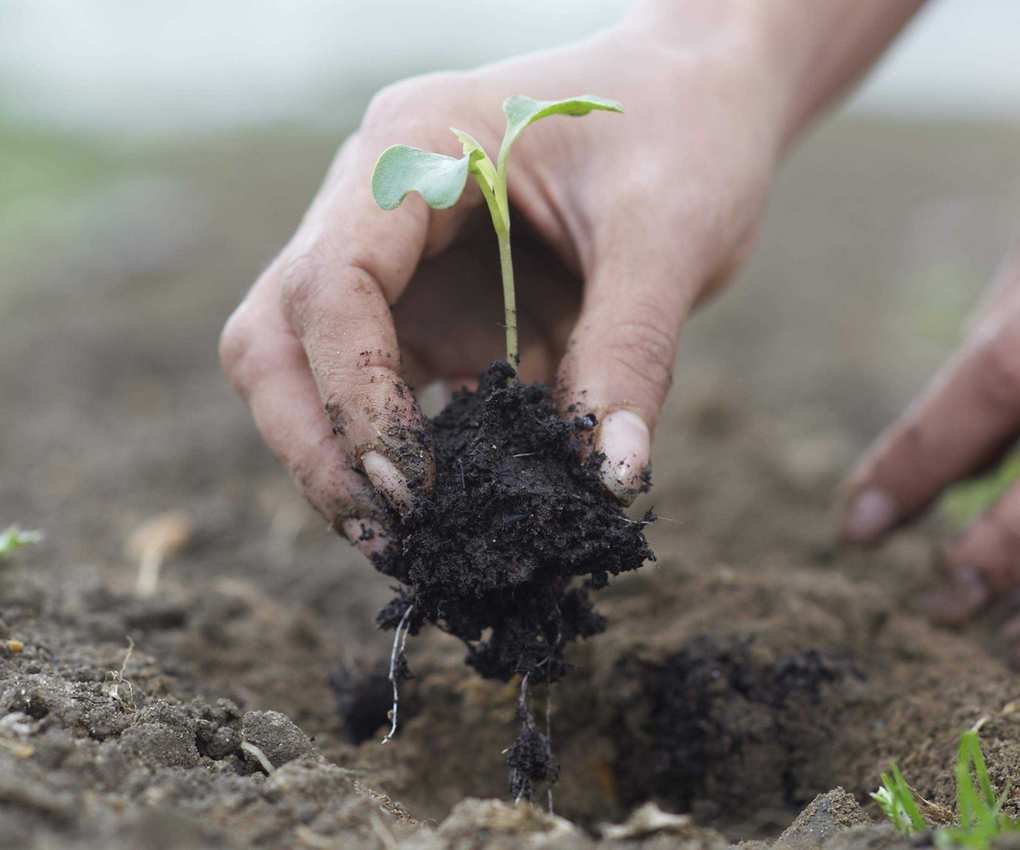
Transplants can be ready to go into the ground as soon as one crop is harvested
Starting seeds indoors can provide a head start for the season. If you begin vegetable seeds indoors or in a greenhouse before the last frost, you can have ready-to-transplant seedlings for your garden.
Starting seeds indoors or in a cold frame allows for a quick transition, ensuring the soil remains occupied. This minimizes the risk of pests like slugs or snails while seeds germinate.
Keep in mind, however, that some crops, such as parsnips and carrots, should be directly sown outdoors.
Soil Replenishment
After harvesting a crop, promptly prepare the bed for the next planting. Clear weeds, rake the soil, and add fertilizer to get it ready for the next vegetable.
If you've sown that crop earlier, your transplants can be set in almost immediately. You can enhance the soil with compost or well-aged manure to keep it fertile and healthy.
Climate Awareness

Know when to start planting based on your climate
Your local US hardiness zone determines when the soil warms up and is ready for planting. Preparing ahead of your area's last frost date offers numerous advantages.
Ren Elizabeth advises, 'As you approach the last frost date, complete any needed preparations for your garden beds. Clear weeds and leftover plant material, then top with compost. If using row covers, you can transplant your first crop shortly before the last frost.'
Crop Rotation
Implementing a crop rotation strategy is recommended to prevent planting crops from the same family consecutively. Rotating crops helps prevent disease buildup and keeps soil nutrient-rich.
When planning succession planting, avoid following one crop with another from the same botanical family.
Ideal Combinations for Succession Planting
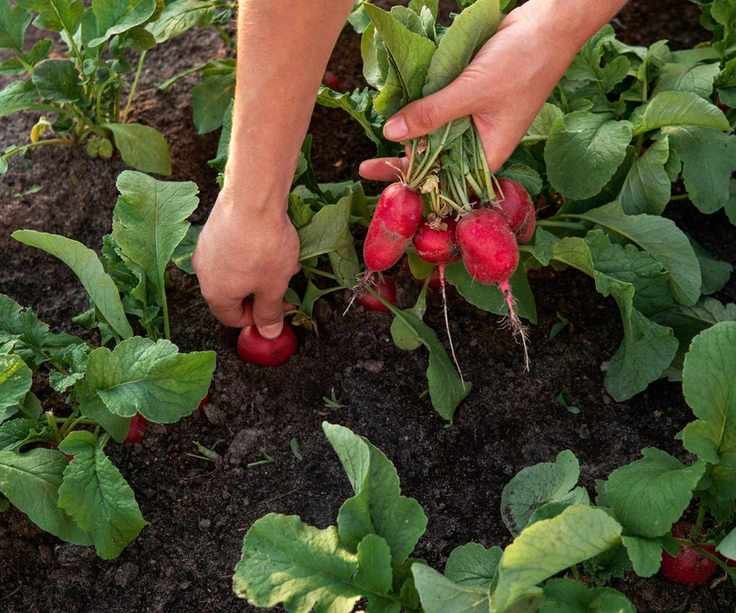
Radishes are an excellent choice for succession planting
Start simple with your succession planting. Many of the fastest and easiest vegetables are perfect for this method. Consider beginning with radishes and lettuce, as these quick-growing options kick off your succession planting plan.
Ren Elizabeth suggests a sequence of transplanted beets, followed by sugar snap peas, and then direct-sown carrots, along with combinations of radishes, bush beans, and spinach or Swiss chard.
Sonya Query adds, 'Kick off with radishes and lettuces. They grow quickly and set the stage for the next crops. Follow up with spinach and green onions while your larger fruiting vegetables mature. The highlight typically includes tomatoes, peppers, and cucumbers that thrive in summer heat. As summer fades, prepare for a fall harvest with kale and carrots.'