Growing plants from seeds is one of the most fulfilling aspects of gardening. As spring approaches, the urge to start sowing seeds begins to grow.
By starting seeds indoors, you can get a jump on the season, germinating flowers, vegetables, and herbs in a safe, warm setting. This means you'll have young plants ready to transition outside once the frost has passed, giving you an earlier blooming season and harvest.
With years of experience in gardening, I developed effective propagation techniques that led to successful seed growth year after year. I cultivated plants for displays, floral arrangements, and kitchen gardens. Here are crucial insights on sowing seeds indoors to ensure robust and healthy plants.

Enjoy earlier harvests by starting seeds indoors
When to Start Seeds Indoors
While you can sow seeds indoors during winter, starting earlier may require additional heating and lighting to prevent leggy plants. January is the earliest you can begin, but success hinges on using a heated propagator and LED grow lights.
During my professional gardening days, I utilized a heated greenhouse and grow lights for early sowing. Many home gardeners typically wait until February, as light levels and temperatures begin to rise.
Essential Tools for Indoor Seed Sowing

Sowing seeds indoors is easy and enjoyable
Sowing seeds indoors requires minimal equipment. Here's what you need:
- Seed trays, module trays, or small pots for sowing; sanitize your containers prior to use.
- A quality potting soil mix, such as a dedicated seed-starting blend, like this organic seed starting soil available on Amazon.
- Your selection of seeds.
- A watering device, such as a fine rose watering can or mister.
- Labels to track sowing dates and plant names.
- A greenhouse or heated propagator to foster warmth for germination.
Additional useful items, though not essential, may include:
- A humidity dome to maintain moisture levels.
- A heat mat for consistent warmth beneath the trays.
- Grow lights to enhance light conditions for seedlings.
- Vermiculite to mix with soil or cover seeds.
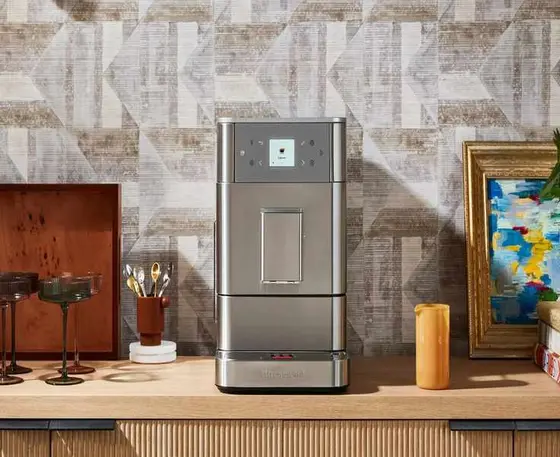
Premium Heated Propagation Kit
A complete system for starting seeds indoors, featuring a vented humidity dome, fluorescent grow light, and heated mat, creating an ideal environment for plant growth.
Choosing Between Trays, Modules, and Pots

Module trays are ideal for many vegetables
There are different containers for sowing seeds indoors: seed trays, module trays, and small pots. Here's a quick overview:
- Seed trays – These firm plastic trays are great for all types of plants and come in various sizes. However, they require pricking out and repotting seedlings, which can be labor-intensive.
- Module trays – These compartments allow for easy sowing. You can directly transplant seedlings from modules, minimizing the need for additional pots. Just ensure timely sowing to prevent root binding.
- Small pots – Best for larger seeds like pumpkins, they offer ample space but require more compost and room than trays.
Consider repurposing household items as seed trays if needed.
6 Steps to Successful Indoor Seed Sowing
With seeds and equipment at hand, follow these steps for successful sowing:
1. Prepare Your Containers

Seed trays can be made from biodegradable materials
Fill trays or pots with your growing medium. Lightly tap to eliminate air pockets but avoid compacting the soil, which can hinder seed growth. Leave some space at the top for covering seeds if necessary, and moisten the soil lightly before sowing.
2. Check the Seed Packet

Dispose of expired seed packets; keep usable seeds
Always refer to the seed packet for sowing depth and timing specifics. Different seeds have varying requirements; some should be buried deeply, while others need only a light covering or none at all.
3. Sow the Seeds
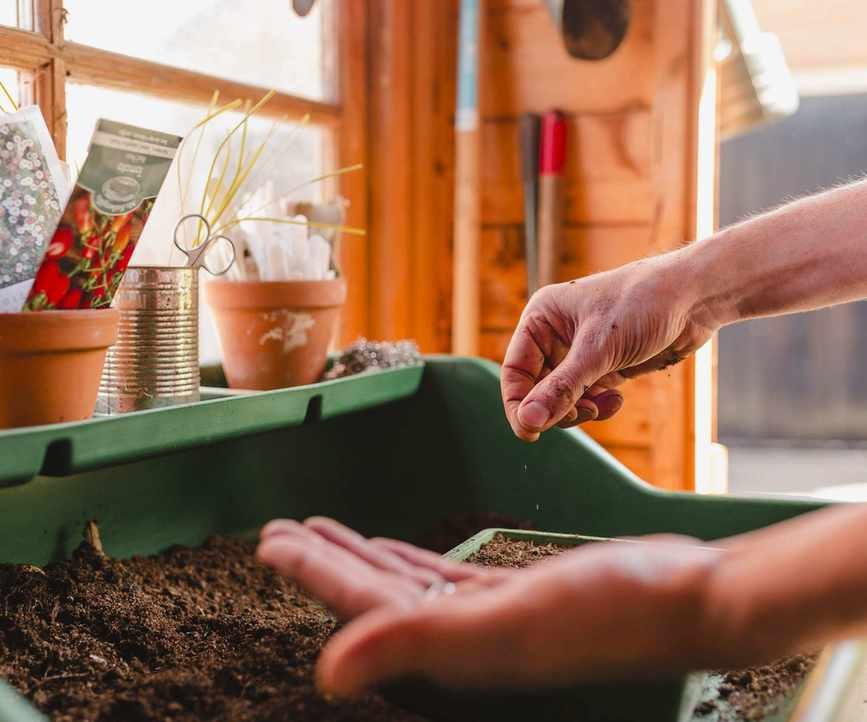
Avoid overcrowding seeds
For trays, evenly sprinkle seeds on the surface. In modules or pots, plant a few seeds per module, planning to keep the strongest one. Cover lightly with compost or vermiculite, unless otherwise stated. Label your trays with plant names and sowing dates.
4. Water Gently

A mister can help keep seedlings moist
Even if the soil is pre-moistened, seeds need more water. Avoid over-saturating as it can disturb the soil. I prefer watering from below by soaking trays in water, or using a fine rose watering can. Regularly check moisture levels, and continue bottom watering when possible.
5. Find a Warm, Bright Spot

Use a bright windowsill for seed germination
Heat and light are crucial for seed germination. A greenhouse is ideal, especially a heated one. If not, a sunny windowsill works well. Seed packets often indicate the best germination temperature. Consider using a heat mat, like this one from Walmart, to provide consistent warmth, and cover pots with a humidity dome or plastic to aid germination.
6. Nurture Your Seedlings

Thin seedlings in modules as they emerge
Seedlings will begin to appear soon, depending on the variety. Keep them adequately watered and ensure they get enough warmth and light. Once germinated, heat mats are no longer necessary, but maintain a warm atmosphere. If seedlings lack light, they may become leggy, so consider using LED grow lights.
After the first set of true leaves appears, it's time to prick them out and repot. You may fertilize with a slow-release option, ensuring your potting mix is not pre-fertilized to avoid overfeeding. Continue growing until frost risks pass, then transplant outdoors into flower beds or vegetable patches after hardening off.
FAQs
Which Seeds Should I Start Indoors?
A variety of seeds can be started indoors. You can begin many vegetables early, along with numerous flower seeds as well.
Vegetables like tomatoes, eggplants, and peppers thrive when started indoors, along with brassicas like cauliflower and broccoli. Many flowers and biennials can also be started during warmer months. Check seed packets for specific recommendations.
Do I Need Light for Indoor Seed Starting?
While light isn't necessary for seeds to sprout, it becomes essential once seedlings emerge. Adequate lighting is crucial for healthy growth.
If you enjoy sowing seeds, consider collecting your own seeds from your garden favorites to store and plant in future seasons.