
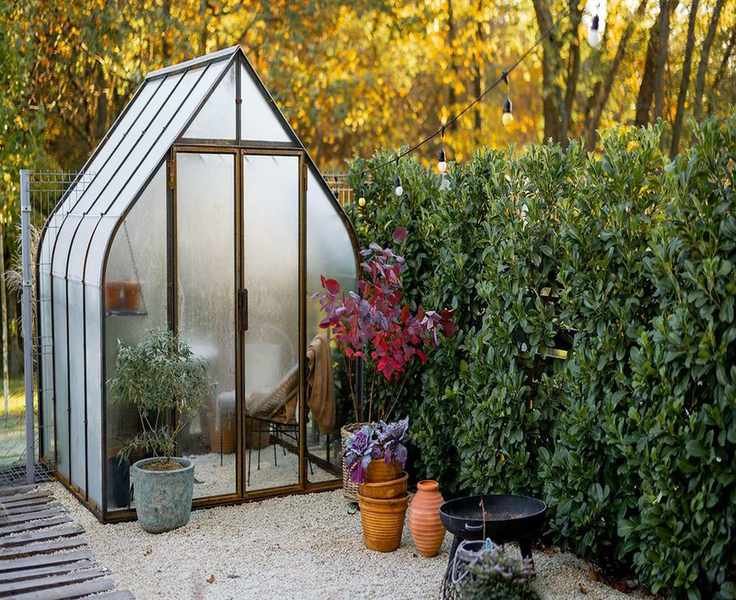
Understanding how to heat your greenhouse can be essential for various reasons. For instance, if you reside in a cooler climate, you might want to grow more delicate plants that thrive in warmth.
Extending your growing season into winter is another possibility, or you might use your greenhouse to promote early germination of your spring crops. Alternatively, you may just desire a cozy space to enjoy your gardening activities.
'The type of heating required depends on what you aim to cultivate and your specific goals,' explains Ali McEnhill, a garden expert and owner of The Old Dairy Nursery & Gardens NYC.
Regardless of the method you select, maintaining a warm temperature in your greenhouse throughout the winter months is crucial for plant health and to prevent dampness and disease.
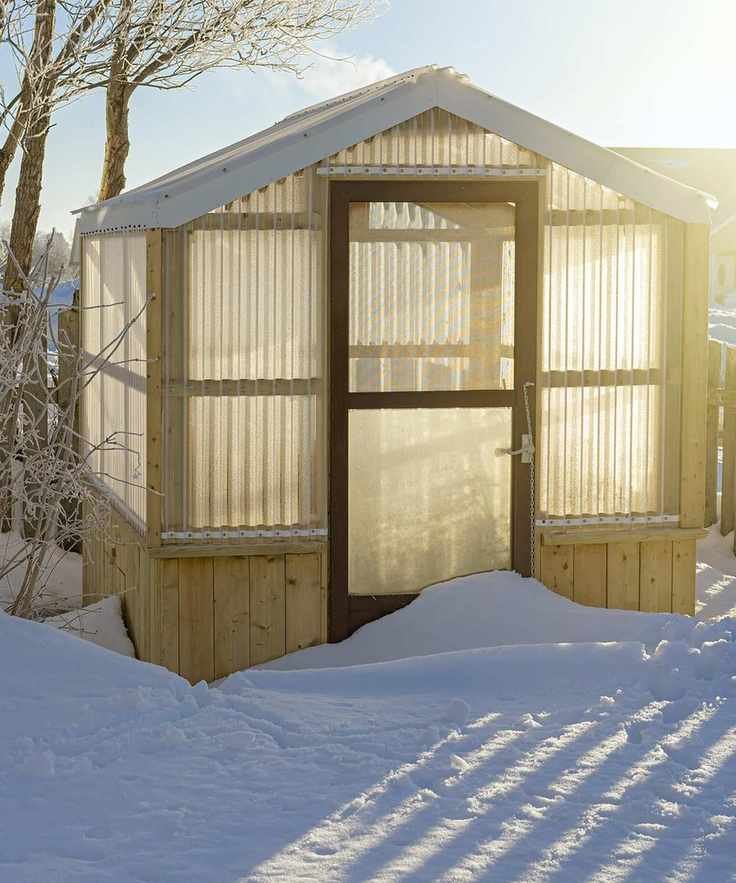
Keep your greenhouse warm to safeguard tender plants during winter
6 Strategies for Heating a Greenhouse and Shielding Plants from Cold
'If you plan to cultivate tropical plants in a cold climate, you will need a robust heating solution, likely fueled by oil, gas, or electricity,' states Ali.
'For those looking to winterize a greenhouse to grow cold-resistant food crops or hardy annuals, there's no need for supplemental heating. The greenhouse captures sufficient heat during the day, and we primarily focus on minimizing drastic temperature fluctuations,' she adds.

A passionate plant enthusiast, gardener, and propagator, Ali runs a new nursery on an old dairy farm in New York's stunning Hudson Valley. She specializes in growing hardy perennials, trees, and shrubs that thrive outdoors in colder climates.
1. Insulation Techniques
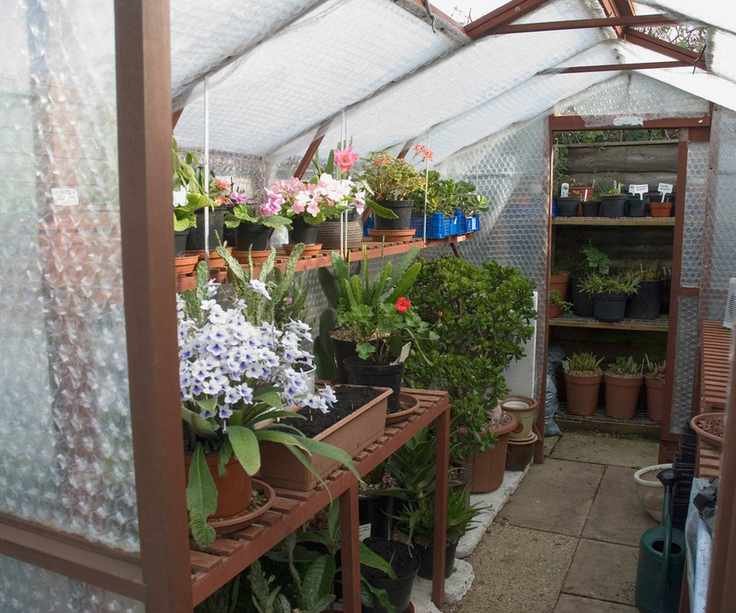
Bubble wrap can effectively retain heat
One of the most efficient means to keep a greenhouse warm is by minimizing heat loss, regardless of whether you're using a supplementary heating source.
'The way you insulate your greenhouse should align with what you're growing,' remarks Ali.
'For tropical plants, you should eliminate cold drafts as much as possible. Some individuals apply bubble wrap to the glass; others protect plants from frost by wrapping them in blankets individually.'
'If you really go all out with insulation, ensure that you have fans circulating the air (another potential cost to consider). Stagnant air encourages fungus and diseases, which can harm plants just as quickly as the cold,' warns Ali. Consider using a Voltset Solar Powered Fan available on Amazon.
'If you're simply extending the season and providing protection from extreme winter weather, you don't need to focus heavily on insulation. In fact, we open the doors on sunny days to let our plants enjoy the season.'
2. Creating a Hot Bed
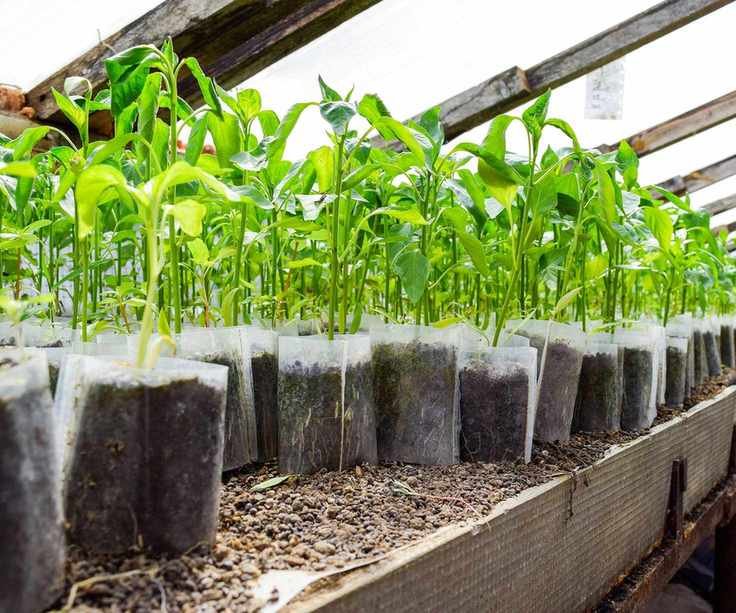
A hot bed serves as a natural heat source
This technique provides your seedlings with a robust and early start. Building a hot bed is a traditional method that predates electricity and central heating systems. It cleverly utilizes the heat generated by decomposing organic materials.
To create a hot bed, fill raised beds with organic compostable materials (like straw or manure) and compress them down. Then, top with soil and compost. The ideal ratio of organic matter to growing medium is 3:1.
Seeds can be sown directly onto the hot bed. Covering the top with a small cloche will further warm the soil. After a couple of months, once the compost has cooled and decomposed, you can excavate it for use in an outdoor raised bed garden.
3. Utilizing Dark Mass
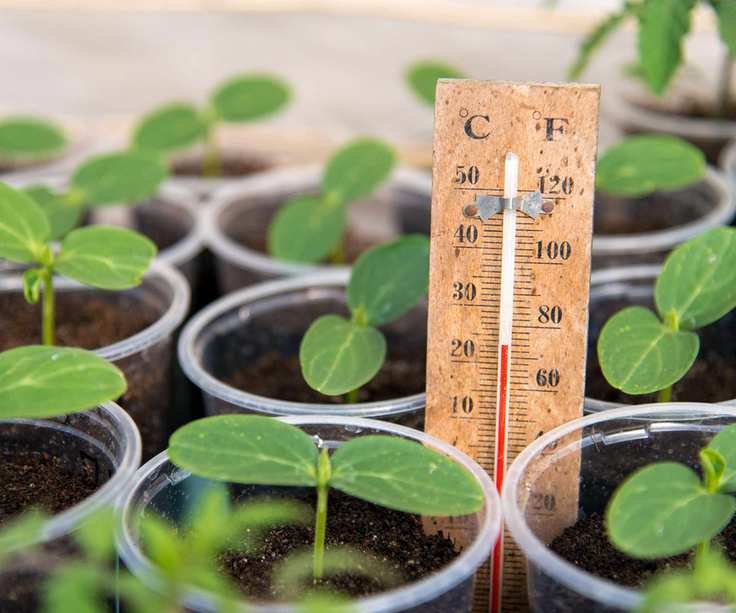
Dark mass will release heat overnight
Ali appreciates this method and applies it in her nursery greenhouse. 'Black painted water barrels act as excellent heat sinks. They absorb sunlight during the day (be sure to position them in direct sunlight) and gradually release heat throughout the night.'
'Having water barrels is also handy since you'll still need to water plants during winter. In New York City, we get a lot of snow, so I refill the barrels with snow as the water levels drop,' she explains.
This is a fantastic option if you want to heat a greenhouse affordably. It requires no installation either.
Another idea is to save empty plastic bottles, paint them black, fill them with water, and place them on your greenhouse shelves. You can use Rust-Oleum Painter's Touch 2X Ultra Cover Spray Paint available on Amazon for painting plastic.
4. Electric Fan Heaters
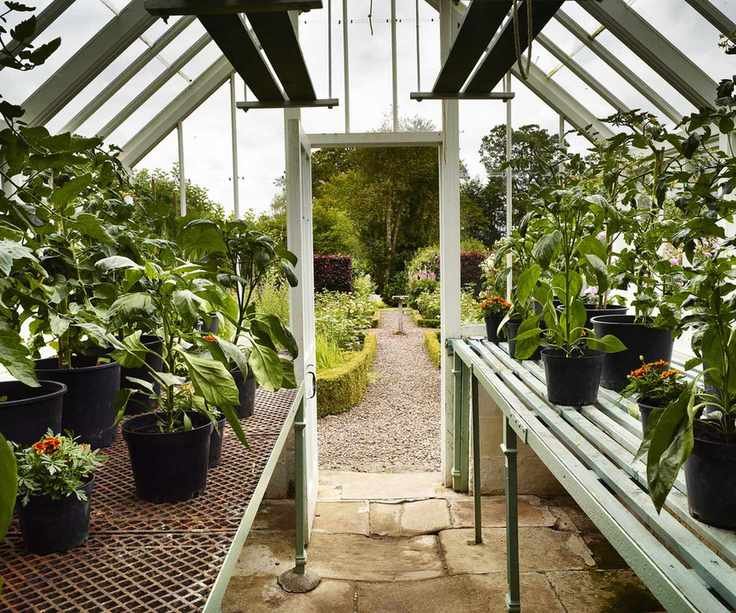
An electric fan heater entails installation and ongoing costs
While effective at circulating heat, relying on a fan heater throughout winter to maintain a consistent temperature will incur costs and have environmental implications.
If you opt for this method, ensure you have an electrical outlet planned for your greenhouse, one that is correctly installed. Choose a heater designed specifically for greenhouses, not an indoor model. It should include a thermostat feature for precise temperature control. Consider this greenhouse heater with digital thermostat available on Amazon.
5. Implementing a Solar Heating System
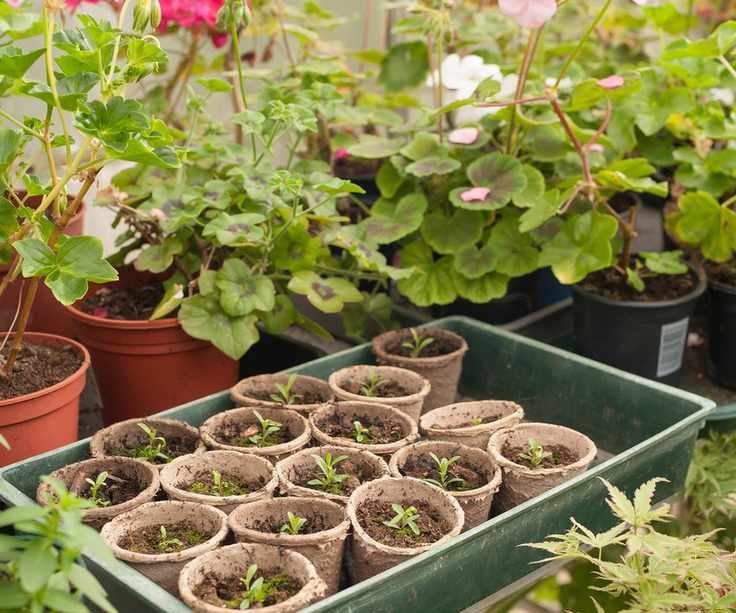
Solar panels are an investment for ambitious gardening projects
If you want to maintain warmer temperatures consistently in your greenhouse, this can be achieved using passive methods. For example, growing tropical plants might require this approach. One option is to install a hydronic heating system that uses solar panels.
Although costly, if you're serious about heating your greenhouse, this can prove to be a more beneficial long-term investment compared to oil, gas, or electric heat sources.
Nevertheless, Ali McEnhill believes that most standard domestic greenhouses are already built to capture solar heat, so additional solar heating isn't typically necessary. 'You can certainly buy supplemental solar heaters, as there are many options available nowadays,' she notes.
6. Hot Water Pipe Systems
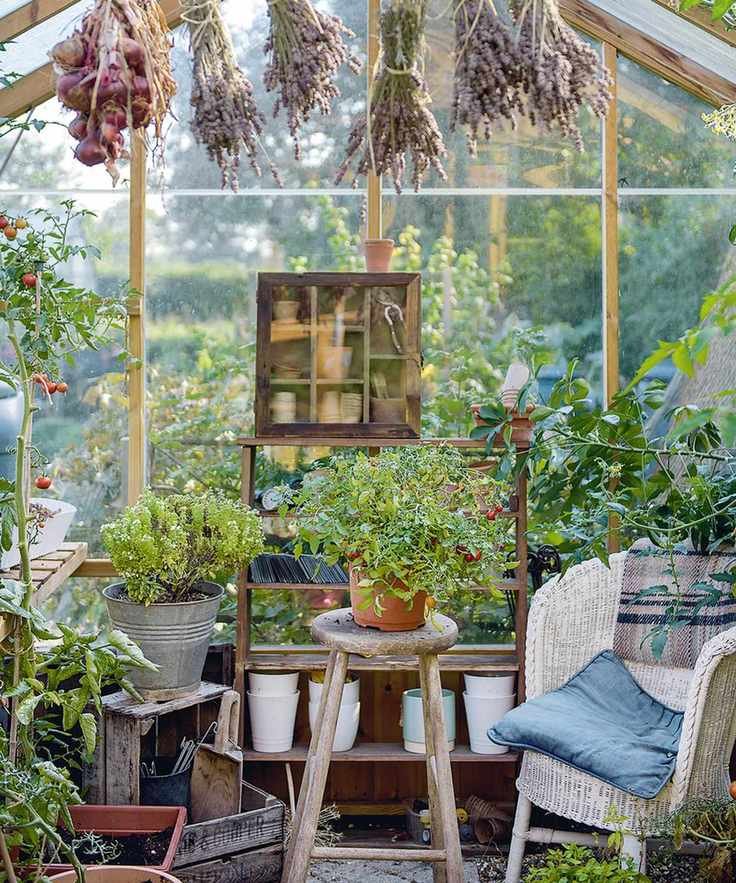
Hot water pipe systems are unnecessary for smaller greenhouses
This method is generally only appropriate for very large structures and represents a significant investment.
A hot water pipe system typically relies on a boiler powered by gas or oil, which can be installed along the walls or beneath the floor of the greenhouse. A useful tip is to position thermostats away from drafts to ensure accurate readings.
For a sustainable garden, think about using a biomass boiler that runs on wood pellets, wood chips, or other renewable materials. This can significantly lower operating costs, although installation expenses can be high.
FAQs
What Temperature Should a Greenhouse Maintain?
Alongside knowing how to heat a greenhouse, it's crucial to understand what temperature it should maintain. 'It varies depending on what you're cultivating,' says Ali McEnhill, a plant expert and owner of The Old Dairy Nursery & Gardens NYC.
'Tropical plants have very different needs compared to cold-weather vegetables, hardy annuals, or perennials.'
A minimum temperature of 37ºF is adequate for many tender plants, although damp conditions can still pose risks. Therefore, aim for a range of 45ºF to 50ºF.
Bear in mind that there is such a thing as an excessively warm greenhouse. Generally, 90°F is considered too high, necessitating ventilation and shade to protect your plants.
Is It Necessary to Heat the Entire Greenhouse?
Whether you need to heat the entire greenhouse depends on your cultivation plans and the severity of your local climate.
If you have a mix of tender and frost-hardy plants, consider partitioning off the more vulnerable varieties with bubble wrap or polythene. This way, you can concentrate your heating efforts on a smaller area, enhancing efficiency and saving costs.
Don't overlook heated propagators if your primary goal is to provide seedlings with a strong start.
Is Heating a Greenhouse Worth It?
Unless you're engaging in substantial projects, like growing tropical plants in a cold environment, investing in a supplemental heating system for your greenhouse may not be justifiable.
'Heating a greenhouse can be prohibitively expensive,' explains Ali McEnhill, a plant specialist and owner of The Old Dairy Nursery & Gardens NYC.
Greenhouses are designed to capture the sun's heat, and there are alternative strategies to elevate temperatures during the cold months, such as insulation.
If you decide to heat your greenhouse, fan heaters may present the lowest initial costs, but keep in mind the potential ongoing energy expenses.
Unless you plan to utilize your greenhouse on a semi-industrial scale, wish to grow delicate exotic plants, or desire a warm place to tend to your garden during winter, the costs associated with heating a greenhouse may not be justified.
We prefer passive heating methods, which can effectively maintain adequate warmth in your greenhouse throughout winter, ensuring your plants survive and thrive. These options are kinder to both the environment and your finances.



