
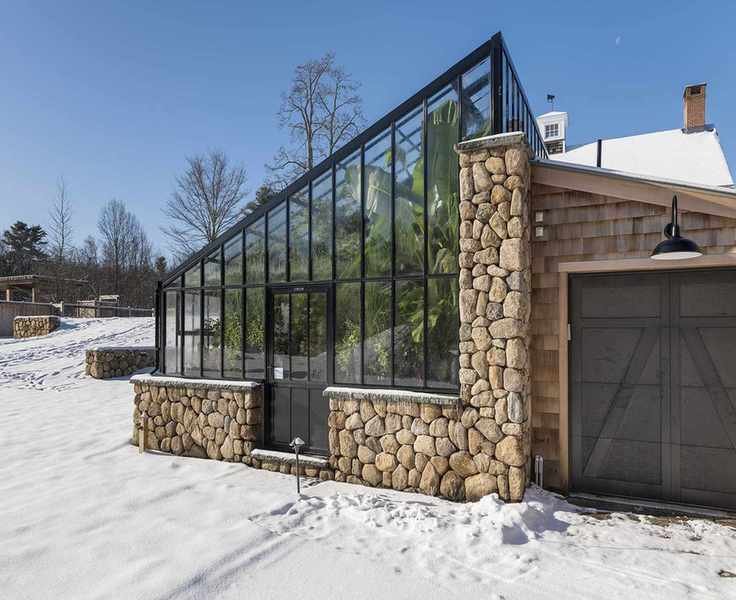
Understanding how to winterize a greenhouse is key to keeping your garden flourishing throughout the year. This process not only prepares your space for spring but also allows for continued growth of fruits and vegetables during winter's chill.
When you start exploring greenhouse ideas, visions of summer harvests and autumn yields may dominate your thoughts. However, preparing your greenhouse for winter is vital, as the off-season is a perfect time to regroup and plan for the upcoming growing year.
Steps to Winterize Your Greenhouse
When designing your greenhouse, think about its functionality during the winter months. 'If you have ample space—at least 30 square meters—you can establish a central growing bed to yield impressive winter crops like potatoes or carrots,' suggests Chris Sawyer, a strategic director at a leading greenhouse manufacturer.
Even in smaller greenhouses, knowing how to winterize can keep your space productive during colder weather and aid in overwintering delicate plants.
1. Thoroughly Clean Your Greenhouse
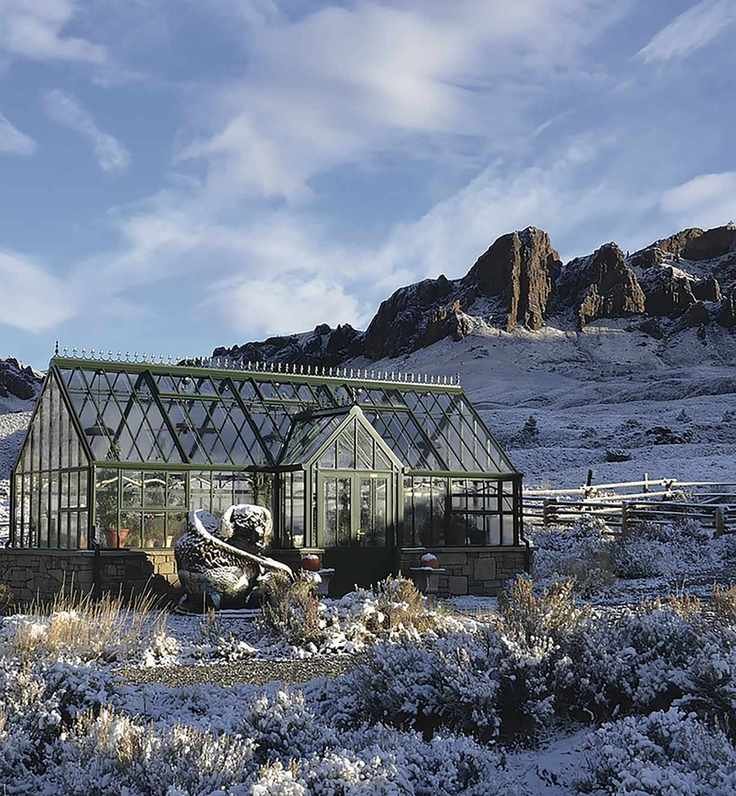
The first task in winterizing is a comprehensive cleaning and decluttering. Remove all items from the greenhouse and use a broom to clear out debris.
'Sweep floors and surfaces, then clean with warm, soapy water and disinfectant to prevent disease and pest issues. Don't overlook your tools!' advises Daniel Carruthers from a greenhouse specialist. 'Cleaning the exterior is just as crucial; check gutters for clogs and clear them to ensure proper drainage. Also, wash the glass well to maximize sunlight during the darker months ahead.'
If you have planting beds, they need attention too. Remove any spent plants and add them to compost. 'Loosen the soil in areas where tomatoes, peppers, and aubergines grew, and eliminate weeds. A light application of pelleted fertilizer, raked into the soil and watered, will prepare the beds for next season's planting,' adds Linda Lane, managing director of a glasshouse company.
2. Organize Your Greenhouse
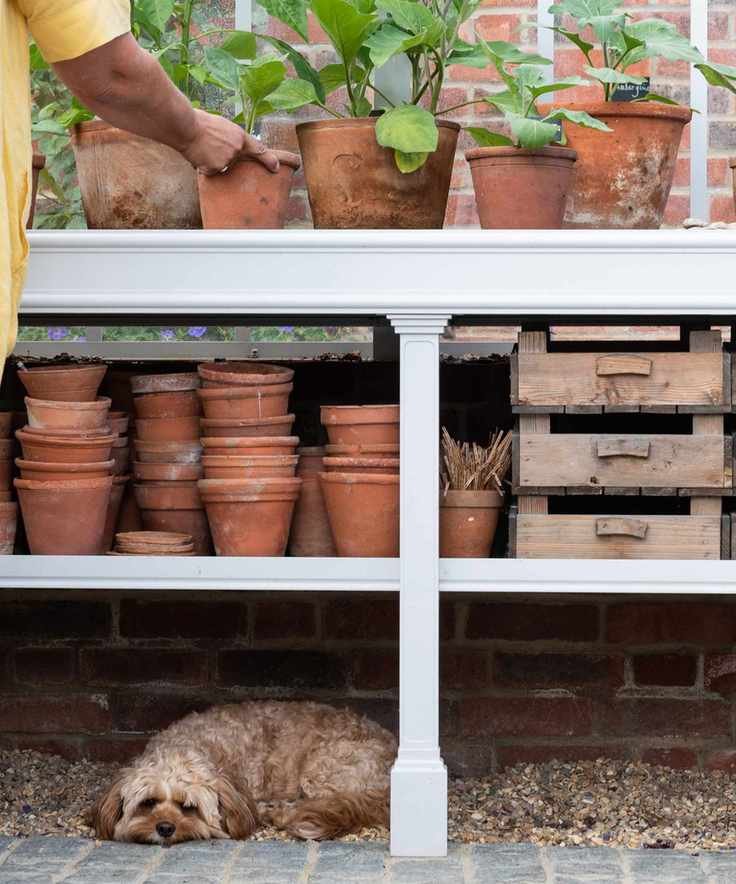
During the busy summer months, your greenhouse may have turned into a catch-all for unused pots and tools. Now's the time to restore order for the upcoming spring.
'Sort and stack empty pots neatly, and store plant labels for future use. If you won't need all shelves in autumn, collapse them to free up floor space for tools and pots. Designate zones for potting supplies, tools, storage, and plants, taking into account their preferred growing conditions,' recommends Daniel Carruthers. 'If you plan to heat your greenhouse during winter, make sure to allocate room for a heater to ensure proper airflow.'
For enhanced storage, consider implementing shed solutions to minimize clutter in your greenhouse. There are numerous organization ideas to keep your shed tidy.
3. Consider Heating and Lighting
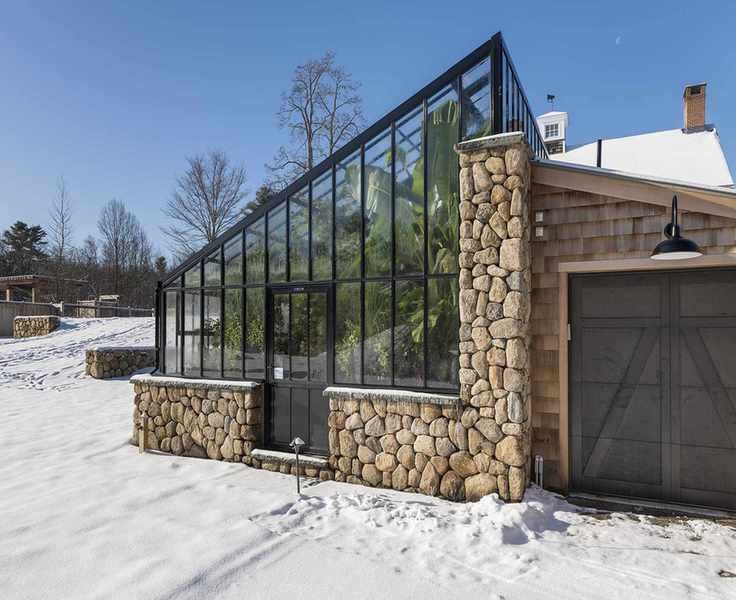
Winter's cold and darkness pose significant challenges for your plants. To combat these issues, adding heat and light can be beneficial.
'A heated greenhouse can allow for greater winter productivity compared to an unheated one. Maintaining temperatures above freezing can help many crops survive. Heating solutions vary from frost prevention to constant warmth,' explains Tom Barry, CEO of a greenhouse company.
'Soil-warming cables are a cost-effective option, providing heat directly to roots. Even if foliage is damaged by cold, the roots can survive. These cables are safe and easy to set up, and with a thermostat, you can regulate soil temperatures effectively. For instance, a 6m cable consumes 75 watts and can maintain temperatures between 59°F and 77°F per square meter of the covered area. Covering plants with fleece or translucent sheeting can help retain heat.'
However, heating isn't the only concern. 'Low light can hinder plant growth as much as cold. Modern LED daylight units provide essential light during winter's darkest days and are more energy-efficient than older models, making them a wise investment,' adds Tom Barry.
4. Shut Off and Insulate Water Sources
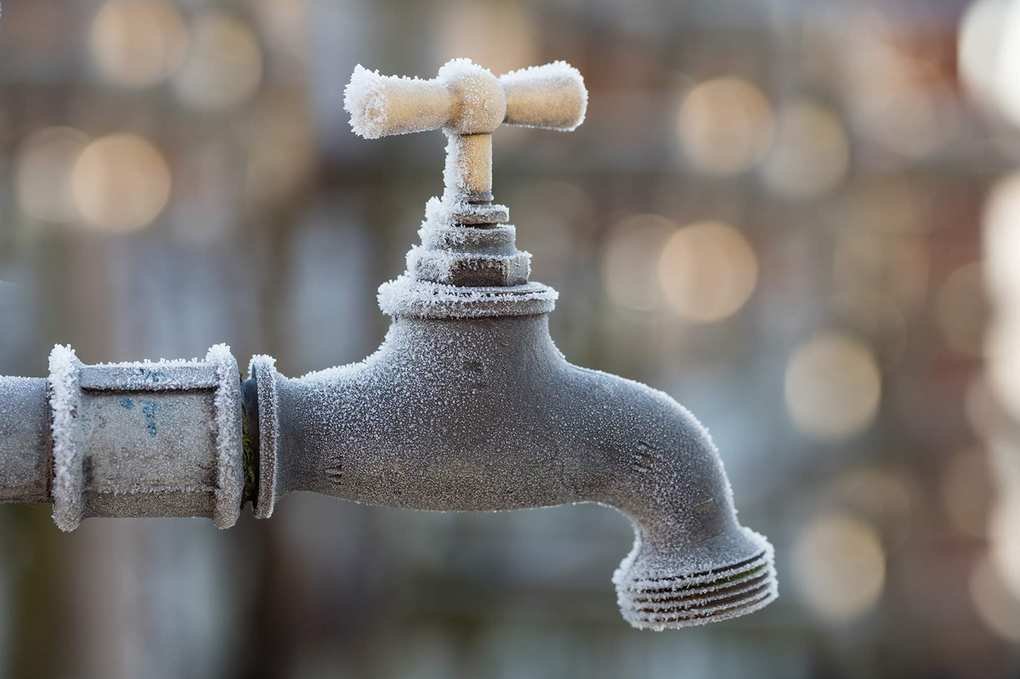
Turning off and insulating outdoor water outlets is a wise practice for all homeowners. If an outdoor faucet freezes, it can lead to costly plumbing issues.
5. Insulate Your Greenhouse

Some greenhouses use electric heating, while others rely on effective insulation.
'Insulating your greenhouse should happen after cleaning and before introducing tender plants for winter. Ensure the glass is clean before applying insulation,' advises Linda Lane. Insulation doesn't need to be expensive; layers of bubble wrap can provide effective insulation and significantly impact your plants' survival through winter.
You can also insulate individual plants by covering soil with bubble wrap or using cloches—homemade or purchased—to keep them warm.
6. Introduce Plants that Need Protection

With your greenhouse ready, it's time to add plants—this is an excellent way to shield plants from frost. Consider starting with tender perennials, which cannot tolerate frost. Common choices include begonias, geraniums, and salvias. You can also store bulbs and tubers, like dahlias, that are sensitive to frost. Check out our guide on how to overwinter dahlias.
Your greenhouse can extend the growing season into winter. 'Many crops can thrive for fresh eating during winter. Even tender summer varieties like cucumbers, tomatoes, peppers, and aubergines can flourish for weeks undercover. Herbs are also great to grow in winter, so pot some extra for this purpose,' advises Tom Barry.
How to Overwinter an Unheated Greenhouse
To successfully overwinter an unheated greenhouse, focus on decluttering, deep cleaning, and insulating with bubble wrap and cloches. These steps will prepare your space for spring while also protecting delicate perennials during winter.
Does a Greenhouse Need Heating in Winter?
No, heating isn't mandatory in winter. Positioning your greenhouse in a sunny location and thoroughly insulating it with bubble wrap can significantly improve its temperature retention.



