

Color psychology is a trending topic in interior design. The relationship between the colors in your living space and your mood is increasingly relevant in today’s design choices.
Dopamine decor is gaining popularity, emphasizing that the emotional impact of paint colors is just as vital as their visual appeal. Consider how you feel surrounded by calming hues like white, beige, or blue. These colors often evoke tranquility, while vibrant shades can energize your atmosphere.
This focus on mood-enhancing colors can sometimes feel overly clinical, similar to designing a corporate space with strategic color choices. Do the hues in your home truly influence your emotions long-term? Is color psychology a genuine design principle or merely a fleeting trend? We consulted several interior designers and color specialists for their thoughts.
Understanding Color Psychology
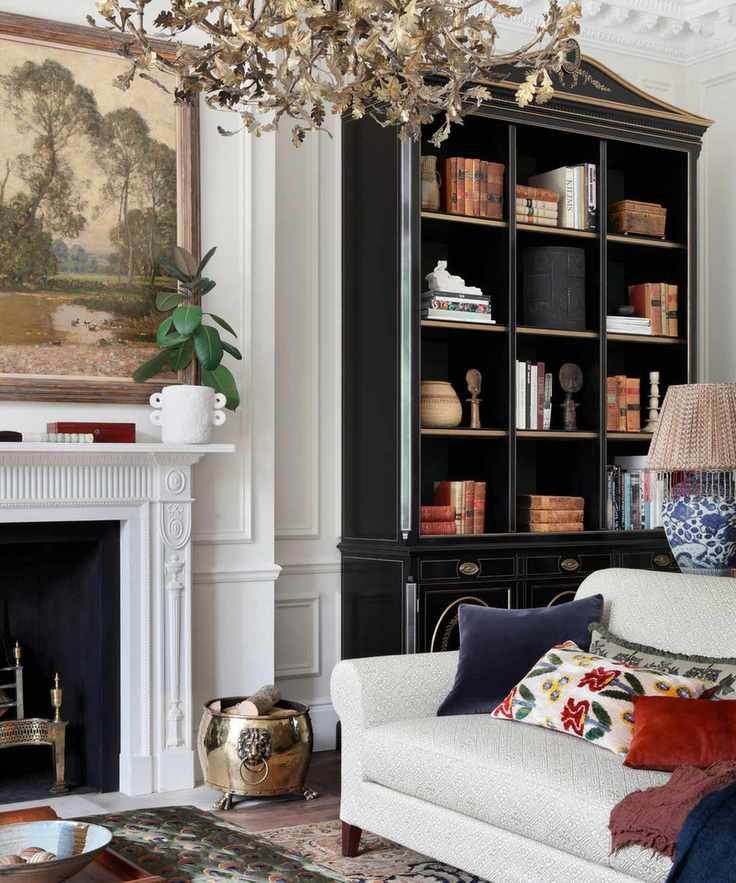
Color psychology refers to our subconscious associations between colors and emotions. As Helen Shaw explains, the effect of color is significant in our homes. Our design inspirations are subtly shaped by color psychology, influencing everything from major elements like paint to finishing details.
We often choose colors that reflect the room's energy, favoring soothing shades for bedrooms and bathrooms, while opting for lively hues in kitchens or living spaces. For instance, blue is commonly linked to trust and calmness, making it a staple in many stylists' palettes.
In essence, color psychology hinges on how a color resonates with you. While some colors universally evoke similar feelings, individual experiences play a role in how we perceive different shades.
Should We Consider Color Psychology in Home Decor?
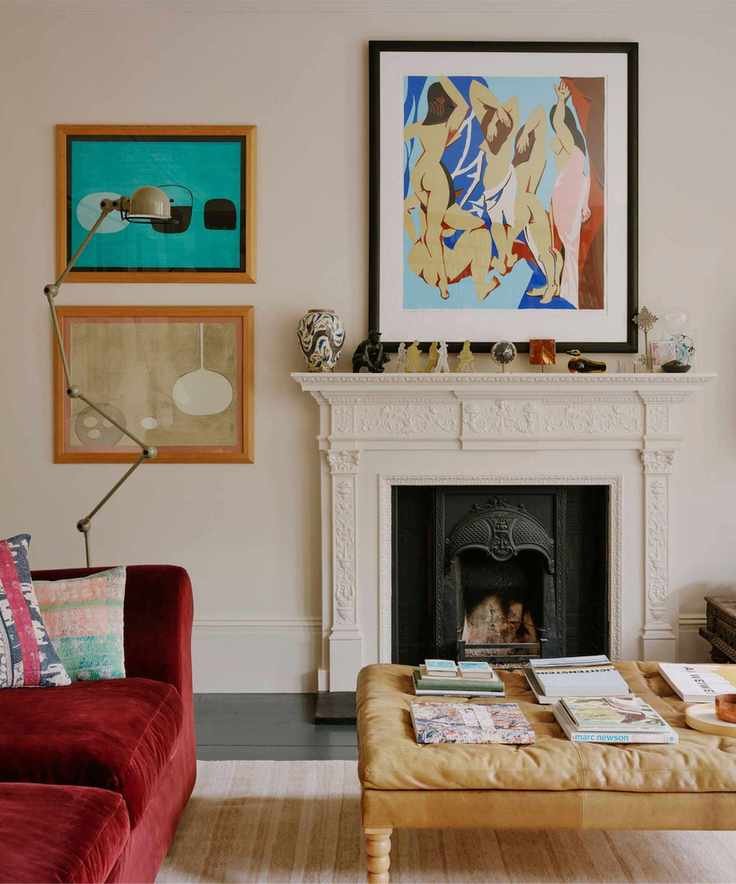
It’s no surprise that many interior designers advocate for incorporating color psychology into home decor choices.
According to Tash Bradley, Director of Interior Design and Colour Psychologist, grasping color psychology allows individuals to express their true selves, which is vital for mental well-being. When we feel authentic confidence, it fosters joy and a sense of fulfillment.
“Color shapes our experience,” Tash states. “It connects us to ourselves and our surroundings, making it essential in my design approach.”

Designer Joshua Smith echoes this sentiment, noting that color psychology is crucial for promoting wellness in a home. “Choosing colors thoughtfully can evoke desired emotions. For an inspiring space, I prefer bolder shades over muted ones, as they tend to be more stimulating.”
Understanding your client’s preferences is vital. Joshua uses a detailed questionnaire to uncover clients' favorite colors, patterns, and textures, which aids in designing spaces that elicit positive emotions through color.
Choosing the Right Colors for Your Home

Your color scheme should reflect the feelings you wish to create in each room. Consider the mood you want to establish and the emotions you want the space to evoke.
Patrick O'Donnell, color consultant, emphasizes that while certain colors generally convey emotions, personal preferences matter greatly. “Blues and greens can bring tranquility, ideal for bedrooms or living rooms. Conversely, yellows and oranges energize, making them suitable for kitchens or play areas.”

However, stick to what resonates with you. If a cool blue feels stark instead of soothing, a warm red might provide the comfort you seek. Designer Kathy Kuo encourages clients to trust their instincts regarding color choices. “If you love a color, go for it! Your home should reflect what makes you happy.”

Cherie Lee notes that color can dramatically affect a space's mood. “Light colors may feel inviting to some but cold to others. Similarly, darker shades may soothe some while feeling oppressive to others. Seasons also play a role in color perception, with dark tones feeling cozy in winter but possibly stifling in summer.”
Ultimately, considering color psychology should guide your choices when decorating your home. Even if you’re not aware of it, you likely choose colors that uplift or calm you. Just be mindful of how colors impact your decorating decisions.



