

This past spring, I set up a small greenhouse in my garden, excited to grow a variety of crops. As winter approached, I feared that I'd have to stop my gardening efforts. However, I've discovered a clever method that allows me to keep my greenhouse thriving through the colder months without spending a dime.
Believe it or not, you can maintain your greenhouse dreams even in freezing temperatures by using bubble wrap as insulation. The unique structure of bubble wrap effectively traps heat. While it's tempting to pop those bubbles, I've started collecting and saving bubble wrap for later use this year.
Implementing some insulation is crucial for properly winterizing your greenhouse. Heating a greenhouse can become quite expensive, especially if you're relying on a heater, but reusing bubble wrap presents an economical (and often free) solution. Let's explore how you can insulate your greenhouse using bubble wrap.
Insulating Your Greenhouse with Bubble Wrap
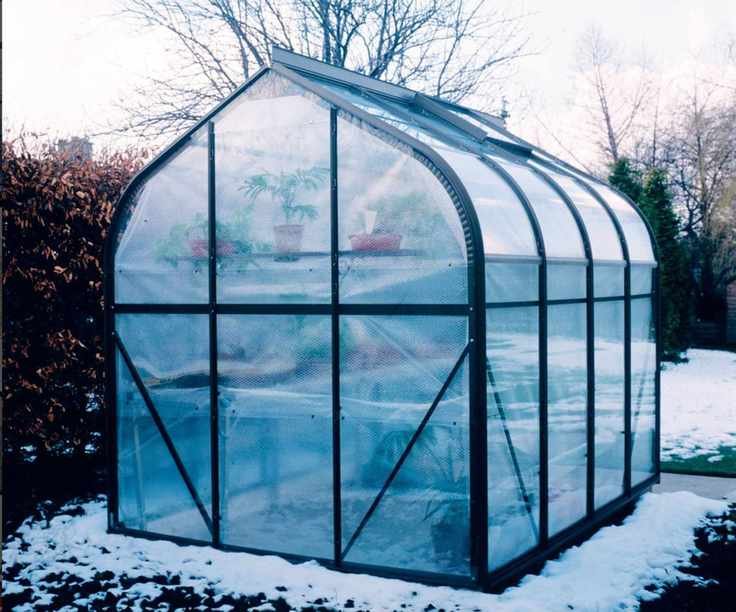
If you're like me and are trying to make more eco-friendly gardening choices, saving bubble wrap from packaging waste is a fantastic start. It's free, prevents plastic from ending up in landfills, and your winter vegetables will appreciate it!
To effectively use your greenhouse during winter, it's essential to install some insulation. Failing to do so could expose your plants to frost damage, and depending on the materials used in your greenhouse (like metal), the cold can harm its structure.
This is where bubble wrap shines. The air pockets in this material reduce the transfer of cold air, thereby trapping heat inside.
To insulate your greenhouse, simply attach sheets of bubble wrap to the windows and walls (you might find this packaging tape from Walmart useful for securing it).
Another advantage is that bubble wrap is transparent, allowing your plants to receive sufficient light even with this insulation installed.
Of course, you can use other methods to insulate your greenhouse as well. For instance, consider utilizing this greenhouse heater (available on Amazon) or foil (also from Walmart) to help reflect heat back into the greenhouse.
Just remember to ventilate your greenhouse even in winter, to prevent mold and mildew build-up while ensuring your plants don't overheat and lose moisture.
Common Questions
When is the best time to add bubble wrap to my greenhouse?
It's advisable to apply bubble wrap insulation before the coldest weather and frost arrive. Typically, this will be from mid to late fall, but it's wise to keep an eye on your local frost forecasts and prepare accordingly. Avoid insulating your greenhouse too early, as this can create a too-warm environment for your plants.
What type of bubble wrap is most effective for greenhouse insulation?
You can use any size of bubble wrap for greenhouse insulation, but larger bubbles tend to trap more heat. However, the difference in effectiveness between smaller and larger bubble wrap isn't significant.
Bubble wrap isn't your only option for keeping your greenhouse warm affordably during winter. For localized heating, consider using heat mats (like this one from Amazon) if you need to keep a specific area warm throughout the coldest season.



