

Draining your plumbing system is an important maintenance task that can help avoid issues and extend the lifespan of your plumbing components.
There are various reasons you might need to drain your plumbing system, such as addressing a water hammer issue, preventing pipes from freezing, or preparing to shut down your property for winter.
We consulted plumbing professionals to outline how to properly drain your plumbing system. Below are seven straightforward steps you can follow, along with some additional tips, including cleaning advice.
Steps to Drain Your Plumbing System
Always refer to the manufacturer's instructions when handling your water heater and other appliances.
1. Shut Off the Main Water Supply

Find the main shut-off valve for your water supply and turn it off. According to Mehdi Khachani, a professional plumber and founder of JMK Plumbing, this valve is usually located near the water meter or where the main water line enters your home.
Turn the valve clockwise until it stops. This action will prevent any water from entering the system while you drain it, thus avoiding damage.
2. Open All Faucets
Start from the top floor and open all the faucets, including those in the bathtub, shower, and sink. This helps water to drain out and allows air to enter the pipes, as explained by Shlomo Cherniak, the owner of Cherniak Handyman Services. Work your way down to lower levels, opening faucets in each room.
This process assists in releasing any remaining water in the pipes, which is essential to prevent water damage. Opening faucets from the top floor down will allow air to push water out of the system.
Flush the toilets in your home to empty the tanks, suggests Josh Mitchell, plumbing technician and owner of Plumbing Lab. For any water still in the toilet bowls or tanks, use a sponge or small cup to remove it.
It's crucial to soak up all the water from these areas to prevent standing water, which can cause damage. A large sponge from Amazon can be handy for this task.
Don't forget to check faucets in the basement, outdoor areas, and any utility rooms, advises Josh Mitchell. Head to the lowest level of your home and open the faucet in your laundry tub or the lowest faucet available. Let all the water from the upper floors drain out to ensure the entire plumbing system is emptied.

Josh Mitchell is a plumbing expert, HVAC technician, and the owner of Air Conditioner Lab and Plumbing Lab.
3. Drain the Water Heater

Consider draining your water heater if you need to perform repairs or if you plan to shut down your home for an extended period.
First, turn off the water heater and let it cool down. If you have an electric water heater, turn off the circuit breaker. For gas water heaters, set the thermostat to the pilot setting.
Next, attach a hose to the heater's drain valve located at the bottom, directing the other end outside or into a drain, as advised by Mehdi Khachani. Open the valve to let the water drain.
Be careful to ensure that the water isn't hot, and follow the manufacturer's guidelines to prevent damage to the heater or the surrounding area.
4. Drain Appliances
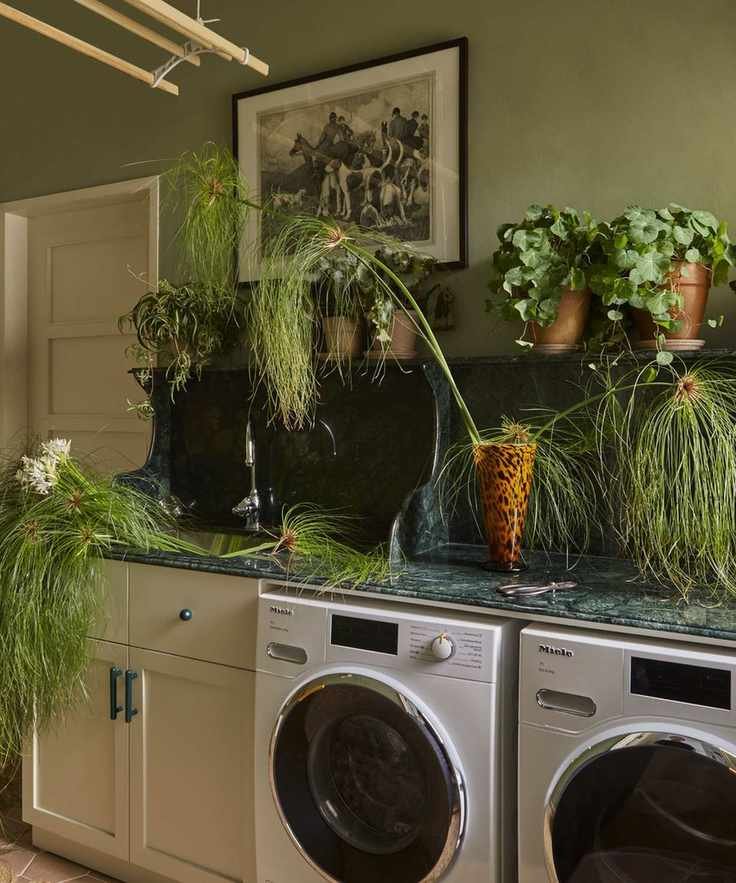
If you have appliances like dishwashers or washing machines, run a short cycle to empty the water from their pipes, instructs Josh Mitchell.
5. Air Out the System
To ensure complete drainage, allow the plumbing system to air out. This can be achieved by keeping faucets open and drain valves unsealed, suggests Mehdi Khachani.
Josh Mitchell also recommends using an air compressor to blow out any remaining water in the pipes. Connect the compressor to a faucet near the main shut-off valve and blow air through the system, opening and closing each faucet one at a time.
6. Inspect the System
After draining as much water as possible, check for any residual water in the system. Use towels or rags to soak up any extra water.
While the system is drained, take the chance to look for leaks, corrosion, or signs of wear. Mehdi Khachani advises checking for debris and cleaning drain traps if necessary. Examine all valves in the system and address any issues without delay.
After fully draining the system, be sure to close all the faucets.
Additional Tips

Handling Airlocks: If you experience airlocks in your plumbing system after draining, you may need to release air from the pipes by gradually opening taps until water flows steadily.
Ensure Proper Ventilation: Keep windows open or exhaust fans running during the draining process to prevent the build-up of harmful gases and maintain a well-ventilated environment.
Winterization: If you are draining your plumbing system to prepare for winter, take extra precautions to prevent freezing. Josh Mitchell also suggests pouring a small amount of antifreeze down each drain and toilet, such as STAR BRITE antifreeze from Amazon, to prevent any remaining water from freezing.
If you find any step of the process confusing or uncomfortable, it's best to consult a professional. A licensed plumber can ensure that the draining and maintenance are conducted correctly to prevent future problems.
Once you've completed the necessary maintenance, be sure to close all drain valves and faucets. Gradually turn on the main water supply to refill the system without creating a surge, as advised by Mehdi Khachani. After refilling, check for any new leaks or issues and address them immediately if discovered.



