

Properly winterizing your home inside and out is vital for maintaining warmth and dryness during the cold months. These actions can save you from expensive repairs down the road.
Experts agree that prevention is essential. Simple tasks like sealing windows, insulating exposed pipes, cleaning gutters, and servicing your heating system can significantly enhance your home's efficiency during winter.
With a few strategic winterizing tasks, you can protect your property, prevent mold, reduce energy bills, and stay warm, regardless of the weather.
Winterizing Your Home: Essential Checklist
While the NOAA forecasts a milder winter for many areas, it's wise to prepare for unexpected storms. Here are key tasks to complete as temperatures drop:
- Inspect the Roof: Regular roof maintenance is crucial to prevent water damage. Address slipped tiles, failing leadwork, and debris in roof valleys promptly to avoid future issues. Remove moss and leaves to prevent dampness.
- Gutter Cleaning: Clearing gutters is vital yet often neglected. Clogged gutters can trap moisture and snow, leading to ice accumulation that damages shingles and siding. Consider using a gutter cleaning tool from Walmart for easier access.
- Chimney Assessment: Your chimney is exposed to harsh winter conditions, making regular inspections and cleanings essential. Repair small cracks with patching cement from Lowe's if needed. If you're not using the fireplace, consider a draft excluder from Amazon.
- Exterior Walls Check: Inspect for signs of cracking or dampness on exterior walls. Address any issues promptly to prevent further damage.
- Draftproof Windows & Doors: Inspect and draft-proof windows and doors to keep warmth inside. Use thermal film from Walmart and weather stripping for doors.
- Insulation: Focus on attic and basement insulation to limit energy loss and maintain warmth. Avoid insulating areas prone to moisture.
- Ventilation Check: Ensure proper ventilation to reduce humidity, enhance air quality, and prevent mold. Clean vents regularly and consider adding an air purifier.
- Heating System Service: Schedule a professional inspection for your heating system before winter use, and replace air filters with high-efficiency options.
HVAC & Plumbing Winterizing

Preparing your HVAC system ensures comfort this winter and readiness for summer.
Regular HVAC servicing can prevent emergency repairs. Trim back shrubs and clear debris from your outdoor AC unit.
If covering the unit for winter, use a breathable cover that protects the top but leaves the sides exposed to prevent moisture buildup. A heavy-duty cover from Amazon is available in various sizes.
Consider an annual tune-up with a local technician. Change your furnace filter regularly for optimal performance.
Prepare for power outages with a quality propane heater from ACE Hardware or a Generac portable generator from ACE Hardware for backup heating.

Winterizing plumbing prevents frozen pipes and costly water damage.
Preventing frozen pipes is crucial. Pay close attention to exposed interior pipes, especially those near exterior walls. Keeping cabinet doors open allows warm air to circulate, reducing freezing risks.
Wrap exposed pipes with insulation tape, like the popular Redford Supply Co. insulation tape from Amazon. In extremely cold areas, consider using heat tape for added protection.
Know when to drip faucets to keep water flowing and prevent freezing. Protect your washing machine by thawing it gently if pipes freeze using warm water or a hairdryer.
Avoid pouring boiling water down drains in winter, as it can cause irreversible damage.
Garage Winterizing
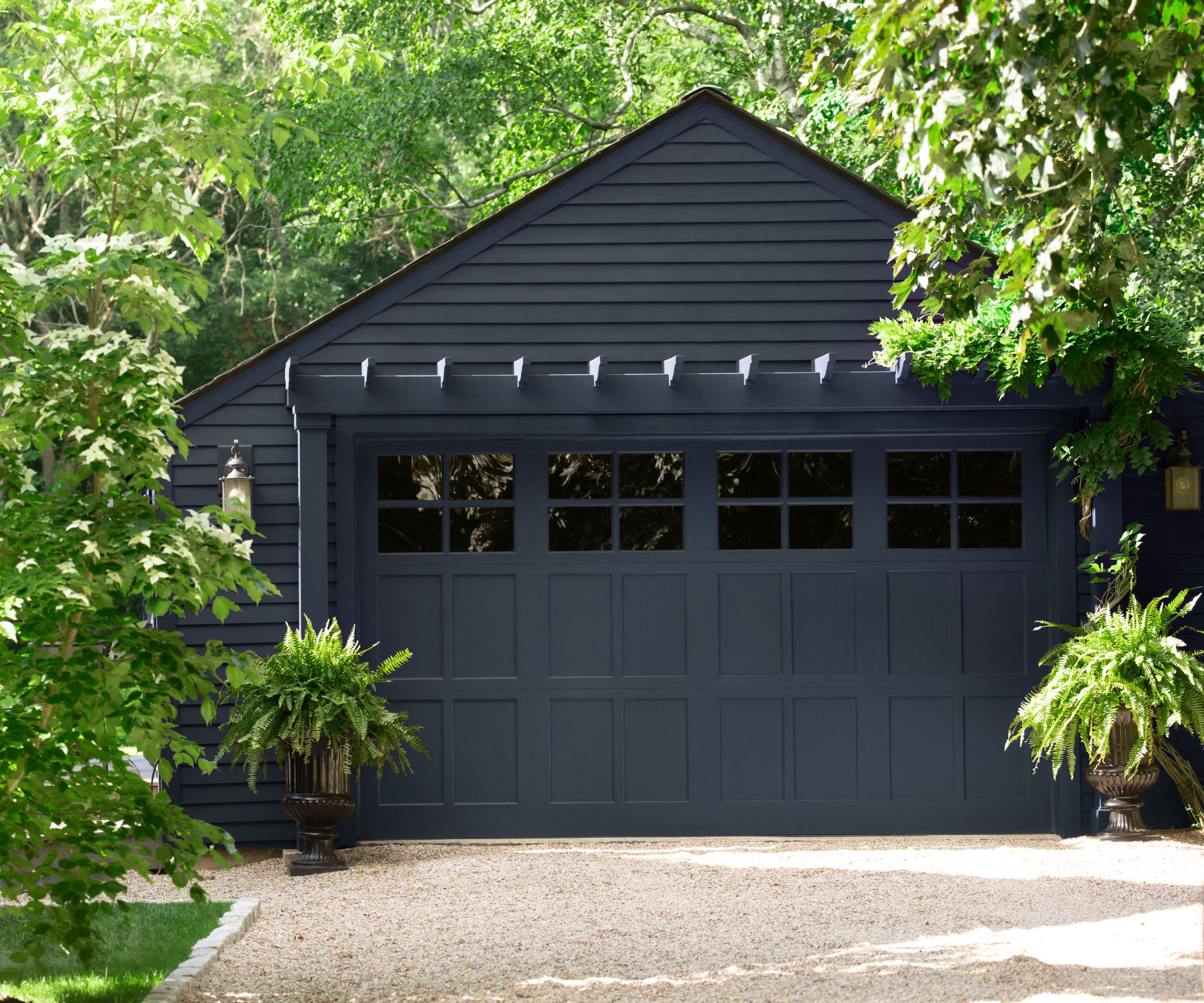
Winterizing your garage protects stored items.
- Insulate the Garage Door: Begin by insulating your garage door to retain heat. Recommended is the Reach Barrier Garage Door Insulation Kit from Amazon.
- Seal Gaps: Inspect for cracks around windows, doors, and the foundation. Use weatherstripping, like Frost King Foam from Amazon.
- Install a Heater: A heater can keep the garage comfortable and protect pipes from freezing. The DR-988 5600W Heater from Dr. Infrared is effective for large spaces.
- Declutter: Use winter to organize your garage. Move items off the floor to protect them from moisture and pests.
- Ventilation: Ensure proper airflow to prevent mold. Consider installing an iLiving Garage Exhaust Fan from Amazon.
Driveway Winterizing
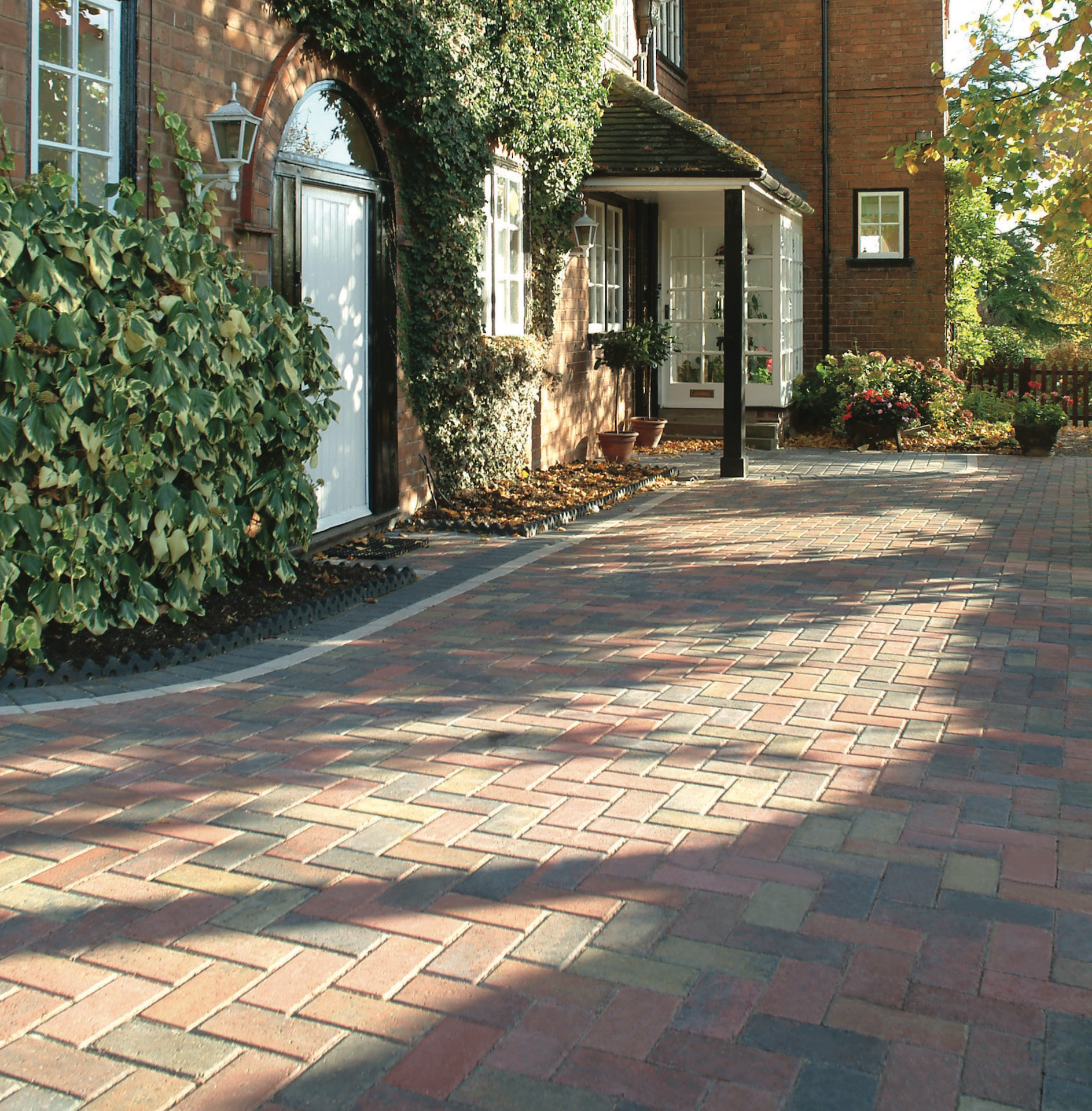
Prevent cracks in your driveway with proper care.
- Clean: Start by cleaning your driveway to remove debris that traps moisture. A pressure washer from Amazon can help.
- Seal Cracks: Repairing cracks is vital to prevent water damage. Use a latex-based filler like Bluestar Flexible Crack Filler from Walmart.
- Seal the Surface: Apply a quality sealant to protect from water and salt damage. Use a coal tar-based sealer like Liquid Rubber Driveway Sealer from Lowe's.
- De-icing Products: Use less corrosive de-icers like calcium magnesium acetate instead of regular salt. Consider Safe Paw Ice Melter from Amazon.
- Heated Driveway: For a long-term solution, consider installing a heated driveway, costing approximately $12 to $25 per square foot.
Balcony Winterizing

Winterizing your balcony ensures readiness for spring.
- Protect Outdoor Furniture: Clean furniture and cover it with durable, waterproof covers, such as the Duck Covers from Amazon.
- Store Small Items: Bring in lightweight items like planters and decorations to prevent damage. Secure hanging plants and lights.
- Remove Fabric Items: Store pillows and blankets indoors to protect them from water damage. Consider vacuum storage bags from Walmart.
- Reseal Grout: Reseal grout to prevent water damage. Use Miracle Sealant from Lowe's for protection.
Winterizing an Empty House
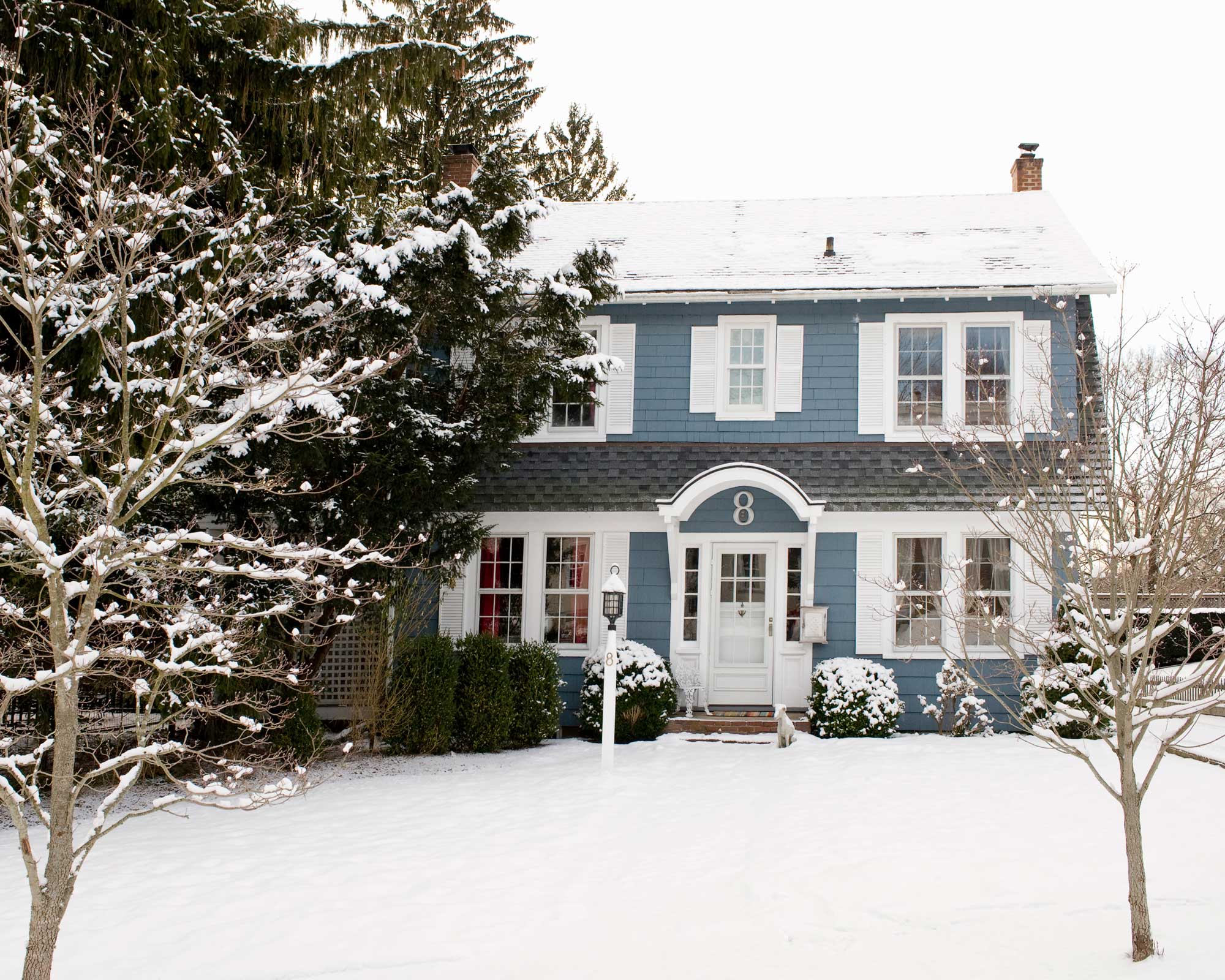
Vacant homes require protection against damage.
If you own a second home or are going away for an extended winter vacation, proper winterization is crucial to prevent flooding or pest infestations.
For empty homes, you can take additional steps:
- Shut Off Water at the Mains: Turn off the main water supply and drain the plumbing system for added protection against leaks.
- Adjust the Thermostat: Maintain a set temperature to prevent mold and protect pipes. Consider a smart thermostat for remote monitoring.
- Security Measures: Enhance security for vacant homes to deter thieves, especially during holidays. Consider a security camera from Best Buy and motion-sensor lights from Walmart.
- Smart Monitors: Implement smart home technology for added security. Use smart leak detectors from Best Buy and smart fire alarms from Amazon.
Outdoor Kitchen Winterizing
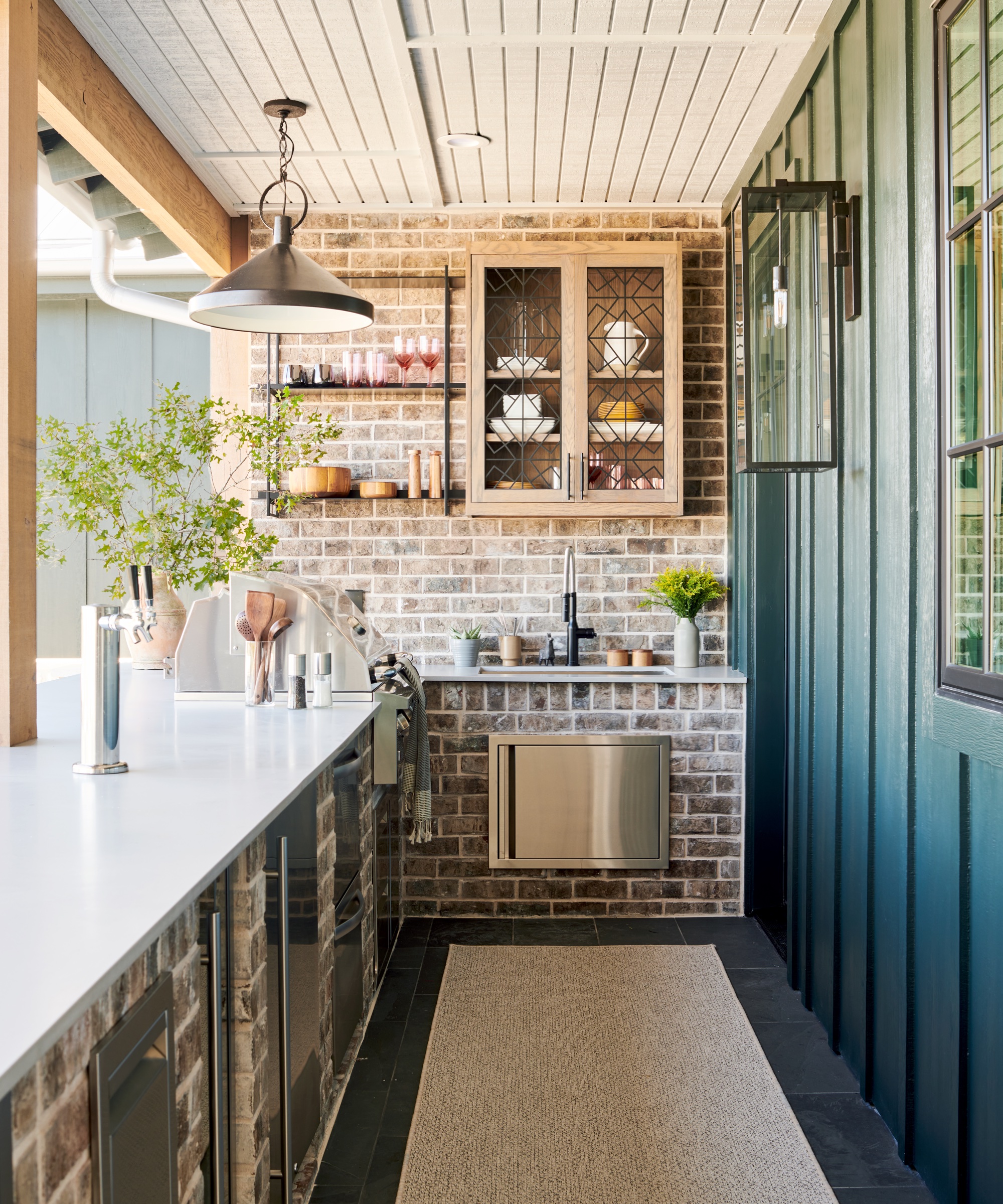
Prepare your outdoor kitchen for winter.
Proper winterizing protects your outdoor kitchen from the elements. Execute these steps before the first freeze:
- Clean: Deep clean to remove food residue and prevent rust and mold. Use a quality vacuum cleaner to tackle any pests.
- Drain Water Lines: Cut off the water supply and drain the lines to avoid freezing.
- Shut Off Gas: Turn off the main gas supply and disconnect propane tanks, storing them safely.
- Protect Appliances: Cover outdoor appliances to guard against snow and debris. Leave refrigerators slightly open to prevent moisture buildup.
- Seal Surfaces: Apply weatherproof sealant to protect countertops from damage.
Winterizing Essentials
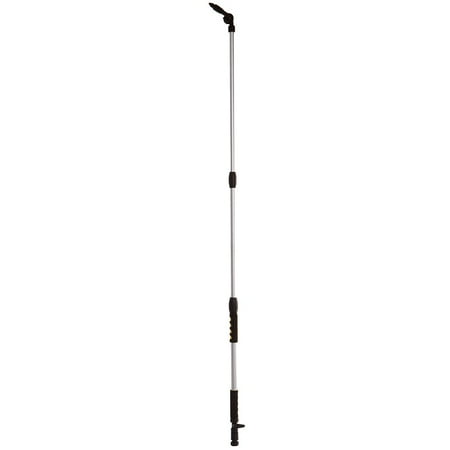 Lightweight
Telescopic Gutter Cleaning Wand
This lightweight tool lets you clean your gutters from the ground, reducing fall risks.
 Waterproof
Decksplore 80 Gallon Lockable Resin Deck Box
Keep outdoor items protected from snow and pests in this weathertight storage box.
 1000 sq. ft. coverage
Powerful Puroair HEPA Air Purifier
Use this purifier to maintain clean air during winter, tackling dust and odors in large rooms.
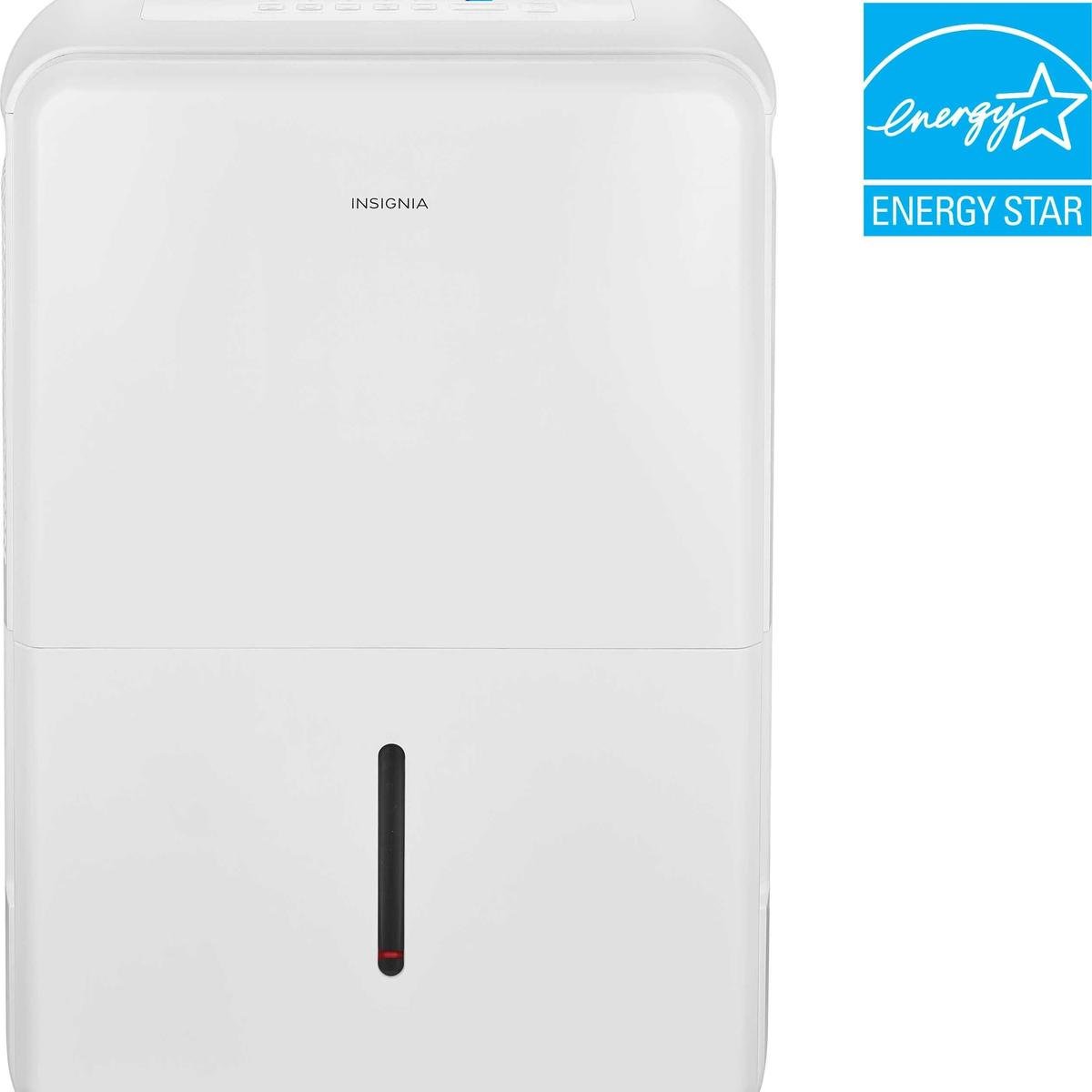 Maintain humidity
Insignia™ - 35-Pint Dehumidifier With Energy Star Certification
Maintain indoor humidity levels to protect your home from mold and musty odors.
 Water resistant
Ge Gaps & Cracks Insulating Foam
Expanding foam fills gaps to prevent air transfer for a warmer home.
 Easy to apply
Duck Brand Black Foam Weatherstrip Seal
This self-adhesive weather stripping creates a tight seal around windows and doors to block drafts.
FAQs
What is the cost of winterizing a house?
The cost to winterize a home depends on its size, age, and necessary repairs. Typically, expect to invest around $1,000 for basic repairs or insulation.
How long does it take to winterize a home?
Time required varies by size and tasks. Smaller homes can take a few hours, while larger properties may need a weekend. Hiring a contractor can expedite the process.
With your home fortified against winter's chill, take additional steps to prepare for emergencies to protect your family and property.



