
Managing mold and mildew is a boring yet vital responsibility for homeowners. Everyday habits can unconsciously foster an environment where mold thrives.
Surveys indicate that nearly half of US homes harbor hidden mold, emphasizing the importance of prevention and early detection. Factors like poor airflow and moisture accumulation can lead to significant health risks, making proactive measures essential to avoid costly remediation.
Explore our comprehensive guide on cleaning and treating mold and mildew, especially crucial as colder months approach with reduced airflow.
Why Is There Mold in My Home?
A national survey revealed that about 50% of homes contain mold. Surprisingly, while many feel confident identifying it, only a quarter can accurately recognize common household mold types.
Recognizing the early signs of mold can help you address issues quickly and minimize extensive repairs:
Five Signs of Mold
- Visible Discoloration: Look for black, green, pink, or fuzzy white patches.
- Musty Odors: A damp, earthy smell often indicates mildew or mold.
- Excess Humidity: High moisture levels can promote mold growth.
- Peeled Paint or Wallpaper: Blistering may signal underlying mold issues.
- Allergy Symptoms: Mold can trigger various allergic reactions.
Adjusting daily routines can safeguard your home:
- Don't Leave Wet Items: Mold can develop within 24-48 hours on damp surfaces.
- Ensure Proper Ventilation: Maintain airflow during showers and cooking.
- Avoid Closing Curtains: Keep them open to allow light, as mold flourishes in dark areas.
- Store Food Properly: Use airtight containers for food storage.
- Use Dehumidifiers Correctly: Ensure proper settings to avoid excess moisture.
- Regular Maintenance: Clean and maintain areas prone to mold.
- Avoid Overwatering Plants: Excess moisture from plants can encourage mold.
Is Ignoring Mold Dangerous?
While small amounts of mold are common, neglecting it can lead to serious problems.
Stachybotrys chartarum, known as black mold, produces harmful mycotoxins that can affect health, causing respiratory issues and other symptoms, especially in sensitive individuals.
Common Areas for Mold Growth
- Bathrooms: Check shower curtains, grout, and ceilings.
- Kitchens: Inspect areas around sinks and behind appliances.
- Appliances: Regularly clean washers and check inside drawers.
- Attics: Conduct annual checks for mold growth.
- Basements: Keep furniture away from walls to allow airflow.
- Windows and Doors: Clean frames and check for condensation.
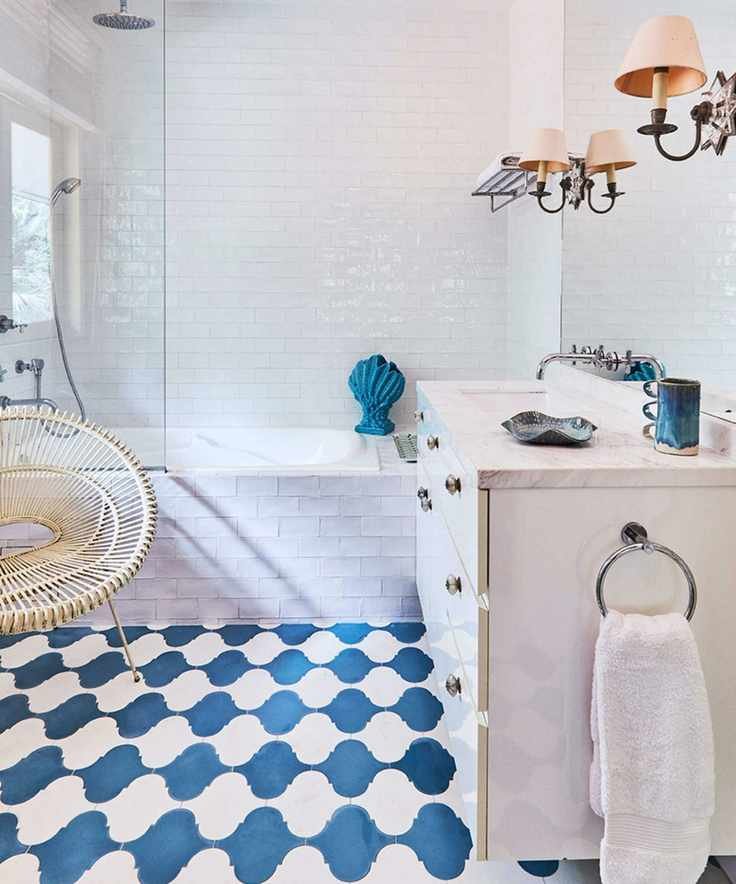
Understanding mold vs. mildew is crucial for effective treatment.
Mold vs. Mildew: What's the Difference?
Mold and mildew are often confused. While both are fungi, mildew is a specific type of mold.
Identifying the differences is essential for effective remediation:
- Mold: Appears fuzzy or slimy, varying in color. It penetrates materials, leading to damage.
- Mildew: A powdery or flat growth on surfaces, easier to remove.
Common Mold Types
Common household molds include Aspergillus, Penicillium, and Cladosporium. Their appearance and location can help identify them:
- Alternaria: Allergenic and velvet-textured, typically green or brown.
- Acremonium: Changes from moist to powdery, often found in homes.
- Aspergillus: Appears in various colors and can be toxic.
- Cladosporium: Olive-green, often found in fabrics.
- Stachybotrys: Dark greenish-black, toxic, thrives in damp areas.
Steps to Remove Mold and Mildew

Effective removal requires a systematic approach.
To eliminate mold and mildew, identify moisture sources and dry them out. Employ dehumidifiers, repair leaks, and cultivate habits that prevent moisture buildup.
For visible mold, clean with solutions like bleach or vinegar, or use commercial products for effective results. Maintain humidity levels and enhance ventilation to prevent recurrence.
Dealing with Mold in Bedrooms
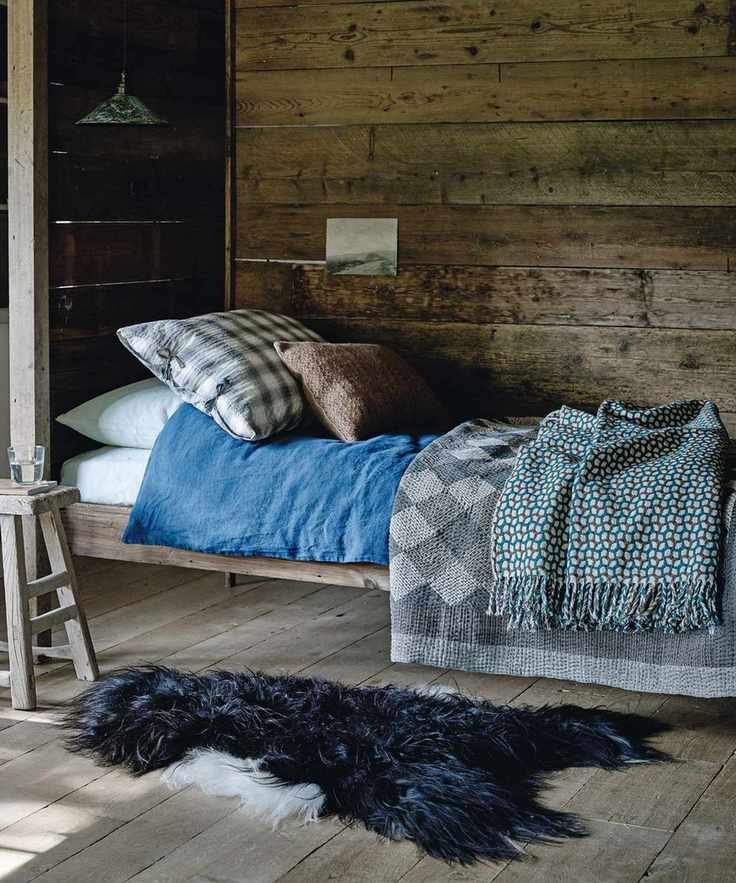
Combat mold for a healthier sleeping environment.
To tackle mold in bedrooms:
- Enhance Ventilation: Open windows and use dehumidifiers.
- Air Fabrics: Regularly air out bedding and curtains.
- Maintain Distance: Keep furniture away from walls for airflow.
- Manage Condensation: Wipe down windows and use silica gel packs.
- Temperature Control: Stabilize room temperature to prevent dampness.
Removing Mold in Laundry Rooms

Moisture-rich environments like laundry rooms are mold-prone.
To prevent mold in laundry rooms:
- Use Additives: Consider tea tree oil or Borax.
- Opt for Mold-Resistant Materials: Use specialized paint and caulk.
- Maintain Ventilation: Ensure airflow to keep the space dry.
Removing Mold from Kitchens

Keep kitchens hygienic to avoid mold growth.
To manage mold in kitchens:
- Inspect Areas: Check under sinks and behind appliances.
- Clean Regularly: Sanitize surfaces and remove spills promptly.
- Maintain Seals: Clean refrigerator seals regularly.
Addressing Mold in Basements

Basements can be breeding grounds for mold.
In basements, check for mold behind furniture and ensure proper ventilation. Regularly inspect for leaks and moisture accumulation.
Managing Mold in Bathrooms

Bathrooms require special attention to prevent mold growth.
To combat bathroom mold:
- Improve Ventilation: Use exhaust fans and keep surfaces dry.
- Clean Regularly: Use mold-removing products on tiles and grout.
Removing Mold on Carpets

Carpets can hide mold beneath their surface.
Mold in carpets requires careful treatment:
- Identify Source: For large infestations, consult professionals.
- Apply Cleaning Solution: Use vinegar and water, scrubbing lightly.
Removing Mold from Walls
For walls, use vinegar, bleach, or commercial cleaners. For extensive mold, professional remediation may be necessary.
Removing Mold from Upholstery

Upholstery is susceptible to mold due to its porous nature.
To treat mold on upholstery:
- Vacuum First: Remove loose spores before cleaning.
- Use Baking Soda: Mix with vinegar for cleaning.
Removing Mold from Wood

Wet wood is a prime spot for mold growth.
For wood surfaces, dry thoroughly, treat with vinegar, and sand if necessary.
Removing Mold from Leather

Quick action is vital to prevent leather damage.
To clean leather:
- Vacuum Loose Mold: Use a soft brush.
- Use Leather Cleaner: Follow the product instructions.
Removing Mold from Air Vents
To clean air vents, disassemble and soak in a bleach solution. If mold spreads deeper, seek professional help.
Removing Mold in Plumbing

Address mold in plumbing immediately.
Check for signs like dark water or clogged drains, and address underlying moisture issues promptly.
Removing Mold from Insulation
Replacing contaminated insulation is often best for safety. Maintain ventilation and seal leaks to prevent future issues.
Preventing Mold After a Flood
To prevent mold after flooding:
- Ensure safety before entering water.
- Use pumps to remove standing water.
- Wipe surfaces with a botanical cleaner.
- Install dehumidifiers for thorough drying.
How to Eliminate Black Mold

Combat black mold effectively.
To remove black mold:
- Use Dish Soap: Clean with a Dawn soap.
- Vinegar Solution: Mix vinegar with water, scrub, and rinse.
What to Buy
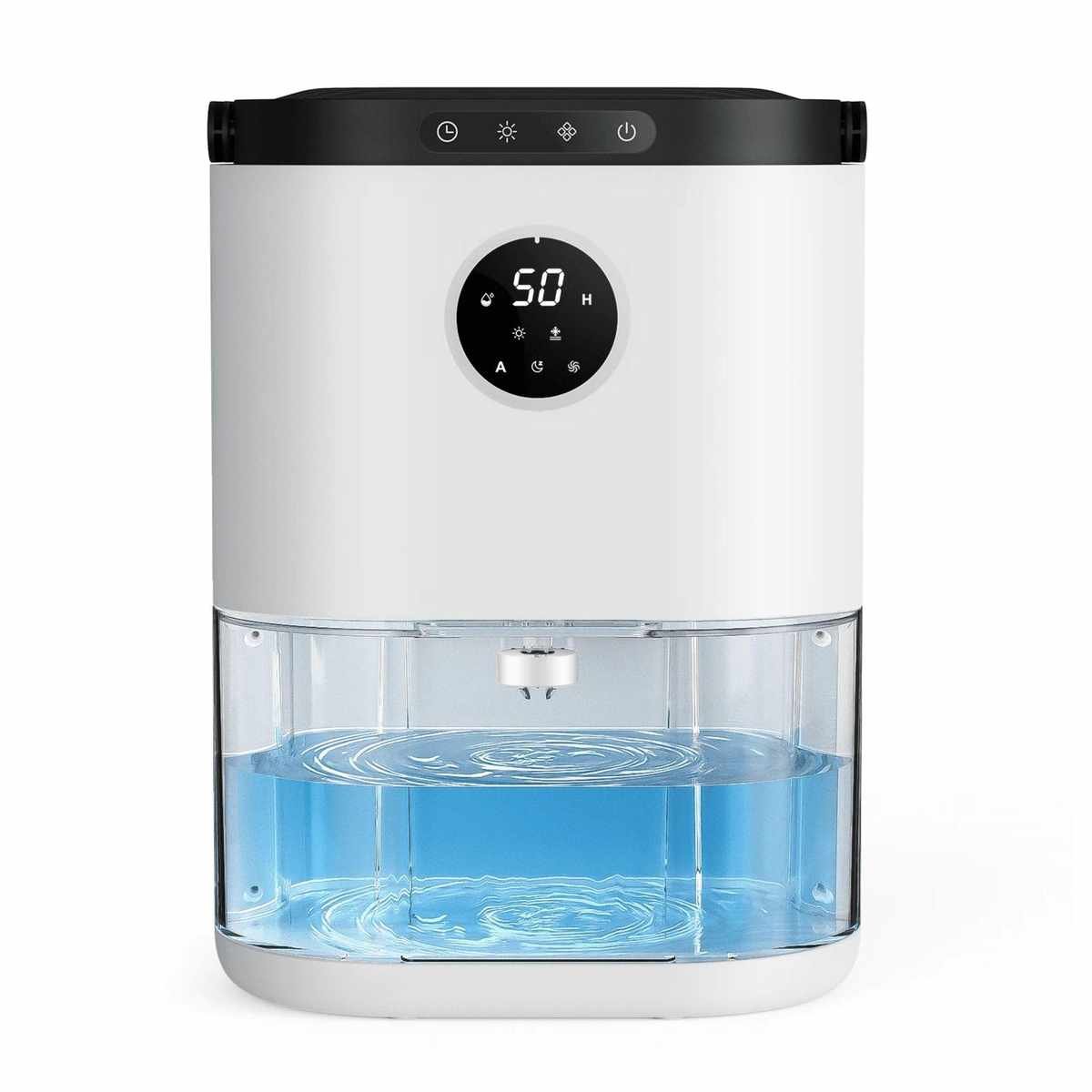 Large capacity
 Cordless
 3-in-1
 Waterproof
 Space-saving design
FAQs
Does Heat Kill Mold?
High temperatures can kill mold, but simply eliminating it doesn't solve contamination issues.
Can Rubbing Alcohol Kill Mold?
Yes, rubbing alcohol can effectively kill mold spores.
What Are Moisture Channels?
These allow air to circulate freely, preventing dampness in specific areas.
Do Mold Test Kits Work?
While useful, they should be paired with other inspection methods for thorough assessments.