Don't let the winter chill deter you from enjoying vibrant pots and containers filled with plants and flowers! By learning how to plant a winter container, you can bring color and life to your outdoor space throughout the year.
A winter container not only serves as a lovely focal point in your garden or patio but also enhances the landscape with stunning colors, textures, and visual appeal during the colder months.
From bright blooms like cyclamen to traditional arrangements featuring wintergreen and phormium sundowner, the possibilities for container gardening are truly endless!
Steps to Plant a Winter Container
According to groundskeeper and gardening advisor Stacie Krljanovic, 'Now is the perfect season to embrace the outdoors and breathe in the fresh air. Contrary to what many believe, winter is the ideal time to start your container garden.'
Whether you're new to container gardening or seeking fresh ideas for your existing arrangements, our comprehensive guide below will teach you how to plant a winter container, ensuring your outdoor area remains inviting and picturesque, regardless of the season.
Gather Your Materials:
- Container: We suggest either the resin Suncast Sonora Wicker Planter or a wooden Bucket Barrel Garden Planters. Make sure your containers have drainage holes. Gardening expert Stefan Bucur emphasizes that 'containers for a winter garden need to endure extreme temperature fluctuations. Materials like ceramic, stone, and terracotta can retain moisture, leading to freezing and cracking. Resin options are ideal for winter since they are non-porous and can handle low temperatures.'
- Soil: We recommend using the Conrad Fafard Professional Pot Mix.
- Selection of plants and flowers: Choose varieties that thrive in cold winter conditions.
- Water: Essential to keep your plants hydrated.
- Gardening gloves: For a hands-on approach! We recommend the Cooljob Bamboo Touch Screen Gardening Gloves.
1. Prepare Your Soil
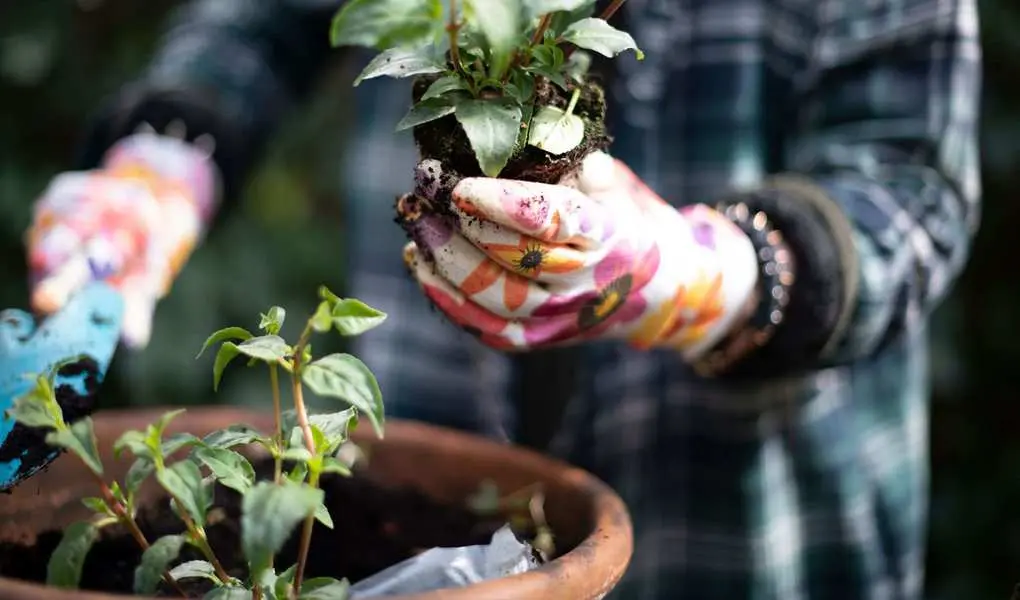
Fill your chosen container about halfway with soil, leaving enough space for your plant roots. Dig holes deep enough to accommodate the root balls of your selections.
2. Position Your Plants
Carefully place your plants in the holes you've created and gently pack more soil around their roots to secure them. Avoid overcrowding your container, as this can stunt plant growth and lead to drainage issues, which may cause rot or mold.
Violet Joy Miller from Greeny Thumbs recommends using the thriller, filler, spiller method for your winter container arrangement. This technique involves selecting one plant as the 'thriller'—the focal point of your display, such as a small tree or evergreen shrub.
Next, incorporate 'filler' plants to fill in gaps; these can be evergreen or deciduous types, including perennials and flowers.
Lastly, choose 'spiller' plants that cascade over the edges of your container—trailing varieties like ivy, sedums, or alyssum work well for this.
3. Water Your Plants
Once you're satisfied with your arrangement, generously water your plantings, ensuring the soil is moist but not soaked.
4. Complete Your Winter Container
Enhance your winter container with decorative touches like pebbles, pinecones, or even festive lights. Consider using Tonulax Solar Garden Lights and Lily Solar Flower Lights for lighting inspiration.
What Plants Are Suitable for a Winter Container?
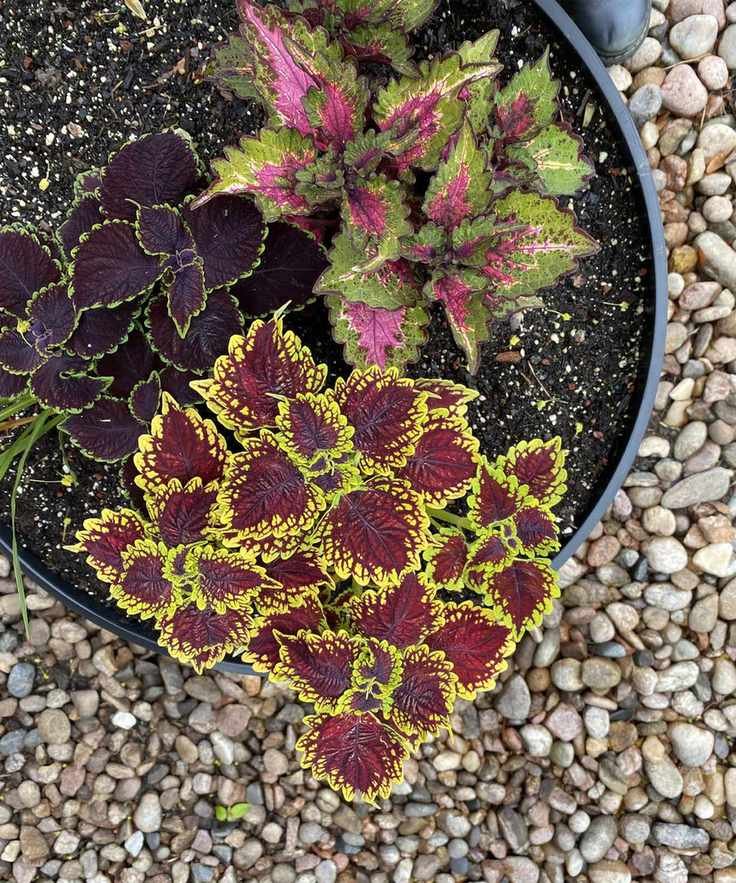
Your chosen plants must tolerate cold winter temperatures. Ideal options for winter containers include evergreens, ornamental grasses, berries, and vibrant annuals.
Carmen Johnston, owner of Bespoke Garden Plans, mentions, 'One of my favorite winter container combinations includes my three T's: tall, thick, and trailing. This works well in various containers, including a classic square fiberglass planter. Start with an Ivy Topiary, then add Cyclamen, followed by Variegated Ivy, Lime Green Heuchera, and Holly Fern. The Cyclamen looks wonderful for the holidays and lasts until spring! Begin with the ivy, then layer in the Cyclamen and fill in with the remaining plants.'
To guide your selections, here's a list of suitable plants for your winter container:
- Lamb's Ear
- Creeping Jenny
- Coral Bells
- Ivy Topiary
- Variegated Ivy
- Lime Green Heuchera
- Holly Fern
- Skimmia
- Euonymus Fortunei
- Mahonia
- Dwarf Conifer
- Pittosporum Tobira
- Dwarf Alberta Spruce
- Heucheras
- Hellebores
- Snowdrops
- Muscari
- Crocus
- Pansies
- Violas
- Cyclamen
- Rosemary
- Thyme
- Sage
- Erica Carneac
- Caultheria Procumbens
- Clivia
- Sedum
- Boxwood
How to Create Stunning Winter Container Arrangements
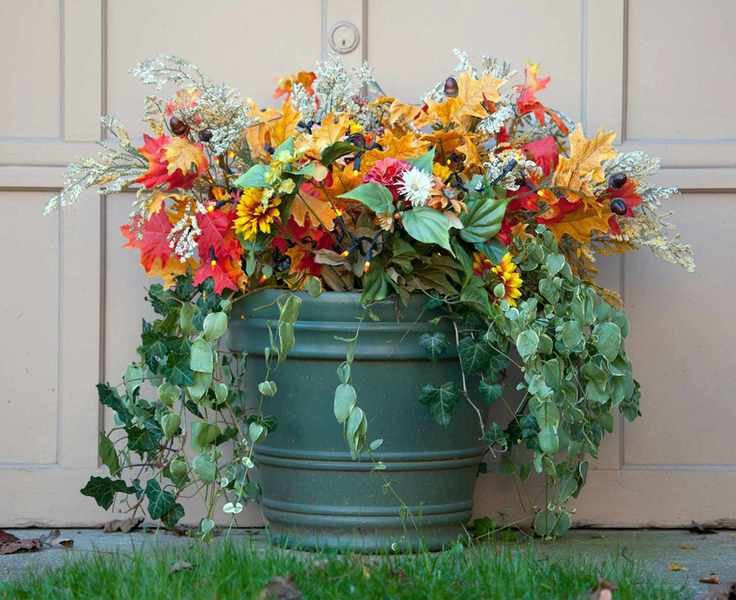
Stefan Bucur shares that 'winter containers are very forgiving and require minimal maintenance, often needing little to no water. This freedom allows many gardeners to view their winter containers as a creative endeavor. For these arrangements, incorporating a variety of plants and decorative elements is beneficial. Choose one main focus plant and use others to complement it. You can also add branches, pinecones, or ornaments for a festive flair.'
A winter container offers an excellent opportunity to experiment with contrasting textures and colors, creating a striking display in your outdoor area.
Lindsey Hyland, a gardening expert and founder of Urban Organic Yield, advises to 'incorporate a variety of textures and colors for a pleasing arrangement. When selecting plants, choose those that will thrive in the specific conditions you provide, such as the hardiness zone and sunlight exposure. Additionally, consider plants with unique bark, berries, or other ornamental features to enhance visual interest.'
The arrangement of your winter container is entirely up to you; however, the expert tips and insights provided in this guide will equip you with the knowledge and resources needed for an impressive winter container design.
For further inspiration on winter containers, check out our latest trends in container gardening, which can also assist with your summer planting ideas!