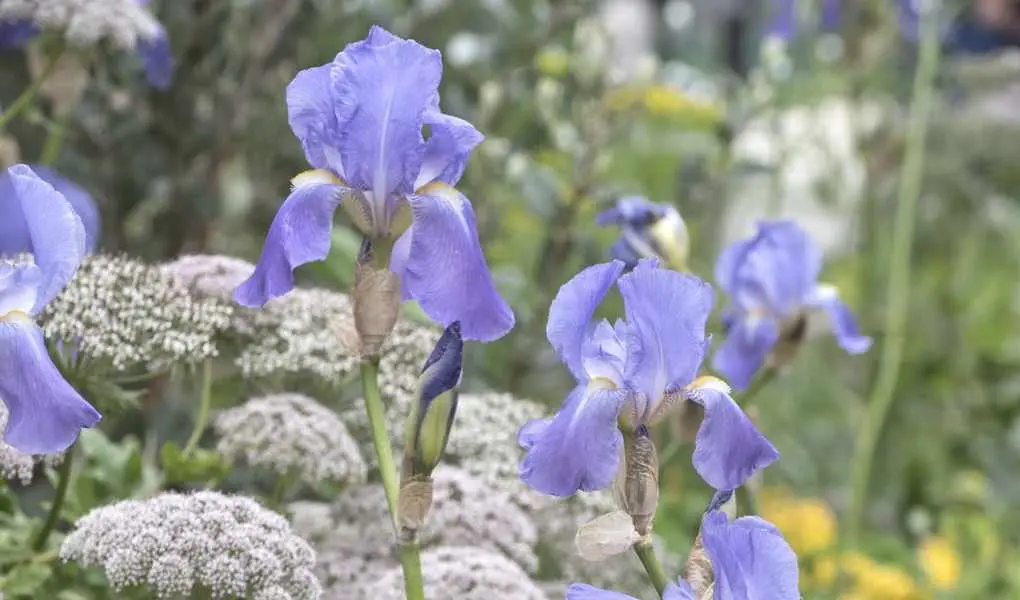
Renowned for their stunning blooms, bearded irises are a beloved choice for cottage gardens. With a variety of colors and patterns, these flowers range from bright golden yellow to deep maroon, rusty copper to rich purple.
Known scientifically as Iris germanica, bearded irises get their name from the distinctive beard on their lower petals. These irises typically bloom from mid to late spring, but their flowering period is quite brief, lasting just 1 to 2 weeks. Despite the short bloom time, the beauty of these flowers makes them a rewarding addition to any garden.
If you're in search of inspiring backyard ideas or wish to cultivate a striking yet intricate flower, bearded irises are sure to make a statement. Here, we'll provide expert tips on how to successfully grow bearded irises, ensuring a vibrant display of flowers this season.
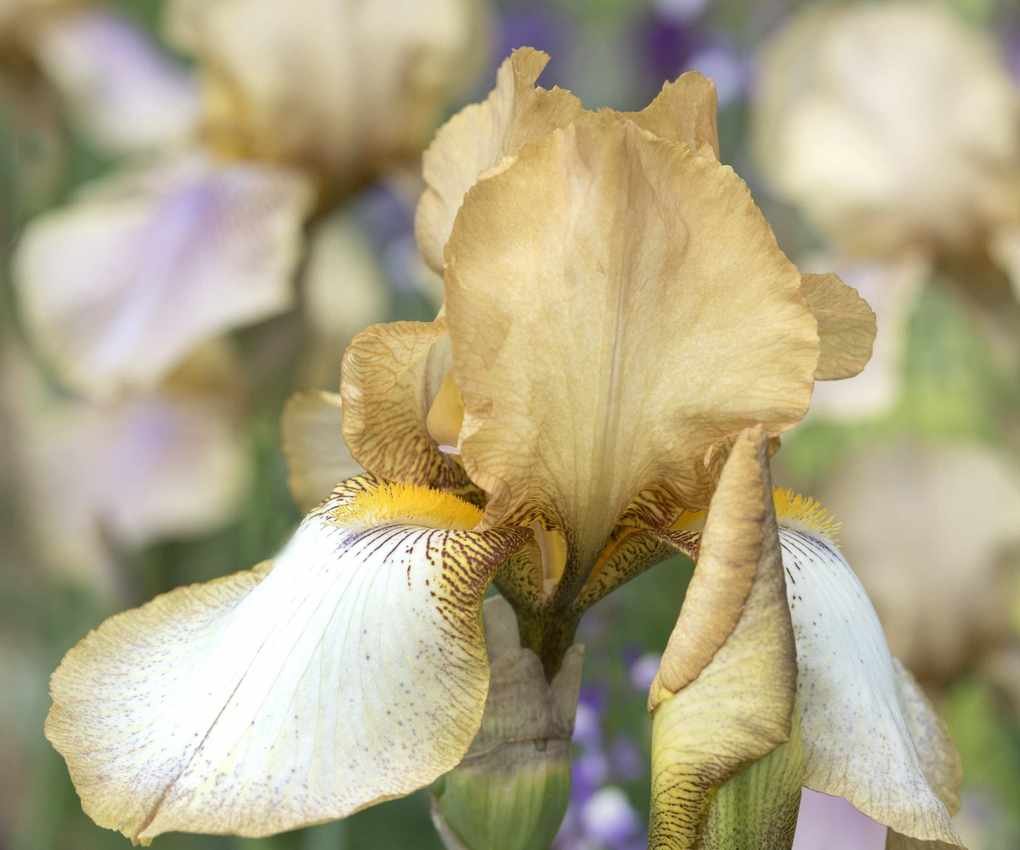
Bearded irises come in a variety of shades. 'Benton Susan' features beautiful copper-bronze hues.
How to Cultivate Bearded Irises
With an array of colorful bearded iris varieties, you're bound to find one that fits your aesthetic. The floral display of Iris germanica is a spectacular sight that will bring interest to your garden borders year after year. By following a few straightforward guidelines, you can ensure that these perennials not only return but also flourish more abundantly with each passing season.
Essential Information About Bearded Irises

'Beverly Sills' showcases blooms in a lovely apricot-peach hue.
According to iris expert Katie Sunderlage, "Bearded irises are considered perennials in US hardiness zones 3 through 8." While some varieties can thrive in hardiness zone 9, many will struggle with excessive heat.
They thrive in full sun, requiring at least 6 to 8 hours of direct sunlight daily, as Katie explains. Similar to flowering shrubs, the amount of sunlight directly influences blooming; more sun means more flowers.
Additionally, these plants prefer "well-draining soil," warns Katie. "Bearded iris rhizomes are prone to root rot if the soil retains too much moisture." These irises are typically found in warm, dry areas of the Mediterranean and Middle East, so good drainage is essential for their health.
When selecting a bearded iris for your garden, consider not only your preferred colors but also the plant's size. Some varieties can reach heights of up to 30 inches, while others are dwarf or miniature forms. Taller irises work well in the middle or back of garden beds, whereas shorter ones can be planted along pathways or in pots.

Katie Sunderlage
Operations Manager at Holland Group, Katie has been immersed in the green industry since 2005 in the Greater Milwaukee area. After earning her degree in Horticulture in 2008, she has cultivated her passion for plants through various roles in garden centers and online retail.
Planting Bearded Irises

'Ghost Train' displays deep purple, almost black blooms.
"Bearded irises should ideally be planted in early fall," Katie advises. "Late August or September is the best time as it allows the plant ample time to establish itself before winter's chill sets in."
"For most perennials, planting in the fall gives them the best chance to root before freezing weather arrives," she adds. "By planting earlier, in late August or early September, you enhance the likelihood of blooming the following season."
It's also crucial to plant the rhizomes at the correct depth. Bearded iris rhizomes should be buried 1 to 2 inches beneath the soil surface, with the crown resting just above ground level. "Planting too deep can prevent the iris from blooming or growing effectively," Katie cautions.
When planting, consider the sun's position. Rhizomes should be oriented southward to maximize sun exposure, which helps promote better blooms.
Make sure to firm the rhizomes into the soil, as they can be top-heavy until their roots are well-established. Ensuring that your bearded irises are securely planted will significantly enhance your chances of achieving a stunning bloom.
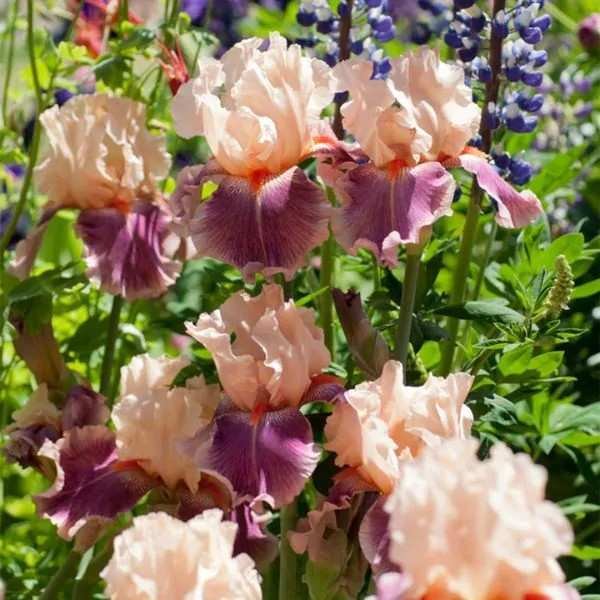
The charming Iris germanica 'Cherry Blossom Song' features two-tone blooms that are simply breathtaking! With soft apricot and mauve petals, these frilly flowers are not only visually stunning but also emit a delightful fragrance.
Caring for Bearded Irises

'Edith Wolford' showcases blue and copper blooms in a cottage garden.
"Newly planted bearded irises require moisture to help establish their roots," Katie explains. "When planting new rhizomes in late summer or early fall, increase your watering frequency to ensure adequate moisture before the ground freezes."
Watering needs will vary depending on local climate and US hardiness zone, but Katie suggests "watering thoroughly and less frequently instead of shallow, frequent watering." Once established, bearded irises typically need minimal watering.
In the early spring, apply a general-purpose fertilizer or one specifically low in nitrogen. The ideal fertilizer should have a lower first number, with the middle and last numbers being slightly higher. This will support stronger, longer-lasting blooms and promote a healthy root system.
When it comes to deadheading your irises, Katie recommends cutting back the bloom stalks to ground level after the flowers have completely faded. However, be sure to leave the foliage intact for as long as possible, as this is essential for the plant to gather energy for the following growing season.
FAQs
Can Bearded Irises Thrive in the Shade?
No, bearded irises require a sunny location to bloom effectively. Ideally, they should receive 6 to 8 hours of sunlight each day. If your garden is predominantly shady, it's advisable to choose plants that are better suited for those conditions.
Incorporating bearded irises into your garden is guaranteed to add a touch of floral elegance to your outdoor space. Their colorful and intricate blooms make them a must-have for any gardening enthusiast. For more tips on irises, check out our guide on how to divide irises to enhance your collection and improve your plants' health. If you're interested in native irises that thrive in North America, refer to our guide on the best native irises for unique and intriguing varieties.