
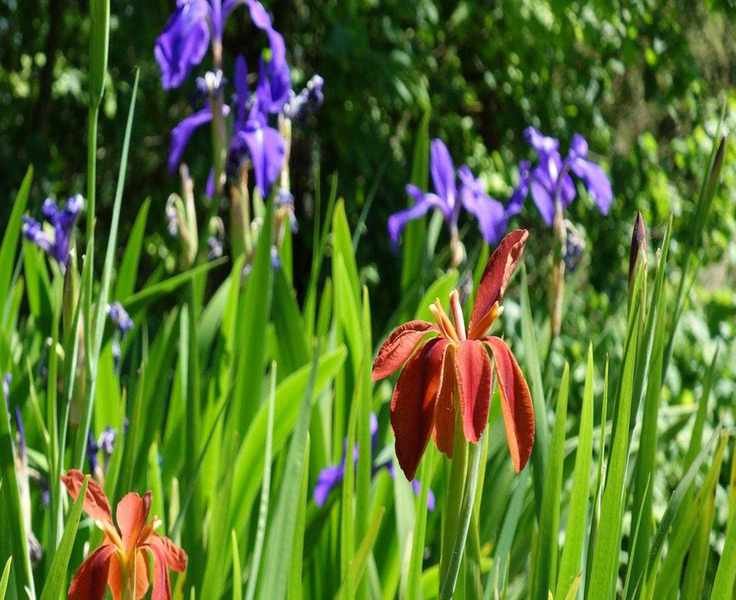
Irises are highly regarded for their vibrant blooms and intricate patterns, making them favorites in gardens. As someone with a background in professional gardening, I've cultivated numerous species within the Iris genus, from eye-catching bearded irises to compact varieties suitable for pots.
Over 300 Iris species thrive globally, primarily in Europe and Asia, with 28 native to North America, many of which are endangered or scarce. Due to their presence in delicate ecosystems like wetlands and meadows, nurturing these unique plants is essential.
If you're exploring native planting options for your garden, consider incorporating these exceptional non-bearded irises found throughout North America. This guide provides all the details you need, including planting advice to help them flourish in the fall.
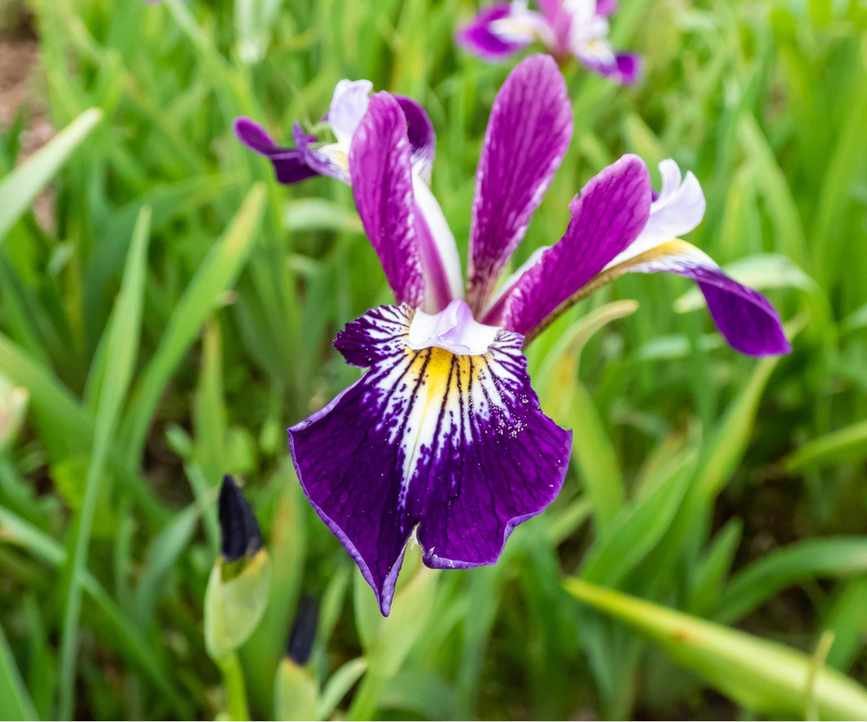
The Rocky Mountain iris, Iris missouriensis, is a resilient native variety featuring intricate markings.
5 Exceptional Native Irises
For those familiar with growing irises, the charm of this plant family is undeniable. They come in various colors, shapes, and sizes, with most recognized by their upright petals (standards) and drooping sepals (falls), creating a dazzling spectacle.
Native irises can be found in every lower 48 state and Alaska, flourishing in diverse environments from the Rocky Mountains to the wetlands of the lower Mississippi River valley. Let's explore five of the top native irises to plant this fall.
1. Southern Blue Flag Iris
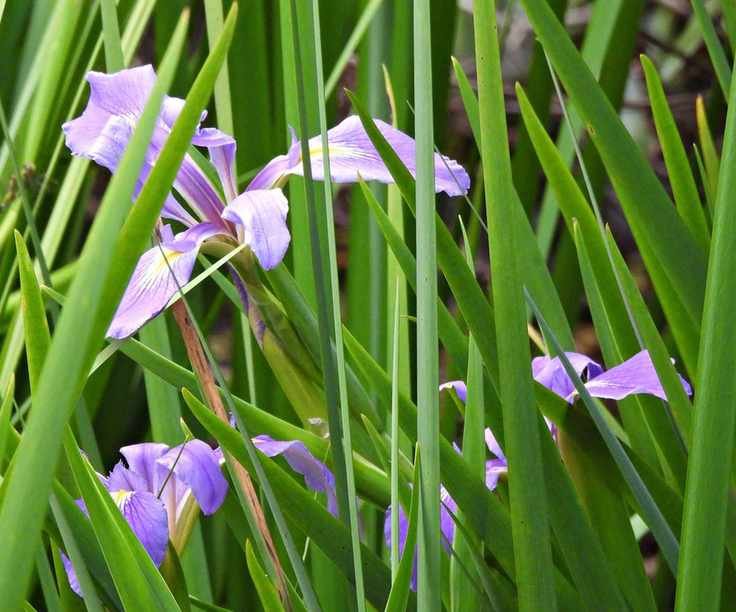
For wet or moist areas, the southern blue flag iris, Iris virginica, is an excellent choice.
If you're seeking backyard inspiration and want to grow blue flowers, the southern blue flag iris, Iris virginica, should top your list. This native variety thrives in US hardiness zones 5 to 9.
Typically found from Virginia to Florida and westward to Texas, the southern blue flag iris can reach heights of two to three feet, showcasing violet-blue blooms that attract pollinators.
Plant rhizomes from July to November, while potted plants can be set out until late November. These irises prefer full sun and moist conditions, making locations near ponds ideal.
'We cultivate several iris types at Oudolf Garden Detroit,' states Meredith Simpson, horticulturist and key member of the garden's team. 'Visitors enjoy our reblooming irises in early summer and fall, especially the native blue flag iris, which flourishes in wet soils and rain gardens. This reliable species blooms pale blue in late spring and summer, maintaining lush green foliage throughout the season.'
This iris boasts striking purple and yellow patterns, adding visual interest to any garden border.
2. Bristle-Pointed Iris

With rich blue flowers, the bristle-pointed iris, or Iris setosa, complements other blue, purple, or white plants beautifully.
The bristle-pointed iris, or Iris setosa, is a stunning option for those in cooler northern climates. This hardy species grows across Canada and Alaska, thriving in US hardiness zones 3 to 8, enduring harsh winters easily.
Preferring full sun or partial shade, this iris typically reaches a height of two feet. It can be started from seed in a cold frame or greenhouse in the fall and transplanted outside the following spring.
If you have an established clump, divide the plants in October or November for optimal growth.
Bristle-pointed iris seeds are available for purchase online.
3. Dwarf Crested Iris
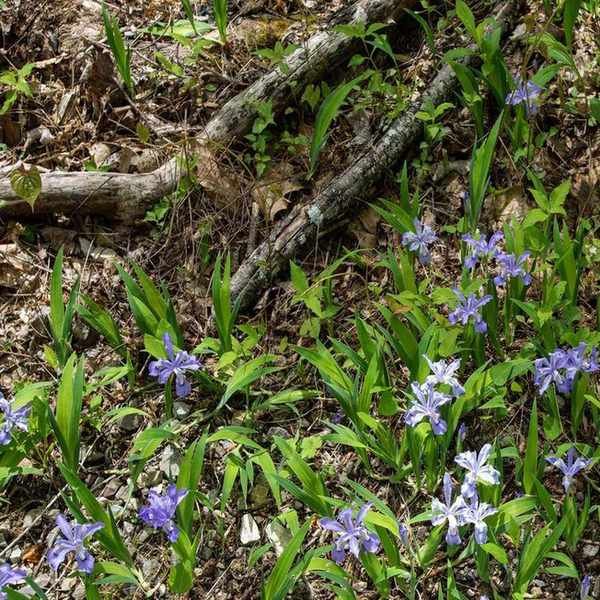
The dwarf crested iris, Iris cristata, offers a low-growing option with impactful purple flowers.
The dwarf crested iris, or Iris cristata, is a petite perennial commonly used as a ground cover, typically growing to just five or six inches tall.
This native variety thrives in US hardiness zone 4 and higher, favoring wooded areas with partial afternoon shade and slightly moist, loamy soil.
Plant dwarf crested irises in spring or fall, ensuring shallow planting, as is ideal for most rhizomatous plants. Over time, this low-growing iris will spread, creating a carpet of violet blooms in summer.
Iris cristata rhizomes can be ordered online.
4. Louisiana Iris
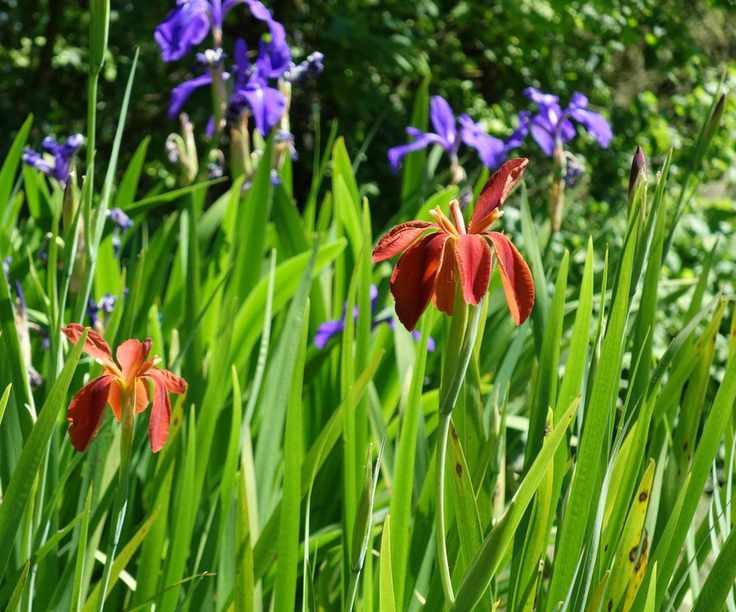
The Louisiana iris, Iris fulva, features unique copper-red blooms that attract pollinators.
The Louisiana iris, Iris fulva, showcases distinctive copper-red flowers that attract bees and butterflies during spring and summer. Stems typically grow to heights of two to three feet, thriving in bogs, marshes, and wetland areas with alluvial soil in Louisiana and Mississippi.
This iris flourishes in US hardiness zones 6 to 9, preferring full sun and wet soil, making it perfect for a rain garden in open spaces.
Plant Louisiana irises in spring or early fall; in mild climates, they can be planted as late as November.
Louisiana irises are available as live plants from various nurseries.
5. Douglas Iris
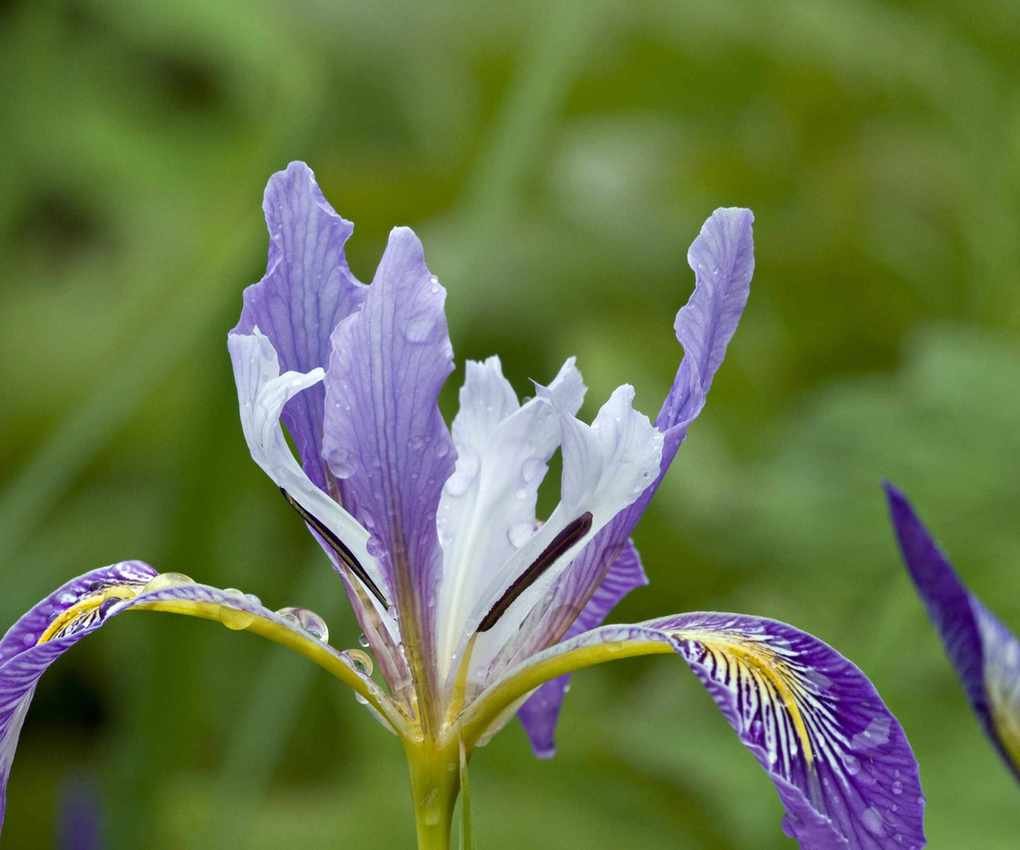
The Douglas iris, Iris douglasiana, features striking yellow and purple petals, commonly found in California.
If you're exploring California native plants, consider the Douglas iris, Iris douglasiana, an elegant species thriving along the Pacific coast in California and Oregon.
This iris grows in US hardiness zone 7 and reaches heights of up to two feet. Numerous impressive varieties are available from nurseries, like the cream-white 'Canyon Snow'. However, be cautious, as this species can be vigorous and may become an invasive plant in certain areas. Check with local authorities for guidance on suitable plants for your region.
'Irises are stunning perennials that naturally grow in California's moist regions,' explains Maya Argaman, a native plant specialist. 'With their vibrant blooms in spring, they bring charm to gardens and tolerate poor drainage, thriving near creeks or in wet areas.'
If you have a clump of Douglas iris, you can divide the rhizomes in the fall, typically in October or November, or propagate from seed by sowing undercover in a greenhouse in the fall.
Care Tips for Native Irises
When is the Best Time to Prune Native Irises?
Considering when to prune irises? Incorporate this task into your fall gardening routine. Allow the foliage to turn yellow and brown first, so the plant can store energy in the rhizome or bulb. After the first frost, the foliage will flop and fade, signaling it's time to cut it back to the base.
For more information on growing irises, check out our guide on growing bearded irises. While not native, many varieties like Iris germanica, including the stunning 'Medici Prince', with its deep maroon falls and yellow center, are striking additions to any garden.



