

Invasive plants are notorious for overtaking gardens, disrupting the local ecosystem, and threatening native flora and fauna.
Familiarizing yourself with common invasive species and their growth patterns is crucial. Understanding whether they spread through seeds or extensive roots can significantly aid in their control.
Here are ten invasive plants to be aware of in your flower beds and strategies to manage them.
10 Invasive Plants to Watch
Local growing conditions greatly influence which plants become invasive. For guidance, check with your regional Cooperative Extension Service or a nearby nursery.
1. Japanese Knotweed (Fallopia japonica)
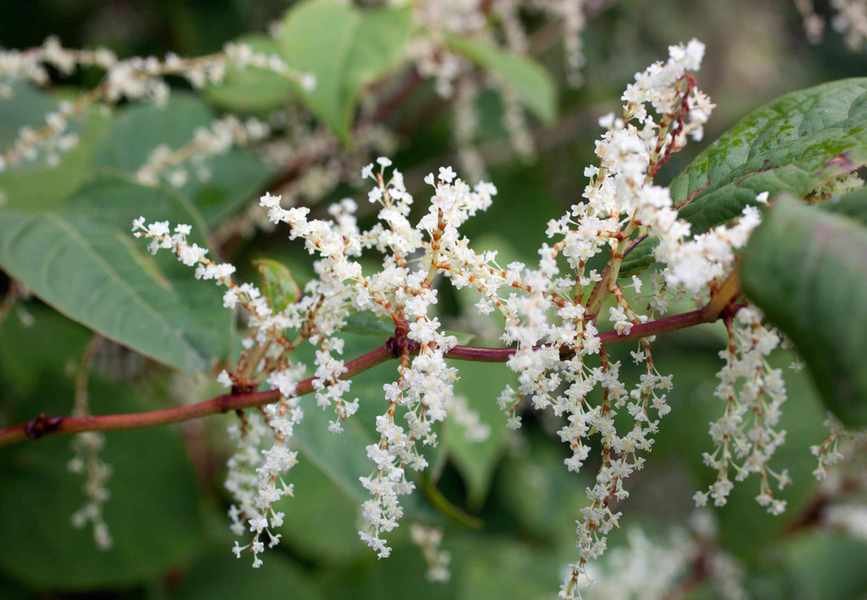
This plant, once prized for ornamental purposes, has become a formidable invader. Its aggressive roots spread rapidly along waterways and can even disrupt asphalt and drainage systems. Growing up to 4in (10cm) daily, it's identifiable by its striking white flowers in summer.
To manage it, dig out all shoots, no matter how small. Due to its tenacity, consider seeking professional help as it may take several years to eradicate.
2. Chinese Wisteria (Wisteria sinensis)

With stunning blooms in early summer, Chinese wisteria looks lovely but grows aggressively. It can extend up to 60ft (18m) and may choke trees and shrubs, creating vulnerabilities to storms.
Control this vine by pruning back new growth and, if necessary, cutting stems at ground level followed by immediate application of herbicide. Remember to wear gloves, as all parts of the plant can be toxic.
3. English Ivy (Hedera helix)

Beloved for its decorative foliage, English ivy is a popular ground cover but can be invasive, particularly in the Pacific Northwest. It spreads through self-rooting stems and seeds favored by birds.
Control ivy by cutting back stems to the ground, removing woody stumps, or using herbicide with a prior bruising of leaves to improve absorption.
4. Butterfly Bush (Buddleja spp)

Though known for attracting butterflies, the butterfly bush is invasive in many regions. It propagates easily via seeds and establishes quickly in sunny areas.
To manage it, either dig it out completely or prune it back hard and treat the remaining plants with herbicide in spring.
5. Japanese Honeysuckle (Lonicera japonica)

This vigorous vine can quickly overtake shrubs and trees. While it produces fragrant flowers that attract pollinators, it can reach lengths of 15 to 30ft (4.6 to 9.1m).
Control it by regular cutting and applying weed killer. Alternatively, consider placing it in a less favorable environment to slow its growth.
6. Japanese Barberry (Berberis thunbergia)

Japanese barberry is a thorny shrub that can quickly spread its seeds, overtaking native flora. While it grows to about 5ft (1.5m), its thorns can deter animals.
To manage it, remove the entire plant including roots or cut it back and apply herbicide immediately.
7. Kudzu Vine

Kudzu, known as 'the vine that ate the South,' thrives in southern U.S. regions, growing rapidly and suffocating other vegetation.
Control this vine through consistent mowing and herbicide application.
8. Chinese or Japanese Silver Grass

Once a popular landscape choice, this grass is highly invasive. It can grow up to 12ft (3.7m) and is known to increase wildfire risks.
To manage it, hand-dig or mow regularly during the growing season, but be prepared for a lengthy control process.
9. Winter Creeper (Euonymus fortunei)

Winter creeper is a tenacious vine that can dominate forest openings. Originally introduced for its aesthetic appeal, it now threatens native plants.
To eradicate it, pull or dig it out completely and consider covering with cardboard and mulch to suppress regrowth.
10. Running Bamboos (Phyllostachys aurea)

Running bamboo can spread uncontrollably, sending out strong shoots that can damage structures. This ornamental plant, while attractive, is difficult to manage once established.
To control its spread, regularly cut new shoots and consider installing barriers to contain it.
Why Do Invasive Plant Listings Vary?
Designations of invasiveness largely depend on local conditions. For accurate information, consult local resources.
How to Safely Dispose of Invasive Plants?
Proper disposal is essential to prevent further spread. Composting is not advisable, as it can lead to relocation of seeds and roots. Instead, consult local guidelines for safe disposal methods.



