

Pruning trees is essential for maintaining their shape and aesthetic appeal, as well as eliminating dead or diseased branches that jeopardize their health.
Many gardeners find pruning intimidating. Whether you've planted trees for privacy or inherited beautiful specimens, proper pruning ensures you can enjoy them for years.
If you're uncertain about the right time to prune, we're here to guide you. Experts share their insights on timing to help safeguard your trees' wellbeing.

Mastering the timing and technique of tree pruning is a valuable skill
What's the Right Time for Tree Pruning?
Pruning trees requires careful timing; it's not a uniform process. Cutting at the wrong moment can stress the tree and lead to serious harm.
For large trees needing care, consulting with professionals is wise.
For smaller or regularly maintained trees, you can handle pruning yourself with well-maintained garden tools.
Deciduous Tree Pruning Timing
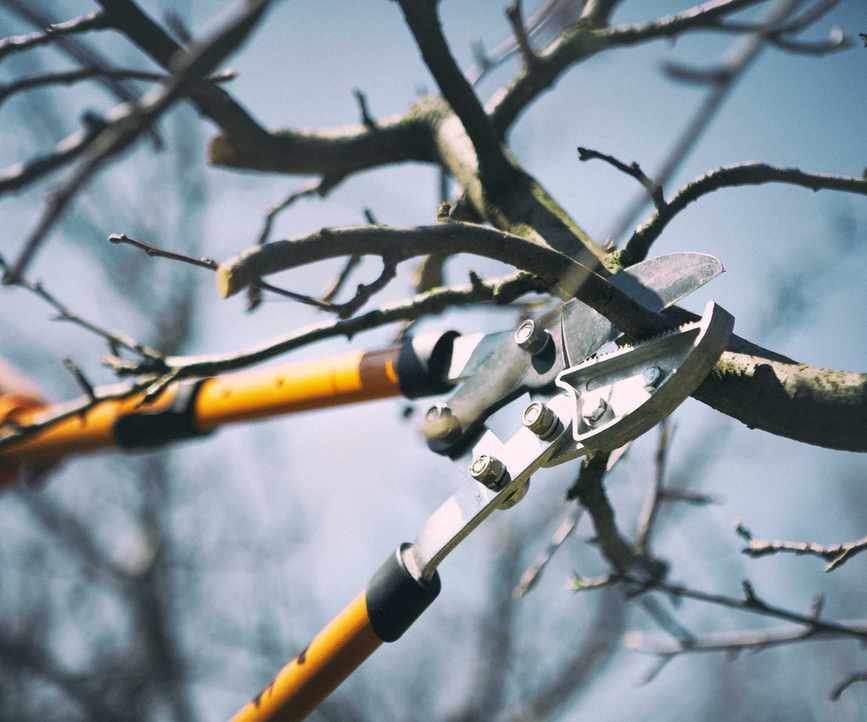
Research is vital for effective tree pruning
Most deciduous trees, which shed their leaves each autumn, benefit from pruning during their dormant phase. This timing minimizes stress on the tree.
Without leaves, it's easier to evaluate the tree's shape and decide which branches to remove, focusing on the dead, damaged, or diseased ones.
'Prune deciduous trees in full dormancy, ideally during late winter or early spring before buds begin to swell,' advises a plant expert. 'A good rule is to avoid pruning in months ending with R (October, November, December).'
Common deciduous trees include maple, crabapple, sorbus, and birch. However, birch trees should be pruned in late summer or early fall to prevent sap flow that attracts pests. Flowering cherry trees also prefer summer pruning.
Research before you start to avoid making a pruning error with your timing.

Evergreen Tree Pruning Timing

Most evergreen trees should be pruned while they're still active
Evergreen trees retain their foliage and can be pruned in late winter or early spring, before new growth begins. Your pruning schedule may vary based on your US hardiness zone.
'In colder regions, wait until spring to prune to avoid harming tender evergreens,' advises an expert. 'If your evergreen flowers, delay pruning until after blooming; otherwise, you can prune in early spring.'
Popular evergreen choices for landscapes include cedar, eucalyptus, spruce, and cypress trees.
Risks of Improper Pruning Timing

Pruning timing can greatly affect tree health
Pruning at the wrong time poses risks, impacting tree health and flowering potential. Incorrect timing can result in a missed blooming season.
Improper pruning can also expose trees to diseases, such as pruning flowering cherries in winter, increasing vulnerability to fungal infections.
Climate plays a crucial role in determining pruning time. An arborist recommends avoiding pruning during extreme temperatures, whether hot or cold.
Consider the type of tree as well; delicate ornamentals may suffer more from mistimed pruning than hardier varieties.
Pruning deciduous trees too early can stimulate weak growth, diverting energy from preparing for dormancy, leaving new stems vulnerable to frost damage.

Can You Trim Trees During Nesting Season?
Pruning during nesting season is not advisable. Always check for nesting signs before trimming. If you find a nest, stop immediately to avoid legal repercussions.
For fruit trees like apples or pears, knowing the right pruning time is essential for their health and productivity. While many are pruned in winter, stone fruits like peaches should be pruned in spring or summer to avoid mistakes.
Recommended Pruning Tools
Fiskars Power-Level Garden Bypass Lopper: Loppers with stainless steel blades cut branches up to 1.75" thick, utilizing power-lever technology for easy cutting.
Silky Professional SUGOI Saw: Features a precision-ground, razor-sharp blade with four cutting angles for fast, clean cuts.
Haus & Garten ClassicPRO Bypass Pruning Shears: Professional-grade shears made from high-carbon steel for lasting sharpness and clean cuts.



