
Dirty laundry accumulates quickly, making laundry a frequent household chore that can increase energy expenses. However, there are ways to manage costs and reduce energy use without skipping laundry altogether.
We gathered insights from sustainable cleaning experts and energy specialists to discover how to do laundry efficiently, saving energy and money while being environmentally friendly.
Ways to Save Energy While Doing Laundry
Cutting energy use during laundry translates to lower bills, benefiting both your wallet and the planet.
1. Select Eco-Cycles

Choosing eco-wash cycles is one of the most effective methods for saving energy, according to sustainable cleaning expert Catherine Green. These cycles operate at cooler temperatures and use less water, which helps reduce costs. Don't worry if the cycle takes a bit longer; it simply requires more time to clean effectively while being more efficient.
However, remember that certain items, like bed linens and towels, should still be washed in hot water to eliminate bacteria. Occasionally running a hot cycle can help prevent unpleasant odors in your washing machine.
Most washing machines allow you to set lower temperatures. Opting for a 40°C (104°F) wash instead of a 60°C (140°F) can halve your energy usage. Going even lower to 20°C (68°F) could save up to 66% more energy, making a significant impact on your energy bills and the environment.
For cold washes, consider using smol laundry capsules, which are designed for effective cleaning even in colder water.
2. Wait for Full Loads

While it might be tempting to wash small loads, it's better to wait until you have a full load to save energy and water. Running a washing machine for just one pair of jeans uses the same energy as a full basket of clothes.
Moreover, smaller loads can waste water if not set correctly, so be mindful to only wash full loads to minimize cycles run.
3. Pre-Soak and Treat Stains
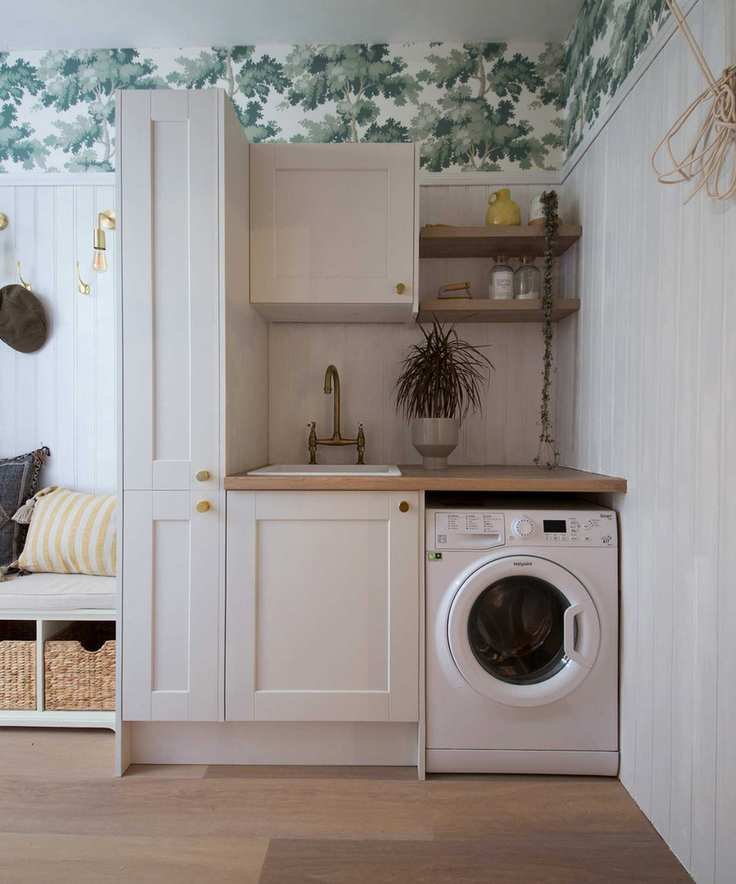
Pre-soaking and treating stains will make them easier to remove, allowing you to wash items less frequently. Soaking heavily soiled items with soap can help lift stains before machine washing.
For tough stains, using a stain remover can prevent the need for multiple washes. Consider using smol bleach-free stain gel for effective results.
4. Clean the Lint Trap Regularly
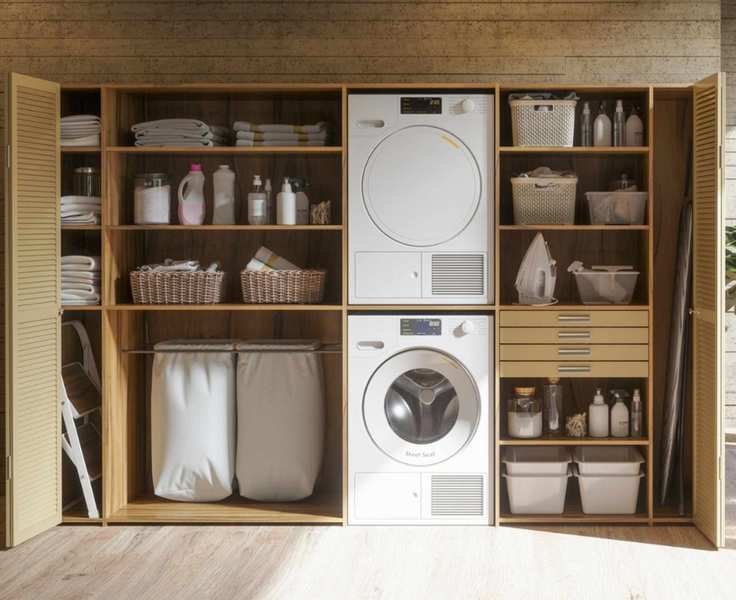
Neglecting to clean your dryer's lint trap can hinder its efficiency and pose a fire risk. Keeping the lint trap clean enhances airflow and reduces hazards.
Regularly vacuuming the area below the lint filter and exterior vents can further ensure your dryer operates at optimal efficiency.
5. Invest in Efficient Machines and Detergents

Washing machines typically last around 10 to 13 years, but their lifespan can vary based on usage. If your machine struggles to clean effectively, it might be time to consider an upgrade.
Look for models with Energy Star certification, which signifies they meet stringent efficiency standards, using 25% less energy and 40% less water compared to traditional machines.
Generally, front-loading washing machines are more energy-efficient than top-loading ones due to their design. Larger drum sizes can also allow for more clothes per load, leading to further savings.
When using high-efficiency machines, opt for high-efficiency detergents, which produce fewer suds and act quickly for effective washes.
6. Air-Dry Whenever Possible

Air-drying laundry offers numerous benefits and can save you money. Avoid tumble dryers when you can, and take advantage of natural drying methods.
If drying indoors, consider using an airer near a radiator or fan. Tumble dryers are costly to operate, so minimizing their use can lead to significant savings.
7. Use Dryer Balls

If you use a tumble dryer, consider switching to dryer balls instead of traditional dryer sheets, which can harm the environment. Wool or rubber dryer balls improve air circulation and reduce drying time.
They keep clothes separated and can help reduce static. Wool dryer balls can even be infused with essential oils for a pleasant scent.
8. Opt for High Spin Speeds

Using a high spin speed extracts more water from clothes, leading to shorter drying times whether using a dryer or airer. However, exercise caution with delicate fabrics to avoid damage.
9. Wash During Off-Peak Hours

Check your energy plan to identify peak hours when rates may be higher. Running your washing machine during off-peak times can lead to lower costs.
Utility companies often adjust rates based on demand, with higher prices during peak hours in the late afternoon and evening. By scheduling your laundry during off-peak times, you can save money.
A little planning can lead to noticeable savings on your energy bills.
FAQs
Why is my washing machine using so much electricity?
If your washing machine consumes excessive electricity, it may be due to the size of your loads. Heating water for washing is a significant energy drain, especially if not utilized efficiently.
Only wash full loads to maximize efficiency and reduce energy consumption.
There are many additional ways to promote sustainability at home, from recycling to shopping secondhand. Consider assessing your emissions and invest in a smart meter for better energy management.