There's nothing quite like the struggle of squeezing everything into a tiny closet. But you might be making things even harder by falling into some common small closet organizing traps, according to the pros.
Making a small closet work often means rethinking the whole storage setup, they say, and steering clear of pitfalls that kill its usefulness.
Here, professional organizers share the mistakes to avoid when trying to bring order to your small closet.
Small closet organizing mistakes to avoid
Even seasoned home organizers find small closets tricky, but trial and error is part of the process, says JP Taxman, founder of home organizing company ReliefKey. "Each small closet is different because of the available shelving and hanging options. Just remember it doesn't have to be perfect the first time—keep experimenting and tweaking until everything fits and works for you."
1. Storing shoes in your small closet
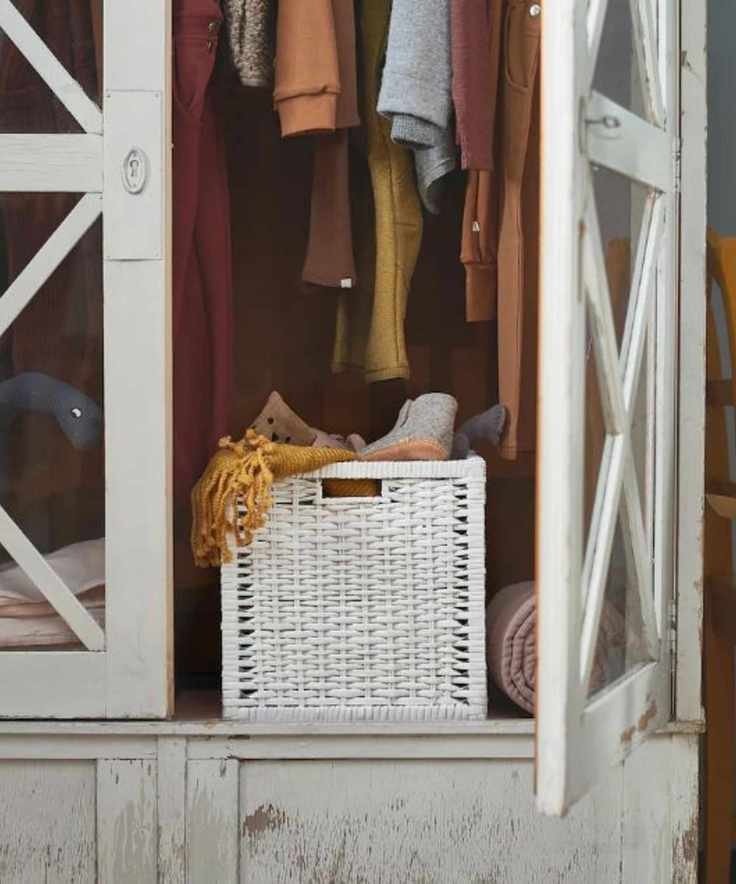
While shoe storage usually lives in the bedroom closet, in tight spaces it's smarter to find another home for your footwear.
"One of the first things I tell clients is to consider removing shoes from the closet entirely," says Ben Kuhl, CEO of Shelf Expression. "Shoes take up a lot of space, especially seasonal pairs that get worn only a few times a year. To maximize small closet space, find other storage for shoes and reserve the closet for items you use more often."
Think about organizing shoes in hallway shoe storage units instead—right where you need them as you head out the door.

Ben started making shelves as a DIY project for his home. Once they were installed, he realized how emotionally powerful it was to showcase the things in life that meant the world to people. Hence, shelving. What better way to display the things that bring you joy than on a beautifully handcrafted piece of woodwork?
2. Cramming too many clothes into one small closet
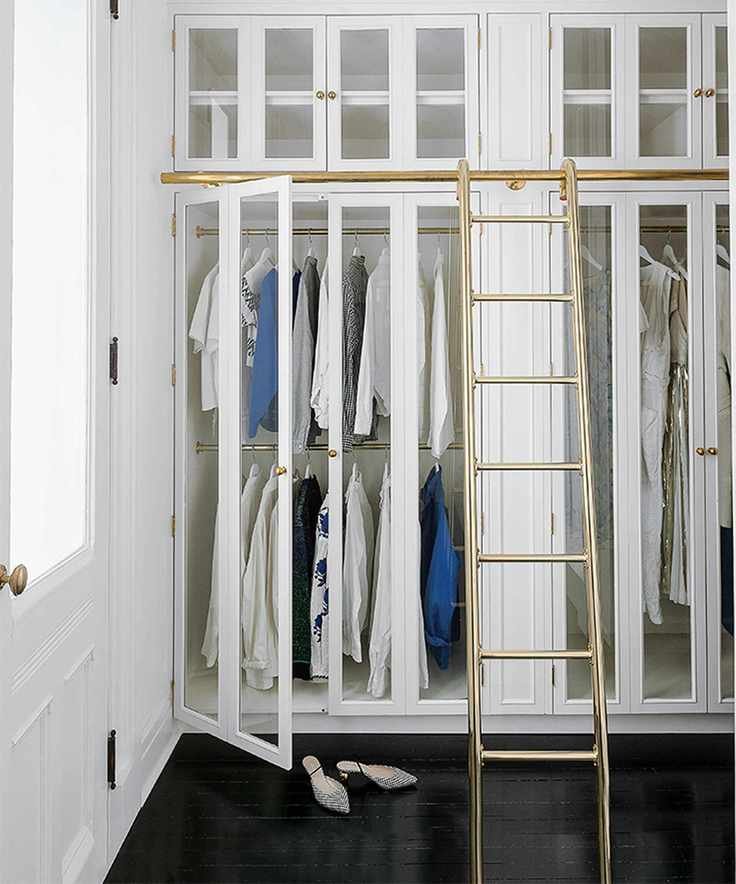
Traditionally, all clothes go in the closet, but try to find extra storage spots like a trunk or nightstand. Taking cues from organizing a bedroom with no closet space will ease the pressure on your small closet.
"I know it's not what you want to hear, but it's what needs to happen: you just don't have the room," says JP Taxman of ReliefKey. "If you really must keep everything, put it in bins and either get a storage unit, store them in the garage or attic, or invest in a dresser if you have room in your bedroom."

JP focuses on finding his clients the best home solutions to storage problems there are, aiming to make life more joy-filled—and less clutter-filled.
3. Skipping regular decluttering

A constant refrain in closet organizing is to declutter your clothes regularly, passing old pieces on to friends, family, or thrift stores.
"Decluttering your closet first is important because it can significantly impact your daily routine. Prioritizing areas you use every day can streamline your day and reduce stress," says Olivia Parks, owner of My Professional Organizer. "A cluttered closet makes it hard to find what you need, leading to morning frustration. To declutter efficiently, sort through each item and decide what to keep, donate, or toss. Then organize what's left in a way that fits your daily routines—categorize items and use clear containers for easy visibility."

Based in New Orleans, Olivia is a home organizing enthusiast and founder of My Professional Organizer.
4. Hanging everything instead of folding
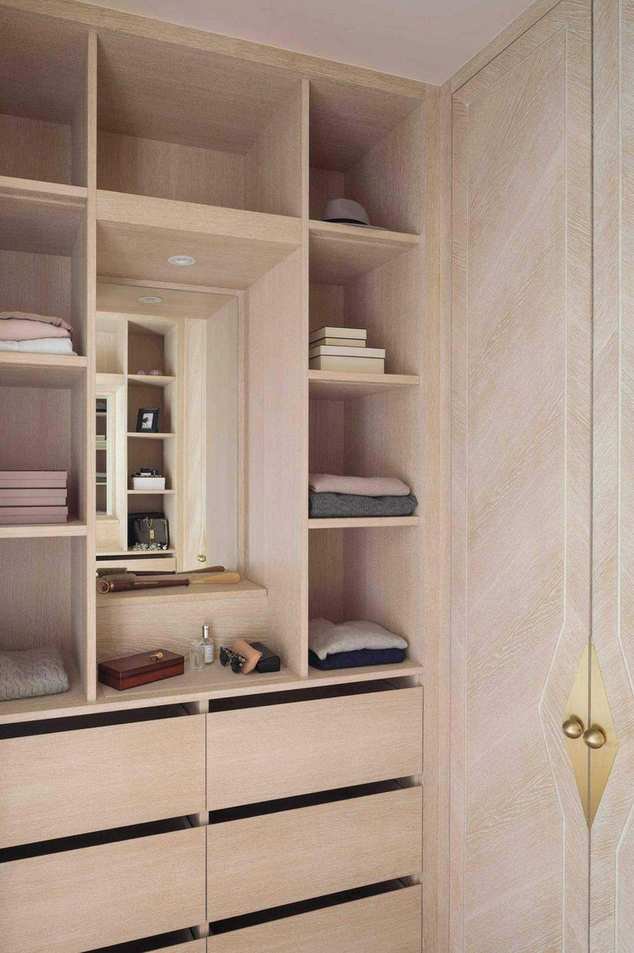
A common small closet decluttering mistake is forgetting to use different clothes organizing methods. Not everything needs to hang.
"If you have shelving but limited hanging space, fold jeans and t-shirts and store them on shelves. Keep nice shirts, jackets, dresses, and long sleeves hung up," suggests JP Taxman of ReliefKey. "Containers like these from Amazon can help segment leggings, scarves, and pajamas, keeping the closet from looking cramped."
When deciding what to fold, consider the fabric, adds Megan Watkins, head stylist at SilkFred. "Stretchy, durable items like gym wear or loungewear sets are perfect for folding. Never hang knitwear—it may stretch and lose shape. Anything made of flowy, lightweight fabrics like satin, silk, and linen must be hung because they crease easily."
5. Ignoring color coding for quick visibility
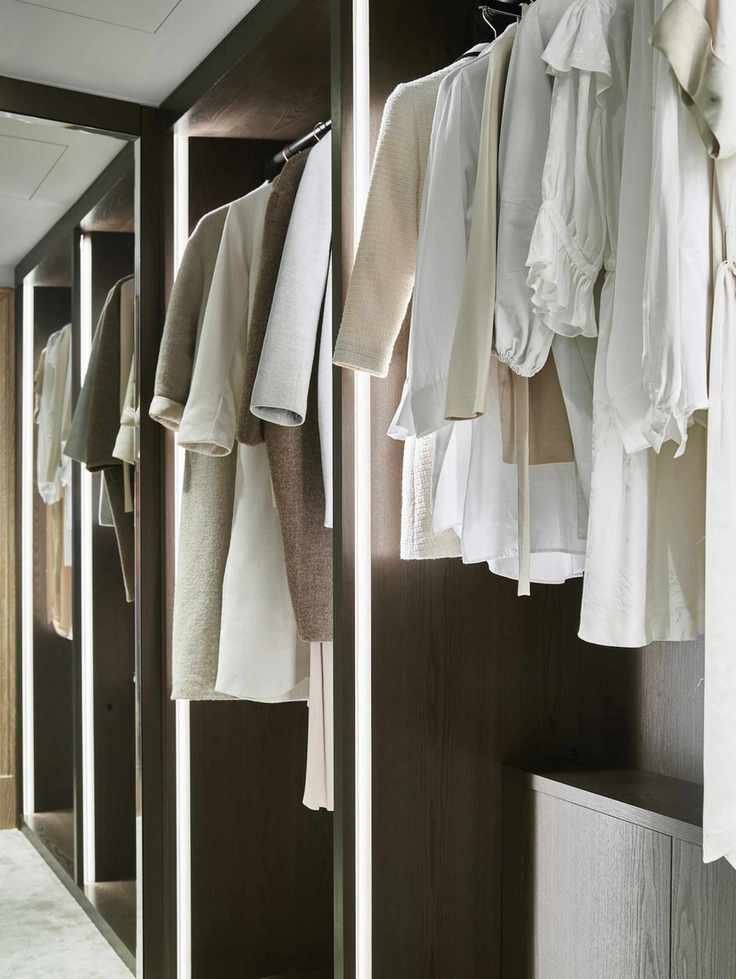
A common mistake in small space organizing like cramped closets is skipping color coding, says JP Taxman. "I really like to have clients color code sections with colored hangers, so you can see what's business attire, what's casual, and what's going out. Color coding clothes also makes a small closet feel less cramped. You can color code by color, though that makes it harder to find specific items, or by category (T-shirts, dresses, etc.) and then color code within each category. That's how I typically do it for clients."
6. Buying organizers you don't need
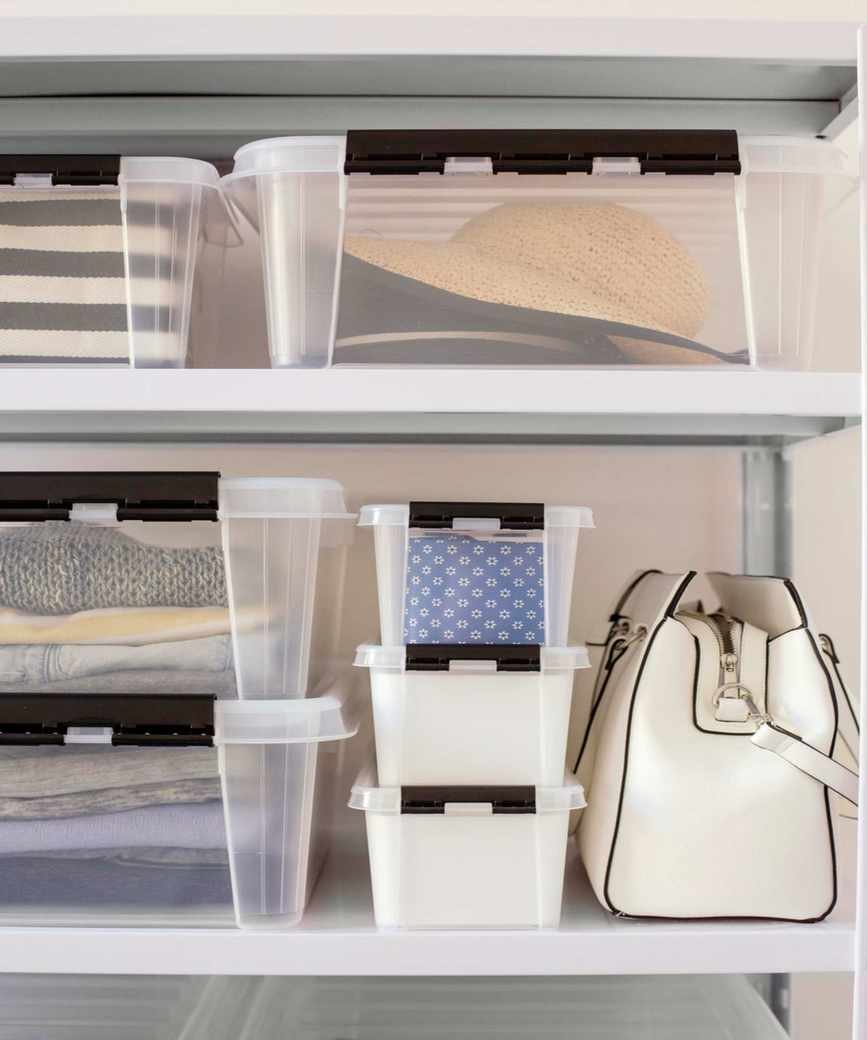
The home organizing craze can convince us we need every type of organizer, but picking the wrong ones wastes precious space, explains Suzanne Roynon of Interiors Therapy. "I've seen clients buy expensive storage solutions like trunks that ended up empty after organizing. Good storage is valuable, but make sure you genuinely need it before investing."
We've rounded up some of the best closet organizers to help you tailor your space without overspending.

Suzanne is a specialist interiors therapy expert and author of Welcome Home, How Stuff Makes or Breaks Your Relationship – available on Amazon. She has spent more than 25 years in corporate and charity roles, using her skills as a therapist and public speaker to help people understand their relationship with their homes and possessions.
7. Organizing by season
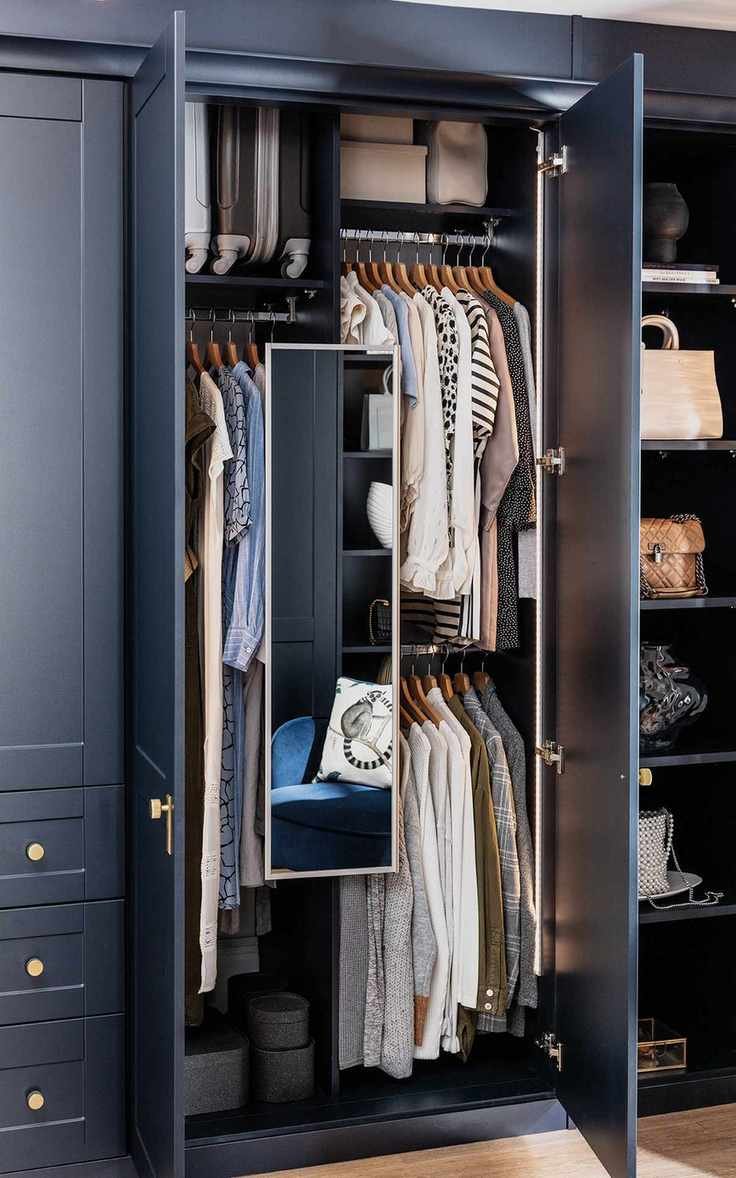
Sorting clothes by season makes sense when some items are in the closet and others in under-bed storage, but splitting your closet by season can hurt practicality, warns Megan Watkins of SilkFred. "It may be tempting to separate into summer and winter sections, but many pieces are transitional. A classic white shirt—a beach cover-up in summer—can layer under knitwear for a sleek office look. Your favorite summer maxi-dress can also work with boots and a long wool coat."
8. Not establishing a tidying routine

It might not seem like a space that needs a routine, but forming good habits around putting things back correctly helps keep your closet organized longer.
"Of course, life happens, and things get messy," says Marie-Helene Riverain, founder of Love and Order LA. "The last step to keep the tidy bliss going is a routine: put things back where they belong after each use, and keep up with regular cleaning."

Marie became a home organizer to keep up with the chaos of her two children. She has always found that helping people bring order to their lives through tidying is very rewarding.
FAQs
How can I make my small closet look nice?
One of the best ways to make a small closet look neat is to declutter items you no longer wear or that should be folded, then hang the remaining garments on slimline hangers to create space. From there, organizing by garment type creates uniformity and makes it easy to find what you need.
Is it better to roll or fold clothes for storage?
For t-shirts, pants, pajamas, and loungewear, rolling is often better than folding to save space and prevent harsh creases. For bulkier items like sweaters, folding is advised to maintain space.