If you find it difficult to close your closet doors or your drawers overflow with clothing, the question 'how do I declutter my clothes quickly?' likely comes to mind. It might be time to adopt a more decisive strategy.
Decluttering is essential for an organized wardrobe. Fewer clothes mean easier access to the pieces that truly make you feel good. If that doesn't motivate you to declutter, we're not sure what will!
Wondering how to tackle this task quickly? Don't worry—being direct about your decluttering isn't as daunting as it seems. Here are some rapid-fire strategies from experts that will have you finished in no time.
How do I declutter my clothes quickly?

The first step in successfully decluttering is recognizing that it needs to be done. 'If you can go more than a week or two without doing laundry, you probably have too much,' says professional organizer Brenda Scott.
We understand that feeling! However, remember that having fewer items means less to manage, wash, and put away. If that sounds attractive, keep reading for expert advice on decluttering swiftly.
1. Declutter clothes as they are

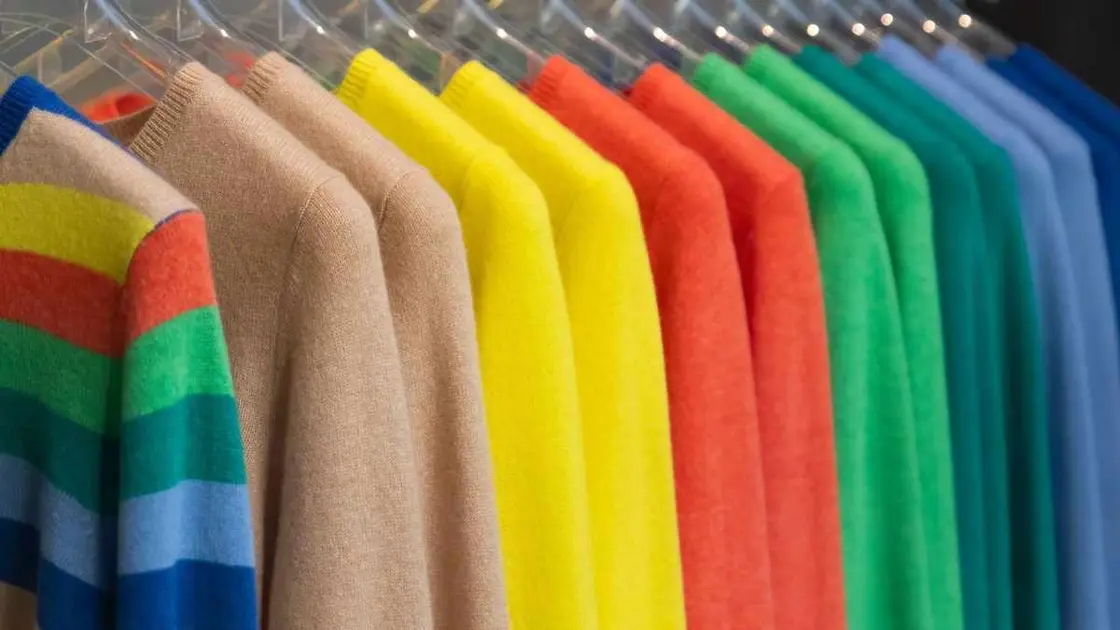
When looking for clothes storage solutions, consider sorting through your items right where they are. Instead of removing everything, group similar items together in your closet or drawers and decide which ones to keep.
'Start by organizing items by type and color. Evaluate each group and select your favorites—remember, they can't all be favorites! Remove anything stained, ill-fitting, or uncomfortable, as well as pieces that can't create an outfit,' advises professional organizer Susan Santoro.
2. Set a decluttering time limit
Procrastination is easy without a deadline. To declutter your clothes swiftly, set a timer.
'No matter if it's 15 minutes or an hour, having a time constraint can encourage quicker decision-making,' says organizing expert Ashley Jones Hatcher.
3. Make fast choices
To expedite the decluttering process, consider using the three-second rule. Trust your first impression of each item.
'Go with your gut feeling about a piece of clothing,' says Grace Baena, Curator of Kaiyo.
4. Try items on immediately

If you're hesitating, try on the clothing piece right away. How does it feel? Is it comfortable? If you find yourself wanting to take it off, you might not value it as much as you thought.
This method may not apply to every item, like formal wear, but it's effective for everyday clothing and helps identify what you wear most often.
5. Establish and adhere to criteria
Decide how many items you'll keep beforehand to narrow your options. If you're organizing a compact space, you can't afford to hold onto 'maybe' pieces, which streamlines your decisions.
'If something doesn't fit, get rid of it. If it needs repairs, remove it. If you haven't worn it in a year, let it go—unless it's special occasion attire,' suggests professional organizer Diane Quintana.
6. Embrace the idea of letting go
If you're holding onto clothes for sentimental reasons, mentally preparing for this can make the process smoother.
For instance, if you plan to donate, visualize the joy others will have from your items. Professional organizer Jessica Litman encourages this mindset for easier decision-making.
7. Dismiss the 'just in case' rationale

Thoughts like 'These jeans might fit again' or 'This dress may be useful someday' lead to clutter. Recognize these excuses and let them go.
'If you have no emotional ties to an item, it's time to ask why you're keeping it. There's no shame in accepting that you won't fit into those jeans again. If you do, buy new ones!' advises decluttering expert Carolyn Creel.
8. Keep only what sparks joy
Marie Kondo's philosophy is to only retain items that inspire joy. This is especially relevant for clothing.
'Holding onto items because they were expensive or bought on sale is not a valid reason. You deserve to feel amazing in every piece you own,' says Sarah Giller Nelson, founder of Less is More Organizing Services.
9. Seek assistance
Enlist a friend or a professional organizer to help you. An outsider's perspective can remove emotional attachments, allowing for faster decisions.
'Having someone else's viewpoint can help you be more objective about what you truly need,' say celebrity organizers Brandie Larsen and Ryan Eisland.
10. Create a 'maybe' box
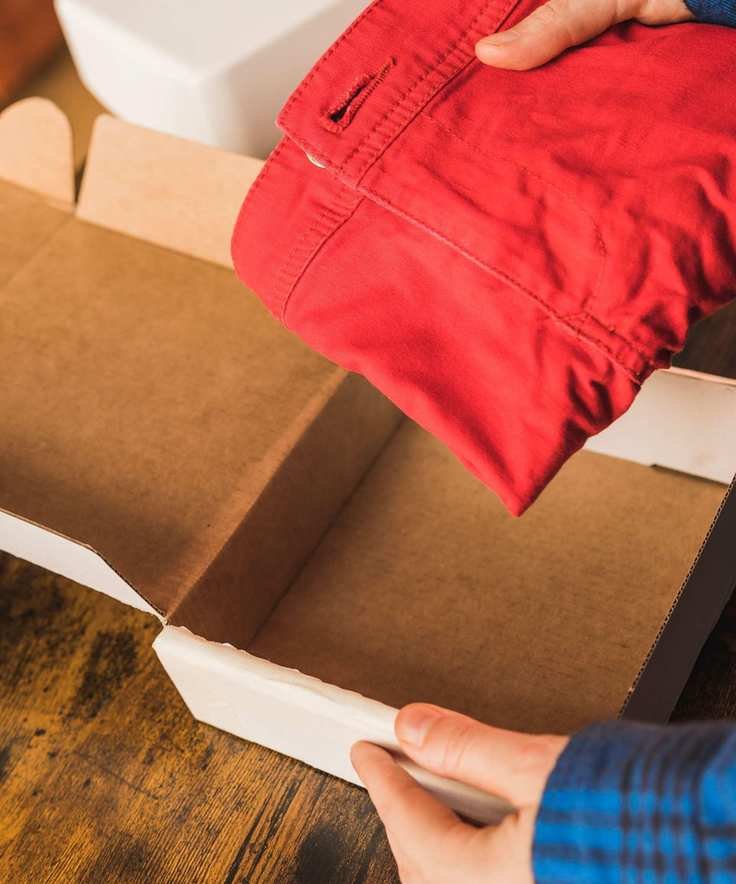
If you fear being too decisive, designate a 'maybe' box for items you're uncertain about. Limit yourself to one box and keep it out of your main storage area.
After a month, if you haven't missed any of the items, it's time to let them go.
How can you be decisive when decluttering clothes?
Being decisive about clothing requires quick choices. This can be emotional, so ensure you're in the right mindset before starting your declutter.
'Imagining the happiness someone else will derive from your discarded items can aid in letting go of attachments,' suggests Carolyn Creel.
Set rules beforehand: Does it fit? Is it damaged? Have you worn it in the last year? Whatever criteria you establish, stick to them without exceptions. Trusting your instincts usually leads to the best decisions.
How do you manage an overwhelming amount of clothing?
To effectively sort through your wardrobe, gather all your clothes in one place. This makes it easier to determine what to keep and what to discard.
Divide items into 'keep' and 'donate/throw' piles. Be honest: Does it fit? Is it in good shape? Have you worn it recently? If the answer is no, add it to the donation pile.
While some experts advise against a 'maybe' pile, it can be beneficial if you have a lot to sort through. Limit yourself to just one 'maybe' box and store it outside your closet. Set a time limit—ideally one month. If you don't miss any items, it's time for them to go.