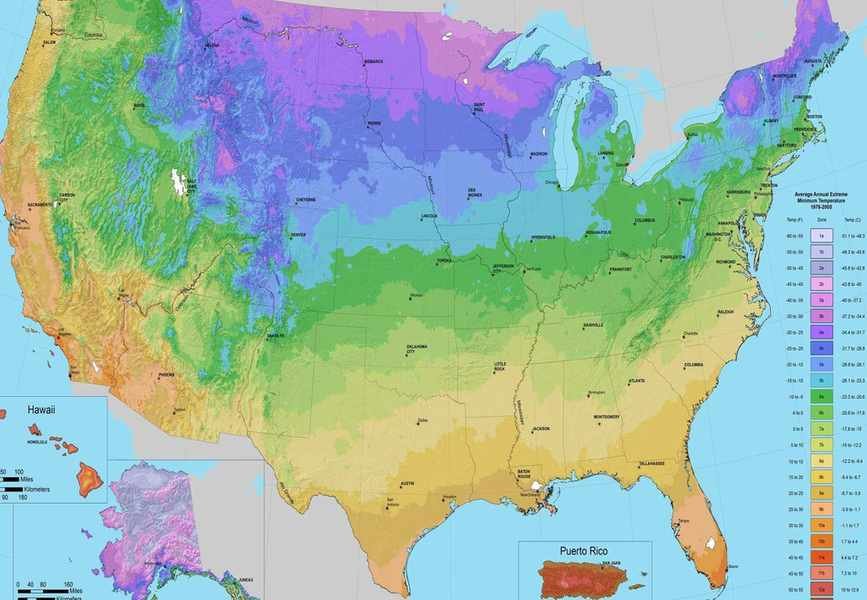
When selecting plants for your garden, the key question is: will they flourish in your climate? Specifically, can they withstand winter?
Since the 1960s, the United States Department of Agriculture (USDA) along with nurseries and horticultural experts have provided guidance on which plants will thrive in various climates. This information assists gardeners, commercial growers, and landscape designers in making informed choices.
Understanding US hardiness zones is essential for planning your garden. It helps identify suitable plants for your flower beds and ensures a bountiful harvest for your vegetable garden.
Importance of US Hardiness Zones
US climates vary widely, even within states. Knowing which plants thrive in your area is vital for successful gardening and can prevent costly mistakes.
Defining US Hardiness Zones
The USDA's Hardiness Zone Map classifies the US into zones based on the lowest average winter temperatures. This interactive map allows users to discover their local hardiness zone by entering their zip code, or they can print a regional map for easy reference.
Since then, the USDA has segmented the country into thirteen zones, each representing a 10°F range of minimum winter temperatures. These zones are further divided into two sub-zones (a and b) for enhanced precision. Other factors like elevation, proximity to large bodies of water, and terrain also influence zone classifications.
For instance, Los Angeles, CA falls under USDA Zone 10b (with winter lows of 35°F), whereas Concord, NH, is classified as Zone 5b (with lows down to -15°F). The zone shorthand is Z10 or Z5 for Zone 5. The last update to this map occurred in 2023.
Accessing the USDA hardiness zone map online is simple—just enter your zip code to find your zone. Whenever you see references to plant hardiness zones, they are based on this USDA map.
Determining Your Zone
This system isn't state-based; it's crucial to zoom in for local details.
For example, Vermont is typically displayed as one zone, yet upon closer inspection, it reveals various zones from 3b to 5b.
Within a single state, zones can dramatically differ. In Arizona, the Sonora Desert might experience winter temperatures of 20-40°F (Zones 9b to 10b), while parts of central Arizona can drop to Zone 4b, with lows reaching -25 to -20°F.
Don't assume your zone based on state alone. Instead, click the map for specific information about your area. You might find you can cultivate plants you previously thought impossible.
Microclimates can also impact your gardening success. Elements like water, wind, and nearby structures can create unique conditions. For instance, urban areas may have higher hardiness zones than surrounding rural regions.
Understanding Hardiness Ratings
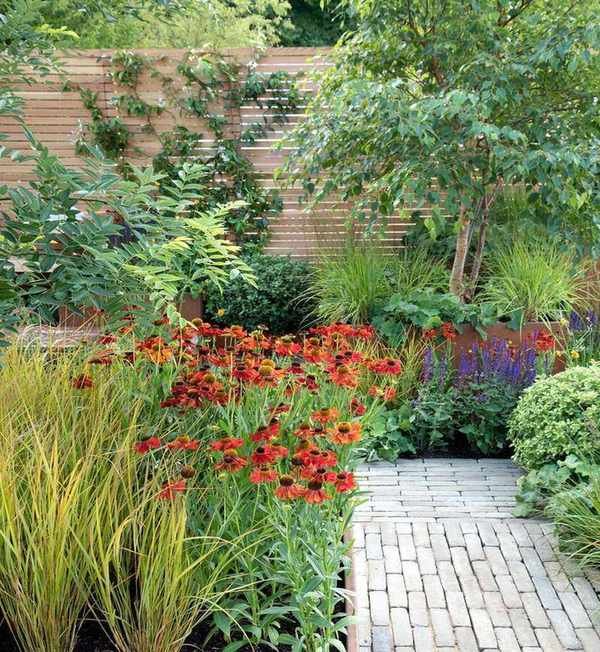
Alongside the USDA map, the American Horticultural Society and regional experts rate plants based on the coldest winter temperatures they can tolerate—this is known as their hardiness rating.
This rating appears on plant tags, online descriptions, and seed packets. While plants typically won't survive in colder zones than their rating, many can thrive in warmer zones. For example, most daylilies rated for zone 3 or zone 4 can also flourish in up to Z9.
Selecting Plants for Your Hardiness Zone

Once you identify your hardiness zone, you can compare it with plant ratings to ensure compatibility.
Nurseries typically provide hardiness ratings on plant tags. If it's missing, ask staff or look it up on your phone. Nursery websites will also include this information. Remember that different varieties of the same plant can have varying ratings, so check thoroughly.
Keep in mind that the USDA map doesn't account for summer heat, drought, humidity, or snow, all of which can impact plant health.
Plant placement in your garden matters too. Plants near sunny walls or in well-drained soil may survive in a zone colder than their rating. Conversely, container plants should be treated as if they're in a colder zone.
Alternative climate rating systems exist, like the Heat Zone system from the American Horticultural Society, which focuses on summer temperatures, and the Sunset system, more detailed for the western US. However, these are not universally adopted.
For detailed information on specific US hardiness zones, check out our comprehensive guides:
Zone 3
Zone 5
Zone 6
Zone 7
Zones 10 - 13
Common Questions
Do US Hardiness Zones Affect Pruning and Harvest Times?
When planning vegetable planting, timing is influenced by hardiness zones and the germination-to-harvest timeline.
Pruning, however, varies by plant species. Generally, pruning is done post-bloom, but this depends on specific plant needs. For instance, azaleas should be pruned in late spring before next year's buds form. Late fall pruning can disrupt blooming.
USDA hardiness zones are a crucial tool for determining which plants can survive winter in your garden. Remember, other factors beyond winter temperatures can also influence plant success. Advice from local nurseries, extension services, and neighboring gardeners can offer invaluable insights that no map can replace.