
Some plants lie dormant during the harshest winters, only to spring back to life as soon as the warmer weather arrives. Conversely, others may suffer from a light frost or a chilly breeze, leaving gardeners wondering where different plants stand on this resilience spectrum.
The USDA categorizes the United States into 13 hardiness zones, based on the coldest average winter temperatures. These zones are depicted on the USDA Hardiness Zone map, starting from zone 1 (the coldest) to zone 13 (the warmest). So how can we select the right plants that will thrive in the specific environment of USDA hardiness zone 9? Most of us could use a bit of guidance regarding which trees, shrubs, perennials, and other plants naturally flourish in our unique winter conditions.
Fortunately, nearly every plant we cultivate has been evaluated for hardiness by the American Horticultural Society and other horticulturalists. You can find a plant's hardiness rating on tags, websites, and catalogs. By matching a plant's rating with the corresponding zone number, it's simple to identify which varieties will endure the winter chill in your area.
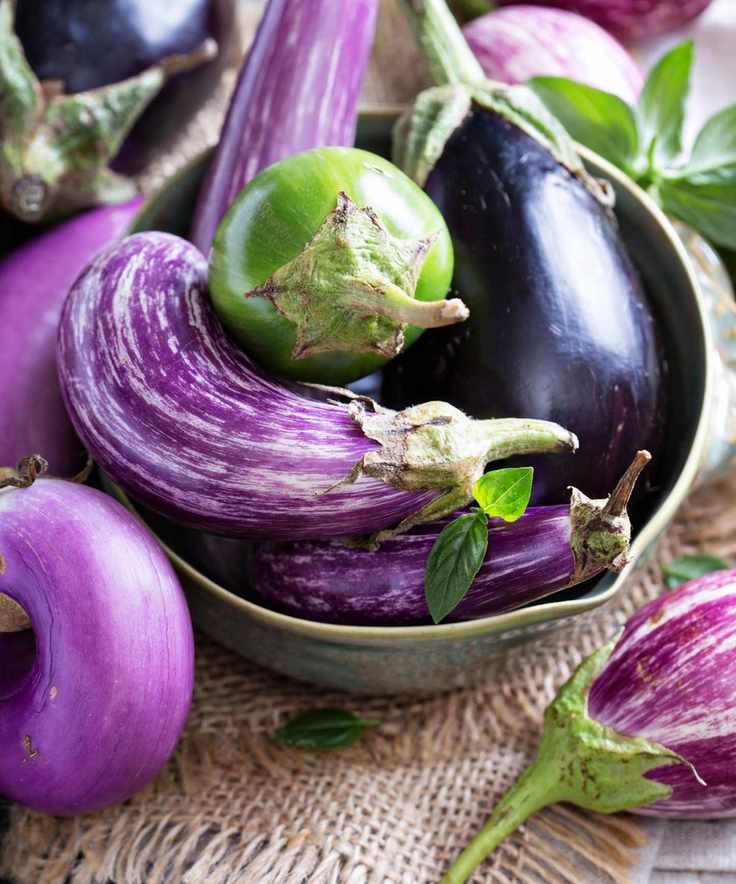
Eggplants yield healthy harvests in USDA hardiness zone 9
Understanding USDA Hardiness Zone 9
In zone 9, gardens only experience light frosts, if at all, every year. The soil rarely freezes deeply or for extended periods, allowing a wider array of plants to grow compared to zone 8 and colder zones. However, a rare late frost can cause significant damage, so be cautious.
It's also essential to remember that gardens aren't uniform. Some may be located near the coast or sloped toward the ocean, while others could be nestled in valleys or surrounded by mountains, lakes, or tall buildings. These variations all affect how cold the winters are in your particular location.
Gardening Tips for Zone 9
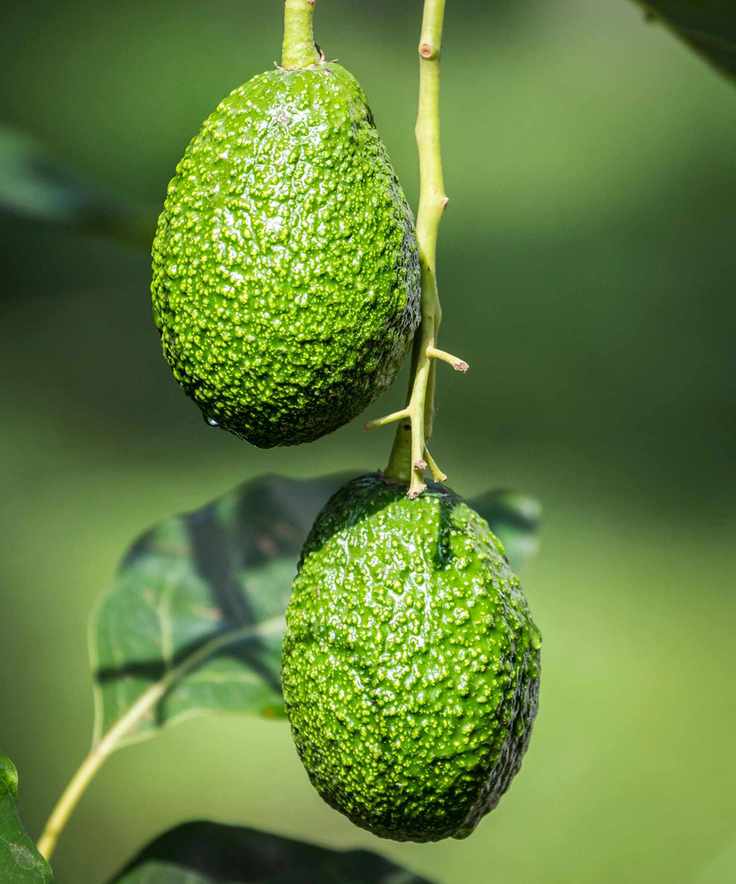
Avocados can be grown successfully in USDA hardiness zone 9
The range of gardening options is significantly broader in zone 9. While deciduous trees and shrubs are less common, many plants considered annuals in cooler zones can withstand the winter here. Subtropical vegetables and fruits, from eggplants to avocados, can be confidently planted outdoors, and numerous palm tree species can thrive in this zone.
In zone 9, the lowest average winter temperatures typically range from 20°F to 30°F.
- Select plants rated for zone 9, but don't hesitate to explore options rated for zone 10. Conversely, plants that thrive in zone 3 or zone 4 may find zone 9 too warm.
- Protective structures like hoop houses or low tunnels are unnecessary for shielding crops from early and late frosts. Many plants can be started directly in pots outside or in the ground instead of needing a sunroom.
- Mulching is beneficial, not just for frost protection as in cooler zones, but primarily to keep roots cool. Avoid piling mulch against the trunks of trees.
- In the dry season, watering may be essential, particularly in areas adjacent to mature shrubs and trees. Drip irrigation is the best choice, as sprinklers waste a lot of water.
- This zone is perfect for cultivating subtropical and tropical fruits, including avocados, various citrus fruits, olives, passion fruit, and star fruit.
- Be mindful that trees and shrubs in zone 9 may grow taller and develop more rapidly due to the mild temperatures compared to cooler regions. Vines, in particular, may grow more vigorously than anticipated and will require more frequent trimming.
Key Features of Zone 9

Passionflower vines flourish in zone 9
The average coldest winter temperatures in zone 9 fall between 20°F and 30°F.
For reference, zone 5a has a minimum average temperature of 20°F to 25°F, while zone 4b ranges from 25°F to 30°F.
Only a small portion of the southern United States is classified as zone 9, spanning from central Florida along the Louisiana and Texas coasts, through New Mexico, Arizona, and much of California.
The first frost typically occurs between November 25 and December 13, while the last frost date usually falls around February 6 to December 13.
Recommended Plants for Zone 9
Deciduous Trees
Bitternut Hickory Tree (Carya cordiformis): This narrow tree features glossy, pale green leaves that turn yellow in fall, producing large nuts often overlooked by squirrels.
Sourwood Tree (Oxydendrum arboreum): Adorned with tiny, fragrant white flowers in airy sprays, this tree also boasts vibrant fall colors. It's best to plant it while small.
Also consider: Purple Orchid Tree (Bauhinia variegata).
Evergreen Trees
Ponytail Palm (Beaucarnea recurvata): This palm has a swollen trunk base that tapers to a cascade of slender fronds—perfect for smaller spaces.
Italian Cypress (Cupressus sempervirens): A striking, upright evergreen with bluish foliage, it makes a bold statement but dislikes wet conditions.
Also consider: Chinese Flame Tree (Koelreuteria bipinnata).
Deciduous Shrubs
Tree Peony (Paeonia suffruticosa): Known for its large, vibrant flowers in various colors, this shrub can withstand frost better than most.
Flowering Quince (Chaenomeles): This hardy shrub features early blooms in shades of red, pink, and white. Look for thorn-free varieties.
Also consider: Knockout Roses (Rosa Knockout Series).
Evergreen Shrubs
Gardenia (Gardenia): Renowned for its fragrant white blooms, this plant is compact and drought-tolerant but dislikes overly wet soil. It's great for container gardening.
Oleander (Nerium oleander): A broad-leaved evergreen that produces clusters of flowers in various colors, thriving in containers.
Also consider: Sago Palm (Cycas revoluta).
Vines
Passion Flower (Passiflora): These vigorous vines cling with tendrils, showcasing extraordinary blooms in multiple colors, often producing edible orange fruits.
Texan Clematis (Clematis texensis and its hybrids): These vines feature bell-shaped flowers in beautiful shades of red and pink with flared tips.
Also consider: Coral Honeysuckle (Lonicera sempervirens).
Perennials
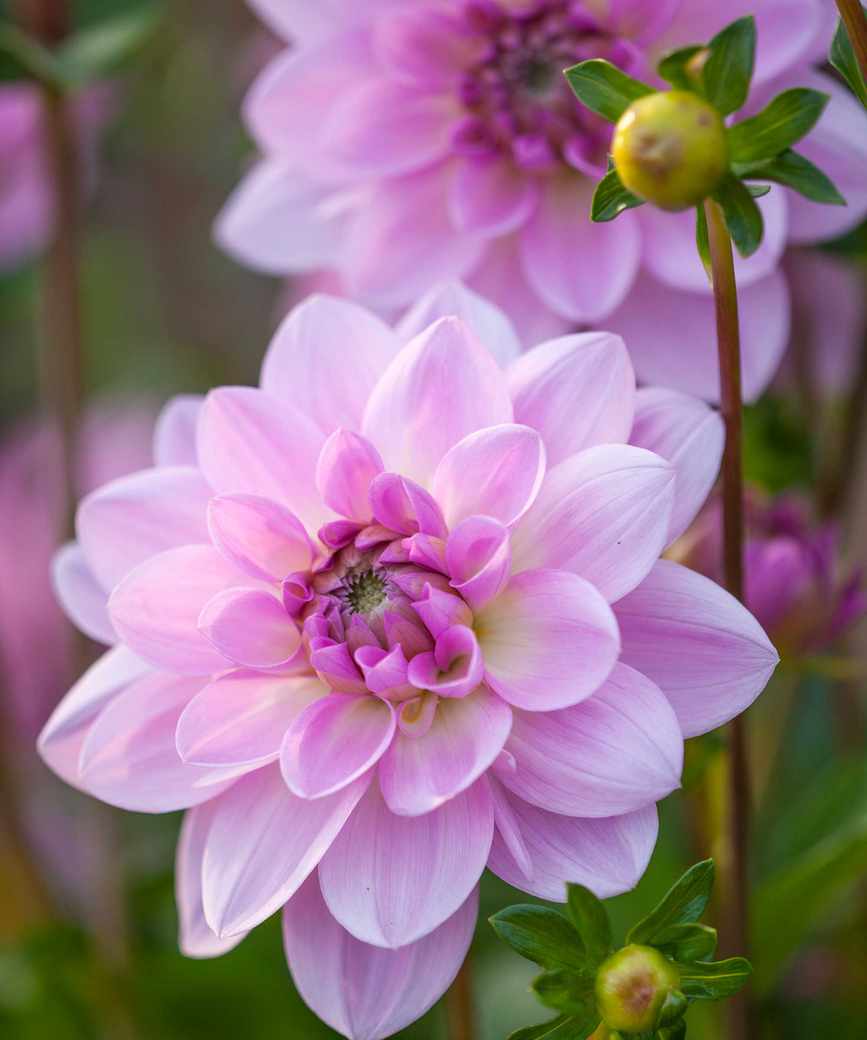
Dahlia (Dahlia): These flamboyant plants offer a stunning array of single or double flowers in a wide variety of colors.
Gingerlily (Hedychium): This plant showcases upright stems with bold, exotic foliage, topped with spikes of small, orchid-like flowers in orange and yellow.
Also consider: Gerbera Daisy (Gerbera).
Natives
Swamp Lily (Crinum americanum): This moisture-loving bulb produces fragrant white flowers with slender petals.
Scarlet Sage (Salvia splendens): This plant features vibrant scarlet blooms set against dark green foliage, now available in various colors.
Also consider: Spider Lily (Hymenocallis).
Annuals
Morning Glory (Ipomoea): A twining vine that boasts flared flowers in shades of blue, purple, and more, blooming throughout the day.
Petunia (Petunia): Easy-to-grow plants that provide long-lasting blooms, perfect for borders, ground cover, and containers.
Also consider: Nasturtium (Tropaeolum majus).
Vegetables
Okra: These dark green (or sometimes red) pods grow following attractive cream-colored flowers, both of which are edible.
Eggplant: Thriving outdoors in zone 9, all varieties from large purple fruits to unique white egg-shaped ones can be cultivated.
Also consider: Chili Peppers.
Fruits
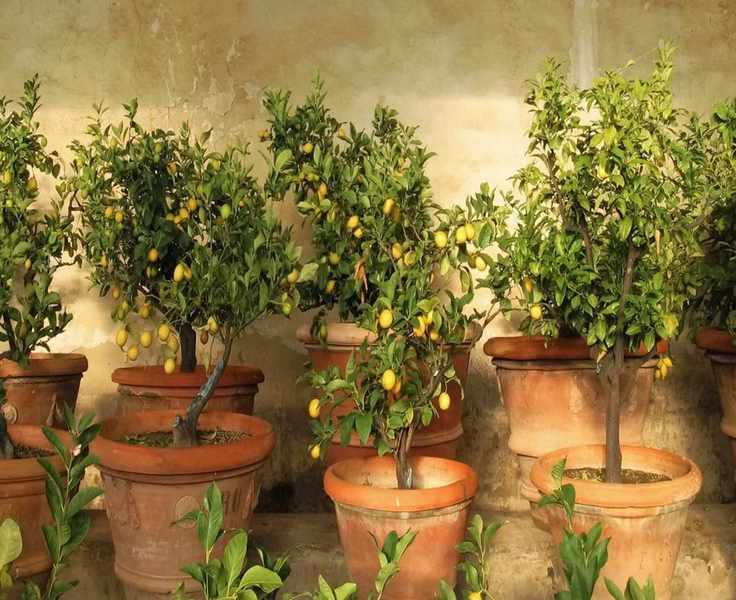
Citrus: All citrus trees flourish in zone 9, whether planted in the ground or in containers. Lemons are especially reliable and don't require pruning.
Olive: An attractive small tree with grey leaves, best grown in well-drained soils, and produces best when at least two trees are planted nearby.
Also consider: Avocado.
If you love cultivating subtropical and tropical fruits like avocados, citrus varieties, olives, passion fruit, and star fruit, you'll find that they thrive in the warmth of zone 9. Explore more tropical garden ideas to inspire your gardening adventures.



