
Hardiness zones categorize regions based on their lowest winter temperatures, represented in the USDA Hardiness Zone map. These zones range from 1 (coldest) to 13 (warmest).
Understanding these zones is vital. Alongside plant hardiness ratings found on tags, they help you determine which plants can flourish in your location.
However, factors like nearby mountains, water bodies, and urban development also affect whether a plant can thrive in your yard.
In zones 1 and 2, extreme winter temperatures restrict the types of plants that can survive, especially in zone 1, where options are very limited.
Gardening in Zones 1 and 2
Zones 1 and 2 encompass the coldest regions, with zone 1 experiencing average winter temperatures falling below -50°F, while zone 2 ranges from -50°F to -40°F.
Consider these expert gardening tips:
- Foundation plantings near your home will be warmer than exposed areas.
- Avoid being overly ambitious in spring; prepare as soon as the soil is workable.
- To expedite thawing for vegetables, cover with black plastic, and use row tunnels or cloches to warm the soil.
- Thaw timing varies yearly, so stay vigilant and monitor local conditions.
- Starting with young plants rather than seeds can save weeks, leading to bigger harvests.
- Growing starts indoors provides extra weeks of growth, or consider ordering them from a nursery.
- Frost cloth can help you start planting earlier in spring and extend the growing season in fall.
Zone 1: Key Characteristics
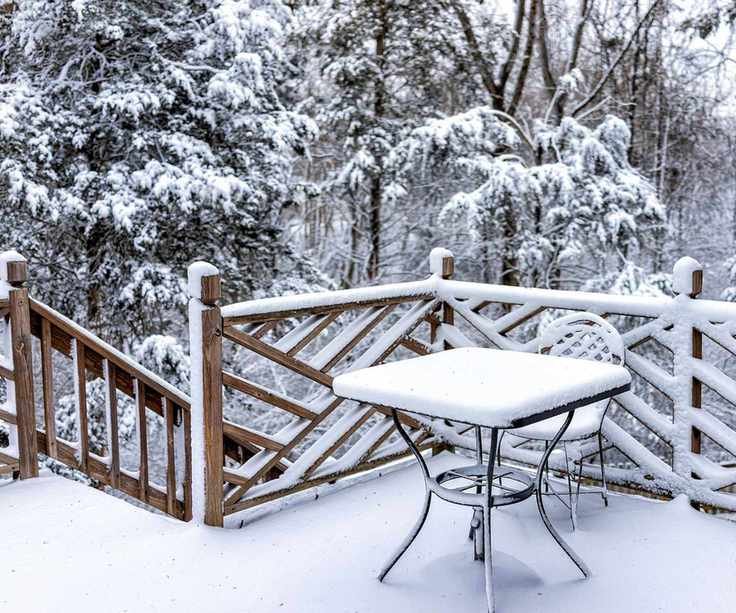
In zone 1, winter temperatures generally drop below -50°F.
Zone 1a ranges from -60°F to -55°F, while zone 1b sits between -55°F and -50°F, though these are seldom used.
This zone encompasses the coldest areas in Alaska.
Ground remains frozen for several months, limiting outdoor gardening activities to about four months each year.
Frost typically arrives between August 25-31, while the last frost of spring occurs between May 22 and June 4.
Although harsh winter conditions limit plant diversity, utilizing protective measures, mulches, and understanding your local landscape can help expand your gardening options.
Recommended Plants for Zone 1
Plant options in zone 1 are scant. Focus on varieties rated for this zone and those rated for zone 2. Here are some recommended plants:
Deciduous Tree
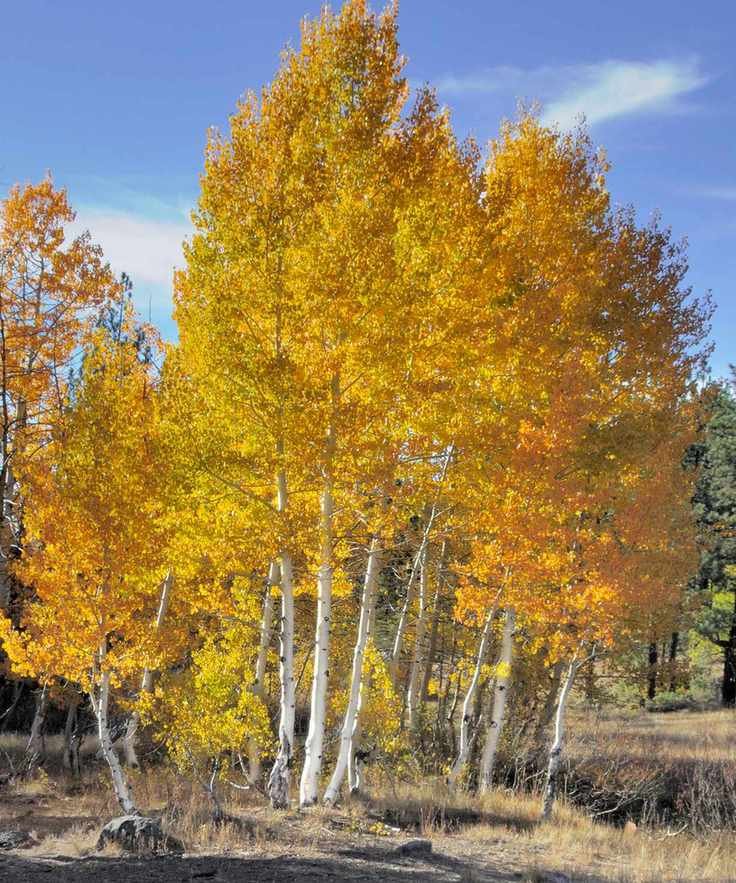
Balsam Poplar (Populus tremuloides) Known as quaking aspen, recognized for its dark foliage that sways in the breeze and vibrant fall colors.
Also consider: Mountain Ash (Sorbus aucuparia)
Evergreen Tree
Blue Spruce (Picea pungens 'Glauca') This tree grows slowly but steadily, developing into a conical shape with beautiful silvery-blue needles. Available at various nurseries.
Also consider: Siberian Dwarf Pine (Pinus pumila).
Deciduous Shrub
Red Osier Dogwood (Cornus sericea) This shrub features white flowers in spring, white berries in summer, and striking red or yellow twigs in winter. Some varieties have variegated leaves.
Also consider: Tatarian Dogwood (Cornus alba).
Evergreen Shrub
Mugo Pine (Pinus mugo) This adaptable shrub comes in dwarf and taller varieties.
Also consider: Labrador Tea (Rhododendron groenlandicum).
Perennials
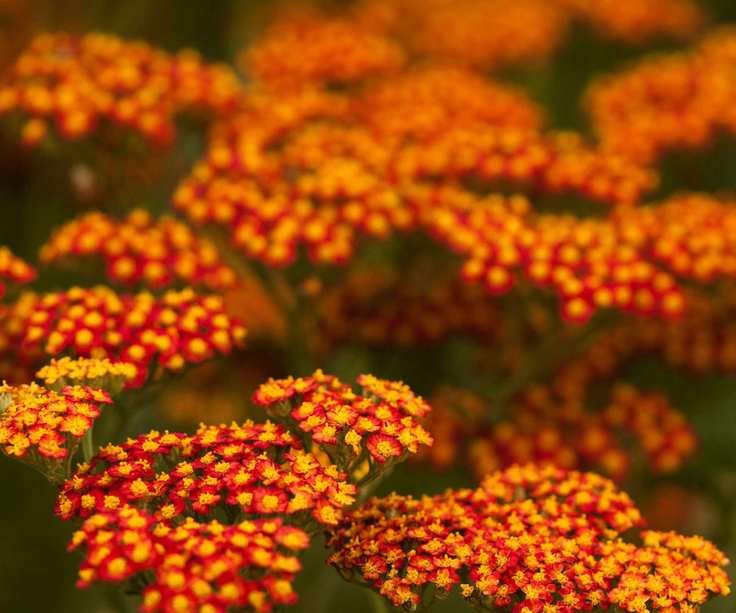
Yarrow (Achillea) With feathery leaves and flat clusters of tiny flowers in various pastel colors.
Also consider: Lily-of-the-Valley (Convallaria).
Natives
Goldenrod (Solidago) This plant produces familiar yellow flower spikes that attract beneficial insects and do not cause allergies.
Also consider: Fleabane (Erigeron species).
Annuals
Poppy (Papaver rhoeas) These vibrant flowers bloom in various colors. Check out the selection of poppy seeds at Burpee.
Also consider: Sunflower (Helianthus annuus)
Vegetables
Cut-and-come-again salad greens can be harvested just weeks after planting, and they regrow for multiple harvests, thriving indoors as well.
Also consider: Loose-leaf lettuce.
Fruits
Apples (Malus domestica) Seek advice on suitable local varieties for both fresh eating and cooking.
Also consider: Chokeberries (Prunus virginiana)
Zone 2: Key Characteristics
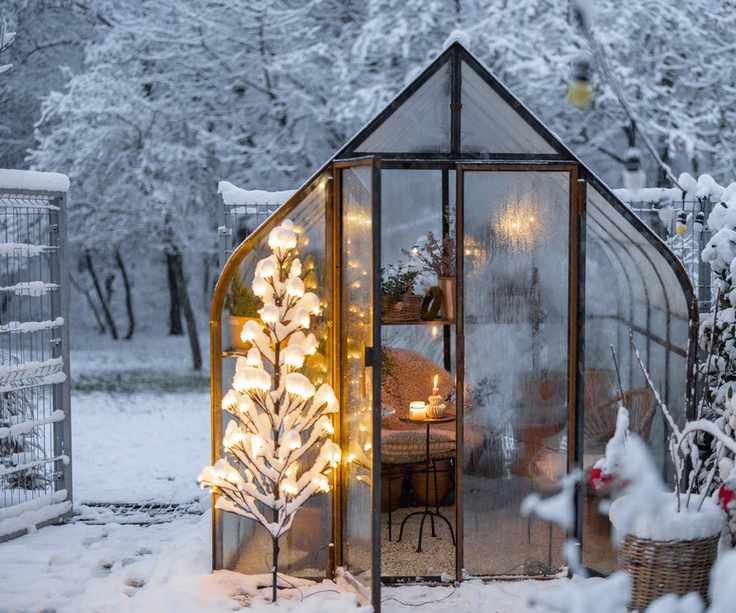
Zone 2 experiences winter temperatures from -50°F to -40°F. Zone 2a is between -50°F and -45°F, while zone 2b varies from -45°F to -40°F, although these zones are rarely designated.
This zone, found only in Alaska, has limited plant options due to harsh winters. However, using mulches and starting seeds indoors can help extend the growing period.
The first frost typically occurs between September 1-8, and the last frost in spring falls around May 15-24.
Recommended Plants for Zone 2
Plants suitable for zone 1 are also appropriate for zone 2.
Deciduous Trees
Mountain Ash (Sorbus americana) This tree produces white flowers in spring, with orange-red berries and yellow leaves in fall.
Also consider: Paper Birch (Betula papyrifera)
Evergreen Trees
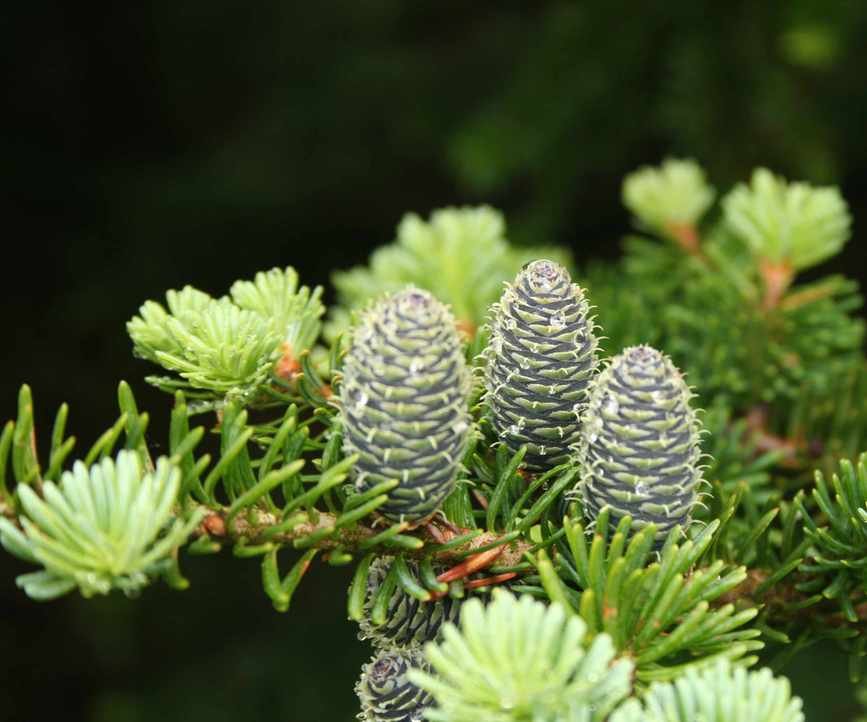
Balsam Fir (Abies balsamea) Known for its balsam scent, dark green foliage, and purple cones.
Also consider: White Pine (Pinus strobus)
Deciduous Shrubs
Rugosa Rose (Rosa rugosa) Features large, often fragrant flowers followed by red hips. Explore this rugosa rose from Nature Hills.
Also consider: Ninebark (Physocarpus opulifolius)
Evergreen Shrubs
Mountain Laurel (Kalmia latifolia) Showcases stunning clusters of flowers in early summer.
Also consider: Various Juniperus species.
Perennials
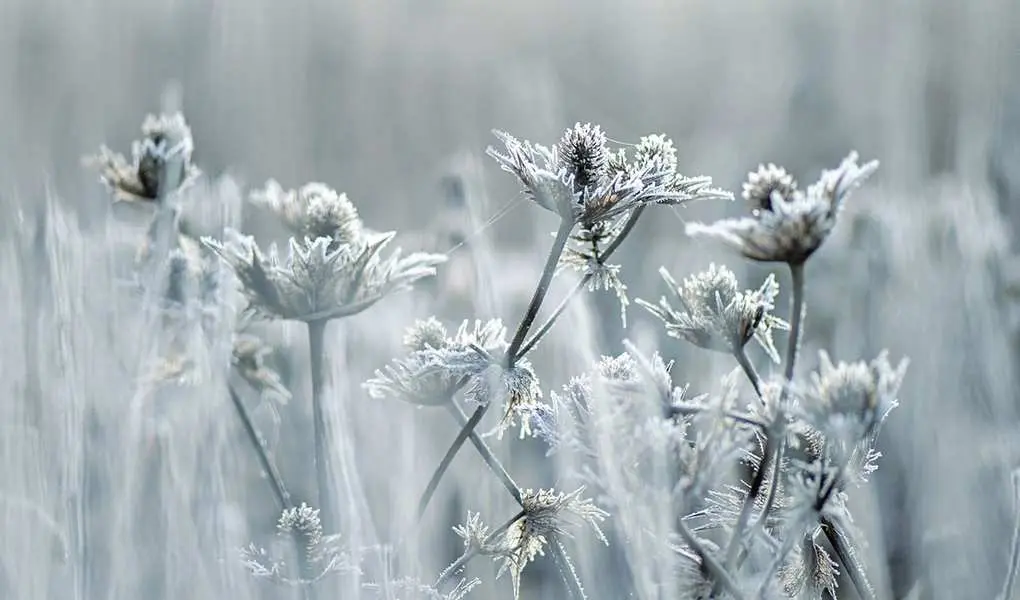
Eryngo (Eryngium alpinum) Features steel-blue, thistle-like flowers with spiny leaves.
Also consider: Creeping Phlox (Phlox subulata)
Natives
Arrowwood Viburnum (Viburnum dentatum) This shrub has clusters of white flowers in spring and colorful berries afterward.
Also consider: Rhodora (Rhododendron canadense)
Annuals
Sweet Pea (Lathyrus odoratus) This vine produces sweet-smelling flowers in various colors. Surprisingly frost tolerant.
Also consider: Morning Glory (Ipomoea) - a vigorous vine with large blooms needing frost protection.
Vegetables
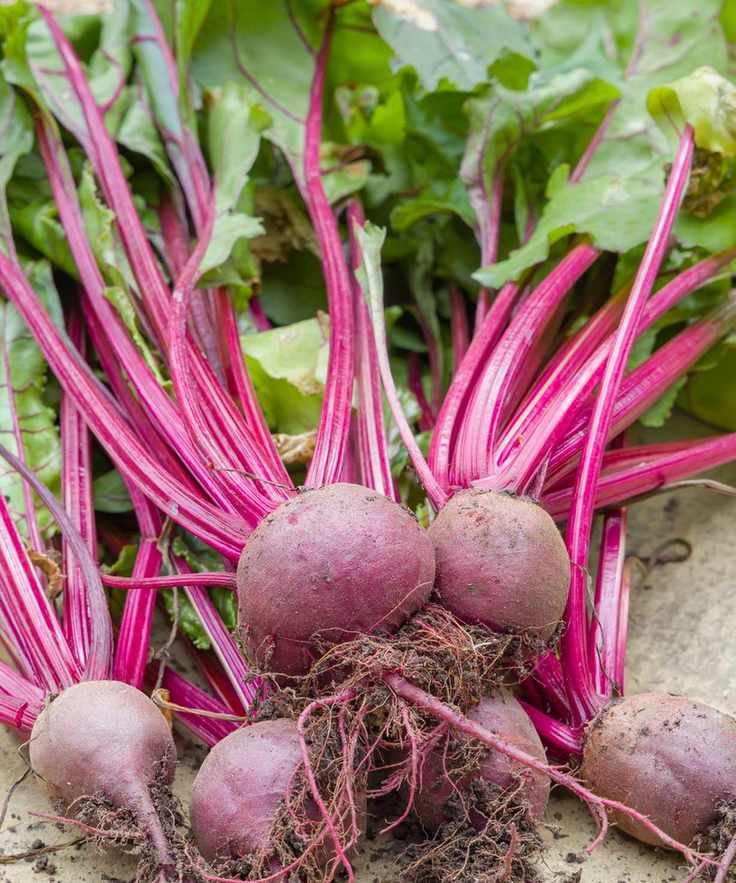
Beetroot: Can be harvested at golf ball size or left to grow larger. Explore beet seed varieties at Burpee.
Chard: Young leaves are great in salads, while larger leaves can be steamed.
Fruits
Blackberries: Seek locally favored varieties that thrive in zone 2.
Plums: Consult local suppliers for the best varieties suited to your area.
Why Are US Hardiness Zones Important?
US climates vary significantly, even within states, making it crucial to know which plants can thrive in your area. This knowledge ensures gardening success and helps avoid costly mistakes.
While it may seem daunting to cultivate a successful garden in zones 1 or 2, it's achievable with the right plant choices and gardening strategies.



