
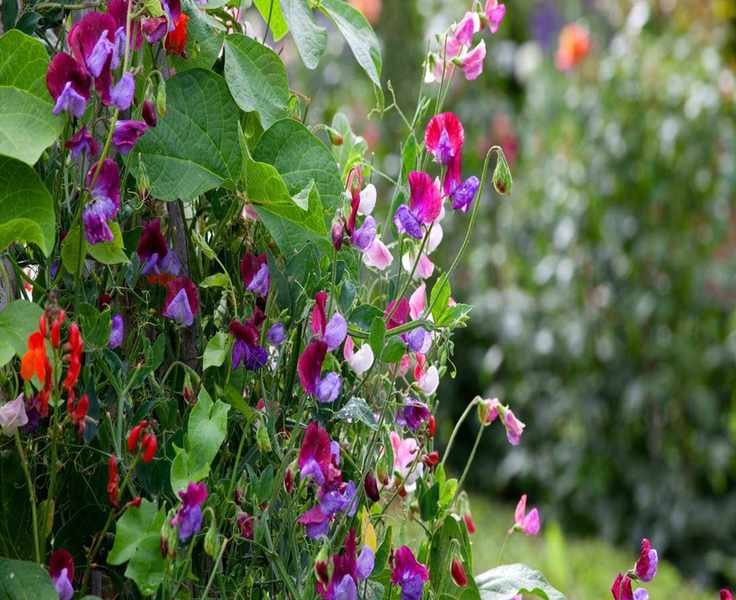
Learning to grow sweet peas lets you appreciate their charming, aromatic flowers both in your garden and as cut blooms indoors.
These classic favorites are essential in cottage gardens, where their colorful, frilled blossoms climb obelisks, trellises, and brighten borders with their captivating scent.
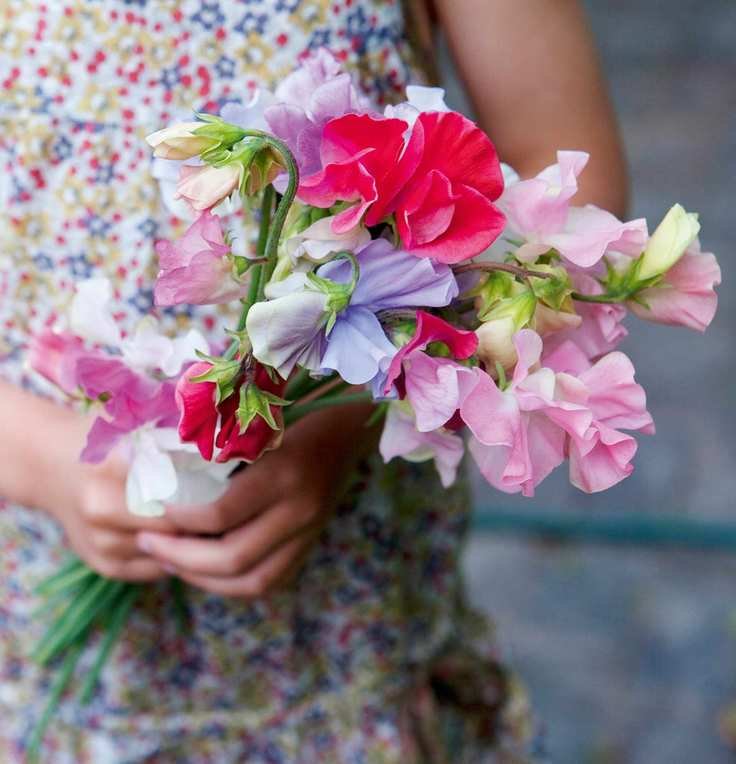
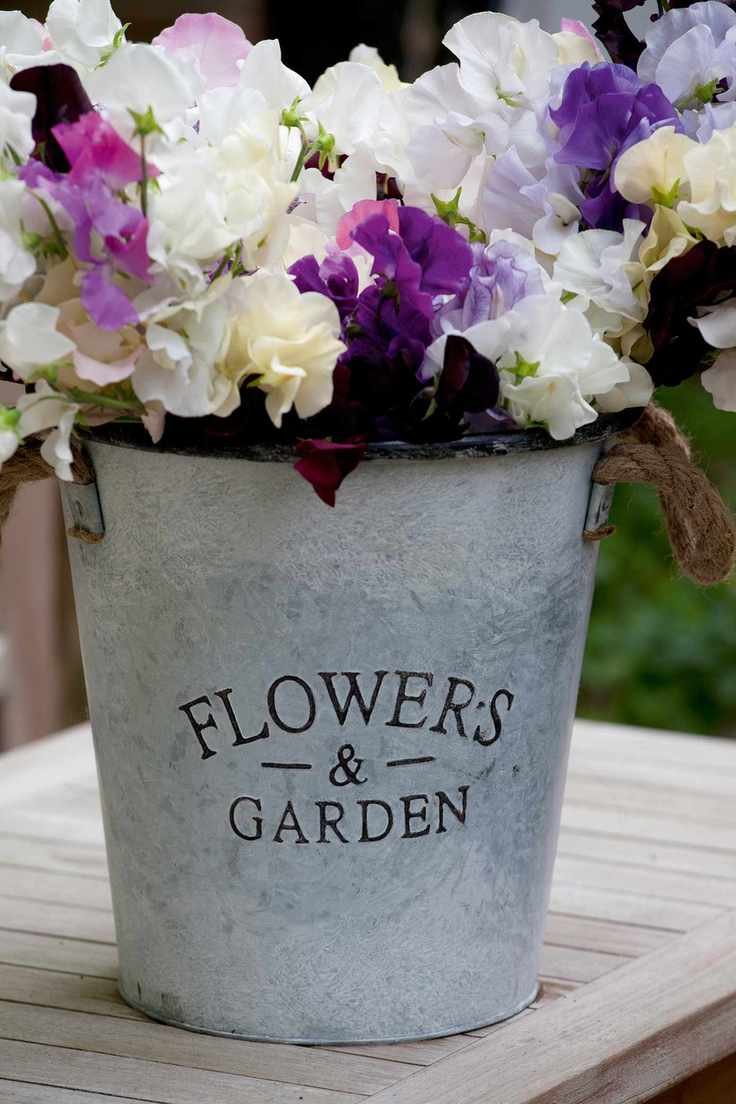
If you’re considering a cut flower garden, sweet peas are an excellent selection, coming in nearly every hue to enhance various floral arrangements.
There’s nothing quite like a freshly picked bouquet. 'Sweet peas embody summer's fragrance. They’ve earned the title “Queen of Annuals,” and few annuals can rival their popularity,' shares expert grower Philip Johnson of Johnson’s Sweet Peas.

Growing Sweet Peas
Sweet peas are relatively straightforward to cultivate and are among the best fragrant flowers, enjoyed for centuries as part of flower bed designs.
These typical cottage garden plants thrive in cooler conditions, preferring mild winters and moderate summers. They typically bloom just as temperatures begin to rise. Summer-flowering types are ideal for areas with less intense heat.
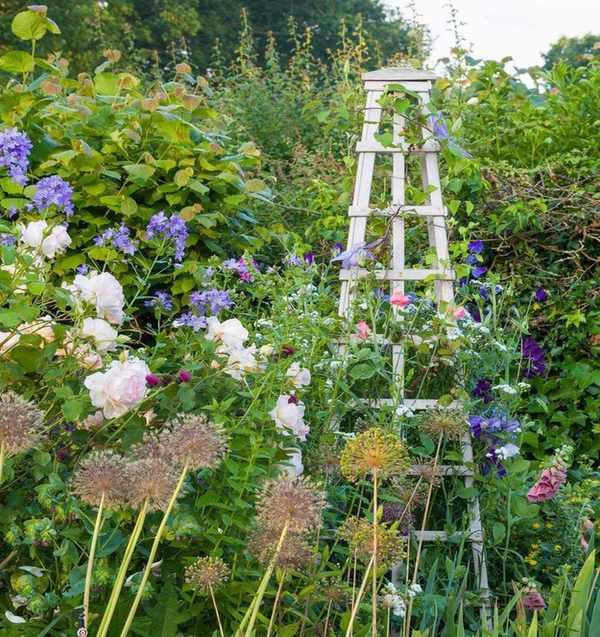
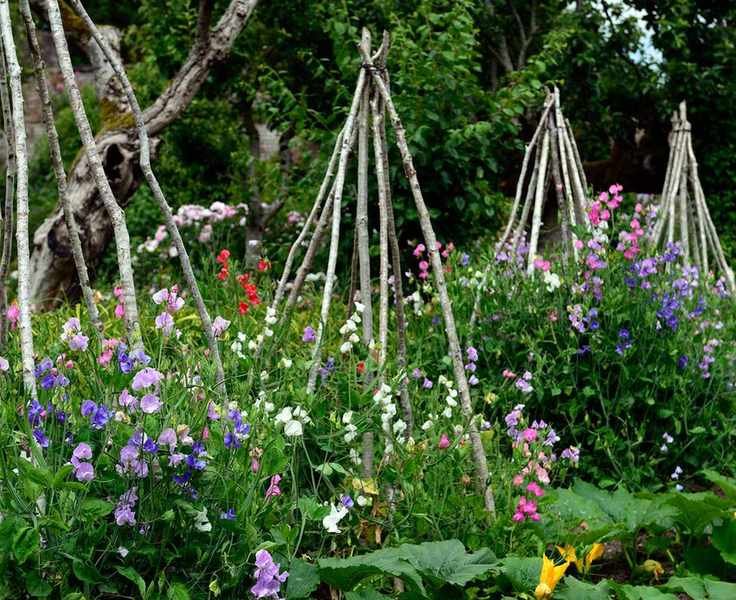
‘I prefer growing sweet peas on wigwams or tripods, allowing them to rise and blend beautifully with surrounding plants,’ says celebrity gardener Monty Don in Gardener’s World.
If space is limited, sweet peas can also thrive in deep containers on patios or balconies, provided they have vertical support.
'Once just small, highly-scented flowers, sweet peas have been developed into a diverse range for home gardeners, featuring longer stems, larger blooms, and extended flowering seasons,' notes Molli Christman, horticulturist at RHS Hyde Hall.
Today, dwarf bush varieties grow 9-25 inches (25-60cm) tall, needing minimal support, making them suitable for containers and borders. Most are climbing varieties, reaching heights of 6-9 feet (2-3 meters) when trained up trellises or fences.

Despite their delicate reputation, growing sweet peas is rewarding, and with the right care, they will flourish beautifully.
'With countless colors and sizes available, sweet peas adapt well to various conditions. They range from the tiny Cupid type to the vigorous Spencers, which can exceed eight feet tall. Colors span from white to deep maroon, including unique patterns like ripples and bicolors. With diligent care, they can produce flowers from late spring through early fall, even longer with greenhouse protection,' adds Philip Johnson.
Sowing Sweet Peas from Seed
Sweet peas are ideally grown from seed. You can sow seeds directly in the soil during cooler weather in fall or spring, or start indoors before transplanting in mid-spring.
To optimize seed germination, soak seeds on damp blotting paper for 24 hours and nick the outer coating with a sharp blade or nail clippers to enhance water absorption.
Follow this guide on growing sweet peas from seed in containers:
1. Sow sweet peas in root trainers or 3-inch pots filled with potting compost mixed with 20% sand, burying one seed about 1cm deep in each cavity. Water and place in a greenhouse or sunny windowsill to aid germination.
2. Once seedlings sprout, move them outdoors to a cold frame or sheltered area for maximum sunlight.
3. When seedlings develop two sets of leaves, pinch the top shoot to encourage side shoots.
4. Prepare your planting site by enriching the soil with well-rotted manure or organic matter, also setting up vertical supports like obelisks or jute netting.
6. In late March to April, plant seedlings at the base of supports, ensuring to dig holes deep enough for long roots. Clustering three together creates a fuller appearance.
7. After a couple of weeks, once the plants have taken hold, choose the strongest shoot to keep while removing the others for a healthier plant and more impressive blooms.
You may also sow sweet peas directly into the ground in fall or spring, first enriching the soil with well-rotted compost or manure.
When sowing directly, create a furrow to bury seeds at one-inch depth, spacing them 3-5 inches (10-15cm) apart, then cover and gently water the soil.
'Consider sowing extra seeds indoors to ensure a backup, planting them out as established seedlings,' suggests Molli Christman.
If you started seeds indoors, harden them off before transplanting outdoors after the risk of frost has passed.
Ideal Locations for Planting Sweet Peas
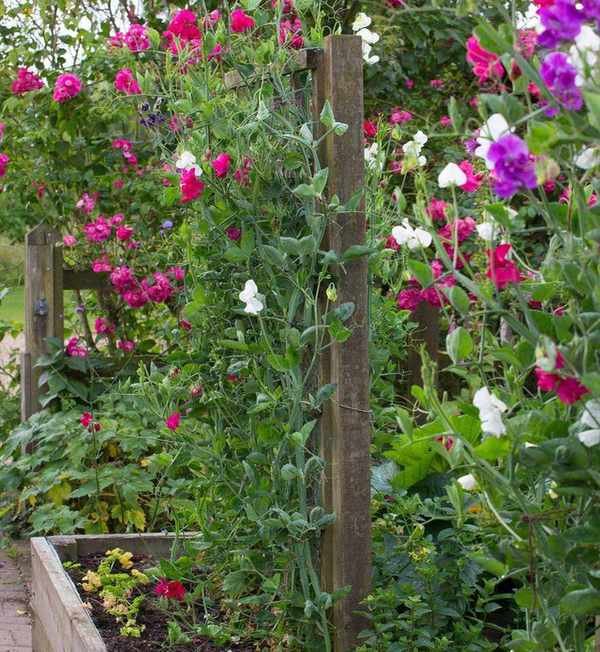
Since sweet peas thrive as climbing plants, ensure supports are in place before planting to avoid disturbing them later. Avoid planting near walls for proper air circulation.
Sweet peas require plenty of sunlight and struggle in shaded areas. Choose a sunny spot with rich, well-drained soil, supplemented with compost or composted manure. On lighter soils, add one cup of lime per square meter; for heavier soils, use two cups. Mulching helps keep roots cool and maintains moisture.
For optimal blooming, sweet peas prefer their tops in sunlight while their roots stay cool and moist. They need ample space, as overcrowding can lead to powdery mildew and fewer flowers. Ensure the area is easily accessible for regular harvesting.
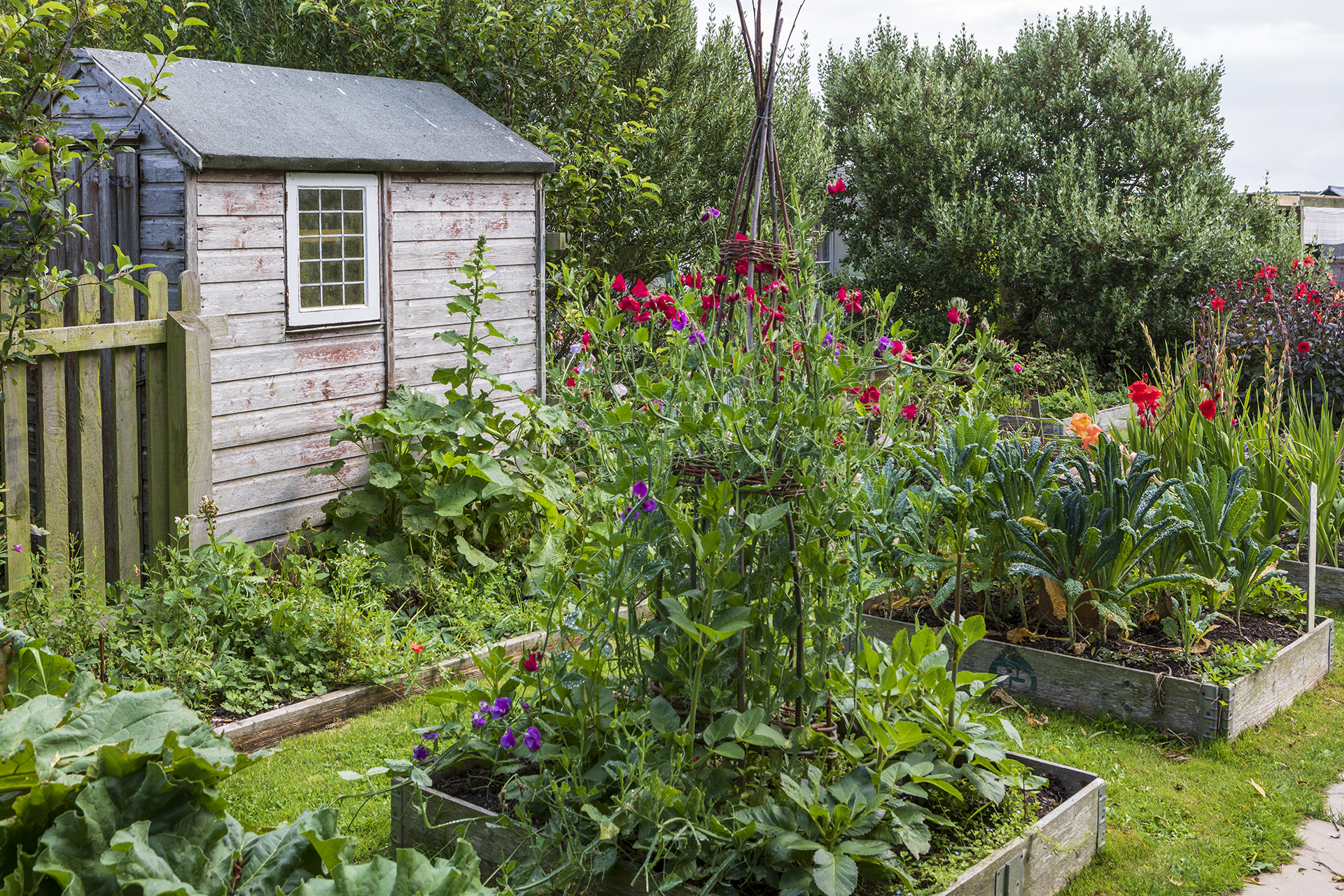
Sweet peas flourish in vegetable or cutting gardens, climbing up supports among a mix of edibles and ornamental plants. They’re also beneficial for pollinators, especially bees, due to their nectar and pollen-rich blooms, making them great for companion planting. These flowering pillars enhance wildlife gardens.
Caring for Sweet Peas
After mastering the growth of sweet peas, understanding their care is essential.
Sweet peas bloom roughly 4-6 weeks post-vining. Regular care ensures continuous flowering. To encourage bushier growth, pinch back top growth and trim off the main stems just above leaf joints while deadheading.
As fantastic cut flowers, it’s best to harvest sweet peas in the morning before they wilt. Choose freshly opened blooms on long stems, but avoid cutting the main stem; focus on side-flowering stems. While they may last up to 5 days in a vase, they’re a stunning sight!
Deadheading spent flowers promotes new growth until late summer or early fall. Trim the stalk down to a set of leaves just above the node. Sweet pea flowers are quite resilient, but they will eventually produce seeds as summer heat dries them out.
If you want to collect seeds for next year, leave some of the finest blooms on the plant. Seeds are ready to harvest when they turn brown and dry, with pods beginning to open. Saved seeds can remain viable for 3-5 years, but be aware they may not replicate the parent plant's color.
In addition to regular watering, a liquid feed promotes healthy growth. Water daily, unless it rains.
'Sweet peas dislike drought, especially during peak growth. They require ample nourishment to produce abundant blooms. A base dressing of Fish, Blood, and Bone, followed by weekly soluble plant fertilizer, keeps them thriving. Don’t forget to feed the plant as well as the flowers; alternate with a tomato fertilizer,' advises Philip Johnson.
Fortunately, aphids are the main pests affecting sweet peas, typically appearing after dry spells. Regularly wash them off with water.
Best Methods for Growing Sweet Peas
Growing sweet peas from seed is the most effective approach. As hardy annuals, they only need shielding from severe frosts; sowing in fall allows for early growth and robust roots before spring planting.
Remember, sweet peas are hungry and thirsty plants needing soil fertilization and weekly watering. 'Incorporate plenty of organic matter to retain moisture,' advises Monty Don.
Do Sweet Peas Need Climbing Support?
Yes, sweet peas are climbers and thrive best on vertical supports like obelisks, wigwams, or jute netting.
If you aim to grow them as cut flowers, they can also be cordon-grown on individual canes set in rows.
During the first month, assist the plants with twine or clips, checking them regularly. As tendrils develop, ensure they’re climbing properly. Some gardeners trim tendrils and tie plants manually, while others allow natural growth.
'I utilize two methods for growing sweet peas. The first is a high-maintenance cordon method, where a single shoot is tied to an upright support. As it grows, side shoots and tendrils are removed, focusing energy on a strong stem with fewer, larger blooms. The second method is more natural, using pea sticks without pruning side growth, allowing for a mass of smaller flowers,' explains Molli Christman.
'We grow sweet peas on teepees made of hazel or bamboo from our garden. If you have a balcony, you can cultivate them in a large pot with a narrow teepee. Plant two seedlings at the base of each stick, tying them as they climb. Make sure to cut them daily once blooming to prevent seeding,' share Henrietta Courtauld and Bridget Elworthy from the Land Gardeners.
Sweet Peas and Sunlight Requirements
Sweet peas thrive in sunlight but prefer cooler conditions with moist, well-drained soil, avoiding excessive heat. 'Don’t place them in harsh sun, and ensure they don’t dry out,' cautions Monty Don on Gardener’s World. 'Water them weekly unless it’s very wet.'
Can Sweet Peas Grow in Pots?
Yes, sweet peas can thrive in pots as part of your container gardening plans.
For container planting, use peat-free compost mixed with loam and a slow-release fertilizer. 'Generally, sweet peas perform better in the ground than in pots, as they can be forgotten and struggle to recover. However, less vigorous types like Cupid and Solway do well in containers,' says Philip Johnson.
Avoid vigorous varieties like Spencers, which often don’t perform optimally in pots.
Containers and raised beds should be at least 17 inches (45cm) deep to support healthy growth. Raised beds improve drainage, making them suitable for sweet peas in boggy soils.
Watering Sweet Peas
Regular watering is crucial during dry spells. Without sufficient moisture, sweet peas will seed prematurely and produce shorter stems, so they must not dry out.
Check soil moisture by inserting your finger to the first joint; if it feels dry, water. Spraying foliage with cool water during hot periods also benefits plant health.



