

Companion planting involves growing specific fruits and vegetables alongside flowers for mutual benefits. With countless varieties available, it can feel daunting to know what to plant. However, selecting compatible companions can enhance your homegrown produce by managing pests, promoting pollination, enriching soil nutrients, and maintaining biodiversity.
Although scientific backing is limited, this gardening approach has been successfully utilized by farmers and gardeners for centuries. It also mirrors natural ecosystems, where certain plants thrive together while others do not. By adopting companion planting in your garden, especially with fruits and vegetables, you can cultivate healthier crops while avoiding pesticides.
Here, we explore some effective companion planting combinations to maximize your vegetable garden potential.
Understanding Companion Planting

Companion planting means growing two or more different plants together for a beneficial outcome, commonly applied in kitchen gardens.
How does companion planting function?
- Promotes Growth: Some companion plants support each other's growth by providing shelter, root space, and enhancing biodiversity.
- Deters Pests: Certain plants, known as 'trap plants', attract pests away from your main crops. Others emit chemicals that repel harmful insects, such as rosemary, lavender, and mint.
- Repels Animal Pests: For instance, cucumbers can help deter raccoons, while there are plants that repel snakes, deer, and rabbits.
- Attracts Predators: Various birds and insects prey on pests, contributing to a healthier garden ecosystem.
- Attracts Pollinators: Many plants draw in bees and other pollinators, boosting vegetable yields and promoting a balanced ecosystem.
- Provides Shade: Taller plants can offer shade to those that require it, like peas supporting tender salad leaves.
- Utilizes Space Effectively: Matching fast-growing plants with slower ones ensures adequate room for growth without competition for resources.
- Avoids Monoculture: Diverse planting reduces the risk of pests and diseases thriving.
- Enhances Soil Fertility: Companion planting can replenish soil nutrients instead of depleting them.
- Suppresses Weeds: Filling gaps in your garden with diverse plants reduces weed growth.
- Improves Flavor: Certain combinations can enhance taste, such as basil with tomatoes or dill with corn.
Benefits of Companion Planting
Companion planting offers numerous advantages in an organic garden. According to Emma O'Neill, a head gardener, these plants help protect the soil, suppress weeds, and promote biodiversity.
Greater diversity in planting leads to healthier gardens. A thoughtful selection of companion plants helps maximize space while confusing pests that target single crops.
Charlotte Harris and Hugo Bugg designed the kitchen garden at RHS Garden Bridgewater, highlighting the effectiveness of companion planting.
'We thrive better together, just as plants do,' Charlotte emphasizes. These partnerships can attract beneficial insects, improve soil quality, and enhance the overall gardening experience.
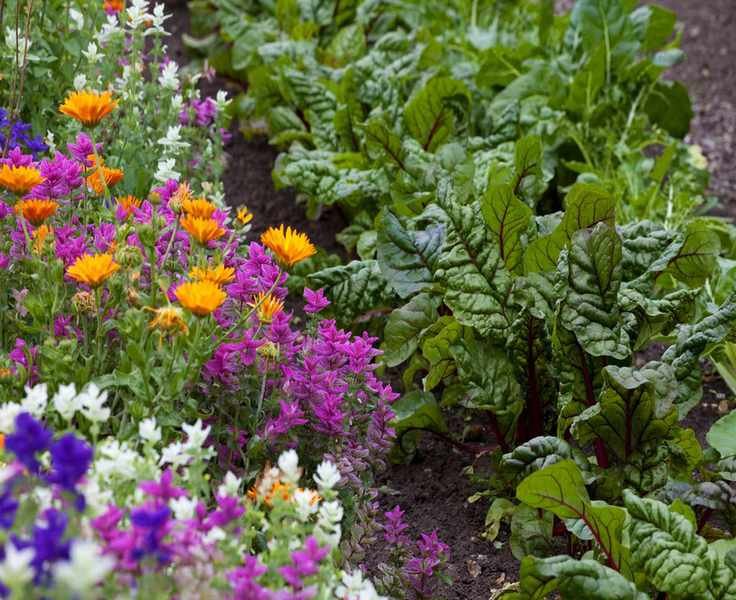
Marylyn Abbot, a gardening author, mixes flowers, herbs, and vegetables at West Green House gardens. She shares, 'Companion planting helps improve soil structure by integrating plants with varying root depths, like carrots and tomatoes.'
Companion Planting for Vegetables and Fruits

Here are examples of vegetables and plants that thrive alongside each other, whether by deterring pests, attracting pollinators, enriching soil, or improving flavors.
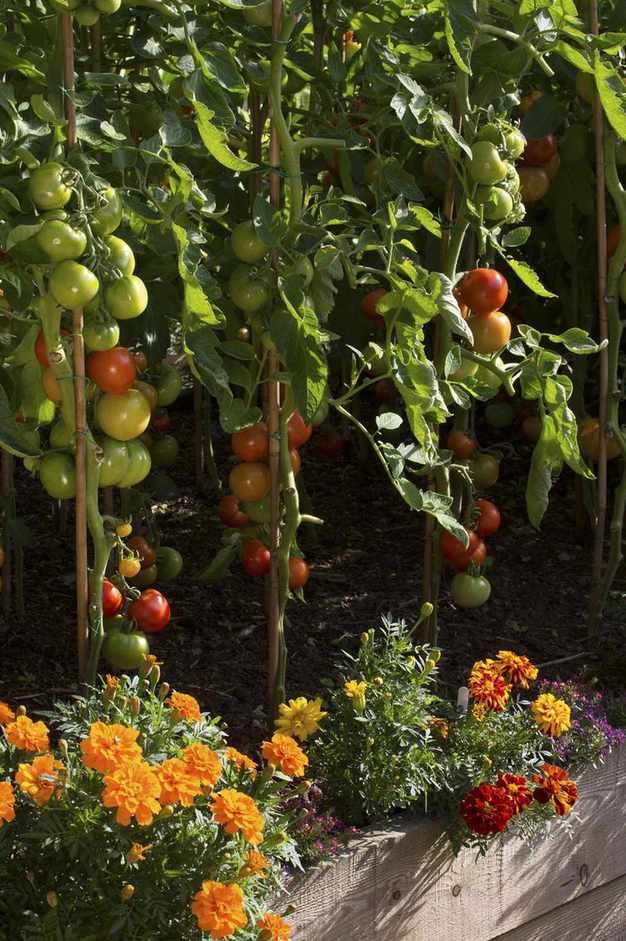
For example, pairing tomatoes with basil is known to enhance yields and potentially improve fruit flavor.
Conversely, some plants should not be grown together, as they might compete for space, light, or nutrients or attract harmful insects.
Companion Planting Chart
- Beans (French, runner, fava) – great companions for corn, squash, carrots, cabbage. AVOID onion family.
- Broccoli – pairs well with onions, chard, radishes. AVOID tomatoes.
- Carrots – companions include onions, beans, and lettuce. AVOID potatoes and dill.
- Cucumbers – enjoy growing with peas, beans, and radishes. AVOID potatoes.
- Tomatoes – thrive alongside basil, mint, and garlic. AVOID potatoes.
- Potatoes – good partners with horseradish and beans. AVOID squash.
- Strawberries – benefit from asparagus, beans, and borage. AVOID fennel.
- Peppers – compatible with carrots and squash. AVOID beans.
- Onions – pair well with cabbage and tomatoes. AVOID beans.
- Leeks – suitable companions include carrots and garlic. AVOID beans.
- Kale – great with onion and garlic. AVOID other brassicas.
- Zucchini – pairs with dill and lavender. AVOID potatoes.
Flowers as Companion Plants

Beautiful flowers can complement your vegetable garden.
'Marigolds, nasturtiums, and calendula are excellent choices,' states Emma O'Neill.
Nasturtiums can deter aphids and act as sacrificial plants, attracting pests away from vegetables.
Calendula is a favorite among pollinators and helps repel pests from crops, while marigolds emit scents that confuse insects.
Charlotte and Hugo also highlight calendula's benefits, noting its vibrant color and role in attracting beneficial insects.
Other great options include Erigeron and Dyer's chamomile.
Companion Planting with Herbs

Incorporate aromatic herbs like thyme, oregano, and rosemary throughout your garden to repel pests and attract pollinators.
Organic grower Jekka McVicar emphasizes the importance of planting herbs to draw a variety of pollinators, which boosts yields. She also mentions that herbs can benefit neighboring plants, such as chamomile acting as a natural anti-fungal for struggling shrubs.
What is a Companion Planting Method?
What are the Best Companion Plants?
Marigolds are versatile companions for almost any vegetable. They help deter pests and improve yields, particularly with tomatoes.
Additionally, you can interplant strawberries with herbs to protect them from birds and other pests. Legumes release nitrogen into the soil, benefiting nearby crops.
What Should Not Be Planted Together?
Avoid planting members of the same plant family close together, as this increases competition for nutrients and light, which can hinder growth.



