
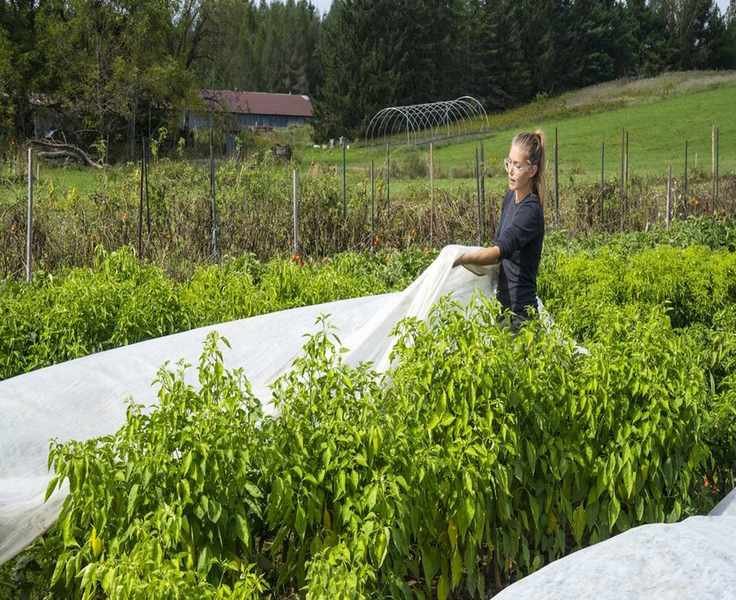
A frost cloth, often called horticultural fleece, provides a lightweight, soft cover that protects plants when the temperature drops.
Affordable and simple to apply, frost cloths are essential in winter for shielding plants from frost. They not only keep plants warm but also allow sunlight to filter through, making it possible to keep the cloth on around the clock.
"Frost cloths create a microclimate around the plants they cover," explains an expert gardener. "This microclimate remains warmer than the surrounding air, safeguarding plants from frost damage." They also act as a barrier against strong winds and hail.
If bringing delicate plants indoors for winter isn't an option, frost cloths are a smart alternative to help them endure, whether they're potted or in the ground.
Pro Tip: Steer clear of plastic covers, as they can trap heat and moisture, leading to issues like Botrytis disease.
Expert Tips for Using Frost Cloth
While they might not be the most visually appealing addition to your garden, frost cloths are incredibly practical and versatile.
How to Utilize Frost Cloth for Your Plants
Frost cloths come in various thicknesses. Lightweight fleece offers less protection but allows better light penetration and is usually less expensive than heavier options.
Select a cloth based on your requirements—heavier fleece works well for established tender plants, while lighter fleece is beneficial for seedlings, providing warmth and light.
Frost cloths are often used to construct tunnel cloches in vegetable gardens to protect winter crops.
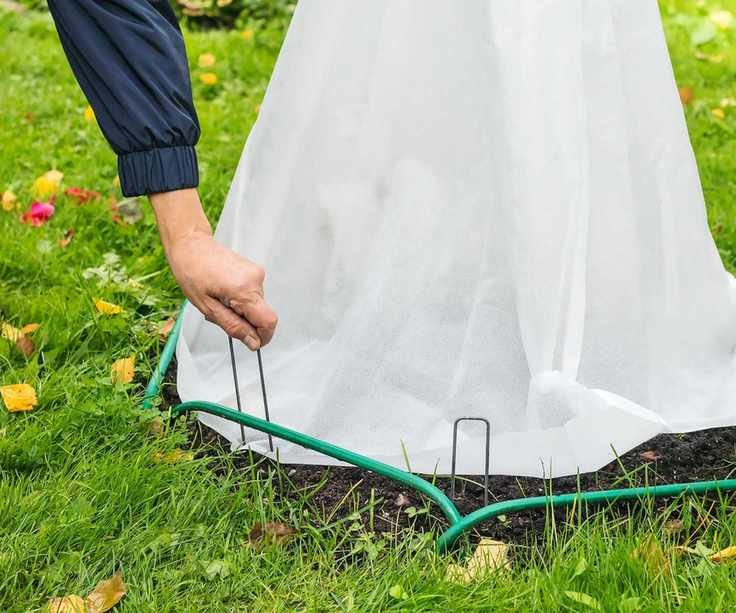
"Place the cloth over the plants, securing it at the corners with stakes and raising the center with poles to keep it above the plant height," advises a gardening expert. "You can leave it in place until the weather warms up."
Instead of poles or hoops, you can use a tomato cage available on Amazon to support the cloth, ensuring it doesn't touch the plants to avoid excessive cold or moisture.
In extremely cold areas, you can layer fleece for added insulation. It can also help warm greenhouses or cold frames—just line the windows or tuck fleece around indoor plants.
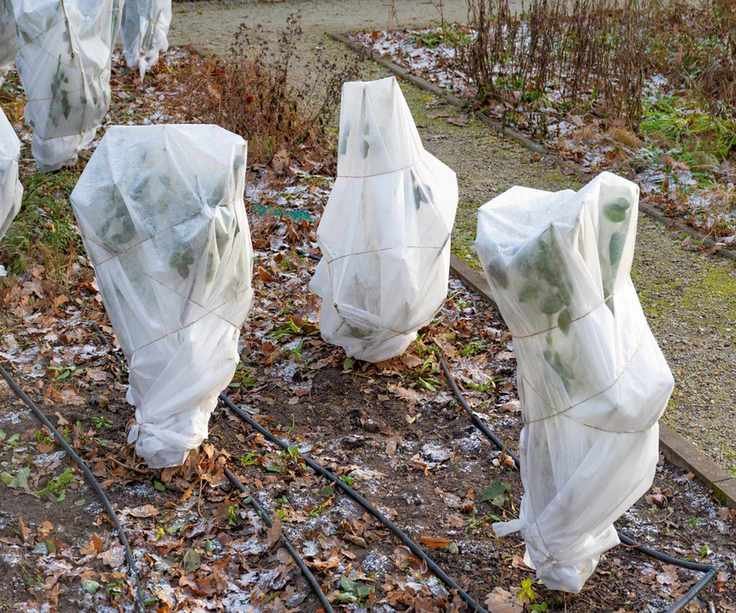
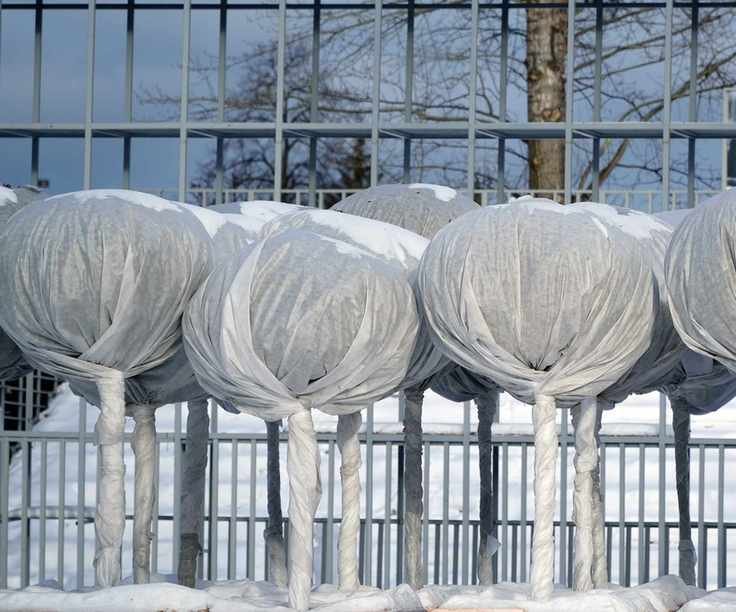
Delicate tropical plants, like tree ferns, can be carefully wrapped in frost cloth during winter months. To prevent excess humidity that may lead to rot, remove the cloth during warmer spells and replace it when temperatures drop again.
Containers can also benefit from fleece wrapping for winter protection and to help prevent cracking. Relocate them to a sheltered spot in your garden, like against a house wall, for extra security.
Additional Uses for Frost Cloth in Your Garden
Frost cloths aren't just for winter; they can also be valuable in spring. They allow you to plant or sow tender plants earlier by providing necessary shelter.
"Additionally, frost cloths can deter pests such as rabbits and deer from feasting on your plants," notes an expert.
Insect-proof mesh covers, like those available on Amazon, are another type of crop cover. They effectively keep pests like cabbage white butterflies and flea beetles off crops, though they may not retain heat like frost cloths.
Where to Buy Frost Cloths
SOMXOY Thick Frost Cloth Blanket Plant
This frost cloth measures 10x30ft and can be cut as needed. Made from breathable mesh, it supports healthy growth for vegetables, flowers, and other plants.
Abimars Garden Plant Blanket
This heavier fabric offers enhanced warmth and tear resistance, allowing air, sunlight, and rain while preventing moisture buildup common with plastic covers.
MIXC Plant Covers
These convenient plant covers come in various sizes, featuring a drawstring at the opening for quick and easy covering during harsh weather.
Frequently Asked Questions
What can replace frost cloths?
Cloches are a traditional method for winter plant protection but require frequent lifting to release excess heat and humidity. Frost cloths are a breathable, low-maintenance alternative.
If you need immediate protection and lack frost cloths, old sheets or burlap can suffice. Cardboard boxes can also provide temporary shelter during frosty nights. Just avoid plastic coverings, as they can trap heat and worsen freezing risk.
Covering delicate plants should be on your winter gardening checklist as the year ends. December is also a good time for pruning certain plants, preparing them for the upcoming growing season.



