

When done correctly, pruning can significantly enhance both the health and appearance of your trees. However, improper techniques can lead to severe damage or even the death of the tree.
Any mistakes in pruning can inflict wounds that increase the risk of harm. Familiarizing yourself with the correct tools and techniques will empower you to minimize damage.
To help you improve your pruning practices, we consulted experts who shared common mistakes to avoid, along with essential guidelines for effective tree care.

8 Common Tree Pruning Mistakes
Effective pruning requires careful planning. Rushing can lead to significant damage. Here are crucial pruning principles to keep in mind to prevent errors.
1. Over-pruning
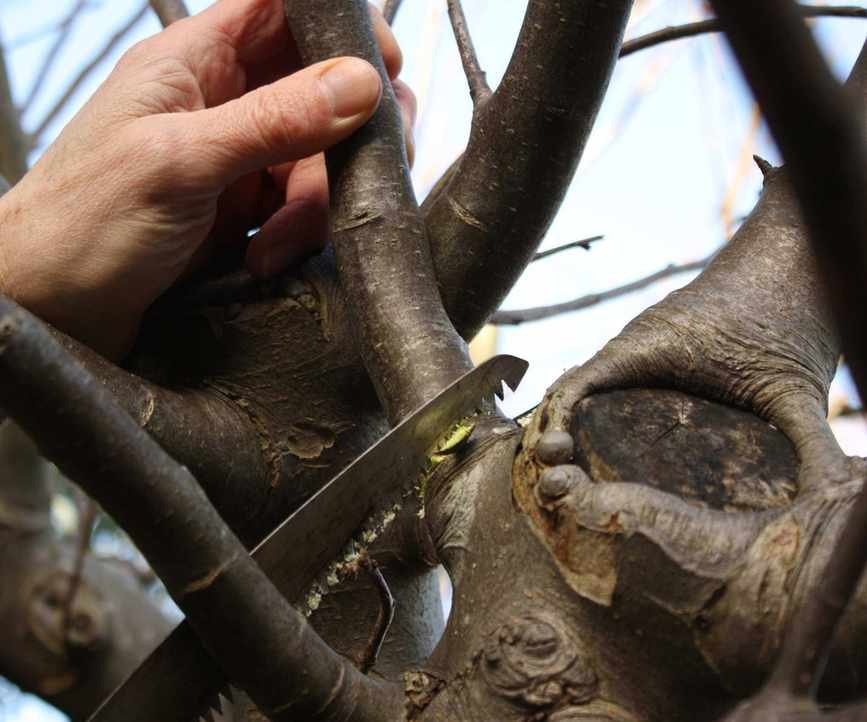
Taking off too much foliage in one go can create serious problems, especially since not all trees can handle heavy pruning. Always research your specific tree type to understand its limits.
Practicing restraint is key. Following the one-third pruning guideline is advisable, spacing out significant pruning efforts over time. Removing more than 30% of foliage can hinder photosynthesis and trigger excessive, weak growth in response.
Tamara Hogan, a plant specialist, advises that over-pruning can lead to a frustrating cycle of recovery. Patience is essential, particularly when working with an unmanaged tree.

2. Making Improper Cuts

Lisa Tadewaldt, owner of Urban Forest Pro, warns that incorrect cuts can be detrimental. Proper cutting techniques are crucial, as mistakes can impair the tree's ability to heal and increase susceptibility to diseases.
Before you start pruning, familiarize yourself with correct techniques. If you're unsure, hiring a professional can be a wise choice.
Common errors include flush cuts and leaving stubs. Fern Berg, founder of Tree Vitalize, emphasizes the importance of preserving the branch collar when cutting back to the trunk, as removing it can delay healing and promote decay.

3. Pruning at Inopportune Times

Incorrect timing can lead to a host of problems, including poor flowering or fruiting and increased vulnerability to pests. Understanding optimal pruning times is essential.
Ben McInerney, founder of GoTreeQuotes, notes that while some pruning can be performed at any time, major pruning should occur during the dormant season for most trees to avoid stress and disease susceptibility.
Deciduous trees generally benefit from winter pruning, although some, like birch trees and flowering cherries, have different needs. Avoid pruning in extreme cold or heat, as this can stress the tree and even lead to death.

4. Spreading Diseases

Pruning in wet conditions can introduce fungal issues, and some trees are more susceptible to specific diseases at certain times. For example, winter pruning of stone fruit trees can increase the risk of silver leaf disease, while oaks should be pruned in winter to minimize oak wilt spread.
Properly sanitizing garden tools is crucial to prevent disease transmission. Fern Berg stresses that failing to clean tools between trees can spread pathogens, so ensure all equipment is sanitized after trimming each tree.
5. Using the Wrong Tools

Pruning requires various tools suited for different branch sizes. Essential tools include pruning shears, loppers, and a pruning saw. Chainsaws should only be used by experienced individuals.
Each tool has its limits. For instance, pruning shears work best on branches up to half an inch thick, while loppers handle up to two inches. Using the wrong tool can cause severe damage, leaving the tree vulnerable to pests and diseases.
A heavy-duty pair of branch cutters like the EZ Kut G2 Tree Trimmer is ideal for cutting branches up to 3.5 inches thick.
Fiskars 25 Inch Extendable Power-Lever Lopper extends from 25 to nearly 37 inches, cutting branches 1-5/8 inches in diameter.
For thicker branches, the Corona RazorTOOTH Handsaw features a 10-inch blade for cutting branches up to 5-6 inches.
6. Topping Trees

Topping involves cutting off the main stem and top branches to reduce height, which severely damages the tree's health.
Ben McInerney explains that topping disrupts the tree's growth pattern, leading to unstable epicormic growth that can require complete removal in the future.
A topped tree often looks unsightly and becomes vulnerable to pests and diseases due to stress, affecting its structural integrity.
7. Tearing the Bark

Torn bark is a frequent consequence of poor pruning, usually from attempting to cut large branches in one go. This not only leaves unsightly scars but also exposes the tree to pests and diseases.
To avoid this, employ a three-cut method for large branches. Start with a cut on the underside away from the trunk, then cut from the top slightly further down. The branch should break at the first cut, allowing you to remove the remaining stub cleanly.
8. Ignoring the 3 D's

Pruning should always serve a purpose, whether for aesthetic reasons or to enhance fruit production. Before you begin, ensure you eliminate the three D's: dead, diseased, and damaged branches.
These branches can negatively affect the tree's overall health, so prompt removal is essential. Look out for branches growing in the wrong direction or rubbing against each other, as these can also lead to disease entry points.



