
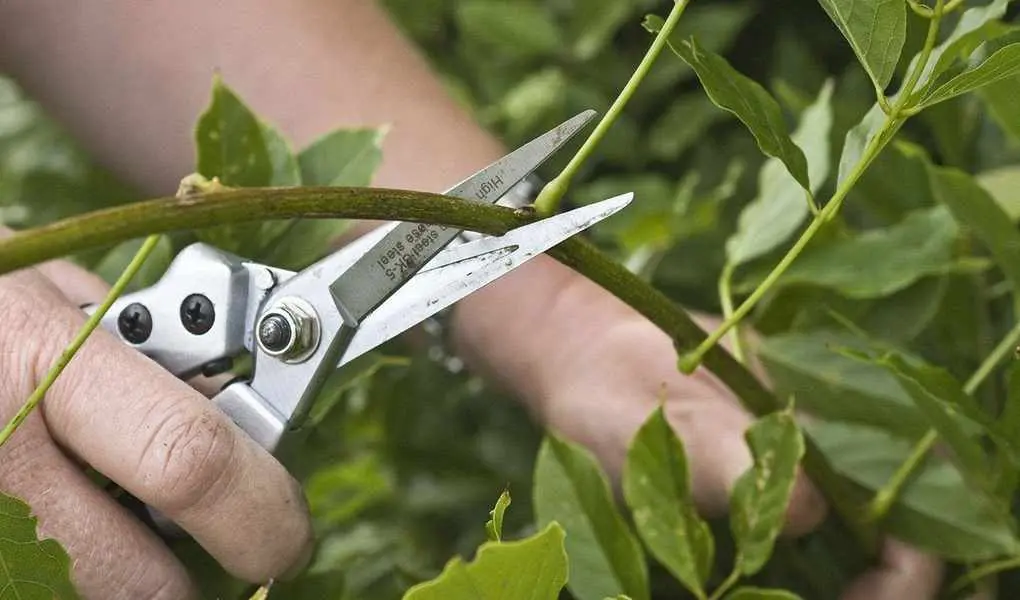
Well-maintained trees and shrubs enhance any garden. Whether you need large trees or compact shrubs, knowing how to prune correctly is crucial for their health.
Proper pruning leads to lush, vibrant plants filled with blooms and fruits. However, making common mistakes can cause lasting harm to your greenery.
Many gardeners, especially beginners, find pruning daunting. But once you're aware of the typical pitfalls, it becomes more manageable. The satisfaction of applying techniques like the one third pruning rule is rewarding when you see your plants thrive.

Top 5 Pruning Errors to Avoid
Mastering pruning is essential for every gardener. Once you grasp this skill, your plants will thrive.
For larger tasks, like removing a large branch or entire tree, don't hesitate to seek help from professional arborists. Your safety and that of others is paramount.
Let's explore five frequent pruning mistakes and how to sidestep them.
1. Using Dull or Dirty Tools
A significant error occurs before the first cut. Using tools that are dull, rusty, or dirty can create problems.
Dull tools tear rather than cut, leaving jagged edges that invite pests and diseases. Always clean and sharpen tools after every use.
Having sharpening stones handy is essential for any gardener. I recommend the Sharpal 121N Dual-Grit Diamond Sharpening Stone, available on Amazon.
Tools that are dirty can transmit diseases if previously used on infected plants. It's easy to clean your gardening tools—there's no excuse not to!
To clean, scrub any rust with steel wool, then oil the moving parts with Felco tool lubricant. For disinfection, a general-purpose antibacterial spray on the blades works well.
Also, ensure you're using the appropriate tools for specific tasks. For thin twigs, pruning shears like this gonicc bypass pair on Amazon are excellent. For thicker branches, loppers like this Fiskars model available on Amazon work perfectly. For larger branches, consider a pruning saw like this Rexbeti pruning saw on Amazon or a bow saw, such as this Great Neck model on Amazon.

Dirty and dull pruners can harm wood and spread disease
2. Timing Your Pruning Incorrectly
Each type of tree has its own optimal pruning time. Cutting at the wrong moment can lead to poor growth or even death of the plant.
If trees are pruned during their growth phase in spring and summer, excessive sap loss can weaken them and create entry points for pests and disease.
Most deciduous trees should be pruned while dormant, typically from fall to late winter, right before their leaf buds swell.
However, trees prone to silver leaf disease, including plums, gages, apricots, peaches, almonds, and cherries, should not be pruned in spring. Instead, summer pruning is recommended for these varieties due to increased fungal activity in fall and winter.
If a tree shows symptoms of silver leaf disease, remove the infected wood down to healthy growth. Dispose of this wood promptly and disinfect your tools thoroughly afterward. Avoid composting or mulching diseased wood to prevent spreading the disease.
After pruning, mulching can nourish roots, followed by applying a tree fertilizer in spring, like this one by Bioadvance on Amazon, to enhance growth as the season begins.
For evergreen trees, prune when spring weather warms up, as autumn or winter cuts can lead to frost damage and dieback.

Pruning during growth can sap strength and weaken trees
3. Overlooking Signs of Disease
Always pay attention to signs of disease or dieback while pruning. Ignoring even a small affected area can lead to the spread of disease and potentially kill your plants.
When pruning, look for the 'three Ds': dead, damaged, or diseased growth, and remove it back to healthy wood.
You don't need wound paint for fresh cuts, but disinfect and sharpen your tools after each use to prevent disease transmission.

Always cut back to healthy growth
4. Cutting Away Too Much Wood
There's a saying in gardening: 'look twice, prune once', which is essential to remember when trimming trees and shrubs.
Pruning removes wood and leaves that provide vital nutrients. Excessive pruning can deprive plants of necessary carbohydrates, leading to weakened growth and increased susceptibility to pests and diseases.
Whether you're trimming fruit trees, roses, or lilacs, the best approach is to prune a little at the right times to encourage healthy growth.
Avoid 'topping' trees by removing the main upright leader, as this can lead to excessive leafy growth at the cost of flowers and fruit.

Over-pruning can hinder plant growth or even kill it
5. Skipping Pruning for Seasons
Letting trees or shrubs grow unchecked is as detrimental as over-pruning.
Regular annual pruning is crucial, encouraging the growth of new, healthy branches to replace older, less productive ones.
Neglecting to prune leads to tangled branches that detract from your landscape's appearance and can hinder light penetration, reducing flowering and fruiting while promoting pest problems.
In contrast, regular pruning at the right times helps maintain a balanced shape, allowing light and air to circulate, essential for preventing fungal issues.
A well-shaped tree or shrub should resemble an open goblet, maximizing light and air to all branches, promoting healthy blooms and fruits.

Unpruned trees can lead to dense, tangled branches and fewer blooms
Once you understand the common pruning pitfalls and gain confidence, it transforms into one of the most rewarding gardening tasks, enabling you to cultivate a stunning landscape filled with vibrant colors.
Moreover, you can repurpose the resulting cuttings as natural plant supports in your garden, making pruning a practical and economical choice.



