
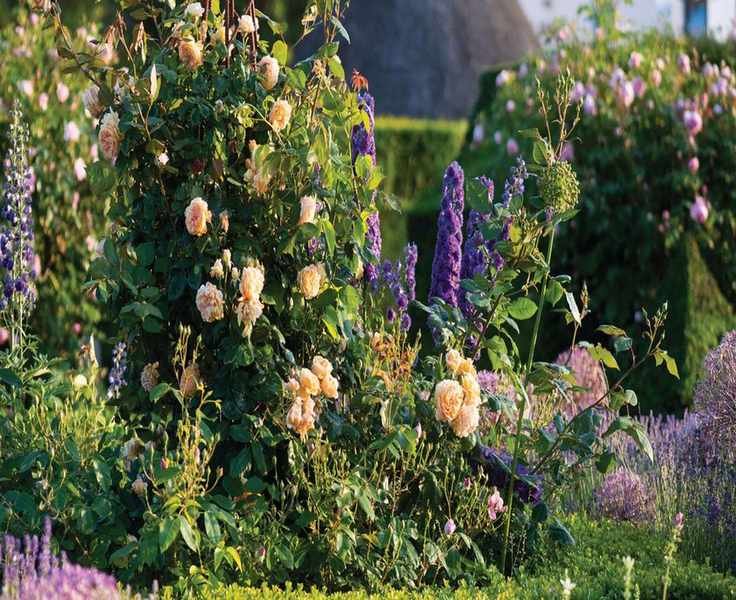
Roses bring a fragrant charm to summer gardens, but to ensure they thrive, it's vital to know the best time for pruning. Timing is everything, and pruning at the wrong moment can lead to disappointing results.
Understanding how to prune roses is only half the battle; knowing the specific timing for different varieties can leave even experienced gardeners feeling uncertain. Before you grab your secateurs and head to your rose garden, make sure you're equipped with the right rose care and growing knowledge to steer clear of common pruning mistakes. Pruning incorrectly can transform a blooming garden into a missed opportunity.
To help you navigate the intricacies of rose pruning, we've compiled a guide that clarifies the best times for each type of rose. If you're wondering whether it's too late to prune your roses, this guide will offer useful insights.
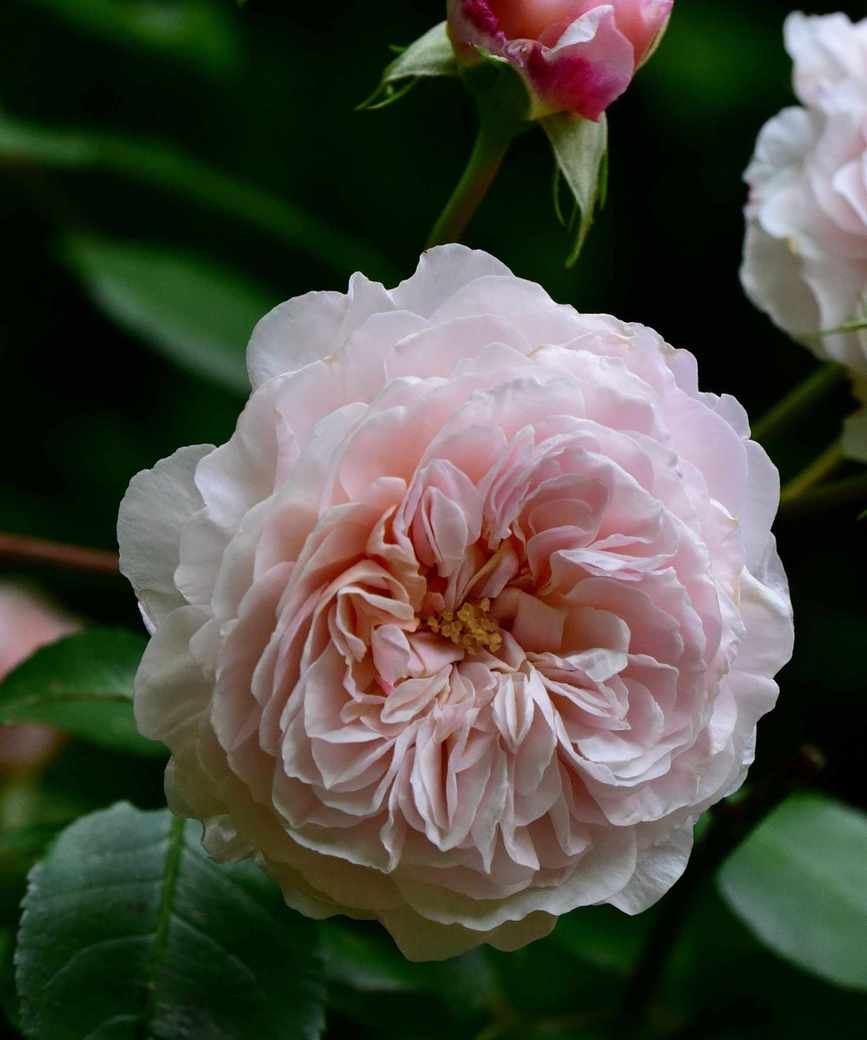
What is the Best Time to Prune Roses?
Most roses should be pruned while they're dormant during late winter, ideally after the last frost. Here's a straightforward guide to help you get started:
If you have a shrub rose, the best time for pruning is late winter. You should aim to prune just as the new buds start to swell, which can happen from February to early April. Personally, I prefer to prune my roses by the beginning of February when the risk of frost has usually passed.
For climbing roses, it's best to prune them starting in late fall, with November being an ideal month.
Rambling roses, on the other hand, should be pruned in late summer.
Roses that produce rosehips don't need to be pruned; these hips are lovely, support local wildlife, and can even be used to make delicious jams. Be sure to check if your rose variety produces hips before making any cuts.
It's also important to note that pruning differs from deadheading. Many gardeners grow repeat-blooming shrub roses, which can be deadheaded throughout the summer. This practice encourages continual blooming all season long.
With numerous rose varieties available, it's wise to research the specific pruning times for the roses in your garden.
When to Prune Shrub Roses?
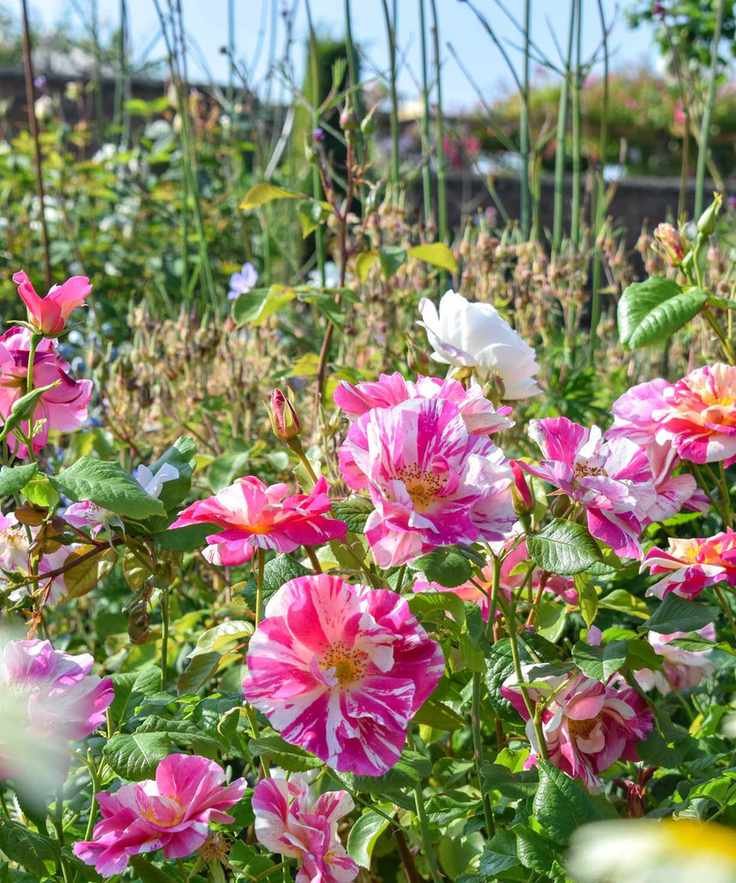
The optimal time to prune shrub roses is late winter or very early spring, ideally after the last frost and just as the buds begin to swell. While weather patterns can be unpredictable, a quick look at the rose stems can guide your timing.
"In regions with mild winters, pruning can be done in late December, January, or February. In colder climates, it's best to wait until early spring when new growth is just starting," advises renowned rose grower David Austin from David Austin Roses.
While pruning too late can hinder growth, pruning too early can also pose risks. Remember that pruning stimulates new growth, which is beneficial only if frost has passed.
Pruning too early exposes the new growth to frost damage, which may require additional cuts later. I typically prune my shrub roses around Valentine's Day, creating a tradition that helps me remember the timing.
When to Prune Climbing Roses?
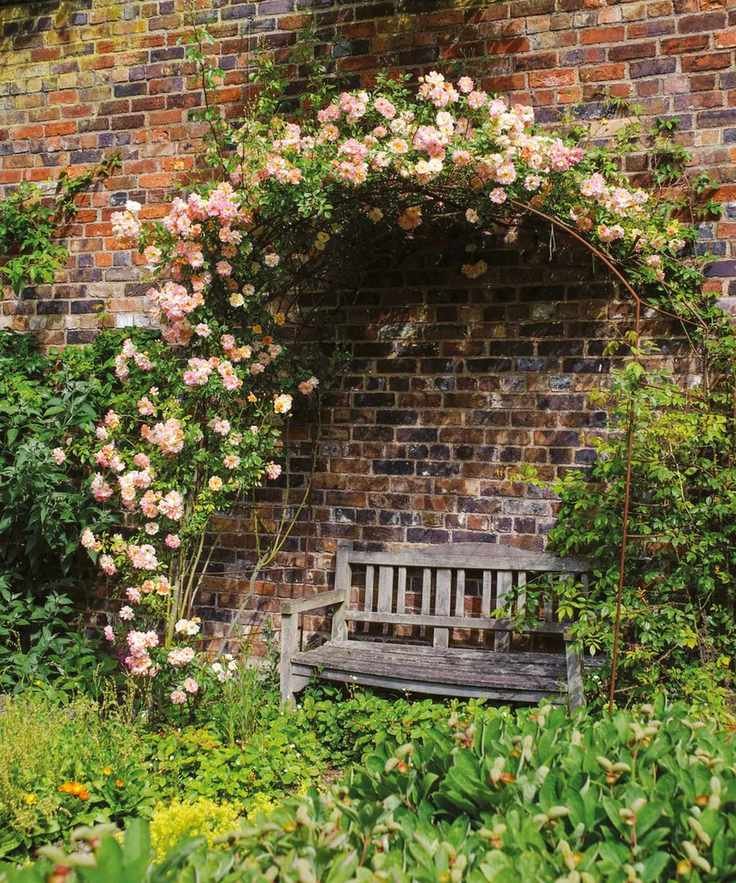
Despite their delicate appearance, climbing roses are quite resilient, so don't hesitate to prune them back significantly.
Climbing roses should ideally be pruned from late fall to winter, which is earlier than shrub roses. November is a suitable time for this task. So, as Thanksgiving approaches, it's time to tackle those climbing roses!
Delaying pruning can mean losing out on valuable growth time. "If you haven't pruned your climbing rose by March, it's still better to prune than to skip it entirely," cautions Austin.
Pruning climbing roses in the fall allows you to assess which stems are thriving and which require trimming. Once you've pruned, be sure to feed your climbing roses with a specialized rose food, like this rose food available at Amazon.
When to Prune Rambling Roses?
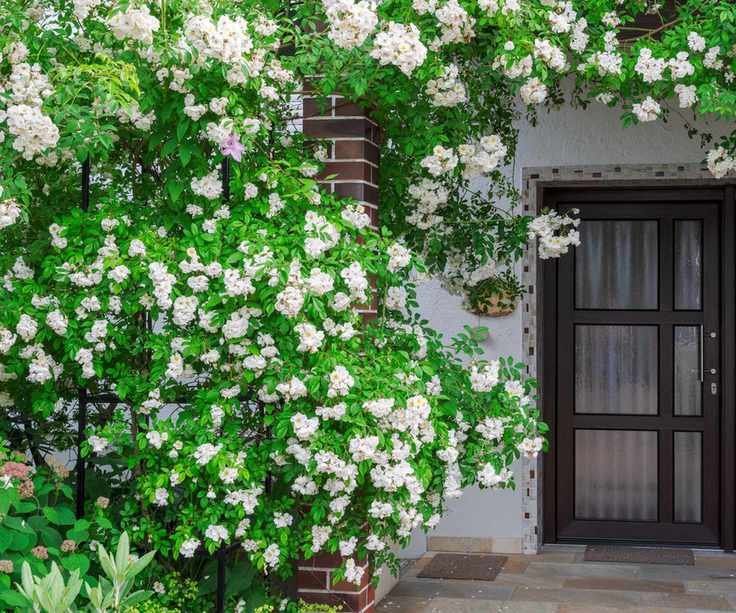
Rambling roses, known for their long and flexible stems, should be pruned in the summer.
Why summer? Unlike other roses, rambling roses do not bloom on the current year's growth, so they should be pruned just after flowering to encourage new wood for the following year's blooms.
Most rambling roses flower only once, so once the blooming period is over in the summer, it's time to prune them back. Be sure to feed the rose in spring before growth begins.
Essential Pruning Tools
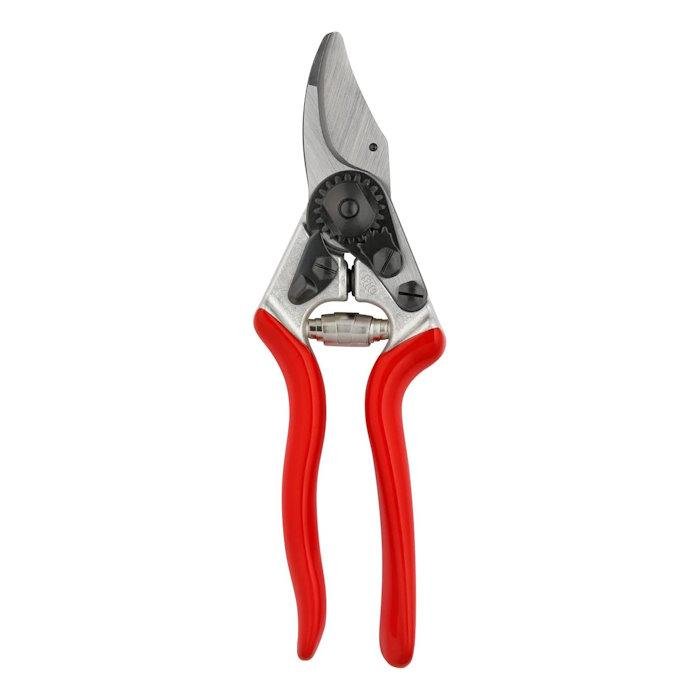
A pair of high-quality pruning shears with forged aluminum handles and a red grip. The hardened steel blades make cutting back in the garden effortless.
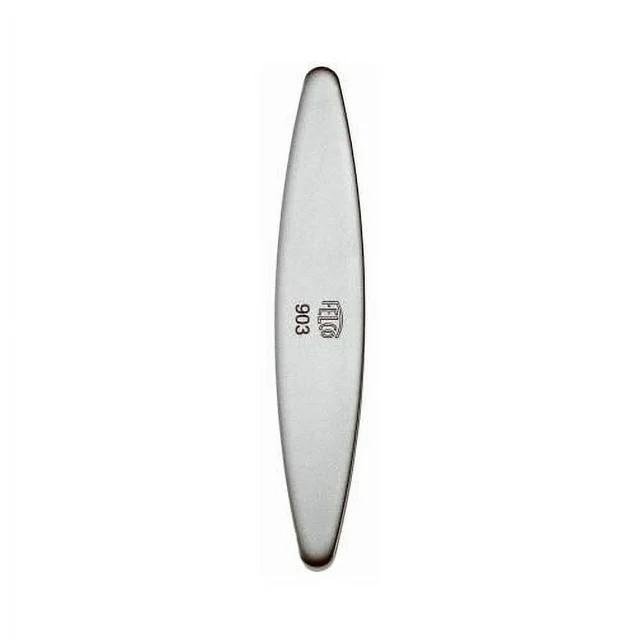
This diamond-coated Felco sharpening stone is essential for honing and maintaining the cutting edges of your tools to a professional standard.
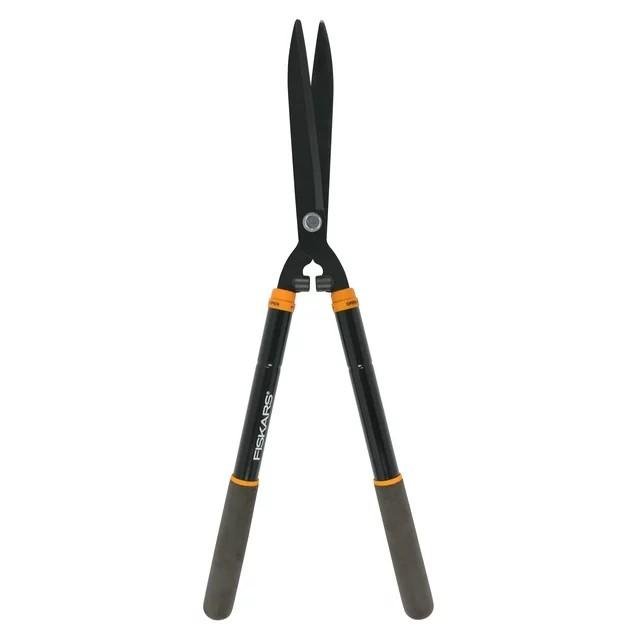
These extendable pruning shears from Fiskars have handles that extend and securely lock, making them ideal for trimming hard-to-reach branches.
Frequently Asked Questions
What if I Forget to Prune My Roses?
If you miss the ideal window for pruning your shrub rose in spring, the best course of action is to wait until early summer.
You can tidy up the shrub rose by trimming back any weak or thin stems, as well as removing dead or damaged stems that are brown or black. It's important to leave any healthy green growth and tie in new stems for support if necessary.
By following this approach, you'll be able to enjoy the spring blooms of your shrub rose and prune after flowering, typically around early summer. If you prune by June, your rose will have ample time to develop new growth before winter.
Climbing roses should not be pruned during summer; however, light trimming can be done after flowering if necessary. For significant pruning, wait until fall.
When is the Best Time to Deadhead Roses?
For those asking when to deadhead roses, the answer is quite simple: you should deadhead throughout the growing season to encourage repeat blooming.
This practice prevents the rose from diverting energy into producing seeds and fruits, promoting more flowers instead.
Cease deadheading in September to allow spent flowers to develop into rose hips.
By adhering to this guide, you can ensure you don't miss the right time to prune or find yourself pruning too early.
If you're designing a rose garden, don't let the pruning schedule intimidate you; once you learn the timing and techniques, it will become a natural part of your winter gardening or summer gardening checklist.



