
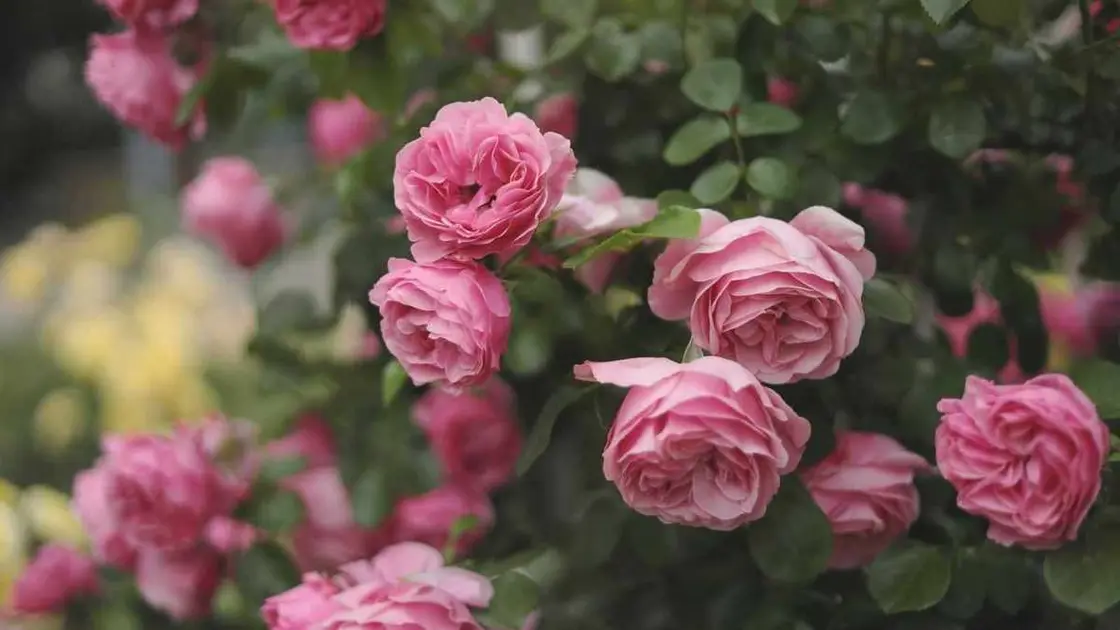
Roses are timeless favorites known for their vibrant colors, delightful scents, and adaptability. With so many varieties available, selecting the right rose for your garden can feel overwhelming.
For those seeking rose garden inspiration, options include climbing, patio, shrub, and more. Choosing the right type depends on your space, desired color, and fragrance.
We explore how to select the perfect rose, grow them effectively, and the vital annual care tasks to help your roses thrive and produce beautiful blooms each year.
Choosing the Right Roses
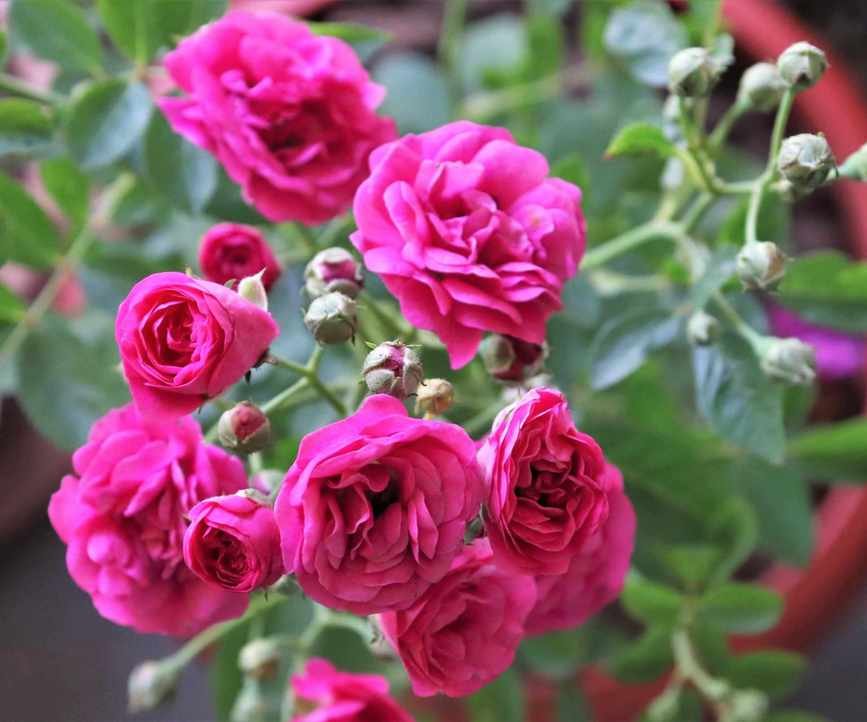
Rose gardens have captivated people for centuries
With over 150 species and countless cultivars worldwide, the variety of roses can be stunning. Whether you're adding to an existing garden or designing a new rose garden, the selection can be daunting.
Roses come in various sizes, shapes, colors, and textures. While some modern hybrids may lack the fragrance of traditional varieties, new breeding techniques have made many roses easier to care for. Repeat-blooming types can provide color and fragrance from early summer through late fall.
Garden designer and author Mark Lane notes: 'If you're seeking a shrub, patio flower, or a climber to enhance trellises or cover walls, roses are an excellent choice.
'You'll enjoy lush green foliage, a spectrum of flower colors from white to deep purple, and delightful scents ranging from sweet to musky.'
While browsing catalogs or online for fragrant roses or climbing roses, it's easy to feel inundated by choices. Key considerations include available space, planting location, and desired colors and scents.
Mark Lane advises: 'To find the perfect rose, consider your planting area. If you want something that won't dominate the space, look for shrub or patio roses. For climbing needs, select climbers or ramblers. Also, think about the existing colors and choose accordingly.'
For reliable rose vendors, we prefer to purchase roses from Burpee.

Mark Lane is an acclaimed landscape designer with over 20 years of experience, a regular broadcaster, and an established garden author.
Growing Roses Successfully

Climbing roses can beautify walls, fences, or structures
Seasons for Planting
Roses typically come as bare root or container-grown plants, influencing planting times. Bare root roses are less expensive and should be planted during dormancy, between November and March, while container-grown varieties can be planted year-round.
Choosing the Right Spot
Location is critical for roses, particularly regarding sunlight and competition. Planting in shady or windy areas is a common mistake to avoid.
Rosebie Morton, founder of The Real Flower Company, emphasizes the importance of sunlight, stating that roses thrive in sunny spots, needing at least four hours of sunlight daily. Ensure the roots have space to spread, so avoid planting too close to trees or large plants.
'If sunlight is limited, some varieties, such as Blush Noisette, Iceberg, Alfred Carrière, or Zéphirine Drouhin, can tolerate shade better than others.'
Proper Planting Techniques
For optimal planting, dig a spacious hole for the roots and mix in compost or well-rotted manure to enrich the soil. Place the rose in the hole ensuring the graft is just below the soil level, then fill in and firm the soil to eliminate air pockets.
If space is limited, you can grow roses in pots. Miniature or patio roses are ideal for container gardening.
Rosa 'Iceberg' | Available at Nature Hills
'Iceberg' is an exquisite white rose that is classic, elegant, and low-maintenance, producing continuous blooms. It thrives in USDA zones 5 through 9 and grows to about 3-4 feet tall and wide.

Rosebie Morton established The Real Flower Company, specializing in scented English-grown roses and flowers since 1999.
Propagation Through Cuttings

Roses flourish in sunny garden spots
Once you have roses, you can propagate more by taking cuttings. This can be done using hardwood cuttings in fall/winter or softwood cuttings in late spring/early summer.
Use clean tools for taking cuttings, placing hardwood cuttings in an outdoor bed or softwood cuttings in pots. You can root cuttings in water or try the trendy method of growing them in potatoes.
Maintaining Roses
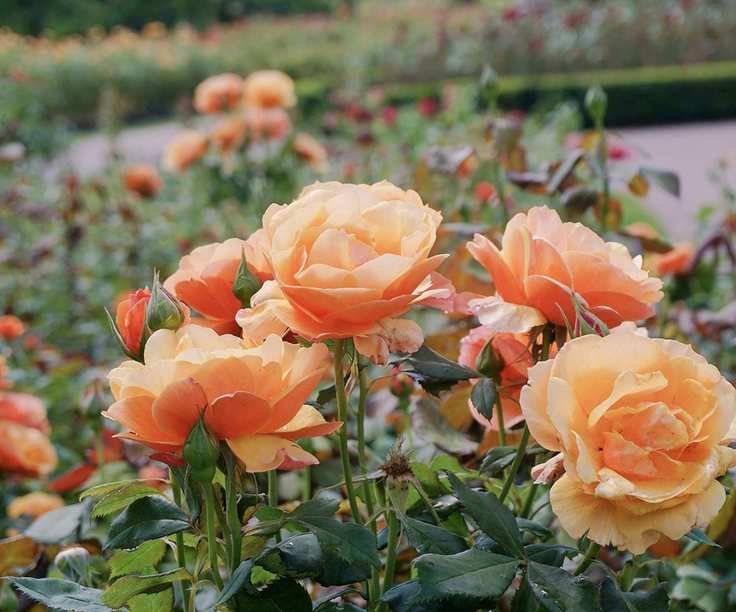
'Most care for roses should ideally be done by spring,' says Rebecca Bevan, garden researcher and author of National Trust School of Gardening (available on Amazon). 'This includes pruning to prevent congestion and mulching to nourish the soil, retain moisture, and suppress fungal spores.'
However, some tasks remain throughout the year:
Removing Dead Blooms
'Modern repeat-flowering roses bloom throughout the summer, unlike traditional varieties that bloom just once,' Rebecca explains. Proper deadheading of repeat-bloomers like climbers and hybrid teas encourages further flowering.
Pruning Techniques
Knowing when and how to prune is vital for rose health. Prune before new leaves appear to avoid harming buds and shoots, ideally in October or November, with some flexibility until February based on your local hardiness zone.
Watering Guidelines
Watering is crucial until the rose establishes itself, after which these deep-rooted plants can sustain themselves. When watering, do it in the morning and focus on the roots rather than the leaves.
Understanding when to fertilize is essential for robust growth and prolific blooms. Rosebie Morton highlights the advantages of mulching with compost or well-rotted manure for nutrients and moisture retention.
Mulching and Feeding
'Mulching around your rose's base helps protect roots, retain moisture, and provide nutrients,' she adds. 'Before mulching, add a slow-release fertilizer around the base, avoiding woody stems. Apply a few inches of mulch in spring and again in fall for best results.'
Proper watering and fertilizing help combat common rose diseases, as moisture and nutrient deficiencies can lead to issues like yellowing leaves. A recommended slow-release fertilizer is the Schultz Rose & Flower Slow Release Plant Food, available on Amazon.
Landscaping with roses offers numerous advantages, and with proper care, roses are easier to grow than many believe. While they require regular pruning and feeding, dealing with pests is manageable. With diligent care and companion planting, the rewards of beautiful blooms and enchanting scents make it all worthwhile.



