
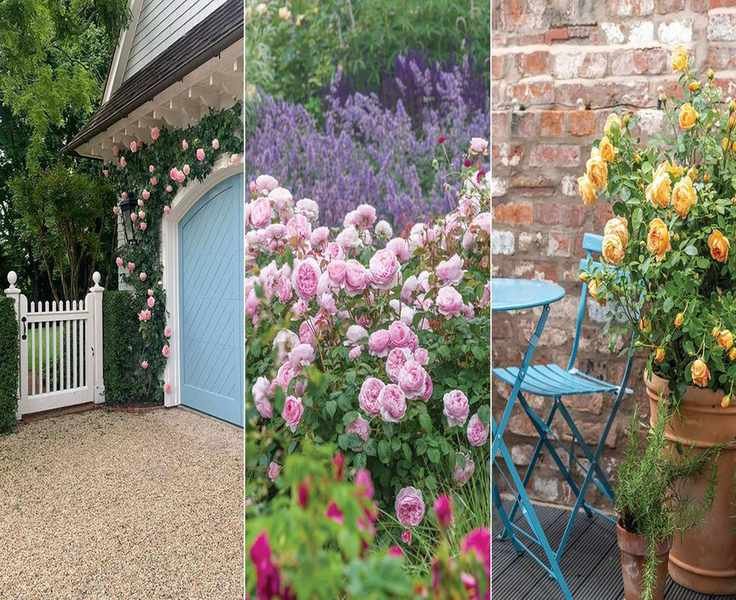
Incorporating roses into your garden adds vibrant color and delightful fragrance. These classic blooms are a timeless favorite for gardeners, providing unmatched beauty to any landscape.
Roses come in an array of varieties and colors, making them incredibly versatile for your landscaping projects. No matter how you choose to combine them, roses will always shine brightly in your outdoor design.
Regardless of your yard's size or light conditions, roses can fit seamlessly into your landscaping plans, even thriving in patio containers when space is limited. Here’s how to integrate these beautiful blooms into your outdoor space.
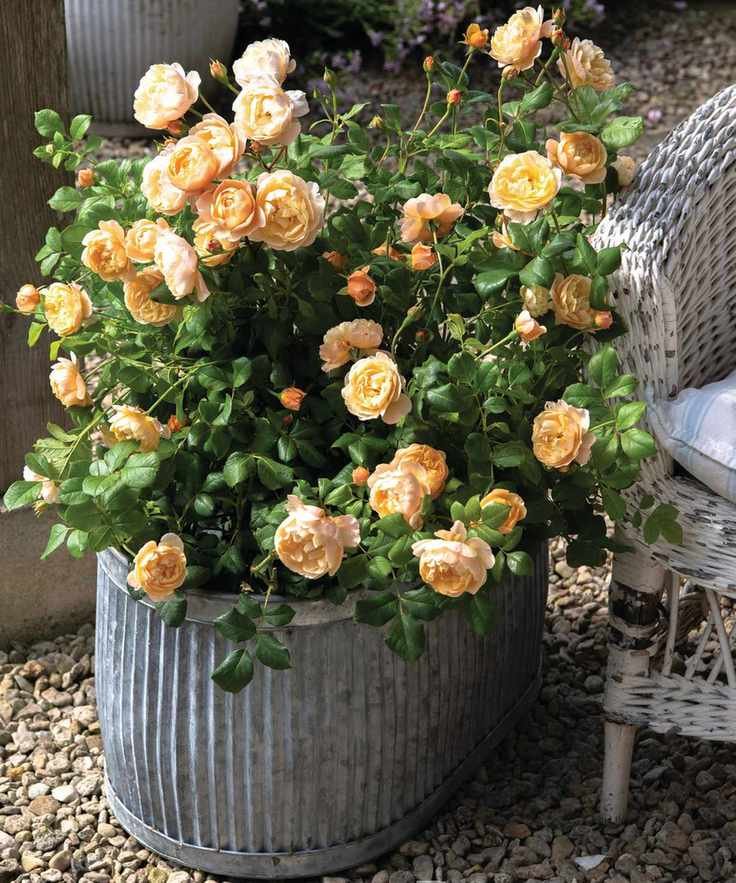
'Roald Dahl' is a charming apricot-hued English shrub rose known for its delightful fruity aroma.
8 Creative Approaches to Landscaping with Roses
“Roses are stunning additions to any garden,” shares Jac Semmler, a horticulturist and author of Super Bloom, available on Amazon. “These flowers are the queens of ornamental gardens. They can be appreciated for their singular beauty and make excellent cut flowers. They can be paired with other plants in numerous creative ways.”
We've gathered plenty of inspiration if you're designing a rose garden, whether to drape a fence with blooms or to enhance your seating area with fragrant flowers.

Jac Semmler is an experimental gardener who nurtures Super Bloom, a plant initiative that brings vibrant beauty to urban landscapes. As an educator and horticulturist, she shares her insights at events and through media.
1. Embrace Naturalistic Rose Planting
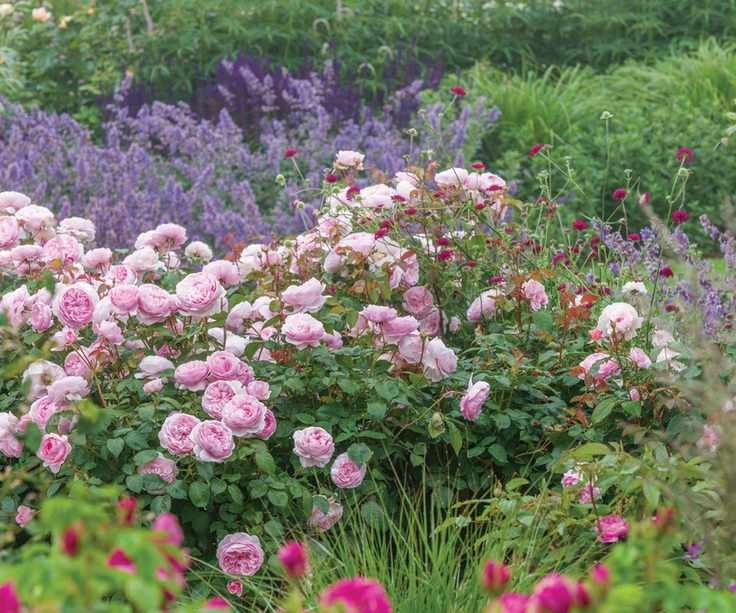
'Olivia Rose Austin' from David Austin Roses is an English shrub rose with blooms extending into the fall.
Allowing roses to thrive naturally creates a more spontaneous look in your landscape. Shrub roses, particularly older varieties, fit beautifully into informal designs, mingling with complementary plants.
What to plant alongside them? According to experts at the New York Botanical Garden, feathery catmint in shades of purple and blue-gray pairs perfectly with pale pink roses, masking any imperfections on the rose’s lower foliage. Good companions include lavender and lady’s mantle, which help conceal the rose's bare lower stems.
Roses are available in various forms, including shrubs, ground cover, climbers, and ramblers, providing numerous opportunities for experimentation.
2. Showcase Roses in Formal Designs
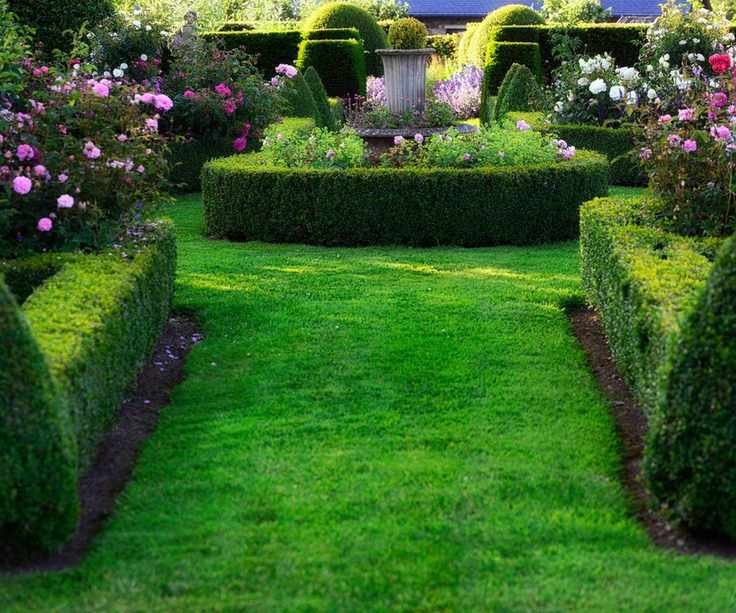
Carefully trimmed hedges create a striking contrast with roses cascading gracefully.
Structured rose bushes shine when paired with neatly trimmed topiary and hedges in a formal garden layout. Mastering the art of pruning is essential for achieving this elegant style.
For formal rose garden ideas, consider rugosa roses and hybrid teas. Their upright growth and abundant blooms provide a regal touch. Diana Cox, founder of The Gardening Talk, recommends rugosa varieties like 'Quietness' for low maintenance, and fragrant options like 'Peace' and 'Kathleen Harrop' for scented borders.
Roses can also serve as hedges. Plant a single variety to create a striking color block effect along a defined line, beautifying urban gardens or disguising fences.

Diana created her website to assist gardening novices. Growing plants since childhood, she began documenting her gardening journey recently.
3. Design a Fragrant Seating Area
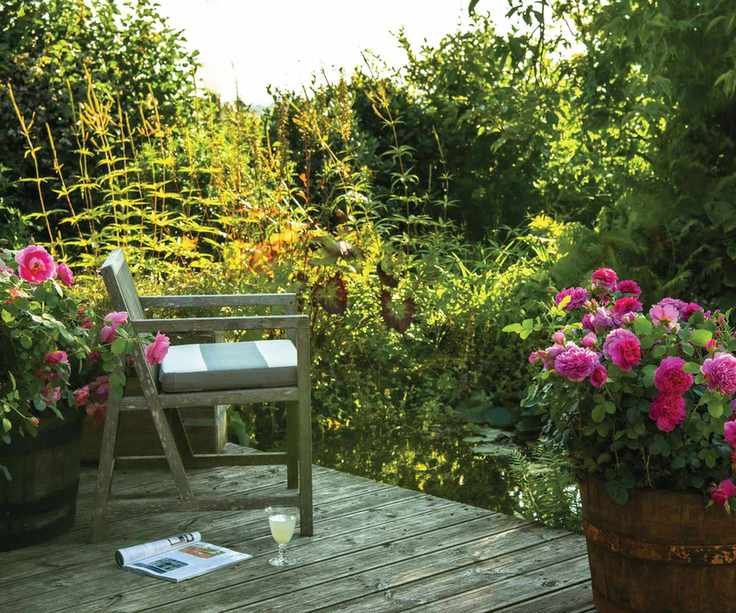
'Princess Anne' roses produce large clusters of fragrant blooms, perfect for container planting.
Every garden should have a tranquil space for relaxation, where you can fully appreciate nature. Sensory elements enhance the experience, especially with aromatic plants like roses.
If you're keen on fragrant roses, consider the English shrub rose 'Princess Anne' by David Austin Roses. There are many delightful options.
“For climbing and scent in a seating area, I recommend ‘Zéphirine Drouhin,’” suggests Miguel Camperos, VP of operations at SunVara. This dark pink rose is a strong climber, making it ideal for pergolas. It boasts a sweet, fruity fragrance.
A classic choice, Zephirine Drouhin (available at Nature Hills), delivers a stunning display when in full bloom.
4. Incorporate a Whimsical Arbor or Arch
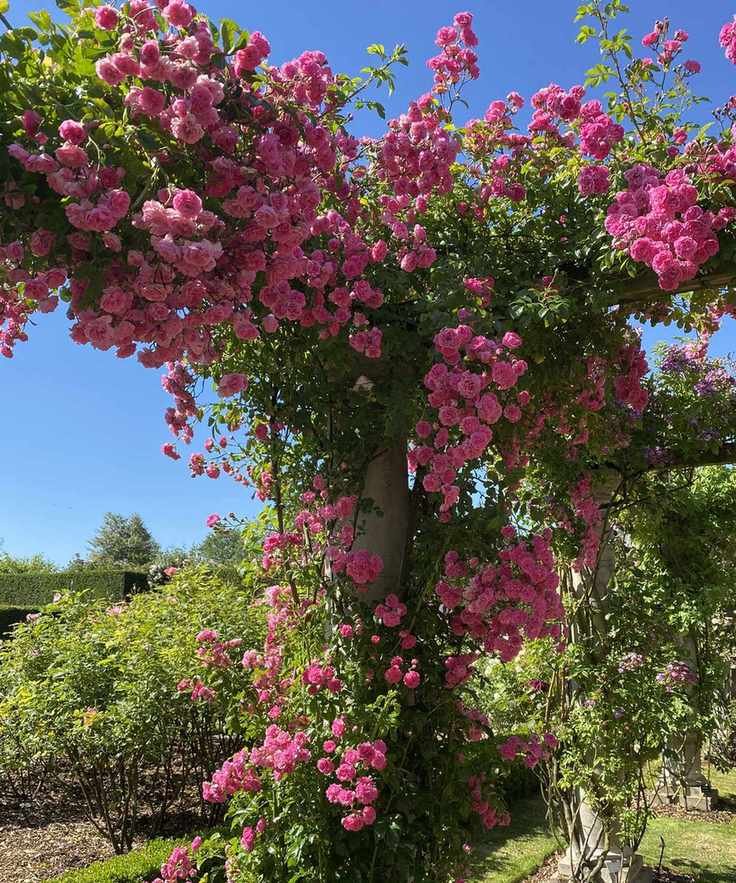
This charming arch is adorned with vibrant pink climbing roses.
If your borders are fully planted or your yard is compact, consider vertical space by adding an arbor or arch that allows roses to flourish overhead without occupying ground space.
“By bringing roses up and over, you create a lovely pathway beneath,” suggest experts at David Austin Roses. A painted wooden arch can introduce a cottage garden feel without being overly formal.
5. Conceal a Fence or Wall with Climbing Roses
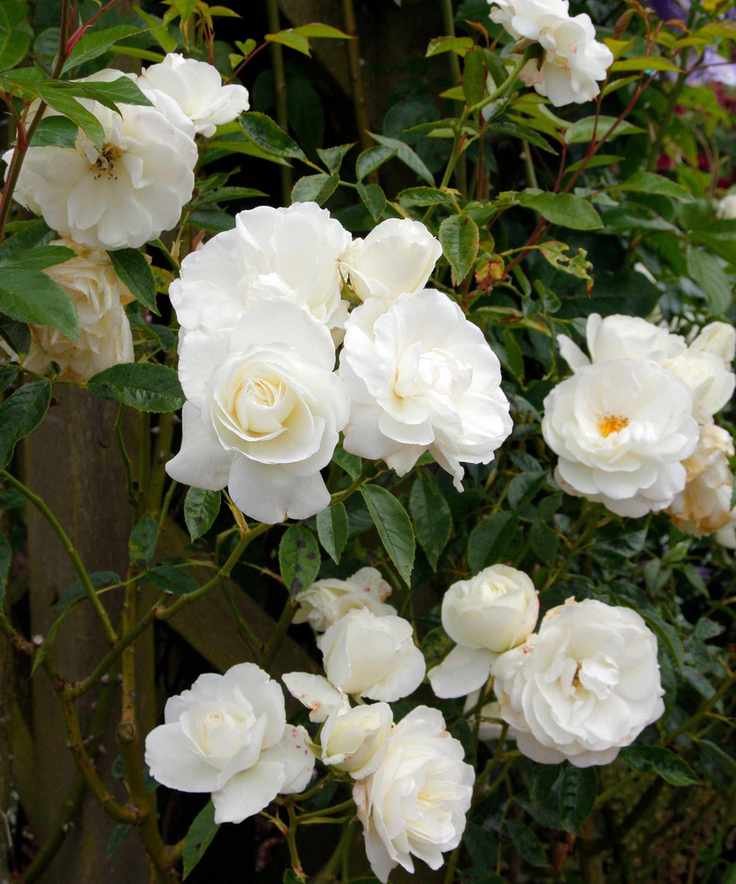
The 'Iceberg' rose is ideal for climbing over fences.
Training a climbing or rambling rose up a wall or garden fence can transform a dull area into a captivating focal point. This technique elevates the visual appeal and adds depth to your planting design.
Training climbing roses on fences or walls is straightforward and yields beautiful results. Their versatility means they can enhance any fence type, from chain link to wooden pickets.
“One of my favorites is 'New Dawn' for its performance,” says Michael Derrig, a landscape architect. He also favors 'Iceberg' and 'White Eden' for creating stunning outdoor dining spaces.
'Iceberg' is frequently praised by designers for its soft-white blooms with a hint of pink, appearing in late spring and late summer. It is easy to train and retains its foliage during winter, keeping your fence looking green. 'Iceberg' can be found at Nature Hills.
6. Use Roses in Patio Containers
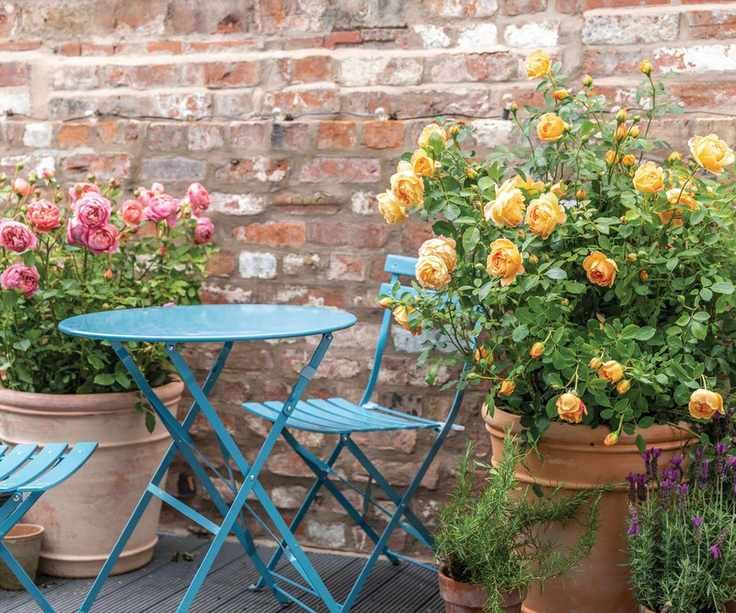
The patio rose 'Lady of Shalott' from David Austin Roses has a lovely tea fragrance with hints of spice.
Roses in containers can create an eye-catching display on your patio. Special patio roses, which are between miniature and standard sizes, often feature delightful rosette blooms and compact growth patterns.
For a modern touch, plant a single color of rose in sleek planters as a border. Other patio rose options include peach-orange 'Flower Power' and scarlet 'Marlena', available from David Austin Roses.
“For lovely aroma on your patio, try 'Apricot Drift',” advises Rebecca Rouse, a home stylist and garden enthusiast. This compact rose is perfect for container planting.
“'Apricot Drift' has one of the most beautiful fragrances—sweet yet subtle. Plus, they bloom repeatedly from spring until the first frost.” You can find 'Apricot Drift' at Nature Hills.
7. Feature Roses in a Cottage Garden
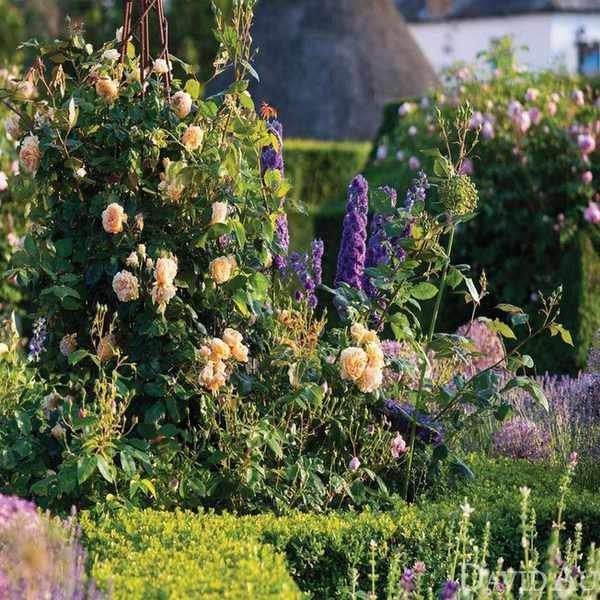
The cottage garden aesthetic thrives on roses, including the stunning 'Crown Princess Margareta' from David Austin Roses.
Fragrant, vintage rose varieties evoke a romantic charm ideal for cottage gardens. Their lush blooms and captivating scents enhance the magic.
Pair them with beloved plants like lavender, delphiniums, and foxgloves for a delightful, informal display. Position roses near seating areas, allowing you to enjoy their fragrance up close.
“For a charming cottage garden look, opt for shrub roses in clusters,” advises Diana Cox. “These roses have a sprawled growth habit and don’t require staking. 'The Fairy' is delightful with its small pink blooms, while 'Bonica' presents a stunning array of coral-pink flowers.” 'Bonica' is available at Nature Hills.
8. Frame Your Entrance or Doorway with Roses
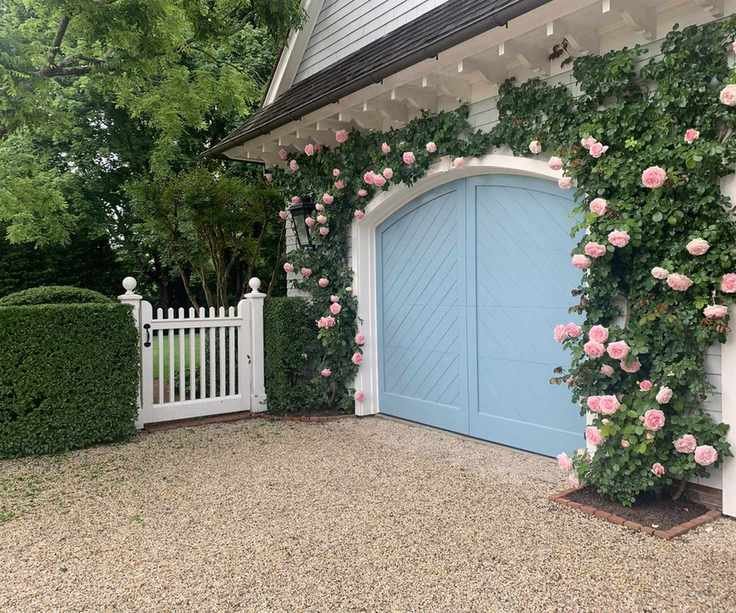
Roses beautifully frame garage doors, adding charm to any entrance.
Roses in full bloom create a stunning welcome at your front porch. To enhance your entrance’s character and curb appeal, consider planting roses to frame doorways or using them in containers.
Roses elevate any entryway, giving it a distinctive flair. When using containers, select styles that complement your home’s aesthetic for a cohesive look.
When adding roses to garden borders as part of your front yard landscaping, they will quickly adapt, making them feel like a natural part of the landscape.
If you seek more insights on landscaping with shrubs, consider this final tip from Diana Cox: “Roses bring beauty, fragrance, and structural elegance to your garden. For maximum impact, plant them in groups to emphasize focal points.”



