

Foxgloves are among the most graceful and easy-to-care-for flowers. They start with a rosette of leaves at ground level, from which tall spikes of tubular blooms emerge, opening from the bottom up. These plants can be hardy biennials, hardy perennials, or slightly shrubby varieties often grown in pots.
The flowers typically grow on one side of the stem, creating an elegant arched appearance. Depending on the variety, blooms may be large with attractive spots or smaller and more uniform. Most foxgloves bloom in spring and early summer, though some varieties flower in the summer or fall. Common colors include purples, pinks, whites, yellows, and even intriguing rusty hues, with one variety featuring orange flowers.
While foxgloves are staples in cottage gardens, they can enhance various garden styles, bringing color and height to any mixed flower bed. 'These statuesque plants suit both formal borders and light woodlands. Taller types create stunning focal points,' notes the American Horticultural Society. Newly developed varieties are often more compact and produce multiple flower spikes, offering even more vibrancy. Some modern types display flowers all around the stems, making them visually striking from all angles, and a few can bloom the same year from seeds sown in spring.
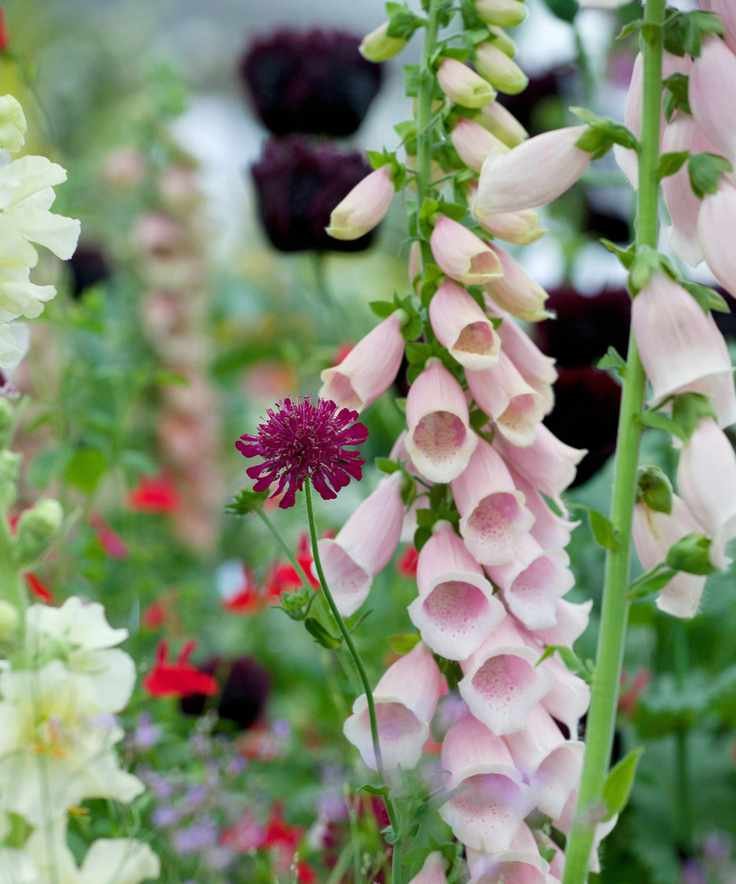
Foxgloves are ideal for planting in cottage gardens

Graham possesses extensive knowledge of horticulture, having trained at the prestigious Royal Botanic Gardens in Kew, England. He's authored over 20 books on gardening and has judged at the Chelsea Flower Show, contributing to various gardening magazines and websites. After spending 20 years gardening in Pennsylvania, he has returned to England.
Key Foxglove Facts:
- Plant type: Hardy or half-hardy biennial or perennial
- Mature size: 2-6ft
- Soil type: Well-drained, not parched or waterlogged
- Soil pH: Acid, neutral, slightly alkaline
- Time to plant: Spring, fall
- Flowering time: Spring, summer
- Flower color: All except scarlet and blue
- Hardiness zones: USDA Z3-8
- Scientific name: Digitalis
- Common name: Foxglove
Types of Foxgloves
Foxgloves are fantastic additions to flower beds, thriving in woodlands, and perfect for cutting gardens.
There are three primary types:
- Biennial foxgloves: Comprised mainly of Digitalis purpurea (USDA Z3-4), these are the most popular. Seeds are sown in summer, and rosettes keep the plants alive through winter. In spring, stems spring up, producing the largest flowers, usually purple with dark spots, though various colors exist.
- Perennial foxgloves: These include cold-tolerant, albeit short-lived, species like Digitalis grandiflora (USDA Z3). Their rosettes are dense with leaves, sending up stems adorned with small yellow, copper, and reddish brown flowers.
- Container foxgloves: Digitalis x valinii, often mislabeled as Digiplexis, are less hardy (USDA Z8) and produce vibrant orange blooms. These prolific plants flower for months without setting seeds and come in rich colors.

Beautiful yellow spikes of Digitalis grandiflora
Selecting the Right Foxglove for Your Garden
Foxgloves are simple to grow from seeds, seedlings, or plugs, and common foxgloves self-seed easily. Their tubular flowers are great for attracting nectar-seeking wildlife, making them a lovely addition to borders as part of your wildlife garden.
'Digitalis plants are classic in cottage gardens. Their flowers, ranging from creamy yellow to maroon, add height and vertical accents without needing support. Perennial types attract hummingbirds and bees, while deer tend to avoid the foliage,' experts from Bluestone Perennials advise.

Foxgloves enhance mixed flower beds beautifully
For wild gardens in partial shade or sunny mixed borders, biennial foxgloves are perfect. Modern varieties like Dalmatian and Camelot Series are shorter at 2-3ft, with better branching and more flowers.
For sunny mixed borders or perennial gardens, consider Digitalis grandiflora or longer-lived Digitalis lutea. For outdoor containers, modern biennial or Digitalis x valinii varieties are ideal. Though less hardy, they offer exotic colors and long blooming seasons. Look for options like the Illumination Series or Foxlight Series, and move pots to sheltered areas in winter.
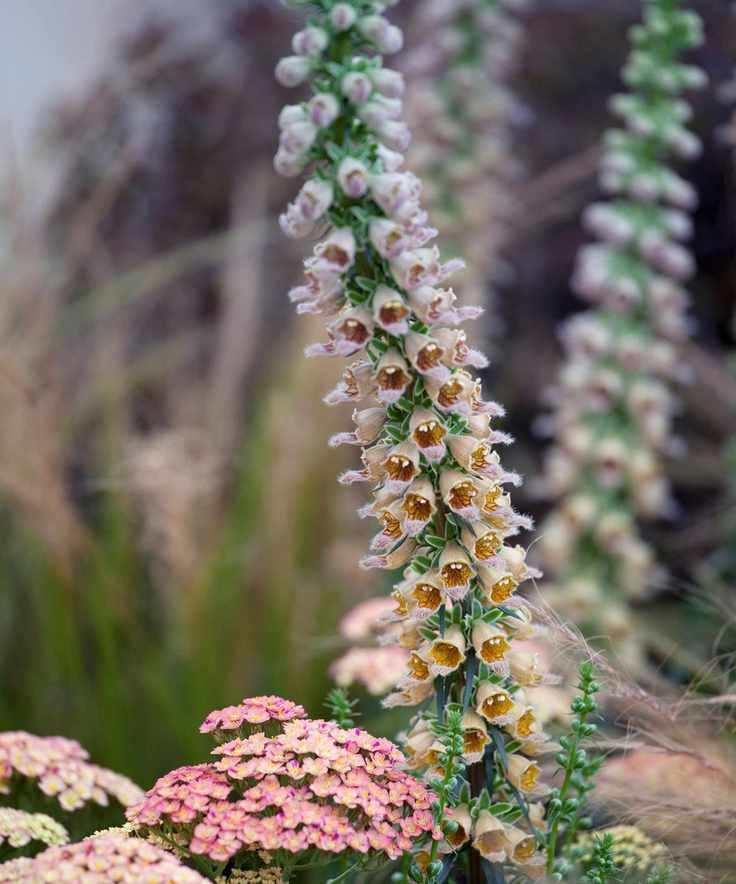
Digitalis ferruginea, also known as rusty foxglove
When and Where to Plant Foxgloves
Planning is essential for growing foxgloves, as biennial types won't bloom until their second year. To encourage self-seeding, plant common foxgloves over two consecutive years.
In their first summer, biennial foxgloves focus on foliage and root development, remaining dormant through winter, then blooming in early summer.
Foxgloves, like many biennials, flower early in summer, filling the gap between spring bulbs and summer annuals.
Mail-order suppliers often ship plants according to your hardiness zone; if not, request delivery for spring or fall. Digitalis x valinii should only be planted in spring.
Foxgloves require no special planting techniques; ensure soil is fertile and well-drained, amend with quality compost as needed, and water until established. Container soil should also drain well, with pots elevated on feet to allow excess moisture to escape.
Plants in bloom may need staking to prevent wind damage, which can be done with bamboo canes and twine.
Most foxgloves thrive in full sun or partial shade, although older varieties like 'Excelsior' may require sunlight to avoid falling over. Generally, they tolerate more sun in cooler areas and prefer shade in warmer climates.
Water newly planted foxgloves for the first few months to help them root. Once established, they typically only need watering during dry spells.

Add height with lovely foxgloves to your planting scheme
Growing Foxgloves from Seed
Foxgloves are straightforward to grow from seed, often more economical with a wider variety available.
Seeds can be scattered directly in your garden, but for better success, consider starting them indoors in quality seed compost.
- For indoor sowing, use seed trays under cover in a greenhouse, propagator, or a sunny windowsill from late winter to mid-spring. Use moist seed compost but avoid covering the seeds, as they need light to germinate.
- Keep them in a sunny, sheltered spot and ensure they are well-watered. Germination typically occurs within 14 to 21 days.
- When seedlings become crowded, they can be pricked out into 3-inch pots.
- In early fall, plant them in their flowering positions.
- Water regularly for the first few months after planting.
If sowing directly outdoors, prepare the soil finely and plant in early summer to allow proper growth during the season. Thin seedlings to 12 inches apart.

Raising new plants from seed is simple
Container Gardening with Foxgloves
Many foxgloves thrive in larger pots, and there are dwarf varieties available as well.
Two main types excel in containers for sunny and partially shaded areas.
In full sun, tender container foxgloves, like Digitalis x valinii, make excellent specimens. They grow 2-4ft tall, branching from the base, sporting dark green leaves and vibrant flowers in rich hues. Ensure good drainage and feed well, especially in winter.
For shaded spots or cooler regions, modern biennial varieties like the Camelot and Dalmatian Series (3-4ft) are shorter, branching more prolifically for a longer-lasting colorful display, although they die after blooming.
'When growing foxgloves in pots, use quality compost and feed regularly with a slow-release fertilizer or liquid feed. Avoid letting the plants become pot-bound or overwatered. Cutting spent flower stems encourages new growth,' advises Mary Baker.

Container foxgloves suit both sunny and shady conditions
Care Tips for Foxgloves
All foxgloves benefit from deadheading. This not only prevents seed formation, encouraging repeat blooms, but also reduces the number of self-sown seedlings from biennials.
Tall varieties may require support, especially in windy areas. Canes and twine work well and can be reused the following season. Container plants can use grow-through wire supports.
Container plants need regular watering and fertilization, as they thrive when well-fed. Stop feeding in the fall.
After flowering, cut back biennial foxgloves, compost the remains, and trim hardy perennial types to just above their foliage rosettes.
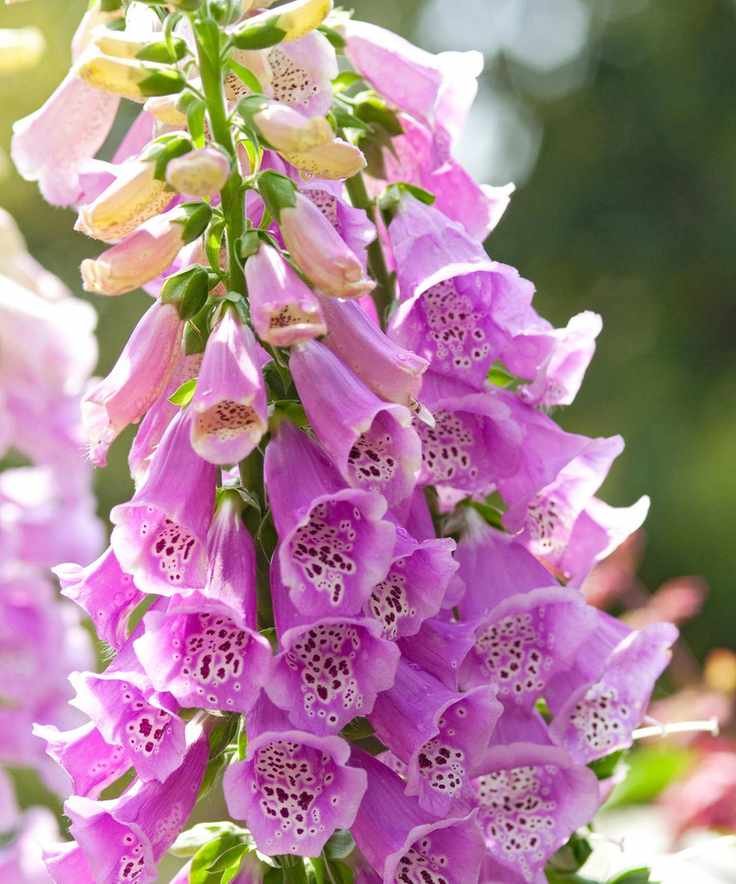
Large blooms of D. purpurea, a true biennial foxglove
Propagating Foxgloves for Free
Biennial foxgloves shed seeds if not deadheaded promptly, leading to new plants appearing, sometimes in abundance. These can be relocated in late summer or early fall. You can also collect seeds. Cut the stem with seed capsules, place it in a paper bag, and the seeds will fall out once dry, ready for storage. Sow the seeds in pots for later planting in summer or fall.
Perennial foxgloves can also be started from seeds collected from your plants.
Some perennial foxgloves can be divided and replanted in spring. While shorter-lived types like Digitalis ferruginea may not thrive after division, longer-lived varieties like Digitalis lutea respond well.
Digitalis x valinii plants are sterile, producing no seeds and cannot be divided, requiring replacement every few years.

Collecting seeds from your plants is a great way to increase your foxglove collection
Common Foxglove Issues and Solutions
Foxgloves generally face few pests or diseases, but there are two main concerns: an abundance or lack of plants. The first can be addressed, while the second cannot.
Biennial foxgloves produce vast quantities of seeds, with one plant capable of generating two million seeds in a season. Even a small percentage sprouting can lead to an overwhelming number of plants. The key is deadheading. Monitor the seed pods at the base of the flower spikes, and when they turn brown and open, cut off the entire spike to prevent seeds from dispersing.
On the other hand, container foxgloves do not produce seeds, which is why they bloom so profusely. They cannot be divided or propagated in other ways, necessitating the purchase of new plants for pots or planter boxes.

Regular deadheading will prevent unwanted seed spread
Do Foxgloves Return Each Year?
Some foxgloves come back every year.
Hardy biennials, like Digitalis purpurea and D. purpurea f. albiflora, produce foliage and roots in the first year, then flower and set seed in the second year before dying back. Because they self-seed readily, they can act like short-lived perennials.
Perennial species, such as Digitalis grandiflora, bloom later in summer and return annually, lasting three to five years.
'Foxgloves are often misunderstood; many believe they are biennials. The species come true from seed, while biennials cross-pollinate. Their ability to set seed allows breeders to create hybrids that bloom in their first year and may continue for a couple more. While many self-seed, they rarely replicate the parent plant,' explains Mary Baker.

Do Foxgloves Spread Easily?
Many foxgloves spread readily by setting seeds, allowing you to fill a bed with them in just a few years. Gardening expert Monty Don describes foxgloves as 'welcome weeds' for this reason.
If you wish to control their spread, deadheading before seed set is effective. If you desire more flowers, let them self-seed. Alternatively, you can collect seeds for sowing in trays.
If seedlings appear, they can be easily transplanted to other areas of the garden. 'We collect seedlings and move them to chosen spots, preferably in light shade. As with all biennials, do this in the fall or late winter,' Monty Don notes in his book The Complete Gardener: A Practical, Imaginative Guide to Every Aspect of Gardening, available on Amazon.
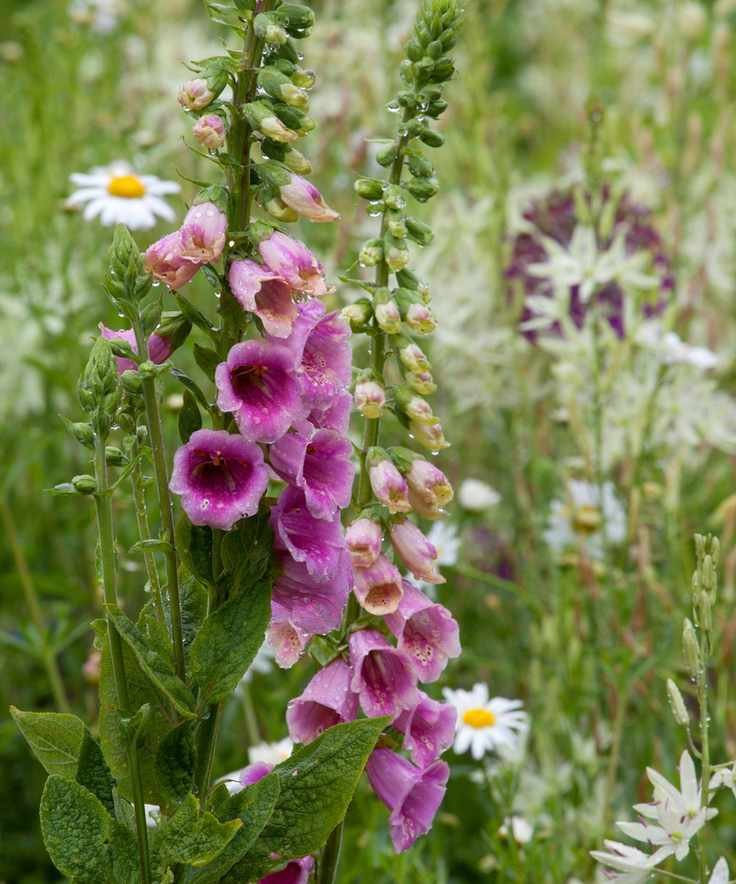
Foxgloves can spread, but there are ways to manage this
Can Some Foxgloves Flower in Their First Year from Seed?
Yes, certain modern foxglove varieties have been bred to flower in their first year after sowing seeds in late winter.
Look for Camelot Series (available in four colors and a mix), Dalmatian Series (five colors and a mix), and 'Panther' (rich pink).
Foxglove seeds are very small, so some suppliers encase each seed in a small pellet, simplifying handling. Sow on the surface of seed-starting mix, water well but do not cover.
Are Foxgloves Poisonous?
Foxgloves are toxic to dogs and other animals as well as humans, but they generally aren't appealing for consumption.
All parts of foxgloves, particularly biennial Digitalis purpurea, contain chemicals affecting the heart. Symptoms of ingestion include nausea, vomiting, low pulse, confusion, blurred vision, loss of appetite, and potential cardiac arrest. Interestingly, these same chemicals are utilized by cardiologists for treating certain heart conditions.
Despite their toxicity, the plants are unappetizing, making them safe for gardens, as animals instinctively avoid them.
Are Foxgloves Resistant to Deer?
Yes, biennial foxgloves are among the most deer-resistant plants, rated as 'rarely damaged' by experts at The New Jersey Agricultural Experiment Station. Hardy perennial types are somewhat less resistant, labeled 'Seldom Severely Damaged.'
If food is scarce, deer may nibble on biennial foxgloves, but they usually prefer other options.
Are Foxgloves Invasive?
Biennial foxgloves, Digitalis purpurea, are safe to plant in many regions, yet they've spread beyond gardens into wild areas in the west, including British Columbia and the northeast. They are noted as invasive plants in parts of California, though their impact on native vegetation is often minimal.
Where and How to Buy Foxgloves
There are three main ways to acquire foxgloves.
Biennial foxgloves can be purchased as seeds, plug plants via mail order, or as potted plants at retail locations.
Perennial foxgloves are typically available in pots through mail order or occasionally at retail. Container varieties are mainly found in pots, often through mail order, although some upscale retailers carry them.
Most foxgloves grown are biennial varieties from seeds, but using fresh seeds from a reputable seed company yields better results. Biennial types may also be available in bloom at local nurseries.
Perennial foxgloves are more reliable when grown from seed, but they also thrive when purchased as plants. Mail-ordered plants typically arrive in spring or sometimes in fall for immediate planting.
Container foxglove plants are sent in spring for planting in larger pots after your area's last frost.



