
Understanding how to lay a patio is valuable, whether you take on the task yourself or hire someone. It helps you visualize the changes in your outdoor area.
If you're reimagining your yard, a patio might be the perfect focal point. This outdoor extension often connects to your home, creating a relaxed dining and gathering space.
There are plenty of patio concepts that cater to various styles and budgets. Even a compact yard can be transformed into a stunning area.
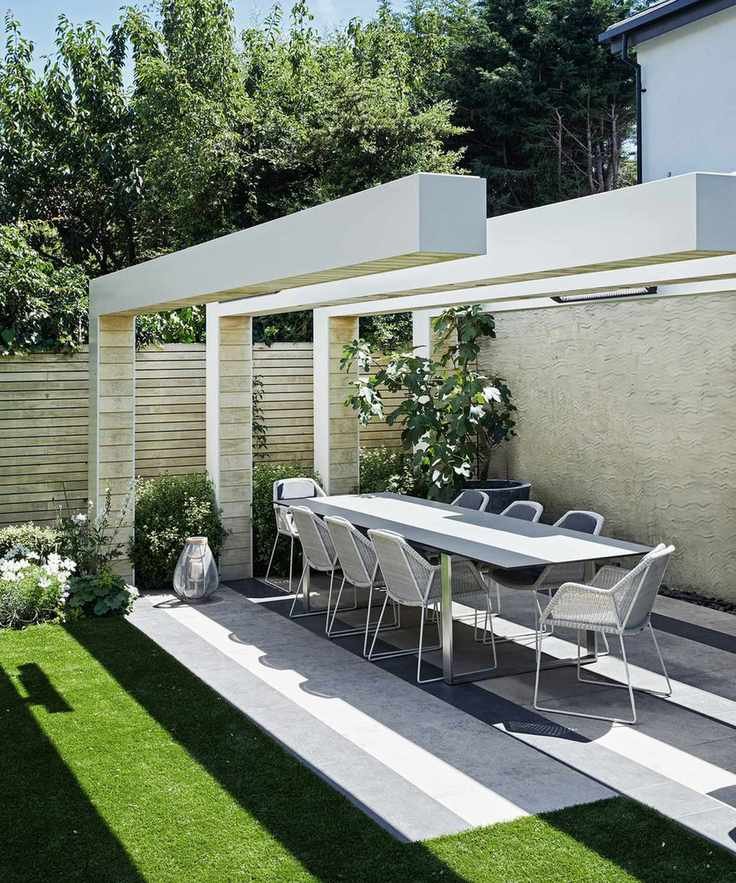
Once you're set on a patio, consider three key steps for laying it down: Planning, preparation, and paving.
Our straightforward patio-building guide has detailed insights into each stage, helping you bring your vision to life.
Steps to Lay a Patio
Laying a patio demands attention to detail and patience. Following the steps below will ensure a polished end result.
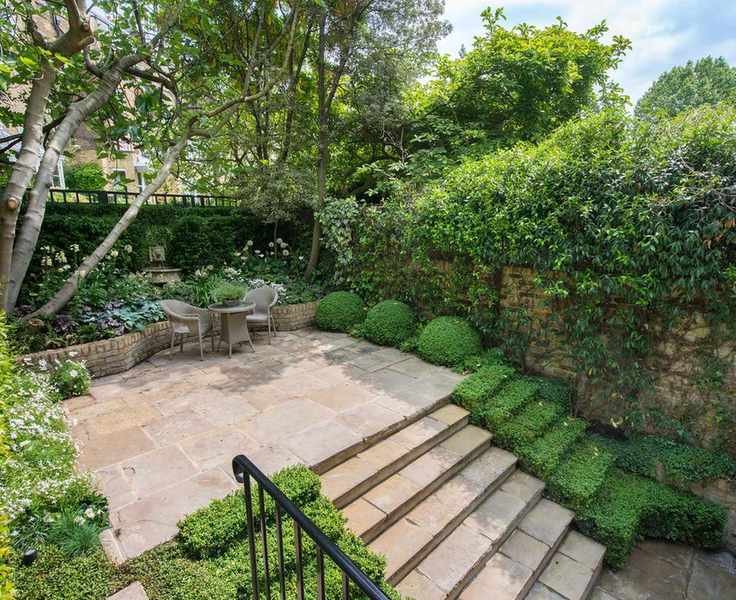
Materials Required:
- Hardcore (a sub-base that prevents sinking)
- Bedding mortar
- Cement
- Building sand
- Paving slabs
1. Draft a Patio Plan
Use graph paper to sketch a scale layout of your patio. Alternatively, online planning tools can help you design your space easily.
Having accurate measurements allows you to order the right amount of paving slabs. If you're considering features like a pergola, account for the space it will occupy. Many stores now offer online calculators for material estimates. If shopping in-person, staff can assist with your order.
2. Dry Lay the Slabs
Before finalizing your arrangement, dry lay the slabs to ensure a proper fit.
This step is crucial for more intricate patterns. If everything looks good, snap a few reference photos before moving the slabs again.
3. Mark the Patio Area
Utilize landscaping stakes, a tape measure, and builders string to outline your patio area, ensuring corners are squared with a builders square. If adjacent to your home, allow for a slight slope to direct water away.
4. Prepare the Base
Clear any existing grass or plants, then dig down about 3-4 times the depth of the slabs, based on how they'll be set.
If your slabs are 3" deep, dig down to 9" for a sand and gravel base, or 12" for a mortar base.
Pro tip: Check with paving suppliers for recommended base depths, as they might differ.
5. Establish the Patio Base
Spread the hardcore evenly with a rake, then compact it using a tamper or plate compactor, which can often be rented from large home improvement stores.
6. Set the Paving Slabs
For mortar installation, apply a section of wet bedding mortar in the top left corner, set the slab on it, and level it.
If adjustments are needed, gently tap with a rubber mallet. Maintain a 1cm gap between slabs, or use paving spacers for consistency.
Continue this process, checking levels against adjacent and below slabs.
7. Fill the Gaps
Use a 4:1 sand and cement mix to fill the spaces between slabs, adding a small amount of water to dampen it.
Employ a pointing trowel to pack it into the gaps, then clean any excess and sponge down the slabs. Allow at least 24 hours before proceeding.
8. Add Finishing Touches
This is your chance to personalize your patio with planting ideas, furniture, and decorative elements.
Consider incorporating metal accents for style. Designer suggestions include variegated copper planters or metal sculptures; they contrast beautifully with greenery.

What's the Cost of Building a Patio?
The overall cost of a patio can range from $7.5K/£6K to $32K/£25K, influenced by size and project scope, with labor and materials typically split 60/40, according to a design director.
Preparation is crucial; correct levels and foundations ensure longevity for your patio.
To save on costs, focus on purchasing quality materials rather than skimping on preparation, as good paving can range from $38-$90 (£30-£70) per m2.