
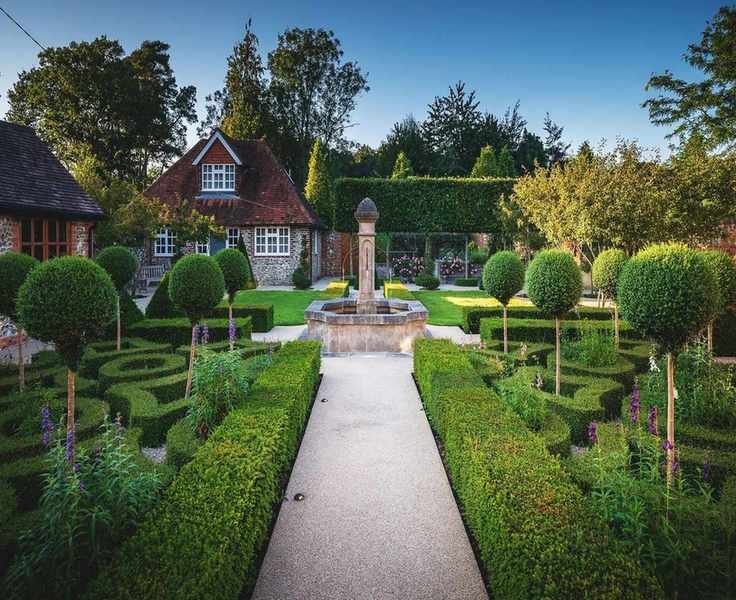
Formal garden design suits various outdoor settings, from small urban spaces to expansive rural retreats.
These gardens, regardless of their size, should include specific key features to enhance their sophistication.
When planning a formal garden, consider the layout and design carefully. Experts share their insights on essential elements to consider.
Key Elements of Formal Garden Design
"Approaching the layout of a formal garden requires thoughtful consideration of local character, site conditions, and desired outcomes," states a garden design expert. "The design must serve your needs as well, ensuring it doesn't lose its purpose amidst its formality."
"Paths should be broad enough, seating must be proportionate, and the garden should reflect its surroundings through careful choices in planting and materials," emphasizes another designer.
1. Embrace Symmetry
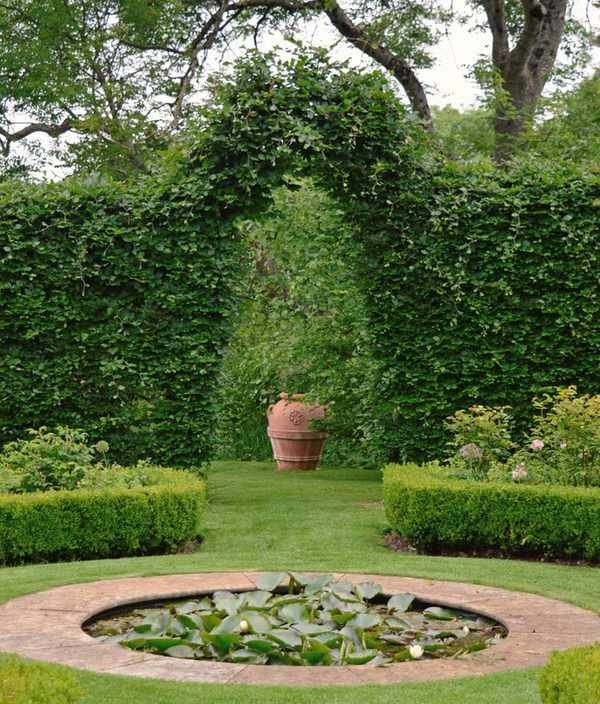
Symmetry plays a crucial role in formal garden design. "Start with the lines of your home to establish a formal garden layout," advises a garden designer. This clear structure cultivates rhythm, a vital aspect of formal gardens.
Ensure the patterns fit the available space. "Consider scale and proportion; sketching designs can help visualize the outcome," another expert adds.
While symmetry is often key, asymmetrical designs can introduce interesting dynamics. However, achieving balance remains the primary goal.
2. Use Topiary and Evergreens for Framing
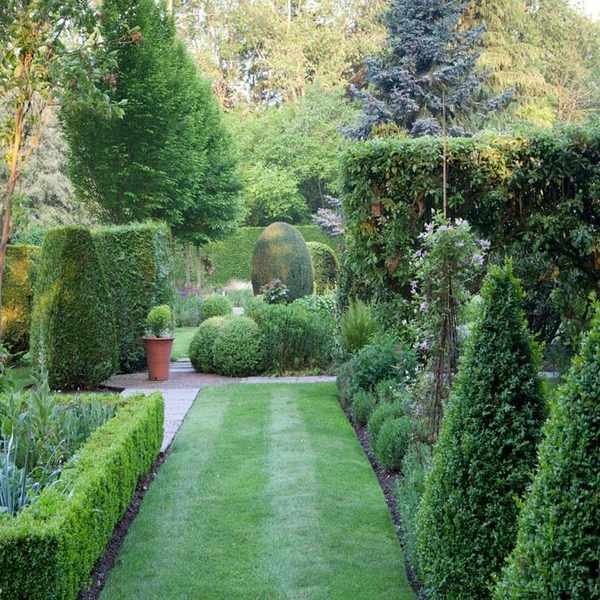
Structural plants like fast-growing hedges and evergreens form the backbone of formal gardens. Suitable choices include yew, beech, and hornbeam.
"These plants can frame your design effectively. Incorporating clipped topiary and pleached trees enhances cohesion across the space," agrees a renowned garden designer.
Given challenges like box blight, alternatives such as Ilex crenata and rosemary can be used for topiary. "Introducing shapes at focal points adds height and classical appeal," notes another designer.
3. Create a Parterre
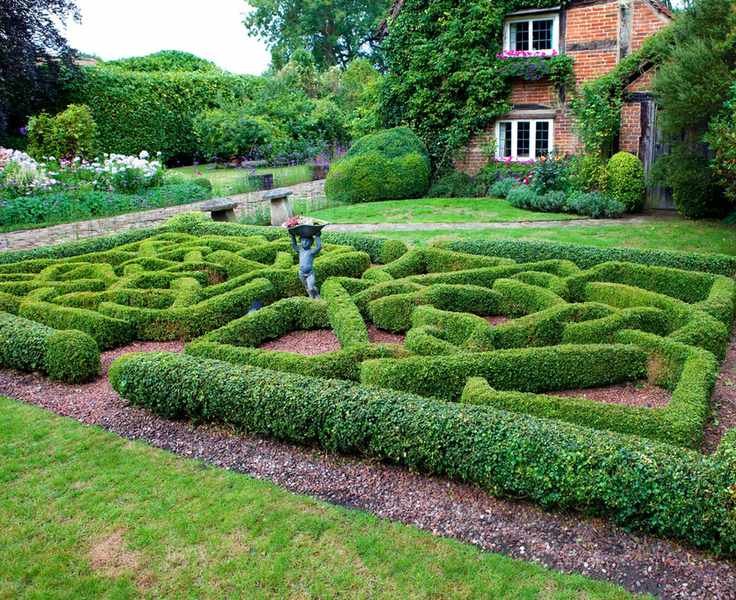
Parterre gardens are a hallmark of formal design, featuring strong, repetitive patterns. While traditionally styled, they can also embrace contemporary elements.
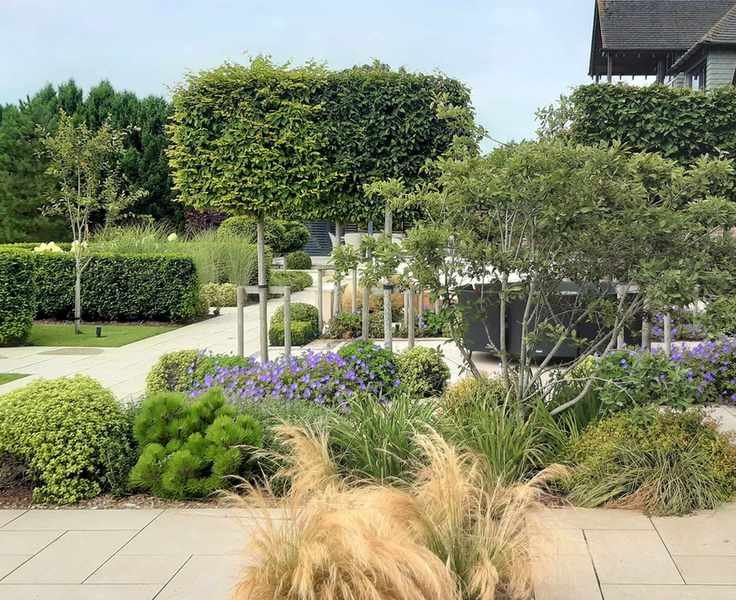
In modern designs, topiary and diverse planting can create striking contrasts. Utilizing evergreen hedges for spatial divisions alongside softer plants enhances the overall aesthetic.
4. Blend Formal and Informal Planting
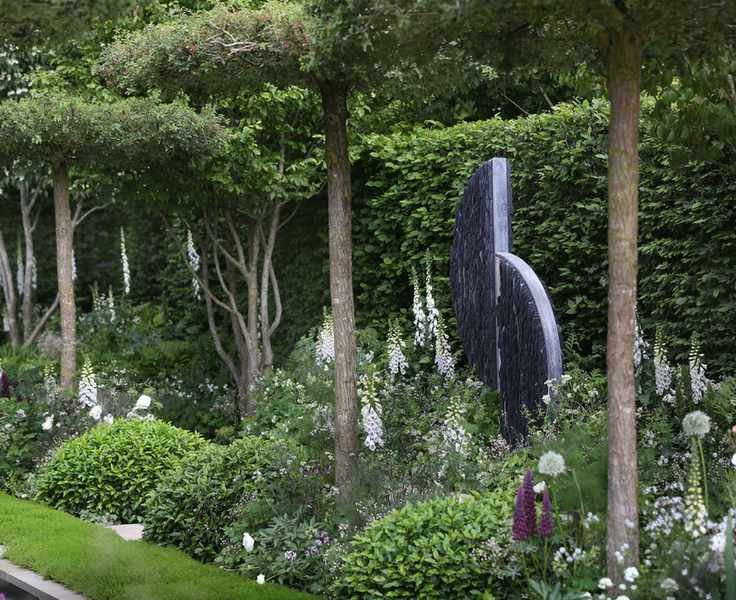
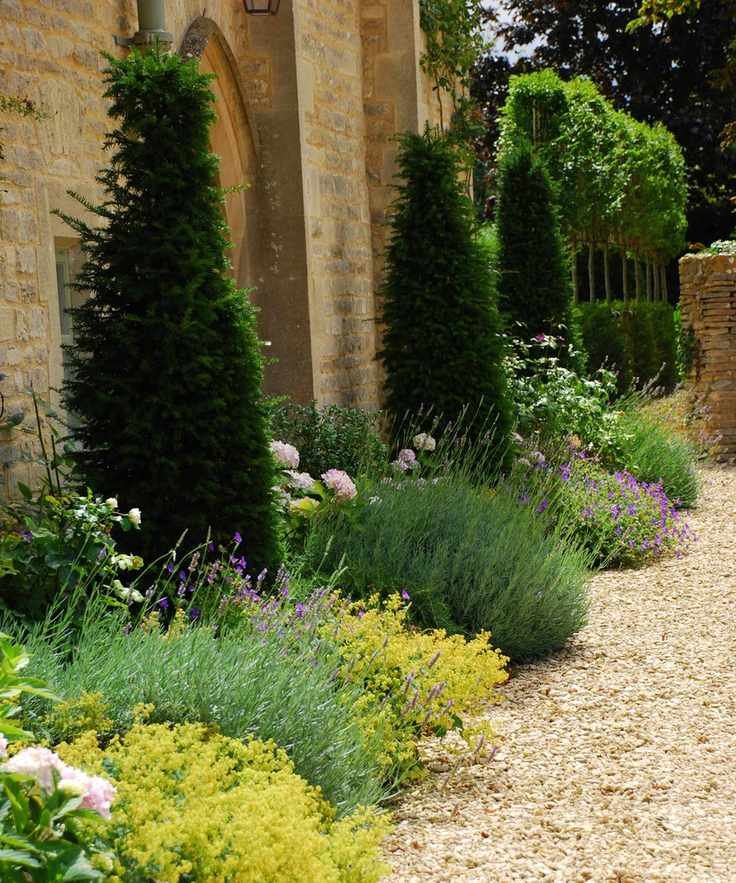
Combining formal and informal planting styles can create visual interest. For instance, allowing wildflowers to grow near clipped hedges can produce a stunning look.
This approach can soften the rigid lines of formal planting, allowing for a more natural transition into less structured areas.
In a recent design, evergreen shapes were artfully paired with popular cottage plants, creating a harmonious palette.
5. Opt for Long-Flowering Plants
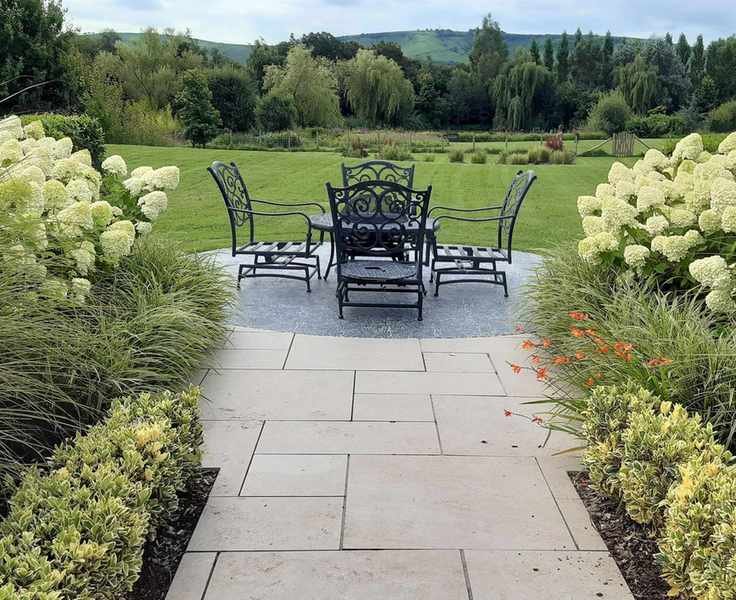
Select long-blooming plants that require minimal maintenance, contributing both beauty and ecological benefits. Incorporate perennials like Nepeta and Alchemilla for extended interest.
Infill plants should also be chosen for their long flowering seasons, ensuring the garden remains vibrant.
6. Keep Color Schemes Simple
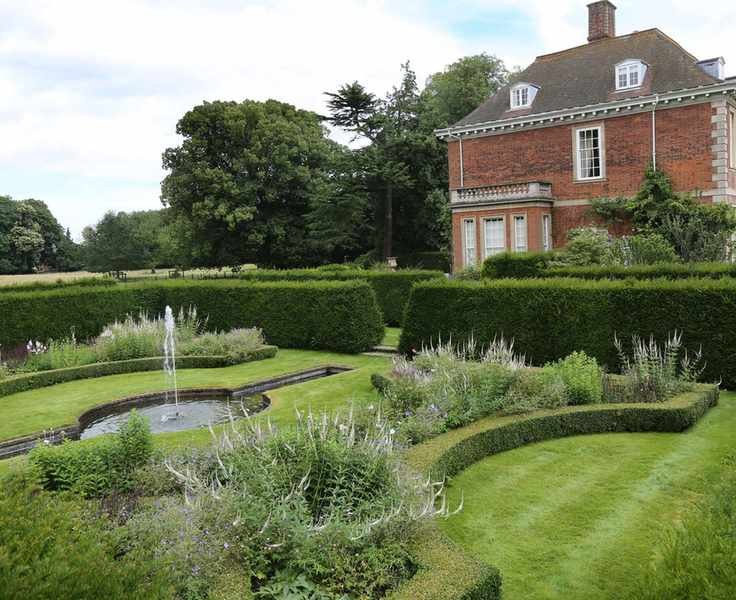
A cohesive color scheme enhances the tranquility of a formal garden. A limited palette, comprising whites and soft blues, can create an elegant atmosphere.
While greens dominate, a careful selection of vibrant colors can also be effective. Repeating colors and plants fosters a sense of unity.
7. Select Complementary Hard Landscaping
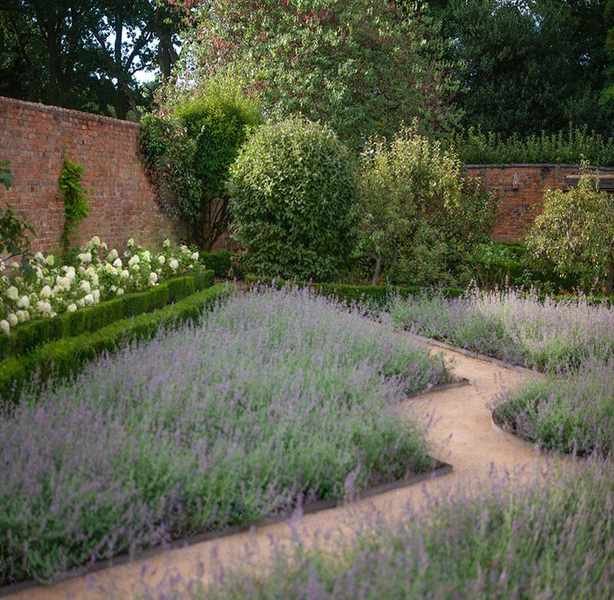
Choose hard landscaping materials that create continuity between your home and garden. It's essential to select materials that align with the architectural style of your property.
Whether using brick pathways or natural stone, maintaining a cohesive aesthetic is vital.
8. Incorporate Focal Points
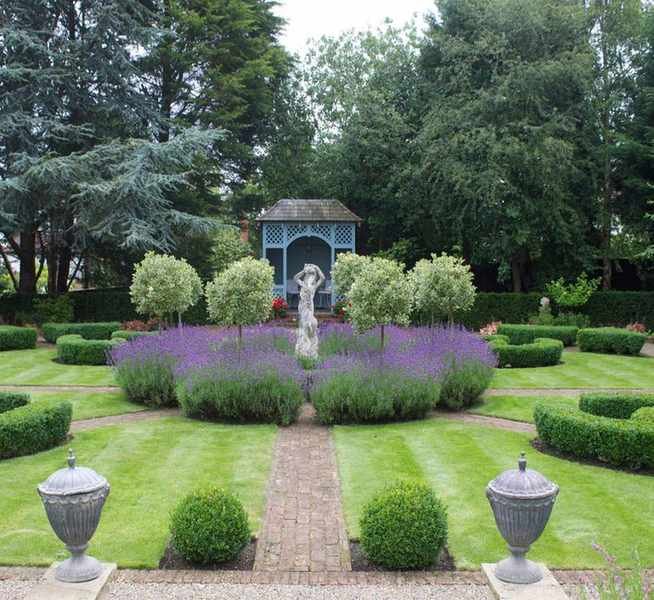
Focal features, such as water elements, sculptures, or seating areas, are integral to formal garden designs. Planting schemes should frame these features, guiding the eye and enhancing the overall impact.
What Defines a Formal Garden?
A formal garden emphasizes balance, symmetry, and clear lines, whether geometric or curved. Key elements include topiary, evergreen structures, and focal points that enhance the garden's architectural presence.
What Plants Are Commonly Found in a Formal Garden?
Evergreen plants provide essential structure, while seasonal plants are selected for their long blooming periods. A restrained color palette is typical, ensuring year-round visual interest.



