
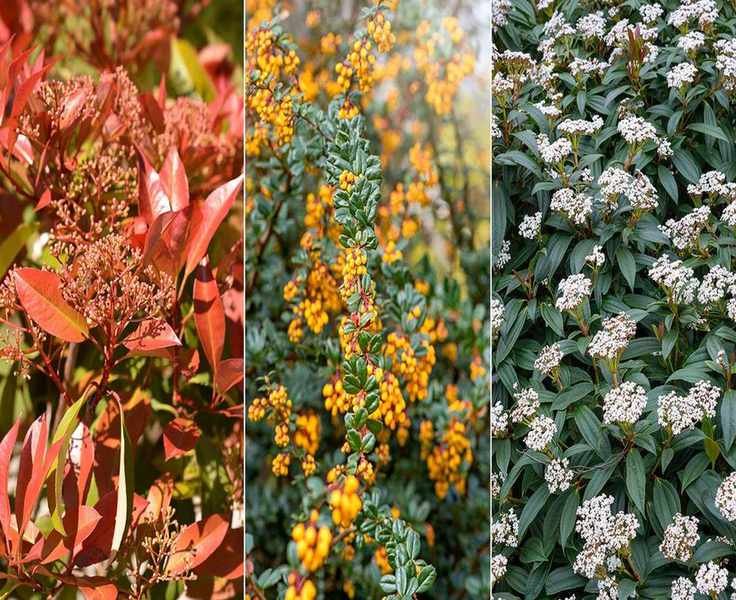
When selecting dependable landscaping shrubs, it's essential to assess the specific conditions of your area. Consider factors like sunlight exposure, shaded regions, nearby trees, and water availability.
Next, reflect on your design preferences and the intended role of the shrubs in your landscape. Think carefully about the colors and textures you wish to incorporate, whether you seek shrubs for structural interest or contrasting elements. Additionally, consider their flowering times and seasonal appeal. Do you prefer shrubs that shine for a brief moment or those that continually evolve throughout the year?
For a dynamic landscape, consider planning for a succession of blooms—from spring flowers to summer displays, and culminating in stunning fall colors. Don't overlook the aesthetic appeal of berries and evergreen shrubs that provide winter interest, tying your landscape together. And importantly, are you aiming to attract pollinators and wildlife for added charm? Fortunately, many versatile shrubs can fulfill all these criteria, offering great value. Ultimately, the right choice of landscaping shrubs can significantly enhance your garden.
10 Landscaping Shrubs for Various Spaces
When picking landscaping shrubs, consider whether you prefer a standout specimen as a focal point or a mass planting for a lush effect.
Whether you're looking for a shade-loving shrub, a fast-growing option for privacy, or a fragrant flowering shrub to enhance your seating area, our selection has something for everyone.
1. Spirea x vanhouttei (Bridal Wreath)

Spirea x vanhouttei
- Ideal for: Informal hedges and mixed shrub borders
- Height: 6-8ft
- Spread: 4-6ft
- Hardiness: USDA 4-8
Spireas are incredibly adaptable shrubs, featuring a profusion of early summer blooms that attract pollinators and often exhibit attractive fall foliage. There are numerous cultivars available to match various garden needs. One of the most popular is Spirea. x vanhouttei, a top choice at Nature Hills.
With cascading branches adorned with small white flowers in late spring and early summer, it looks stunning cascading over a plain fence.
There are many other compact spirea varieties to consider, such as 'Goldflame' (available at Nature Hills) for its golden-tinted foliage or the pink-flowered 'PowderPuff' (also from Nature Hills) suitable for containers or the front of borders. Most spireas thrive in various soils under full sun to partial shade and require minimal pruning.
2. Nerium oleander

Nerium oleander
- Ideal for: Coastal landscapes and informal flowering hedges
- Height: 10-18ft
- Spread: 8-12ft
- Hardiness: USDA 9-11
This evergreen shrub boasts stunning, long-lasting summer flowers in white, pink, and red, making it perfect for informal hedges and popular in public landscaping.
These low-maintenance shrubs withstand drought, heat, wind, and salt, requiring minimal care and typically remaining pest-free. However, they may need winter protection in colder regions.
While they thrive in mass plantings, oleanders can also be pruned into a small tree shape for formal landscaping. Caution is advised, as all parts of the plant are toxic, so avoid planting near play areas.
3. Photinia x fraseri

Photinia 'Red Robin'
- Ideal for: Evergreen hedges and boundaries
- Height: 12-15ft
- Spread: 8-10ft
- Hardiness: USDA 7-9
If you're looking for a distinctive evergreen privacy shrub, consider the striking red-tinged photinia 'Red Robin' or 'Red tip'. Its vibrant coppery red spring growth transitions into classic dark green foliage.
Featuring white flowers in spring, this shrub serves as an attractive boundary option with an average growth rate. Regular pruning in spring and summer maintains a formal hedge, or annual trimming results in a more relaxed appearance.
4. Hebe
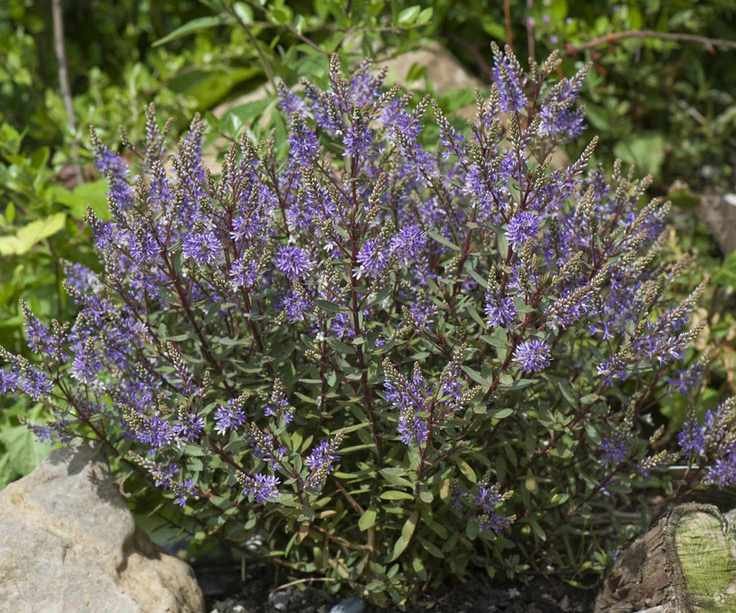
Hebe 'Caledonia'
- Ideal for: Low, informal hedges and coastal gardens
- Height: 3ft
- Spread: 3ft
- Hardiness: USDA 8-11
Compact hebes are excellent for smaller gardens. With small evergreen leaves and attractive, long-lasting flowers that attract pollinators, they offer seasonal interest and are easy to maintain. They adapt well to most well-drained soils but may grow leggy if not exposed to full sun.
Many varieties are available, featuring leaf colors ranging from gray-green to purple-tinged (like 'Caledonia') or cream-variegated (such as 'Silver Queen'), and flower colors from white to purple. They look stunning planted in groups or as standalone specimens to provide structure and color in mixed borders.
5. Euonymus fortunei

Euonymus fortunei 'Emerald n Gold'
- Ideal for: Medium-height screening and evergreen contrast in borders
- Height: 6in-6ft
- Spread: 20in-5ft
- Hardiness: USDA 6-9
Euonymus is a fantastic evergreen option, featuring small leaves suitable for various locations.
They come in numerous color variations, from golden-green ('Emerald n Gold') to cream-edged ('Silver Queen') and variegated ('Golden', available from Fast Growing Trees). Some have an upright growth habit, while others spread out or grow low to the ground.
Use them for hedging or as contrasting elements in sunny or partially shaded borders. Uncommon options include the low-growing E. fortunei 'Kewensis', which forms sculptural waves if unpruned, and 'Silver King' (available from Nature Hills) for upright hedging.
6. Pittosporum tenuifolium
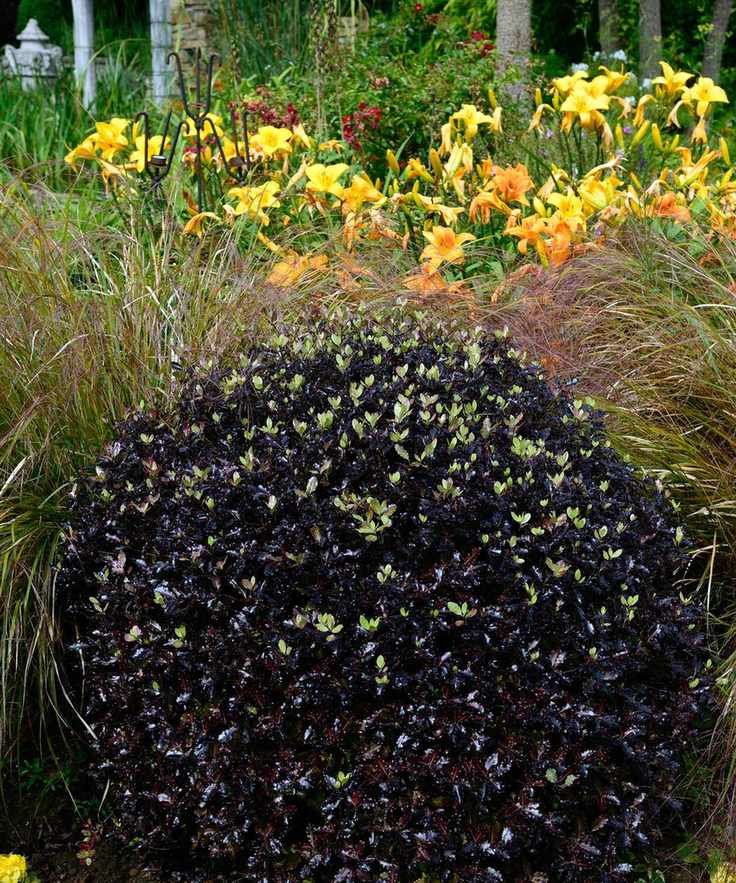
Pittosporum tenuifolium 'Tom Thumb'
- Ideal for: Evergreen structure in mixed borders
- Height: 3-35ft
- Spread: 3ft-25ft
- Hardiness: USDA 8-11
With tall, silver or bright green leaves, pittosporums are perfect for planting at the back of sunny borders as screening shrubs. Their loose upright habit makes them an excellent backdrop for other shrubs and flowering perennials.
They also produce tiny, fragrant flowers. For smaller spaces, the compact cultivar 'Tom Thumb' features purple foliage and flourishes in full sun to enhance its color. This variety works well as a focal point in mixed plantings or in containers along garden paths or entryways. It can also serve as an informal low hedge.
7. Camellia

Camellia
- Ideal for: Acid soils and winter blooms
- Height: 8-10ft
- Spread: 8-10ft
- Hardiness: USDA 4-11
If you're seeking winter flowers, the camellia reigns supreme. Its lush, colorful blooms emerge when few other plants are flowering. There are various types of camellias available, with blossoms in shades of white, pink, and red, ranging from single to double flowers in formal, peony, or anemone styles. The earliest blooms appear in the Sasanqua group, like 'Yuletide', available from Fast Growing Trees.
These elegant shrubs thrive in acidic soils and shaded areas, featuring glossy dark evergreen foliage that keeps them attractive throughout the year. They can be planted as flowering hedges or as individual specimens in the ground or containers. Proper fertilization helps them bloom abundantly.
8. Cotoneaster adpressus
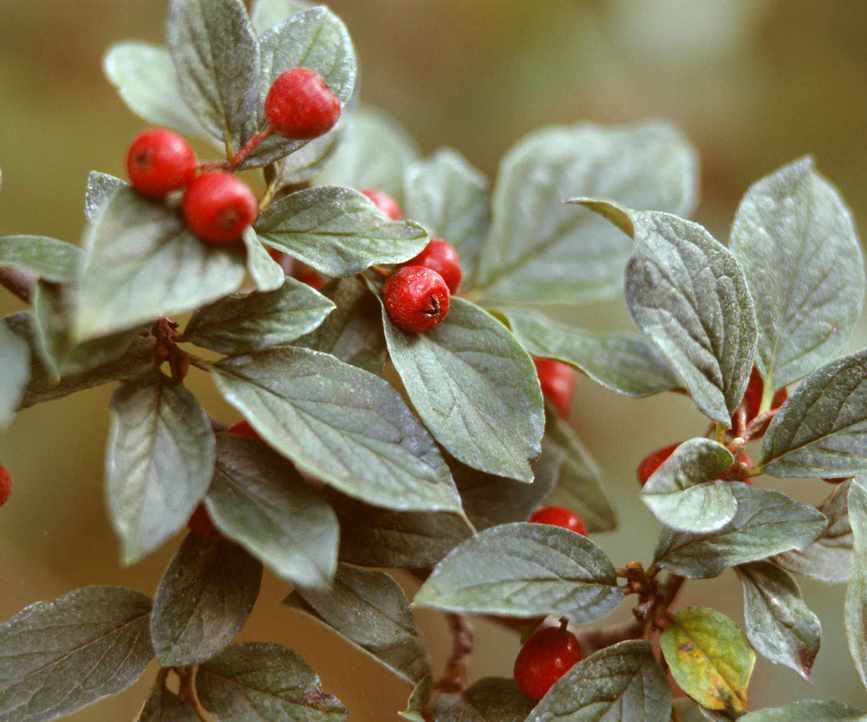
Cranberry cotoneaster
- Ideal for: Ground cover in sun or partial shade
- Height: 1-2ft
- Spread: 4-6ft
- Hardiness: USDA 4-7
Cotoneaster shrubs offer a wide variety of types suitable for both large and small gardens, particularly the spreading, ground-cover varieties that are incredibly useful.
With shiny, small, dark green leaves that grow closely together, they effectively suppress weeds while also producing spring flowers and dark red berries in winter. This enhances their appeal as ornamental plants that benefit wildlife.
Notable cultivars include 'Little Gem', 'Nan-shan', and 'Tom Thumb', along with the cranberry cotoneaster C. apiculatus.
9. Pyracantha

Pyracantha
- Ideal for: Training against walls and as intruder deterrents
- Height: 3ft-8ft
- Spread: 4-6ft
- Hardiness: USDA 7-10
Pyracantha serves as a sturdy, thorny boundary plant. These shrubs thrive when grown against walls, clipped to shape, or as low hedges or standalone specimens.
While they are known for their abundant brightly colored fall berries that last into winter, they also offer early summer blooms that draw pollinators and maintain small evergreen leaves.
Pyracantha typically sports bright red berries, but other cultivars feature orange and yellow fruits, along with compact varieties.
10. Viburnum davidii
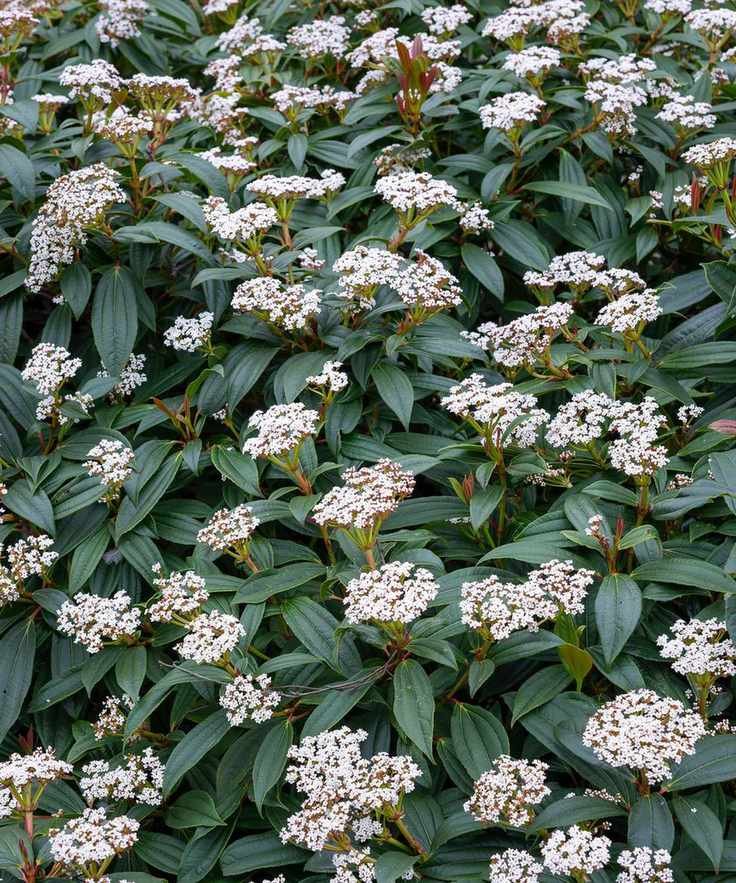
Viburnum davidii
- Ideal for: Year-round interest in mixed shrub plantings
- Height: 2-3ft
- Spread: 3-4ft
- Hardiness: USDA 7-9
Among the many viburnums available, V. davidii fulfills multiple criteria for landscaping shrubs. Its textured, ribbed leaves are evergreen in milder climates, while it produces spring flowers and blue fall berries that attract wildlife, making it a strong candidate for mixed borders throughout the seasons.
For optimal berry production, plant both male and female shrubs together. With a neat dome shape and medium height, they look best in small clusters for greater impact. They tolerate various soils and shadier spots, making them suitable for woodland edges. 'These versatile plants can help define your space with a cool ribbon of color,' according to experts.
Correct pruning of viburnum will maximize blooms and berries for the following year.
What Shrubs Are Best to Plant by a House?
Hydrangeas are excellent ornamental shrubs that thrive in moderate direct sunlight and partial shade, featuring beautiful blooms in pink, white, and blue that remain attractive from late summer into fall. Many even look stunning as dried specimens left on the plant through winter.
These can be grown as solitary specimens, in groups, or as informal flowering hedges. They also make great additions to flower beds beneath windows or near entrances as a front-of-house shrub.
Recommended varieties include 'Annabelle' (available from Nature Hills) for its large white pompom flowers and hybrids of Hydrangea quercifolia, the oakleaf hydrangea, a native North American species with a variety of sizes and beautiful fall foliage colors.
Which Flowering Shrubs Are Ideal for Landscaping?
Rhododendrons and azaleas are hard to beat for their vibrant floral displays. Available in a spectrum of colors from yellow to orange, pink, red, and purple, they truly brighten up mid-spring to early summer gardens, with some offering delightful fragrances. The catch is that these plants thrive in acidic soil conditions, making shaded, mixed woodland areas the best location for them.
If you have such a spot in your yard, consider combining larger and smaller evergreen and deciduous hybrids. There is a vast selection of cultivars, so consult your local nursery for advice on the best options for your area. The Northern Lights azaleas, developed by the University of Minnesota, are particularly well-known for their cold hardiness, surviving temperatures as low as -30˚F.
For the best results, plant bare root landscaping shrubs in fall, ideally in October or November, when the soil remains warm but before frost sets in. This allows young plants to establish a solid root system over the winter months in cool, damp soil.
Young shrubs will require watering for at least the first year until they are well established. If you opt for pot-grown shrubs, you can plant them later in the season, but they will still need consistent watering, especially during dry spells.



