

If you're curious about growing hydrangeas, you're in good company. These resilient shrubs, which bloom from mid-summer to autumn, have become increasingly popular in recent years.
Flowering shrubs are once again celebrated for their role in flower bed designs, and hydrangeas stand out due to their variety, reliability, and large, colorful blooms that range from creamy whites and pinks to striking blues, reds, and purples.
Hydrangeas are perfect for adding vibrant summer color to your garden. They also serve as beautiful cut flowers, are easy to cultivate, tolerate various soil types, thrive in both sunlight and partial shade, and can be planted in borders or pots with minimal upkeep. What’s not to adore?
Once you learn when to plant hydrangeas and their care requirements, you’ll be rewarded with stunning blooms from July through October.
Types of Hydrangeas to Grow
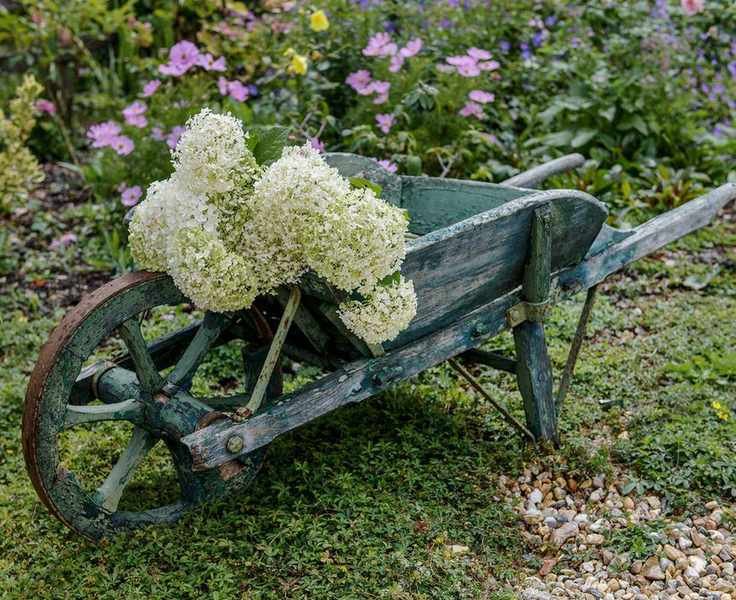
The first step in growing hydrangeas is to choose the type that suits your garden. There are two primary categories: shrubby and climbing.
Shrubby hydrangeas bloom from July to September and are fantastic for adding color and structure to garden borders or for pot cultivation.
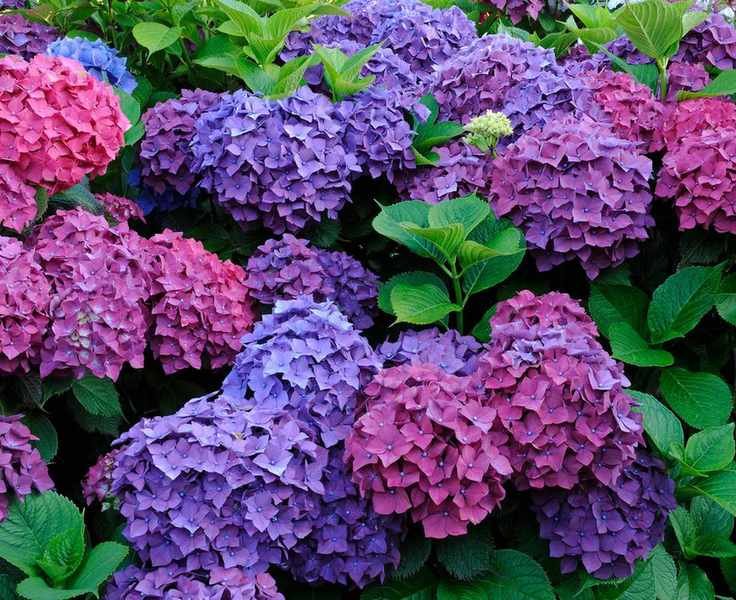
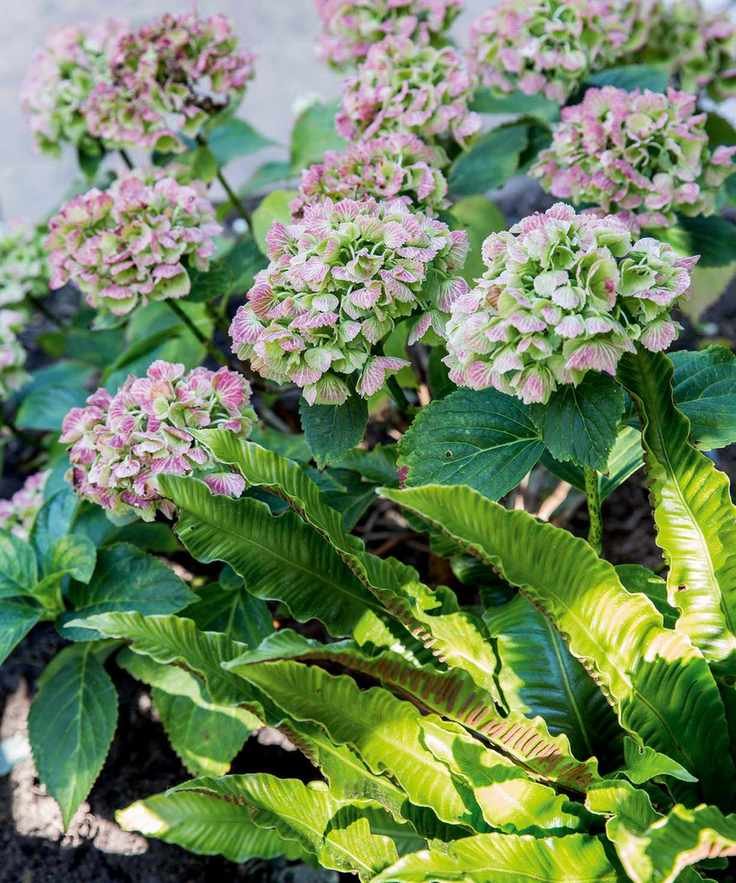
These shrubs display large flower heads, either dome-shaped or flat. The dome-shaped ‘mophead’ hydrangeas feature densely packed flowers, while the flat ‘lacecap’ varieties have large, pointed petals surrounding clusters of smaller blooms.
Notably, the mophead variety's flower color changes based on soil pH: in alkaline soils, they bloom pink; in neutral soils, red; and in acidic soils, blue. You can manipulate the flower color by adjusting the soil's pH.
Climbing hydrangeas can thrive in semi-shade and are ideal for growing up north and east-facing walls, fences, or buildings, although some varieties prefer full sun. Their delicate white flowers bloom between July and August, with Hydrangea anomala petiolaris being a well-regarded variety.
With over 70 hydrangea species available, you'll find compact options, fragrant varieties, and those with stunning fall foliage. Some panicle hydrangeas can even be shaped into hydrangea trees.
Choosing the Right Location for Hydrangeas

Hydrangeas flourish in well-drained soil located in a sheltered, dappled shady area. They prefer morning sunlight with some afternoon shade.
Avoid south-facing spots and protect young growth from late spring frosts. Most soil types work, but remember that soil pH influences flower color—less than 5.5 for blue, over 6.5 for pink, and between 5.5 and 6.5 for purple.
Hydrangeas don’t thrive in dry conditions, so pick a location with moist, rich soil. Enhance soil moisture retention with garden compost or well-aged manure.
These plants need consistent moisture, so don’t plant them in arid areas. Their new growth is susceptible to frost, so avoid frost pockets, and if summers are dry, opt for semi-shade. They can thrive in shaded areas, contrary to popular belief, so don’t expose them to harsh sunlight that can cause stress and wilting,” says a gardening expert.
Planting Hydrangeas
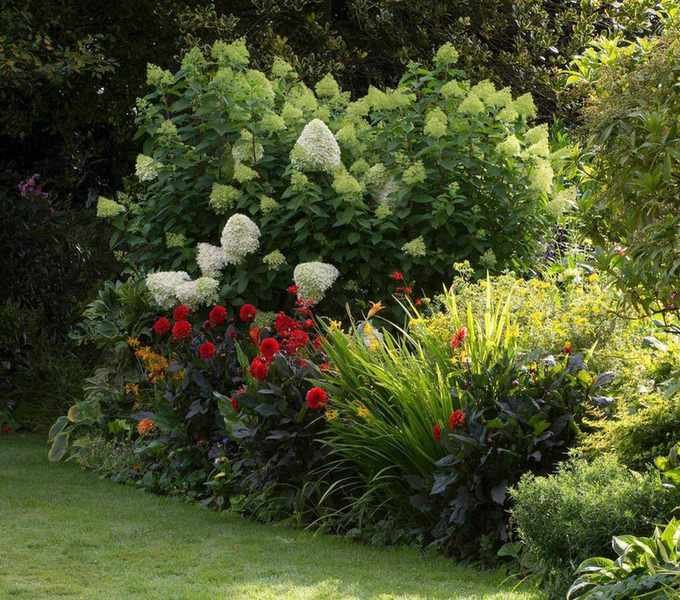
Wondering when to cut back hydrangeas in the fall? It depends on the hydrangea type. Generally, spring or fall is the best time to plant hydrangeas.
- For container-grown hydrangeas, dig a hole twice the width of the root ball. Enhance the soil by mixing in organic matter or well-rotted compost to improve moisture retention.
- Water the hydrangea before planting.
- Position the plant in the hole, ensuring the soil level matches the ground—use a bamboo cane for measuring.
- Backfill with a mix of soil and organic matter, firming it with your heel to eliminate air pockets, and water thoroughly.
- Mulch around the plant's base to help retain moisture.
- Climbing hydrangeas should be planted similarly but need to be positioned at least 9 inches (22cm) away from walls, fences, or buildings.
Growing Hydrangeas from Cuttings
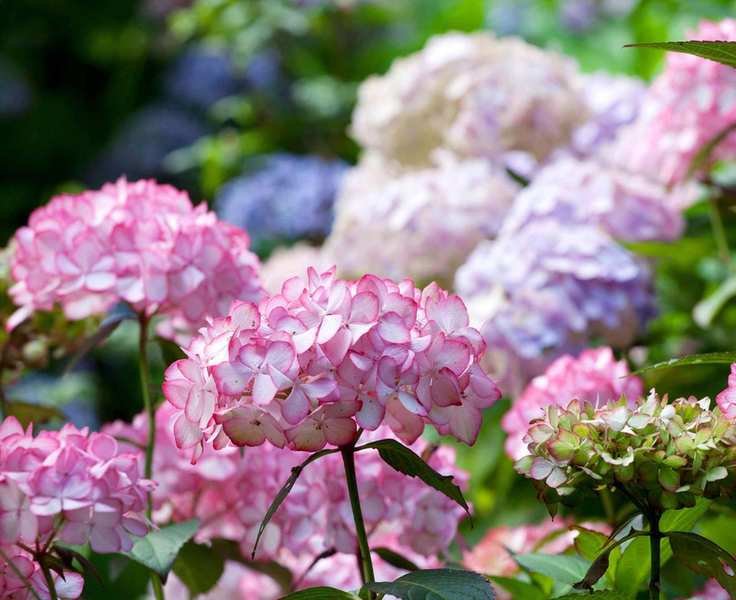
Hydrangeas propagate well from cuttings, making this a cost-effective method to expand your garden. You can take cuttings as softwood in late spring or semi-ripe in summer.
To take softwood cuttings:
- Take them from March to August, ideally in spring. Do this in the morning.
- Choose healthy, non-flowering shoots and cut sections with 3-5 leaf pairs. Seal in a plastic bag until ready.
- Trim the lower leaves and shorten the cuttings to 3-4 inches (8-10cm), cutting below a node.
- Use a pencil to make holes in a pot filled with seed compost and insert the cuttings.
- Water the cuttings and place them in a propagator at temperatures of 64-70°F / 18-21°C. Alternatively, cover with a polythene bag.
- Once rooted, harden off the cuttings and transplant them into individual pots. Water, label, and keep in a shaded area to grow.
- They can be moved to their final spot the following spring.
For semi-ripe cuttings, use rooting hormone and place the cutting in a pot with propagation mix, keeping it warm. Roots should develop in about two weeks, followed by repotting into potting soil and regular light fertilization for about two months before planting.
Cultivating Hydrangeas in Containers
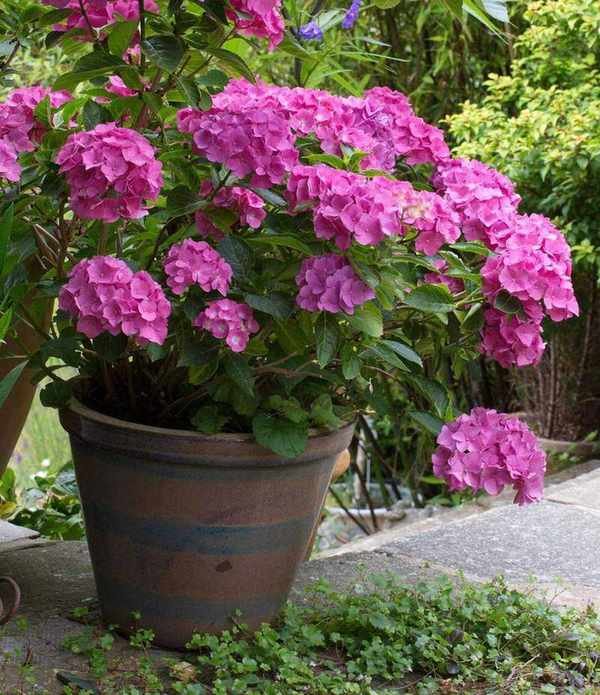
If you’re growing hydrangeas in pots, you can adjust the potting mix for your desired bloom color. You might even place the pot within a garden bed to fill in gaps during summer.
Shrubby hydrangeas thrive in pots and can provide a bright splash of color as a patio feature in late summer. Opt for smaller to medium varieties for container gardening.
Spring and fall are ideal planting times for container-grown hydrangeas, but planting can occur year-round.
When planting in pots, use loam-based soil instead of peat-based compost, as peat can dry out quickly and lacks nutrients.
Hydrangea Care Tips

After planting, ensure hydrangeas receive ample water during their first season to prevent wilting. To maintain blue flowers, only use rainwater. Mulch annually with manure, compost, or leaf-mold to support growth, as feeding can promote leaves over blooms.
Shrubby hydrangeas usually bloom on new growth, while climbing varieties flower on previous growth, leading to differing pruning needs. It's vital to learn when and how to prune hydrangeas to enhance their appearance and vigor.
Growing Hydrangeas from Seeds
While it's possible to grow hydrangeas from seeds, it isn't advisable. 'It can take several seasons to achieve a mature plant,' an expert explains.
Seed germination rates are low, so propagation via cuttings is more effective. Furthermore, most modern hydrangeas are hybrids, which means seeds may not yield true-to-parent plants. However, some fortunate accidents have produced new, marketable varieties.
Troubleshooting Hydrangea Issues
Frost Damage: If new spring growth suffers frost damage, prune back to just above the first undamaged bud.
Hydrangea Scale: This disease appears as white, waxy spots in summer, best managed through careful inspection in spring. Keeping plants healthy encourages natural predators, and think about companion planting with hydrangeas. If necessary, use organic treatments in July.
Flowering Issues: Poor flowering often results from improper pruning timing, so check the plant label before cutting.
Leaf Damage: If you notice holes in leaves, it may be due to vine weevils, whose grubs also damage roots. Inspect at night to catch them and consider applying biological controls.
Optimal Conditions for Hydrangeas
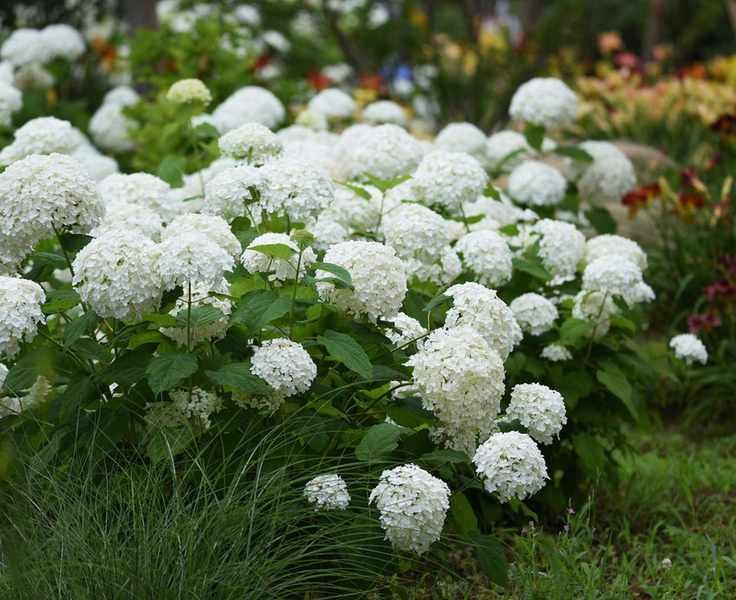
With the range of styles and varieties available, hydrangeas adapt well to various settings. They flourish in informal hedges, mixed borders, all-white flower arrangements for classic looks, or to brighten shaded areas, as well as in containers for both urban and rural gardens.
'Hydrangeas look stunning when grouped together in one variety for a dramatic effect,' shares a plant expert.
Are Hydrangeas Simple to Grow?
Hydrangeas are low-maintenance and easy to cultivate, offering a wide variety of options that will enhance your garden and serve as beautiful cut flowers.
For beginners, 'Paniculata varieties are user-friendly and quite forgiving. You can't go wrong with them,' the expert notes.
'Most hydrangeas are easy to manage, which is why they are so popular—H. macrophylla and H. paniculata along with their cultivars are particularly manageable,' adds a gardening curator.



