
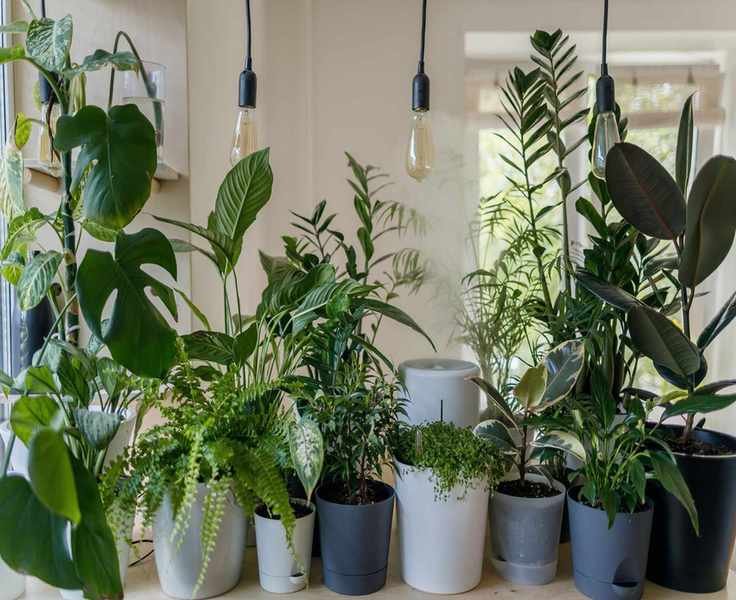
Houseplants enhance our living spaces year-round, but winter houseplants are especially vital, bringing life, color, and air-purifying benefits in the colder months.
These plants offer vibrant decor while our outdoor gardens rest, thriving in the challenging indoor conditions. From cold-tolerant varieties to low-maintenance options, many indoor plants adapt well during winter's dormancy.
With various styles, shapes, and colors to choose from, you’re bound to find ideal winter houseplants. Familiarize yourself with winter plant care to ensure they thrive and last until next season.
Best Winter Houseplants
Whether you're a seasoned plant parent or just starting, get ready to nurture your green thumb this winter with these excellent houseplant choices. From bathroom plants to bedroom plants, there's something for every room.
According to gardening expert Lindsay Pangborn, “Plants from harsher climates adapt better to indoor winter conditions than those from tropical regions.”
1. Jade Plant – Crassula
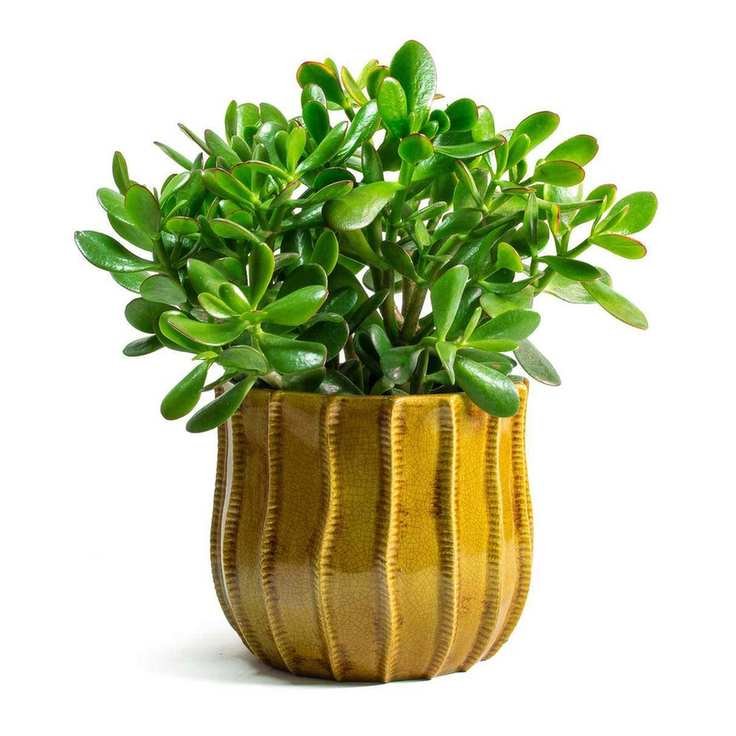
“Crassula, or Jade Plant, is an outstanding choice,” says Morag Hill, co-founder of a plant store. “It thrives in both warm and cooler conditions and can handle low light. A monthly watering routine with some sunlight will keep it healthy until spring.”
Jade plants can make a delightful addition to a kitchen display or be grouped with smaller plants for a charming look.
2. Succulents

These small but sturdy plants are renowned for their low maintenance requirements. “Succulents adapt to diverse environments, thriving in various temperatures and humidity levels,” explains Lindsay Pangborn. “They require at least four hours of direct sunlight daily and should not be overwatered.”
Knowing how to care for succulents in winter will help you enjoy their beauty throughout the season.
3. Oxalis triangularis

Another favorite is Oxalis Triangularis, a low-maintenance plant with striking purple leaves and charming bell-shaped flowers. Emily Lawlor from a plant shop notes that they close their blooms and leaves at night, providing an enchanting sight come morning.
4. Pothos

Pothos plants are durable and easy to care for, perfect for beginners during winter. “The trailing vines tolerate colder drafts well and adjust to lower light levels,” says Lindsay Pangborn.
For more on pothos care, explore various types that bring positive energy to your home, as they are also among the best feng shui plants.
Watch for yellowing leaves, which may indicate over or under-watering.
5. Tradescantia

Tradescantia, also known as spiderwort, is known for its rapid growth and vibrant appearance. “It’s a fantastic choice for hanging baskets or containers, offering beauty and ease of care,” says Emily Lawlor.
6. Aglaonema

Experts highlight several aglaonemas as ideal winter houseplants. “Aglaonema Pink Star thrives in low light and is perfect for beginners or experienced gardeners,” says Emily Lawlor. “Its stunning pink leaves add a pop of color during winter.”
Dan Bruce from Leafy Plants recommends the ‘Chinese Evergreen’ variety, which fares well in low light and can tolerate cooler temps.
7. Cyclamen persicum

Cyclamen can create a striking display when grouped together. Karen Musgrave, a nursery professional, suggests placing them near drafty windows or entryways to brighten the space. Cyclamen thrives in cooler temps and needs indirect sunlight and well-drained soil.
8. Dwarf Citrus

Dwarf citrus plants, including lemons and kumquats, are not only decorative but functional for culinary uses. Bring them indoors during winter, ideally in a cooler room at 65ºF (18ºC).
9. Phalaenopsis Orchid

Orchids add elegance to winter decor. Jessica Matteson, a landscape architect, favors the white phalaenopsis for its low maintenance and beauty. “They thrive in medium light and can last for months,” she notes.
10. Galanthus nivalis (Snowdrops)

Snowdrops can also be grown indoors. Jessica Matteson suggests forced bulbs like snowdrops and miniature narcissi for indoor winter plants, bringing early spring beauty to your home.
Keep bulbs cool to prevent leggy growth and consider planting your own for indoor blooms come January.
11. Sansevieria

This resilient plant thrives in various lighting conditions, making it ideal for winter. “Sansevieria tolerates temperature changes and minimal watering, making it an easy choice,” says Dan Bruce from Leafy Plants.
12. Zamioculcas zamiifolia – ZZ Plant
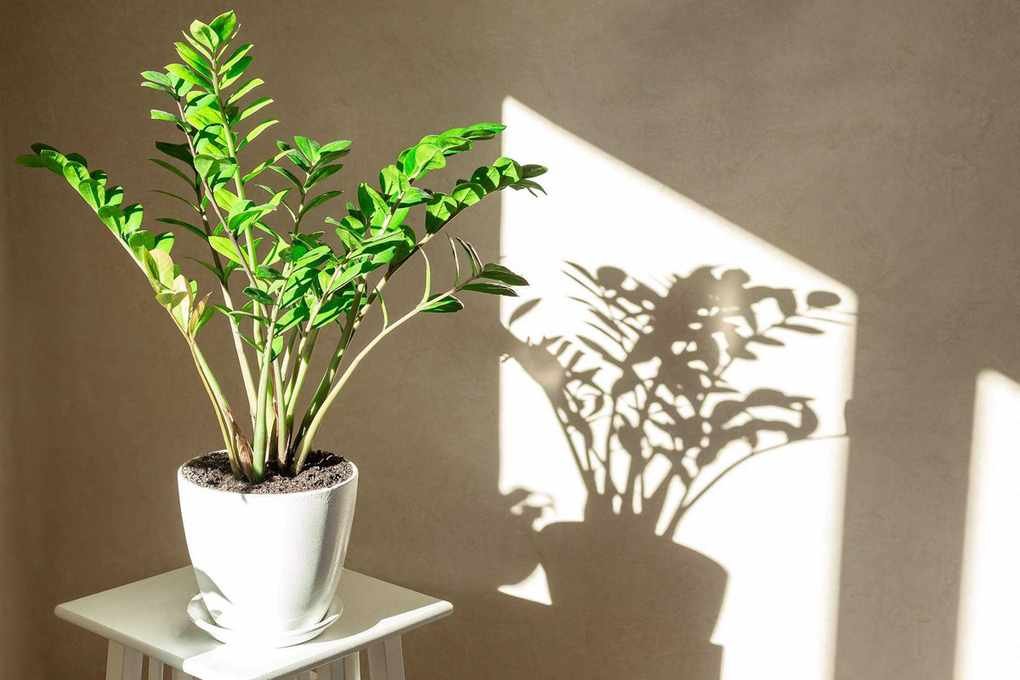
For those who travel or tend to forget watering, the ZZ Plant is perfect. Karen Musgrave appreciates its low-maintenance nature, thriving in poor conditions.
13. Aspidistra

Aspidistra is known for its resilience. Alice Bailey shares that it can thrive in low light and tough conditions. “It can live for decades with proper care,” she adds.
14. Dracaena marginata
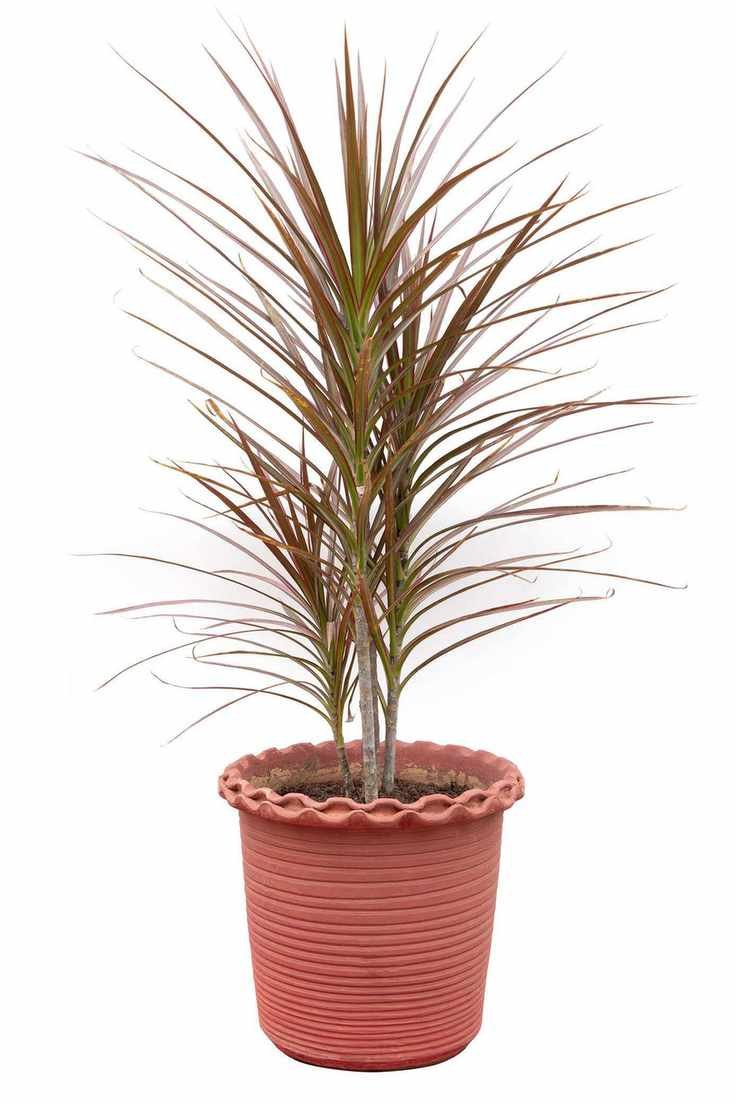
Low-maintenance and drought-tolerant, the Dracaena marginata is a winter favorite. Dan Bruce highlights its striking leaves and adaptability to indoor conditions.
15. Anthurium andraeanum
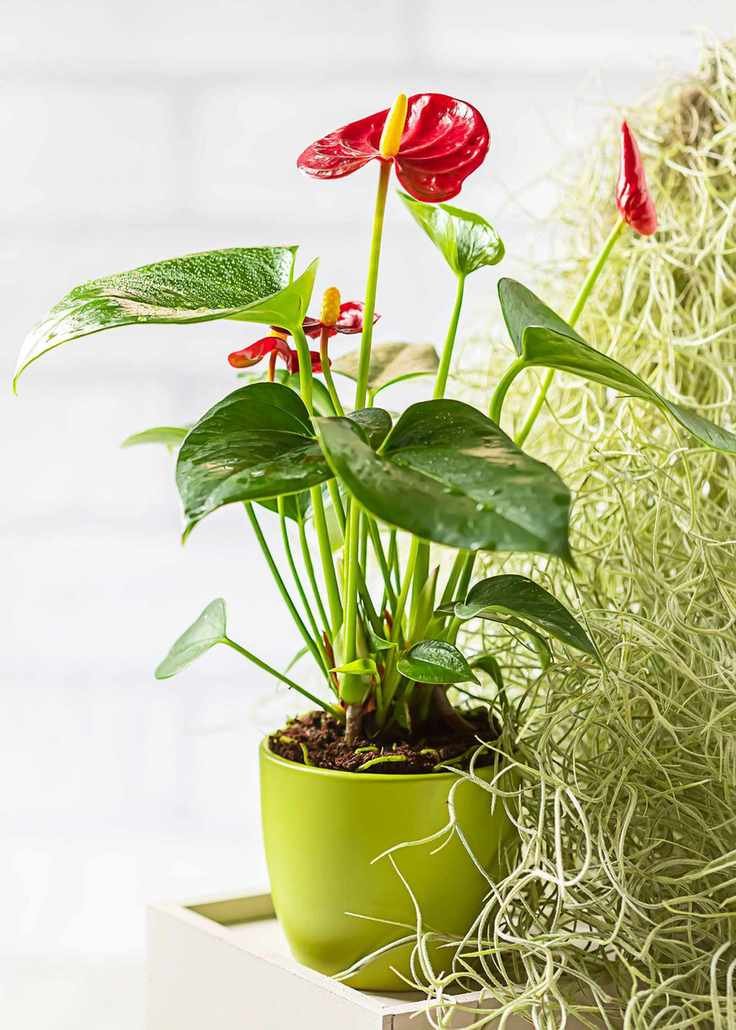
With its vibrant heart-shaped flowers, the Anthurium is a charming choice for new plant owners. It flourishes in medium sunlight and moist soil, with blooms lasting up to three months.
16. Epipremnum

Epipremnum, known for its dark foliage, is a superb winter trailer. Alice Bailey notes that it thrives in low light and can withstand dry air from heating.
17. Ficus elastica (Rubber Plant)

This plant, with glossy leaves, is a popular indoor choice. Dan Bruce explains that it adapts well to low light and can handle temperature drops, making it great for winter.
18. Schlumbergera truncate (Christmas Cactus)

Emilly Fernandes loves the Christmas Cactus for its holiday cheer. Available in various colors, it prefers bright light and a humid environment.
19. Aloe Vera

Aloe Vera is celebrated for its health benefits. Dan Bruce emphasizes its low water needs and adaptability to colder temperatures during winter.
20. Dracaena trifasciata
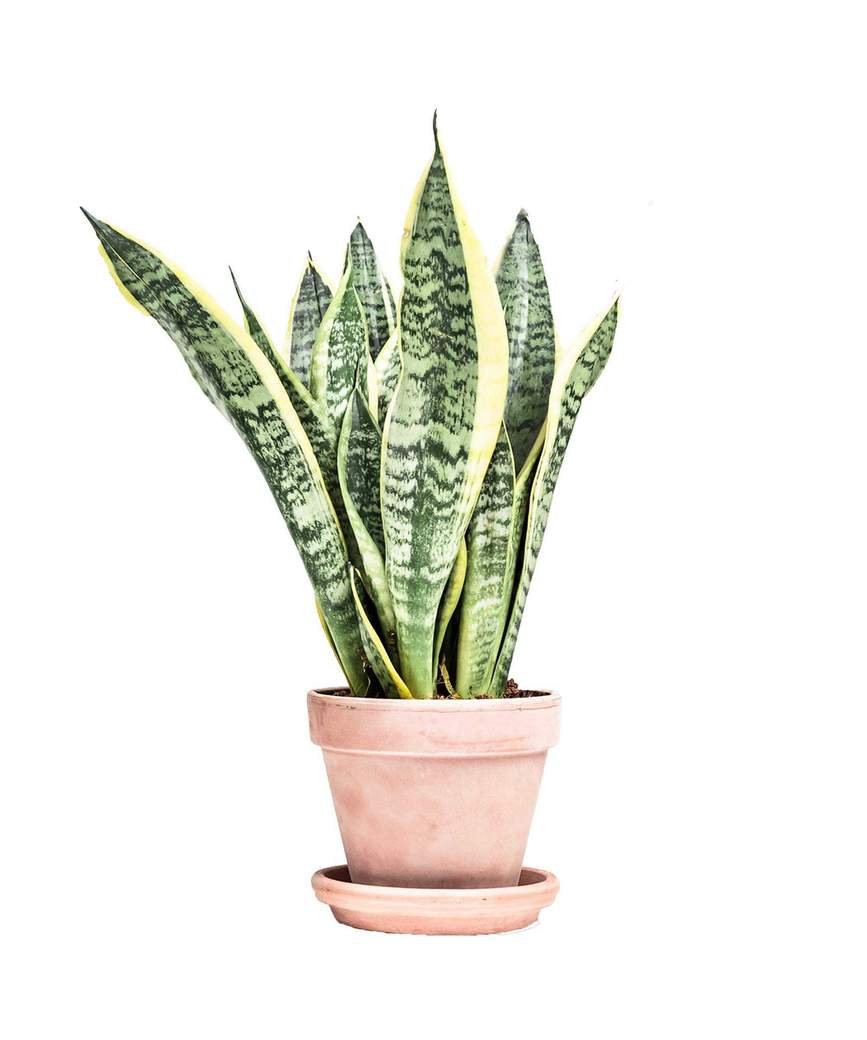
Dracaena trifasciata, or snake plant, is incredibly resilient. Lindsey Hyland notes it can thrive in low light and tolerates neglect well.
21. Philodendron

With over 450 varieties, Philodendrons are beloved for their versatility. Lindsey Hyland explains they don’t require frequent watering, making them suitable for various settings.
Benefits of Winter Houseplants
The positive effects of winter houseplants are well known. Studies show that having plants indoors can enhance mood, productivity, and reduce stress. They also contribute to lowering blood pressure and fatigue while purifying the air.
Positioning Winter Houseplants
Winter houseplants deserve optimal light exposure. Dan Bruce recommends rearranging your indoor plants to maximize sunlight. “Although you love your fern on the shelf, move it nearer to windows for the best light,” he advises. Just keep them away from cold drafts.



