

Hydrangeas are a beloved choice for gardens, known for their beautiful blooms and adaptability in various designs.
While these shrubs require minimal upkeep, understanding the right pruning methods and timing is essential for maximizing their blooms and ensuring they endure the winter months. Pruning at the wrong moment can jeopardize your plant's health.
Learning how to cultivate hydrangeas is relatively straightforward, but without proper pruning and deadheading, they can be less satisfying over the years. The method for pruning depends on the specific type of hydrangea. Here, we'll explore the various hydrangea types and effective pruning techniques to help you master this essential gardening skill.

Key Considerations for Pruning Hydrangeas
Hydrangeas are easy-care shrubs and are among the finest flowering plants for your landscape. Once you identify which variety you have, learning how to prune becomes much simpler.
These fast-growing shrubs bloom on either old or new wood, so correct pruning is vital to avoid negatively impacting their flower production. Timing varies by variety.
Pruning should occur in late winter or early spring, or in late summer for climbing varieties. Avoid fall pruning, as it exposes plants to winter frost, which can damage stems and buds. Cutting back hydrangeas that bloom on old wood in fall or winter removes the buds for next year's flowers.
"Always use a sharp, clean pair of pruning shears for effective pruning," advises an experienced gardener. A precise cut reduces the risk of infection.
It's crucial to maintain clean and sharp gardening tools. Using dull or rusty tools covered in residue can harm the health of your hydrangea.
"If your pruning methods aren't yielding vibrant blooms or a robust plant, consider altering your approach," the gardener adds. "Monitor your plant in spring and summer to determine if it flowers from old or new growth."

Pruning Mophead and Lacecap Hydrangeas

Pruning methods for mophead and lacecap hydrangeas (Hydrangea macrophylla), also known as bigleaf hydrangeas, are similar.
These varieties should be pruned in late winter or early spring. "Leaving faded blooms throughout winter offers frost protection for the budding flowers beneath," explains a garden expert.
Mophead hydrangeas are popular for their lush, rounded blooms in hues of blue, pink, green, and white, making them ideal for cottage gardens and suitable shade shrubs. Lacecap hydrangeas showcase small flowers surrounded by larger petals.
For pruning mophead and lacecap hydrangeas in early spring, follow these steps:
- Remove one or two of the oldest, weakest stems at the base to promote new growth and enhance blooms.
- Using clean, sharp shears, trim old flower heads just above a pair of buds.
- Avoid cutting any flower buds.
- If the shrub has become overgrown with tangled branches, a harder prune can be performed, cutting stems down to the base. However, blooms might not appear until the next year.

Pruning Climbing Hydrangeas

For climbing hydrangeas, including Hydrangea anomola subsp. petiolaris, pruning occurs in summer after they flower.
"Climbing hydrangeas bloom on the previous year's wood, so spring pruning sacrifices those blooms," the expert states. After flowering, prune Hydrangea petiolaris to shorten branches extending from walls or supports; otherwise, only minor pruning is necessary to remove any dead or damaged stems.
Pruning Hydrangea paniculata and Hydrangea arborescens
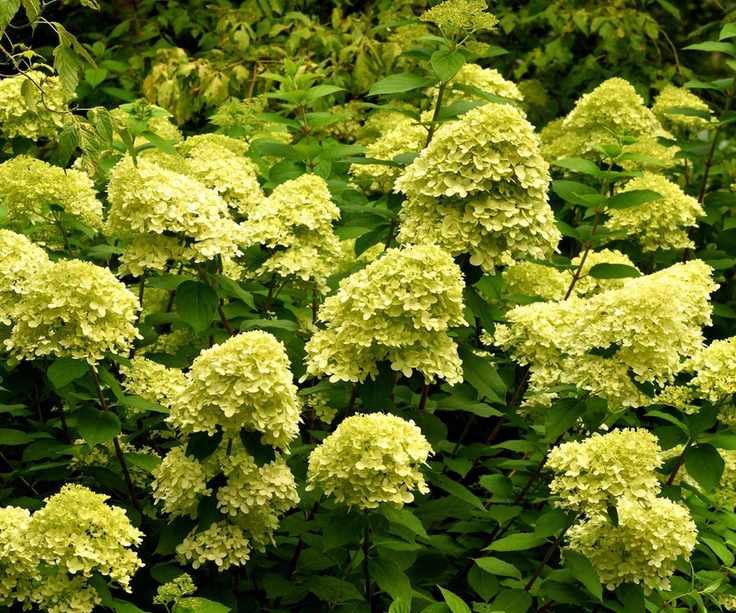
Hydrangea paniculata, known for its cone-shaped blooms, and Hydrangea arborescens, with round flower heads, are also pruned in early spring.
These types produce flowers on new wood, so you can prune them back significantly without affecting the current year's blooms. Trim old branches to the lowest pair of healthy buds for a tidy structure.
While pruning these varieties isn't strictly necessary, it can prevent them from growing too tall.
Other hydrangea types, like Hydrangea aspera and Hydrangea quercifolia, require only light spring pruning. Simply remove dead flowers and any crossing stems.
Tip: Varying the heights of the cuts will produce blooms at different levels.
Essential Pruning Tools for Hydrangeas
Felco Pruning Shears
These durable shears feature forged aluminum handles, making the pruning process efficient. A wise investment, they should last for many years.
Gardening Gloves
The rubber coating on these gloves keeps your hands dry while the long, flexible cuffs prevent dirt from getting inside during pruning.
Tool Blade Sharpener
This handy sharpener keeps your tools in prime cutting condition. It's quick and easy to use, making it a valuable addition to your gardening supplies.
FAQs
What if Hydrangeas Aren't Pruned?
Without pruning, hydrangeas can become overgrown and tangled, resulting in smaller, less vibrant flowers. If your hydrangeas aren't blooming, insufficient pruning is often the cause. Experts agree this is a common mistake in hydrangea care.
Regular pruning helps maintain shape and encourages fresh growth, leading to more impressive blooms in the coming years.
Is It Necessary to Remove Dead Blooms from Hydrangeas?
Deadheading hydrangeas can enhance blooming, but it's not required for all varieties.
For mophead hydrangeas, wait until after flowering to remove dead blooms in mild climates. Leaving the flowerheads over winter offers frost protection.
These dried flowers add visual interest in winter and can look stunning when frosted. However, lacecap hydrangeas can be deadheaded after flowering.
Hydrangeas don't need excessive pruning to thrive and produce beautiful blooms annually.
It's generally advised to avoid removing more than one-third of a plant each year. Following the one-third pruning rule helps maintain plant health. Over-pruning can stress the plant, leading to weak, spindly growth and increased vulnerability to pests and diseases.
Once you master the art of pruning hydrangeas, you'll enjoy flourishing, vibrant shrubs. There are countless ways to grow hydrangeas in pots on patios or balconies or incorporate them into larger landscaping designs.



